





Phone:
0086 28 87573647
+86 19150187139

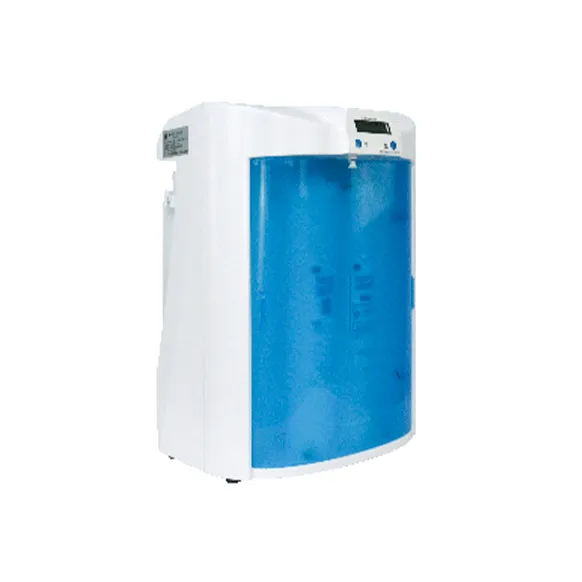
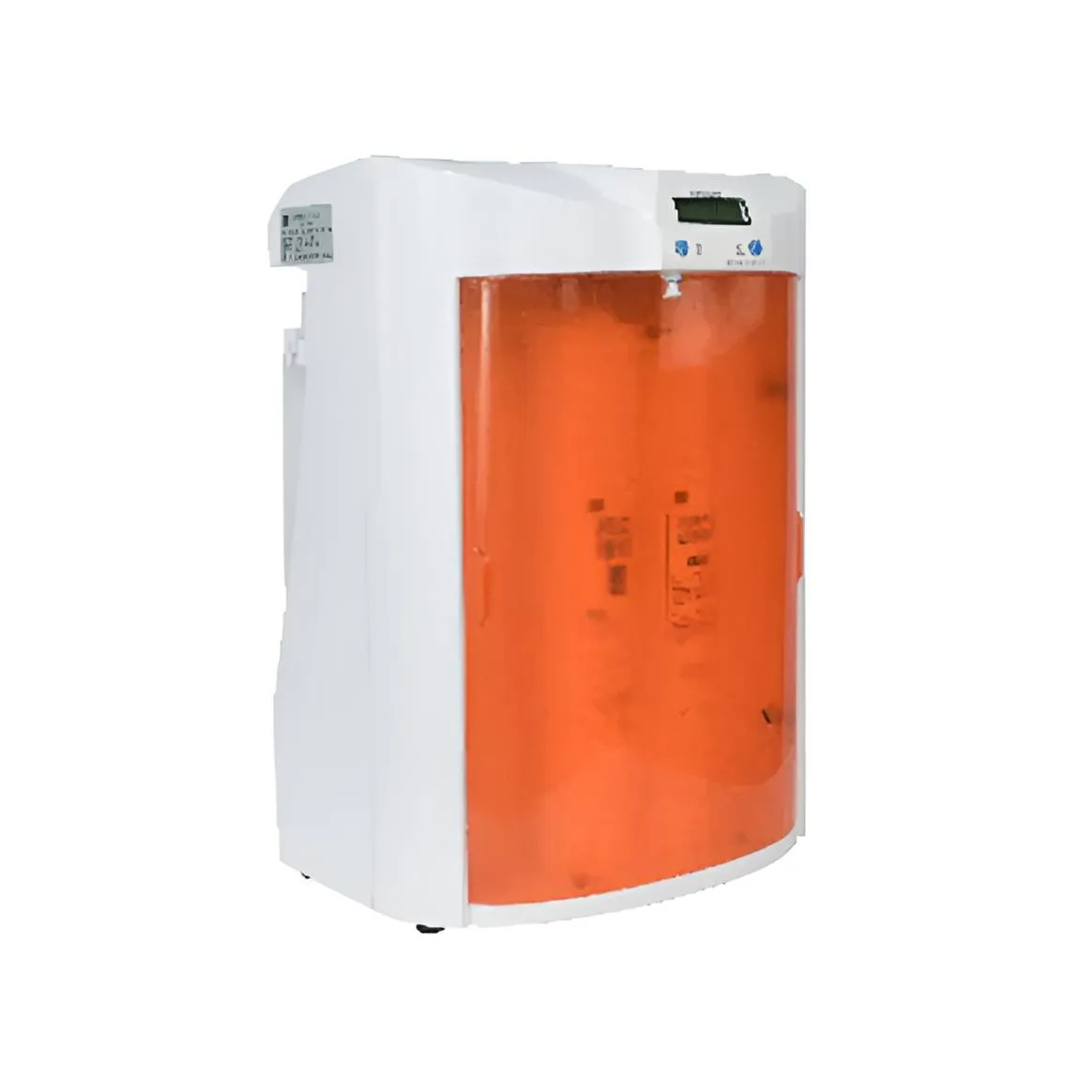
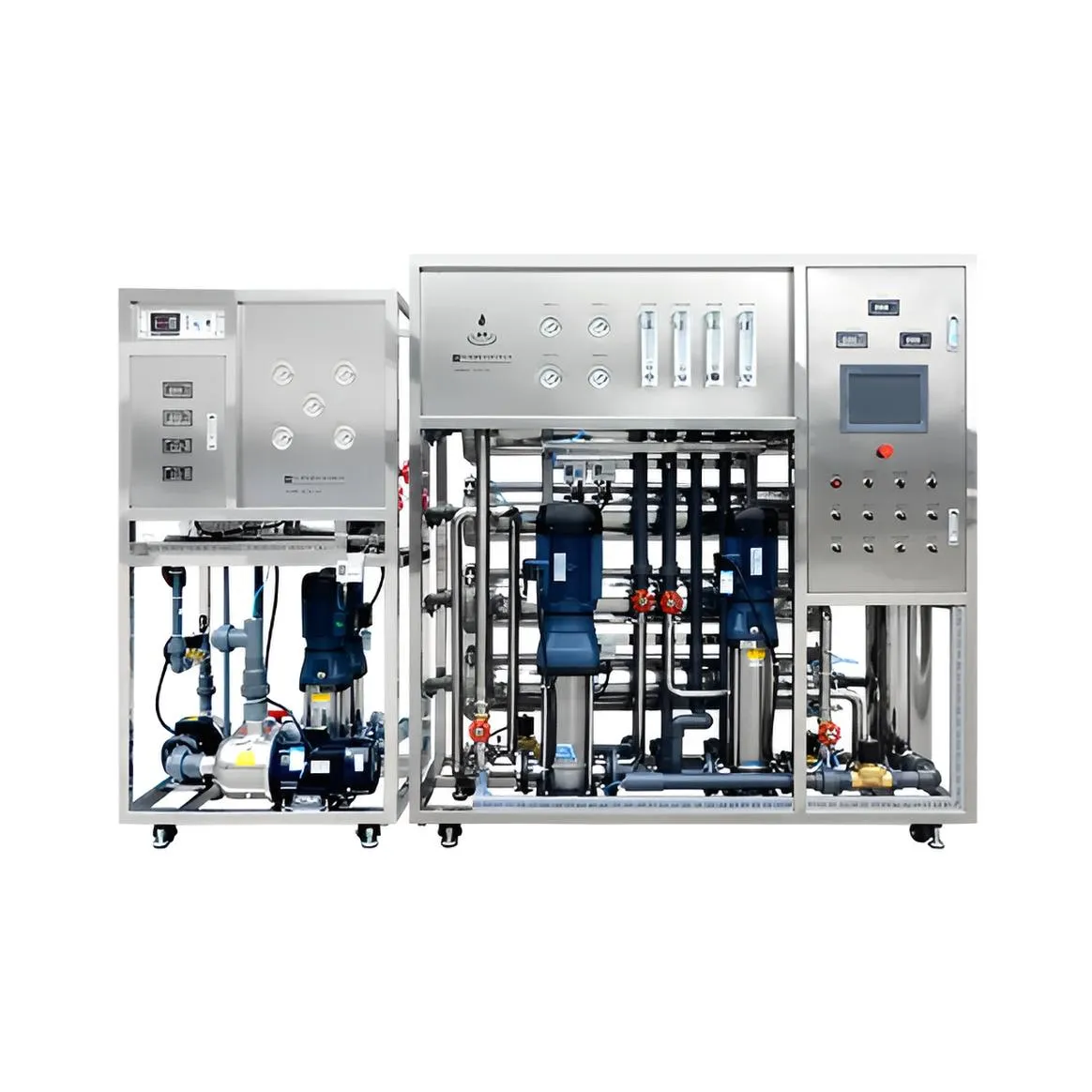
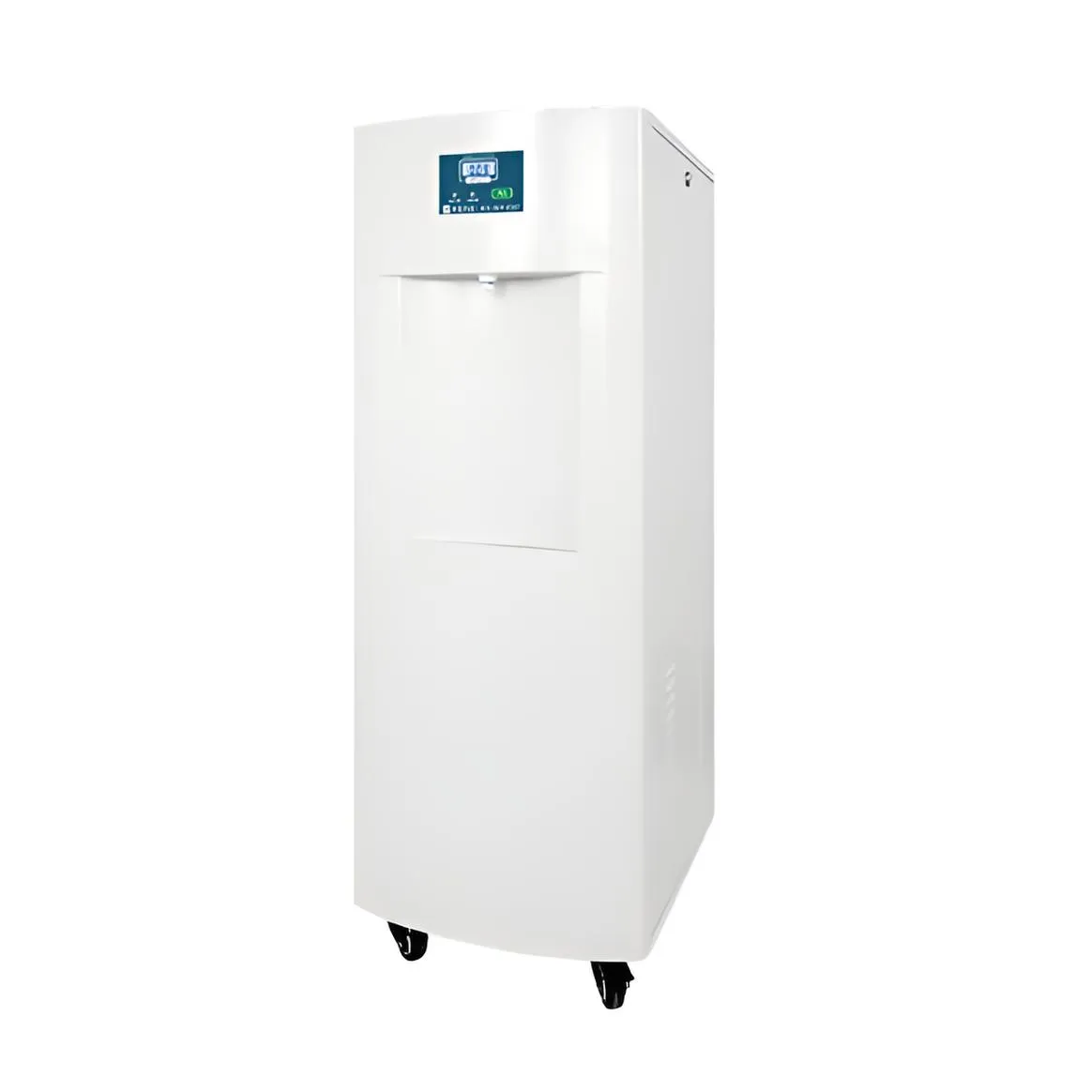
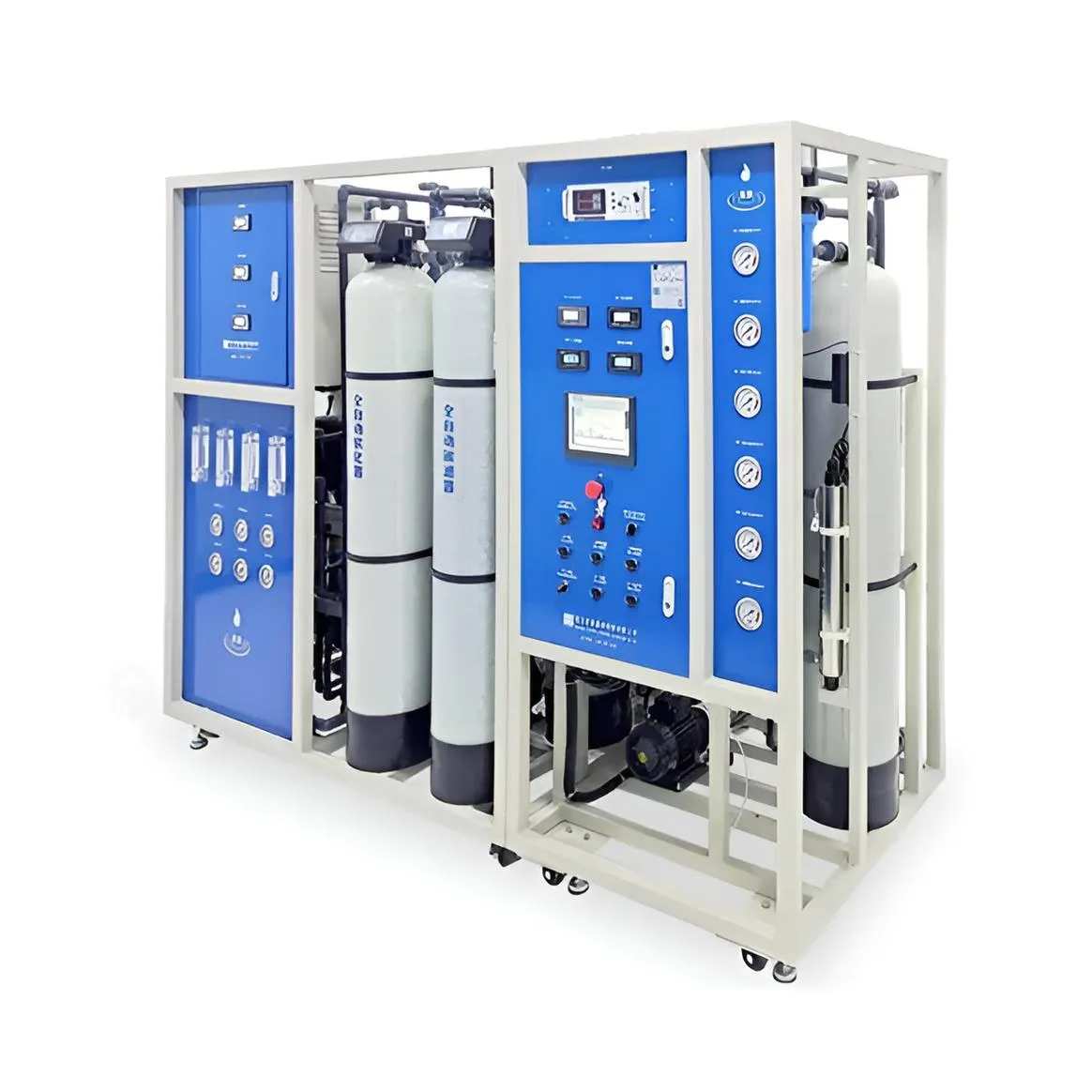
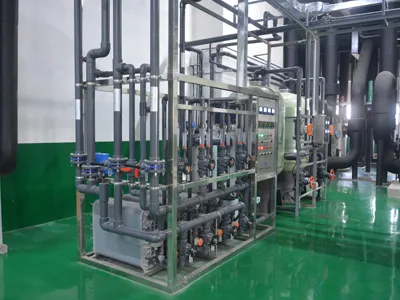
Reverse osmosis (RO) ultrapure water systems are common. This technology utilizes pressure differential as a driving force for membrane separation and filtration. Originating from aerospace research in the United States in the 1960s, it was later adapted for civilian use and is now widely used in scientific research, medicine, food, beverage, and seawater desalination.
Reverse osmosis membranes have pores as small as nanometers (1 nanometer = 10⁻⁹ meters). Under certain pressure, H₂O molecules can pass through the membrane, while impurities in the raw water, such as inorganic salts, heavy metal ions, organic matter, colloids, bacteria, and viruses, cannot. This effectively separates the permeable pure water from the non-permeable concentrated water. RO membranes achieve a removal rate of over 99% for high-valence ions, colloids, bacteria, and organic matter with a molecular weight greater than 300 Datons (including pyrogens). They can remove up to 95% of low-valence ions (sodium+, potassium+). The conductivity of the pure water is typically <5 μS/cm, meeting the national Class III water standard. After further filtration through an ion exchange column, the resistivity of the effluent can reach 18.2 MΩ·cm.
Reverse osmosis is the most economical method to achieve a 90%–99% impurity removal rate, and it is also the best pretreatment method for reagent-grade ultrapure water systems.
Reverse osmosis membranes can be classified into single-stage and two-stage reverse osmosis (three-stage reverse osmosis is not very meaningful) through different combinations, and further into single-stage and multi-stage single-stage. Different membrane module configurations determine different system recovery rates.
Depending on the manufacturing processes of each manufacturer, different models of membrane elements have varying desalination rates. According to each manufacturer's production control, reverse osmosis membranes are classified into ultra-low pressure membranes, low-pressure membranes, and high-pressure membranes. Based on different water quality treatment requirements, they are classified into tap water membranes, brackish water membranes, antifouling membranes, and seawater desalination membranes.
Several important indicators should be measured during the use of reverse osmosis membranes:
1. Desalination Rate
A key indicator of membrane performance. The usual formula for calculating the desalination rate is: Desalination Rate x 100%.
2. Recovery Rate
An indicator of membrane permeate performance. The usual formula for calculating the recovery rate is: Recovery Rate x 100%.
The main factors affecting reverse osmosis membrane performance are water flux (permeation rate) and desalination rate (separation efficiency). Water flux and desalination rate are influenced by factors such as operating pressure, concentration, temperature, flow rate, pH, and recovery rate.
3. The Influence of Operating Pressure
Increasing water flux is directly proportional to pressure. Theoretically, to obtain sufficient flow rate without increasing the membrane area, only increasing the feed water pressure is needed. However, in actual operation, this inevitably leads to significant energy consumption. Therefore, selecting an appropriate number of membrane elements (membrane area) is the most economical approach. Desalination rate is also directly proportional to pressure, but the trend of desalination rate with pressure varies depending on the application of the membrane element. In principle, the denser the separation layer of the membrane element, the less significant the direct proportional change in desalination rate with operating pressure; in this case, the desalination rate remains essentially constant. When the separation layer of the membrane element is relatively loose, the operating pressure has a greater impact on the desalination rate.
4. Effect of Feed Water Flow Rate
Feed water flow rate also affects permeate flow and desalination rate, although this effect is relatively mild and not drastic. As the feed water flow rate increases, the flow velocity at the membrane surface also increases, leading to a rise in pressure. Simultaneously, the increased flow velocity reduces concentration polarization at the membrane surface, thereby improving the desalination rate.
5. Effect of Feed Water Salinity
When the feed water salinity increases, the permeate flow decreases because the osmotic pressure of the feed water increases, causing the effective pressure to decrease. The desalination rate is also greatly affected by salinity. For reverse osmosis membranes other than seawater desalination membranes, the desalination rate generally decreases with increasing salinity. When the feed water salinity is in a very low range, the desalination rate increases slightly with increasing salinity.
6. Effect of Temperature
Temperature has a significant impact on both desalination rate and permeate flow. For all types of reverse osmosis membrane elements, however, as the temperature increases, the permeate flow increases because the viscosity of the water decreases. Generally, under the same pressure, a 1°C increase or decrease in temperature can increase or decrease the permeate flow rate by 3-4%. On the other hand, the effect of temperature on desalination rate varies greatly depending on the membrane material. Generally, higher temperature leads to a lower desalination rate because the diffusion rate of salt increases with temperature.
7. Effect of Recovery Rate
At a constant pressure, a higher recovery rate leads to more severe concentration polarization at the membrane surface, resulting in a relative decrease in effective pressure. This leads to a decrease in permeate flow rate and a lower desalination rate. The selection of the recovery rate during the design and commissioning of a reverse osmosis system is closely related to the source water quality. A higher recovery rate means that dissolved salts in the solution are closer to saturation, potentially precipitating and forming scale on the membrane surface, which can significantly damage membrane performance.
8. Effect of PH Value
pH value affects membrane elements in two ways: firstly, it affects the desalination rate during normal operation; secondly, it affects the cleaning effect and the pH range used during cleaning, regardless of the pH value. The desalination rate of reverse osmosis membrane elements is best when the feed water pH is between 7.5 and 7.8. Reverse osmosis membrane elements cannot remove dissolved CO2 from water. This CO2, after passing through the membrane element to the product water side, will be converted back into HCO3- in the water, resulting in high conductivity in the product water. Therefore, reverse osmosis membrane elements exhibit low desalination rates when operating under low pH conditions. However, the pH value should not be increased indiscriminately to eliminate CO2 interference, as increased pH reduces the solubility of carbonates, leading to scaling.





