





Phone:
0086 28 87573647
+86 19150187139

Currently Commonly Used Filter Materials:
Activated Carbon
Activated carbon was discovered for water treatment in the early 20th century. It is a porous carbon material; these pores increase the surface area for adsorbing impurities. The physical properties of carbonized materials are greatly influenced by their raw materials and the quality of the treatment process. Commonly used carbon materials include coal, wood, coconut shells, and palm oil. Carbon made from sintered coconut shells has better stability, and its pore distribution and surface area are superior to other types of carbon, making it more effective in water treatment.
Activated carbon adsorbs chemical substances, organic pollutants, discoloration, and odors through its porous surface structure. Generally, smaller activated carbon particles have a larger overall surface area and thus a higher adsorption capacity. However, this also leads to higher pressure loss in the pipeline, which is a crucial factor to consider when selecting activated carbon. High-grade coconut shell activated carbon, available in both acid-washed and un-acid-washed varieties, is available in particle sizes ranging from 6*12 (for large systems) to 20*50 (for household filter cartridges), suitable for various applications such as drinking water treatment, beverage water treatment, aquariums, and home or factory use.
KDF
KDF is a mixture of copper and zinc shavings. It works by using electron exchange oxidation to treat pollutants in water. Copper and zinc continuously exchange electrons for oxidation and reduction.
KDF primarily targets heavy metal impurities and organic pollutants in water. When used in conjunction with a reverse osmosis system, it can effectively extend the lifespan of the RO membrane. Using KDF upstream of the activated carbon filter cartridge removes 95% of the chlorine in the water before it reaches the activated carbon, allowing the activated carbon to more effectively remove other residual impurities. Technically, it can effectively extend the lifespan of activated carbon by up to 15 times.
Manganese Greensand
Manganese greensand can be used to remove dissolved iron, manganese, and hydrogen sulfide from water. It utilizes oxidation to cause dissolved iron and manganese to precipitate as particles, which are then filtered out. These particles are then discharged through backwashing. Therefore, the system must be configured for periodic backwashing and discharge of manganese greensand, which must be periodically regenerated with potassium permanganate (KMnO4); otherwise, it will lose its oxidizing ability after a period of time.
Resin
Using resin to soften or remove calcium and magnesium ions from water is a common water treatment method. Resins are generally divided into cationic resins and anionic resins. Hard water is mainly caused by the presence of hardness ions such as calcium and magnesium, which can cause scaling. The white scale commonly seen in bathrooms and toilets is the result of hardness ions reacting with soap. Heat further accelerates scaling.
Therefore, hot water supply pipes and furnaces in homes, as well as boilers and cooling towers in factories, experience significant efficiency losses every year due to scaling problems. Water softeners are widely used in developed countries in Europe and America, and can be found installed in many households. However, in Taiwan and mainland China, the installation and use of water softeners is still relatively rare.
Sand Filter
Sand is a traditional filter media. It is mainly used in medium to large-scale systems to remove suspended impurities from water. Sand filters are used after coagulants to remove many fine impurities from the water. Because sand and gravel have a high unit weight, the filter must be backwashed frequently, and the backwash flow rate must be higher than that of resin to effectively clean it and maintain water flow.
PP Filter Cartridges
PP filter cartridges are mainly used to capture suspended impurities, particles, sludge, etc., in water. They are graded by microns, commonly 1, 5, 10, and 20 microns, etc. The different densities of the inner and outer layers in the manufacturing process give the filter cartridge a greater capture capacity. When choosing a PP filter cartridge, the appropriate pore size must be selected based on the application.
Folded Paper Filter Cartridges
Folded paper filter cartridges are used similarly to PP filter cartridges. They utilize a folded design to increase their filtration surface area. Folded paper filter cartridges are made of paper or plastic; they are rewashable. However, paper-based folded paper filter cartridges may be perforated when used in raw water treatment with high microbial counts.
Sodium Polyphosphite
Sodium polyphosphite is a natural, glass-like, transparent polyphosphate. Its main uses are: 1. Preventing scale buildup in pipes, especially hot water pipes. 2. Preventing pipe corrosion. It combines with trace amounts of hardness (calcium) in the water to form a glassy film that adheres to the pipe walls, preventing direct contact between water and metal. It is effective against most metals except copper and copper alloys. Sodium hexmetaphosphite, one type of polyphosphate, is an FDA-approved food additive, ensuring its safety in drinking water.
Ceramic Filter Cartridges
Ceramic filtration has been used for many years in human history. Especially in Britain, ceramics have been used as a filtration material for over a century. The advantages of ceramic filtration include small pore sizes, allowing for absolute filtration; and the ability to be repeatedly washed and reused. When the water flow gradually decreases, the surface of the filter cartridge can be gently brushed clean to restore the flow. In recent years, some manufacturers have added silver to ceramic filter cartridges, utilizing the highly reactive nature of silver to inhibit the regeneration of single-celled organisms.
Reverse Osmosis (RO)
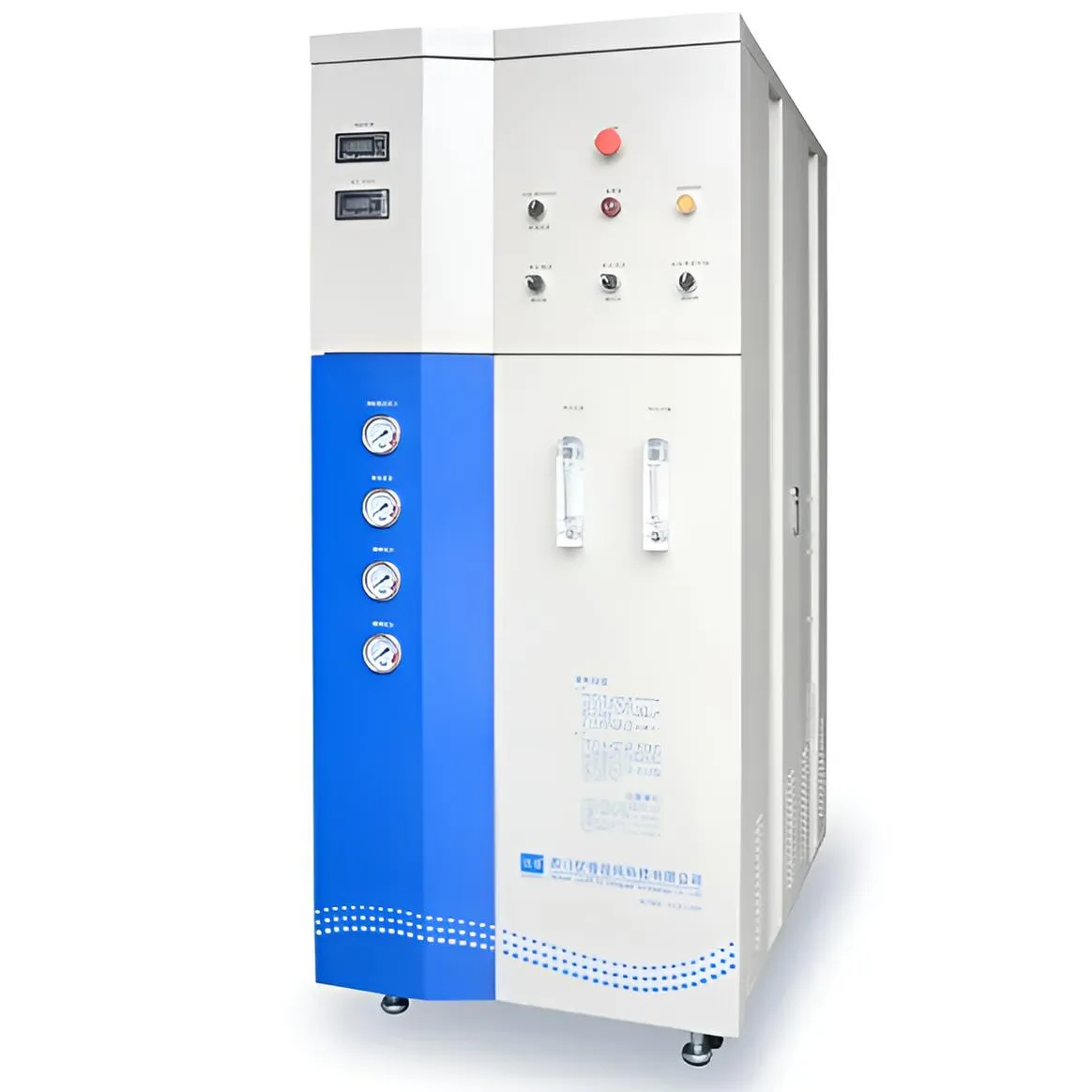
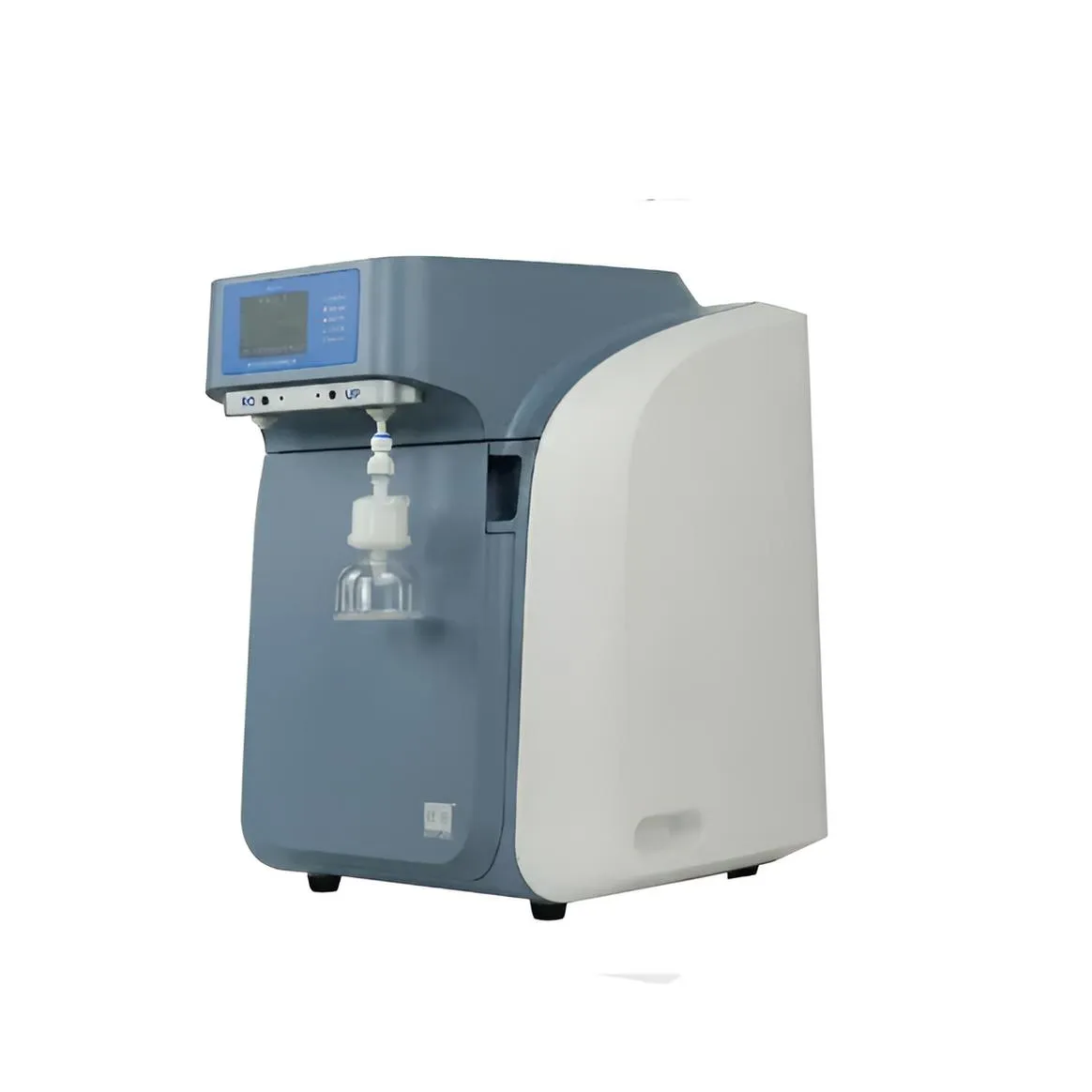
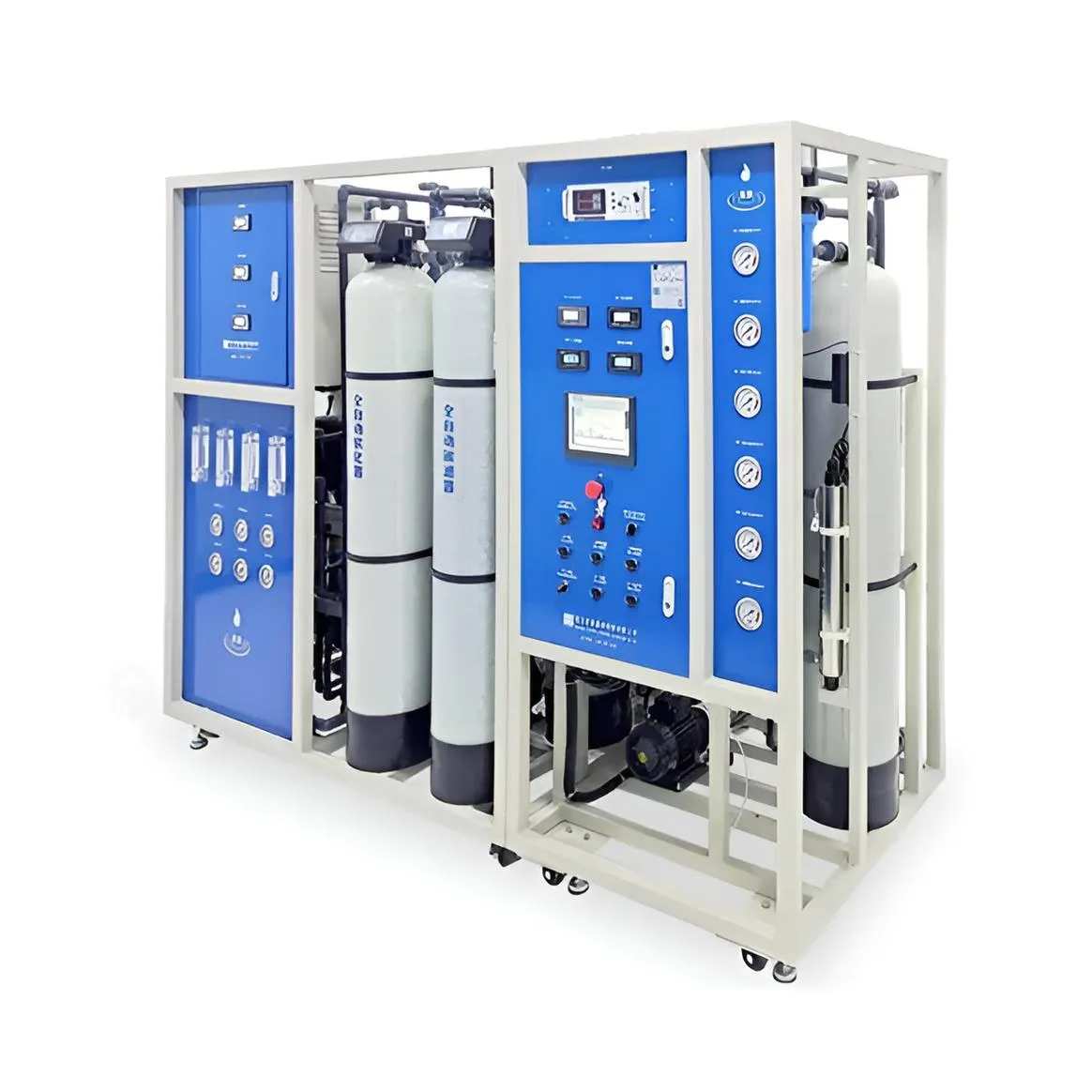
Reverse osmosis is one of the most effective water treatment methods currently available. It can effectively remove over 95% of salts (such as calcium, magnesium, and other hardness impurities), heavy metals, and chemical residues from water.
RO reverse osmosis water treatment technology is now ubiquitous, used in seawater desalination systems, electronic ultrapure water refining systems, biopharmaceuticals, dialysis, cosmetics manufacturing, beverages, bottled water, and even for general household filtration.





