



Phone:
0086 28 87573647
+86 19150187139
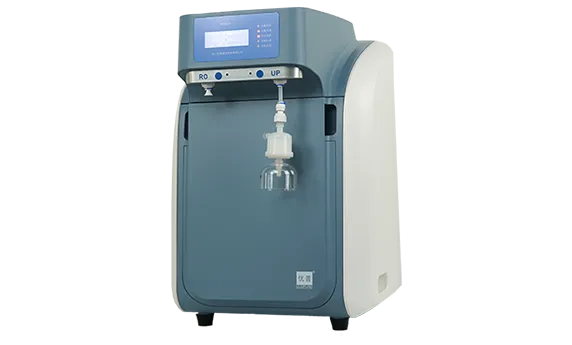
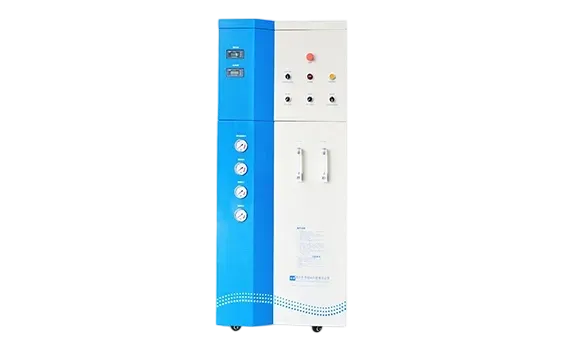
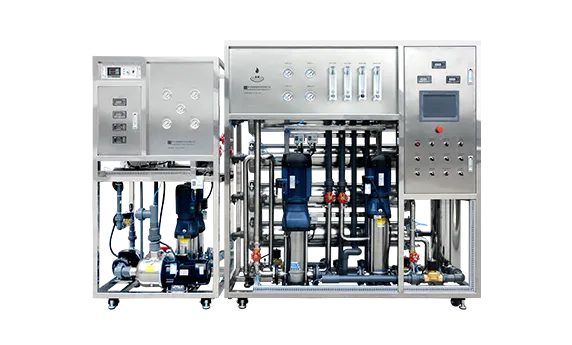
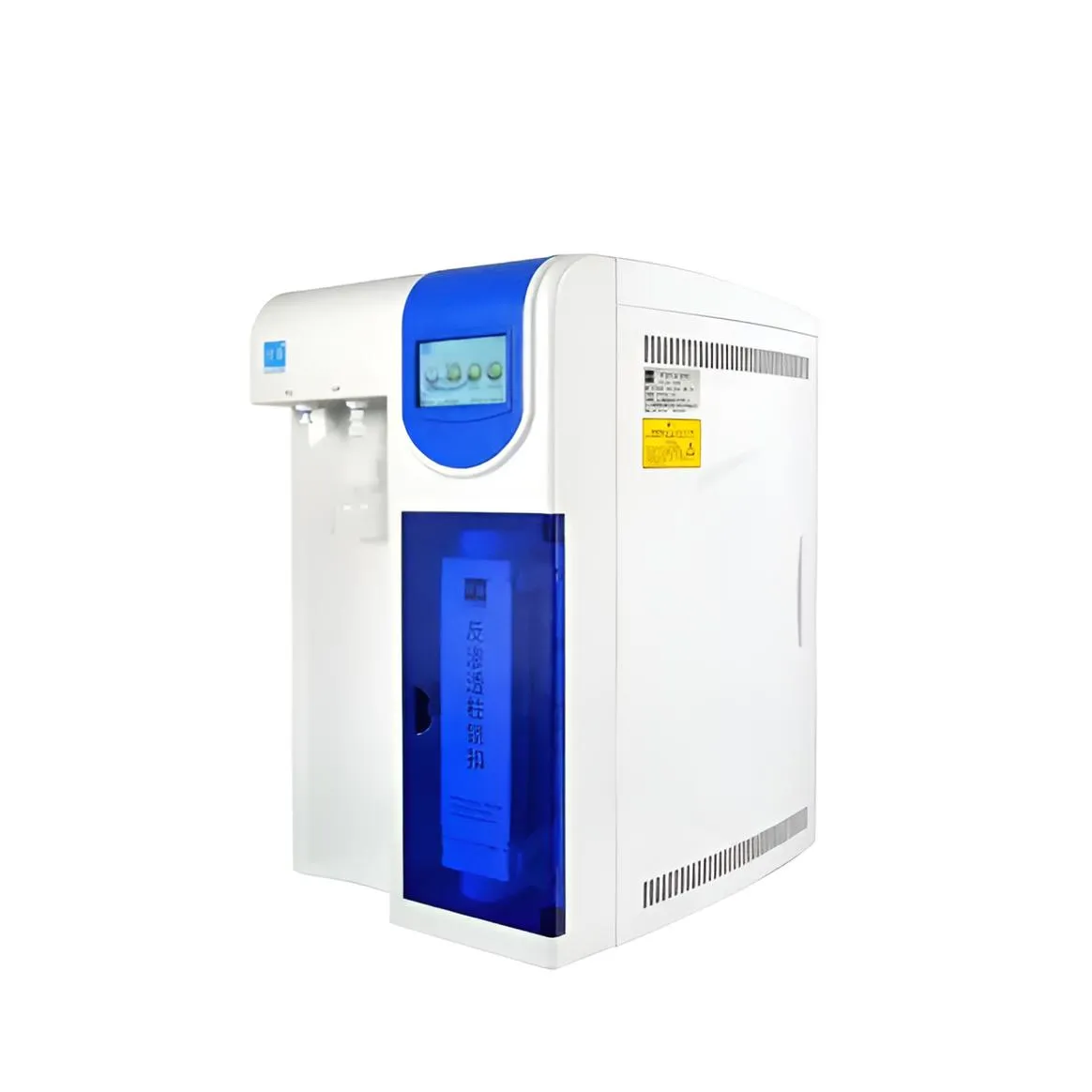
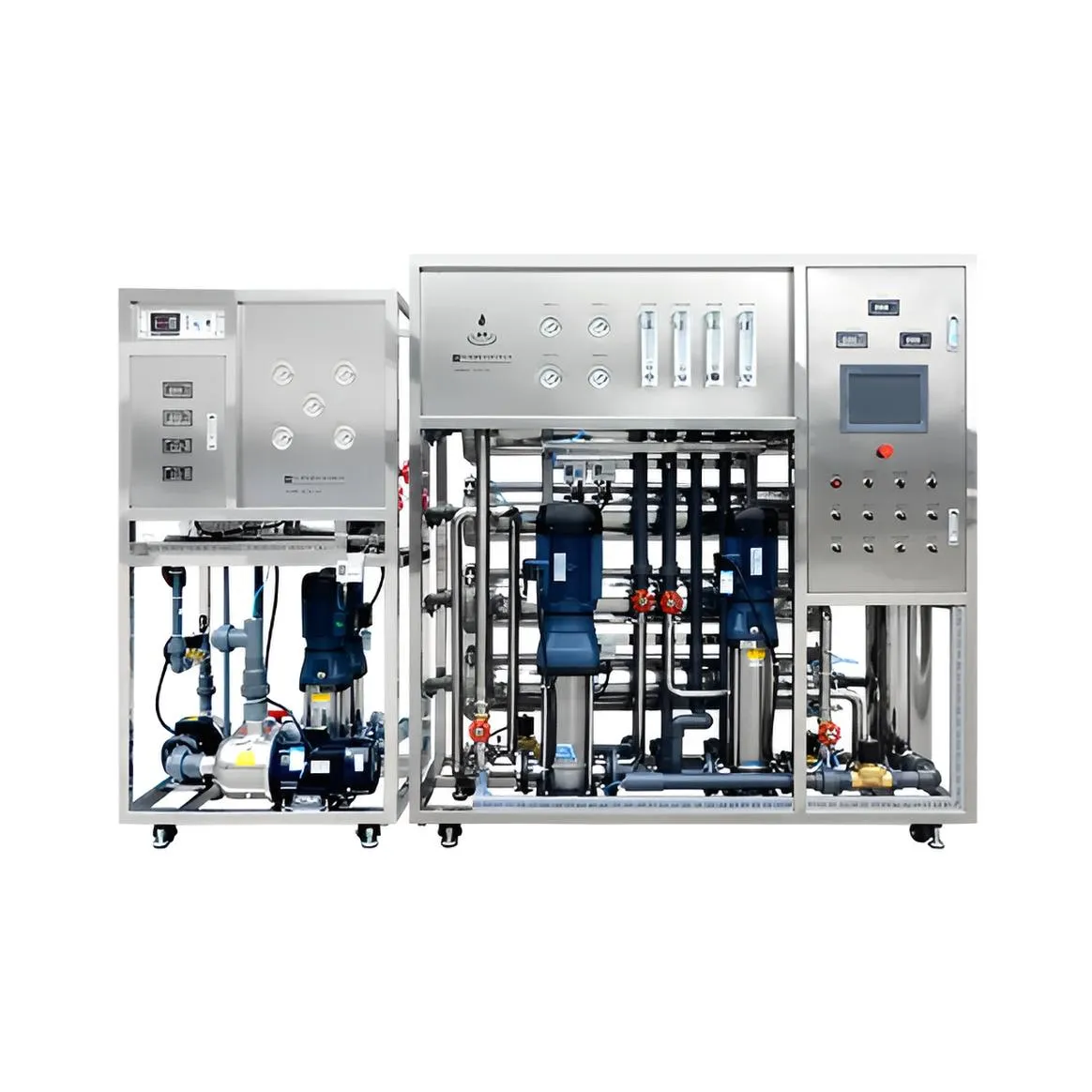
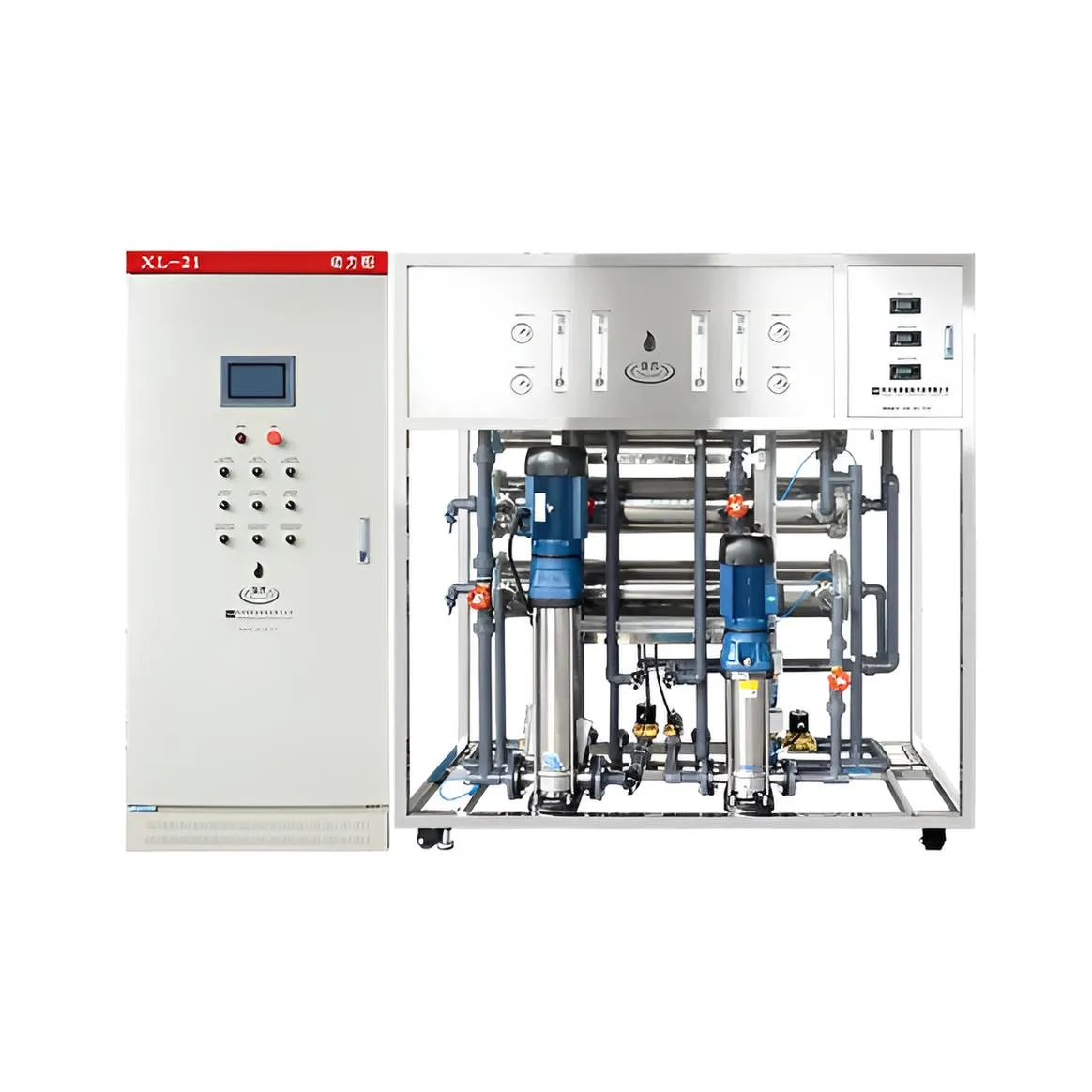
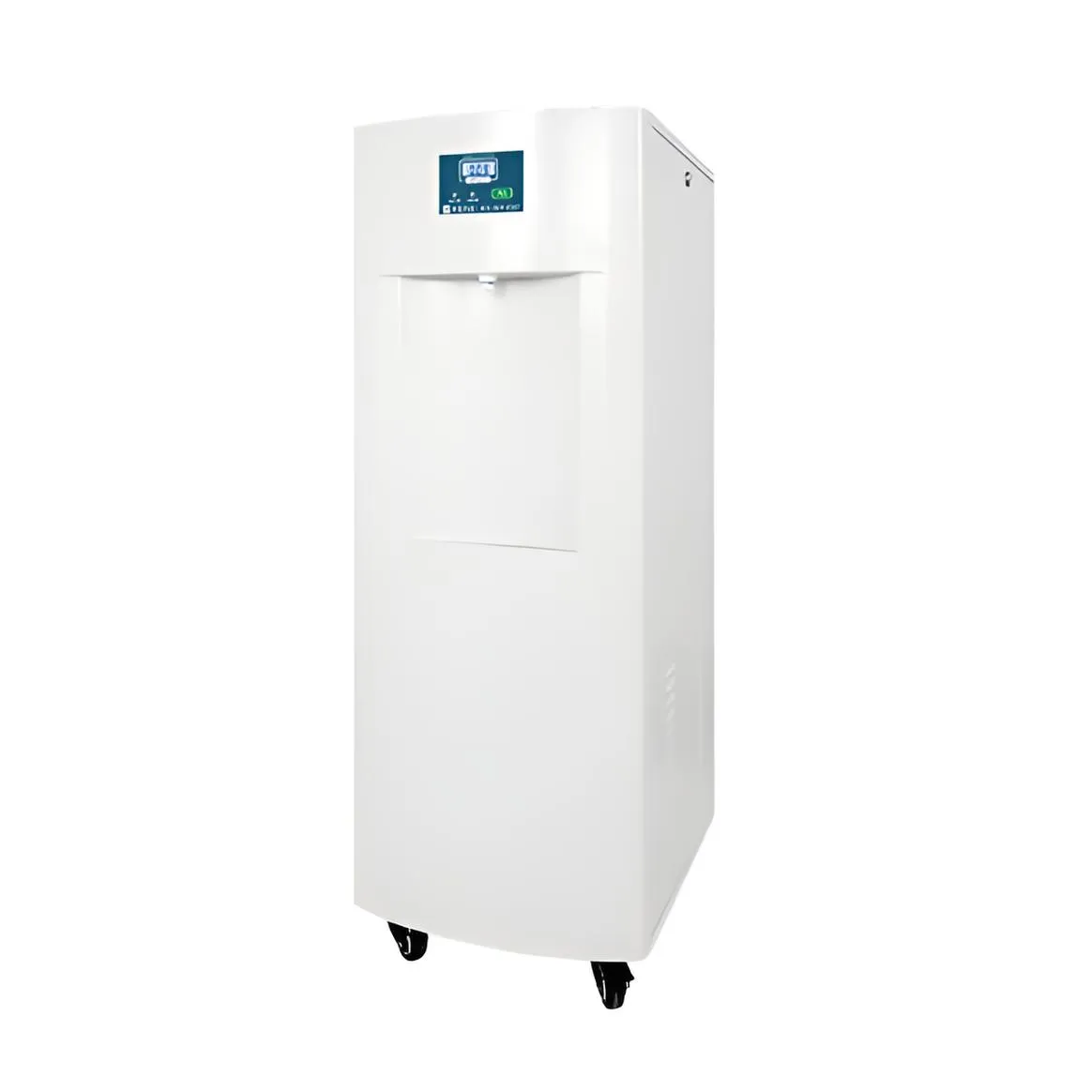
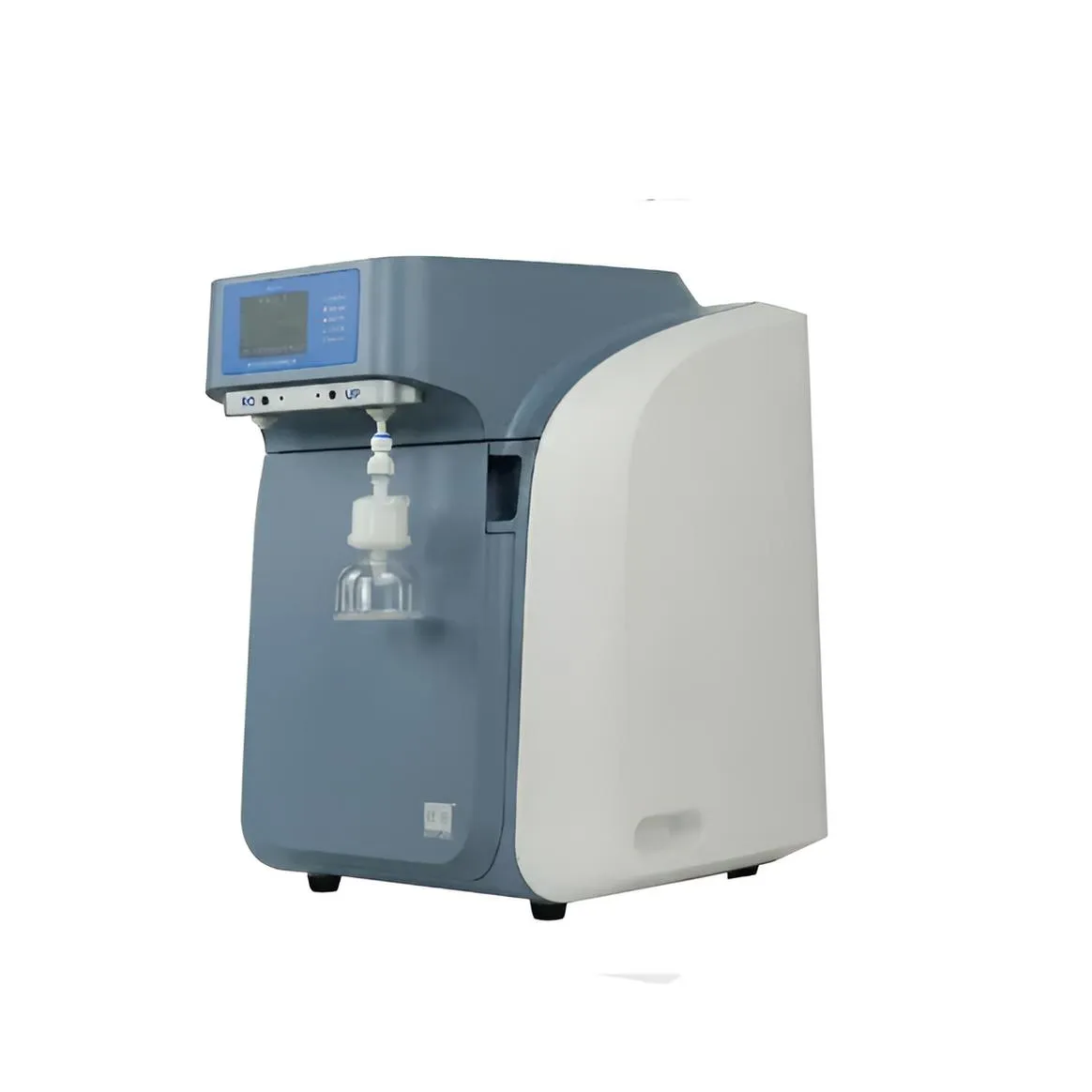
There are a wide variety of laboratory water purifier brands available, so which ones are the best? Laboratory water is essential in every stage of the laboratory process and directly determines the quality of the results. What are the standards for evaluating the quality of a laboratory water purifier? Different international organizations, such as ASTM, CLSI, and ISO, have different water quality standards, making it difficult to definitively classify laboratory water quality levels. Generally, we can choose different water quality levels based on the application of the experiment, and then select a laboratory water purifier that meets the specific water requirements. Therefore, when evaluating a laboratory water purifier, we typically need to consider the following factors:
A high-quality laboratory water purifier must include real-time online ion level monitoring (resistivity meter) and continuous online organic contamination monitoring (TOC meter). Traditional laboratory water purifiers only have a resistivity meter, which reflects water purity by monitoring the movement of ions between the cathode and anode in the liquid solution. The measurement results are related to ion concentration, charge number, and ion mobility, making it a good parameter for indicating water purity. The theoretical resistivity of ultrapure water at 25°C is 18.2 MΩ·cm.
However, using only the resistivity reading of 18.2 MΩ·cm (25°C) as an indicator of ultrapure water is far from sufficient. Many organic molecules do not exist in ionic form and therefore do not affect the resistivity measurement. The result is that even with a good resistivity reading, organic contamination may still exist in the water. Similarly, detecting TOC only indicates the amount of organic matter in the water, not the concentration of anions and cations. Therefore, both must be considered together; selecting a pure water system equipped with both resistivity and TOC detectors is essential to ensure higher quality ultrapure water.
Microbial contamination is an often overlooked problem. Once it occurs, it quickly spreads throughout the pure water system and gradually forms a biofilm, which is difficult to remove. Microorganisms continuously release organic matter and ions into the water. Using such water can lead to ghost peaks in ion chromatography and high-performance liquid chromatography analyses. To prevent microbial contamination, we should choose a water tank with no dead volume, a circulating pipeline, a sterile overflow outlet, an air filter, and UV sterilization. This can significantly inhibit the growth and proliferation of microorganisms within the system.
Ultrapure water is ready to use immediately. This is because highly purified water has a higher affinity for chemicals and absorbs them more easily from storage containers (such as glassware and test tubes) and chemical vapors compared to ordinary water. Common laboratory items like polyethylene glass bottles and wash bottles can also release organic and inorganic substances into ultrapure water, contaminating it. Therefore, if experiments require ultrapure water, choose an ultrapure water system with multiple outlets. This allows for simultaneous satisfaction of different researchers' needs for various water qualities.
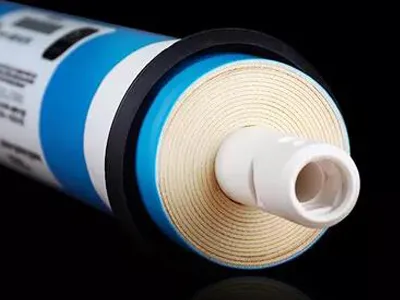
The ion exchange resins, activated carbon, and ultrafiltration membranes used in laboratory pure water systems have a limited lifespan. Many people believe that ion exchange resins can be continuously regenerated and recycled, but this is not the case. Expired or recycled resin can release high concentrations of contaminants into the water. Reusing recycled resin can also lead to resin particle breakage, releasing particles and organic matter into the water and accelerating microbial growth. Therefore, regular replacement of consumables is crucial and must be implemented effectively. The built-in warning function of the instrument is therefore very important; it can remind you to prepare to replace consumables before they run out and the water quality deteriorates significantly. Furthermore, when purchasing a laboratory pure water system, we should choose one where consumables can be easily and conveniently replaced. Even if an engineer cannot provide on-site service promptly, we will not have to worry about poor water quality delaying our experiments.
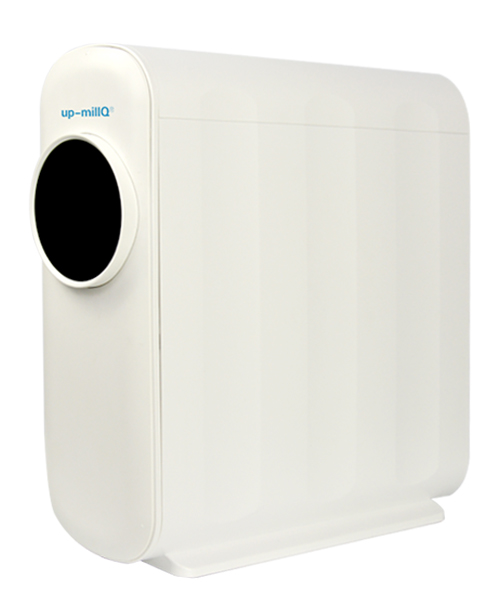
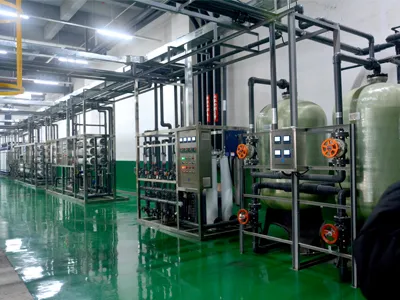
up-millq (ultra-pure) water purifier pre-treatment device