





Phone:
0086 28 87573647
+86 19150187139

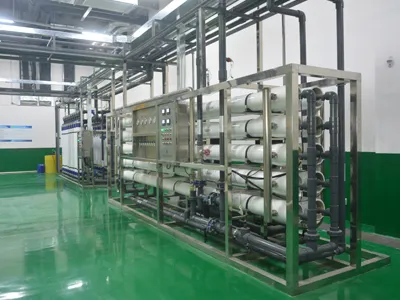
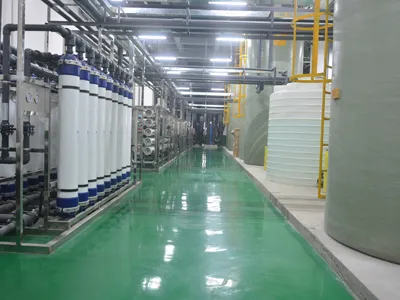
In our ultrapure water system, ultrafiltration is often used as a final treatment device. Ultrafiltration membranes are porous materials that remove impurities from water through physical retention. Therefore, ultrafiltration membranes need to be cleaned regularly to ensure optimal throughput and extend their lifespan. The cleaning method for ultrafiltration membranes is generally determined based on the membrane's properties and the properties of the feed solution. So, how are ultrafiltration membranes typically cleaned? Today, we'll introduce the cleaning method for ultrafiltration membranes in ultrapure water systems:
1. Prepare the cleaning solution and then input it at a low flow rate.
First, mix the cleaning solution once with a cleaning water pump. When preheating the cleaning solution, use a low flow rate. Then, replace the raw water in the element with the lowest possible cleaning solution pressure. The pressure only needs to be sufficient to compensate for the pressure loss from the feed water to the concentrate; that is, the pressure must be low enough not to produce significant permeate. Low-pressure replacement minimizes the re-deposition of fouling onto the membrane surface. Depending on the situation, some concentrate may be discharged to prevent dilution of the cleaning solution.
2. Circulation
After the feed water is replaced, cleaning solution should appear in the concentrate line. Circulate the cleaning solution back to the cleaning tank, ensuring a constant temperature.
3. Immersion
Stop the cleaning pump and allow the membrane elements to be completely immersed in the cleaning solution. Sometimes immersion for about one hour is sufficient, but for stubborn contaminants, the immersion time needs to be extended, such as 10-15 hours or overnight. To maintain the temperature during immersion, a very low circulation flow rate can be used.
4. High-Flow Pump Circulation
High flow rate effectively flushes away contaminants removed by the cleaning fluid. If contamination is severe, using a flow rate 50% higher than specified in Table 1 will aid cleaning. Under high flow rate conditions, excessive pressure drop may occur. The maximum permissible pressure drop for a single unit is 1 bar (15 psi), and for multi-element pressure vessels, it is 3.5 bar (50 psi), whichever comes first.
5. Flushing
Pretreated, qualified permeable water can be used to flush the cleaning fluid within the system unless corrosion is a concern (e.g., stagnant seawater will corrode stainless steel pipes). To prevent sedimentation, the minimum flushing temperature is 20°C. Note: During the acid washing process, the pH value of the cleaning solution should be monitored continuously. If the pH increases by more than 0.5 points while dissolving inorganic salt precipitates, acid should be added to the cleaning tank. The total circulation time of the acidic cleaning solution should not exceed 20 minutes. Exceeding this time may saturate the cleaning solution with the washed-off inorganic salts, causing contaminants to redeposit on the membrane surface. In this case, the first cleaning solution in the membrane system and cleaning system should be discharged using qualified pretreated permeate, and a fresh cleaning solution should be prepared for the second acidic cleaning operation. If the system must be shut down for more than 24 hours, the elements should be stored in a 1% (by weight) sodium bisulfite aqueous solution. Before cleaning the entire system, it is recommended to remove one membrane element from the system to be cleaned for a unit-by-unit cleaning effect evaluation test.
6. Cleaning Multi-Stage Systems
In the rinsing and soaking steps of multi-stage systems, all stages of the entire system can be cleaned simultaneously. However, for high-flow circulation, it must be done segmentally to ensure that the circulation flow rate is not too low for the first stage and not too high for the last. This can be achieved by using one pump to clean each stage separately, or by setting different cleaning pumps for each stage's flow requirements.
Timely cleaning of the ultrafiltration membrane is essential to maintaining its permeability and lifespan, while proper cleaning methods can save time and reduce damage to membrane elements during the cleaning process.





