



Phone:
0086 28 87573647
+86 19150187139

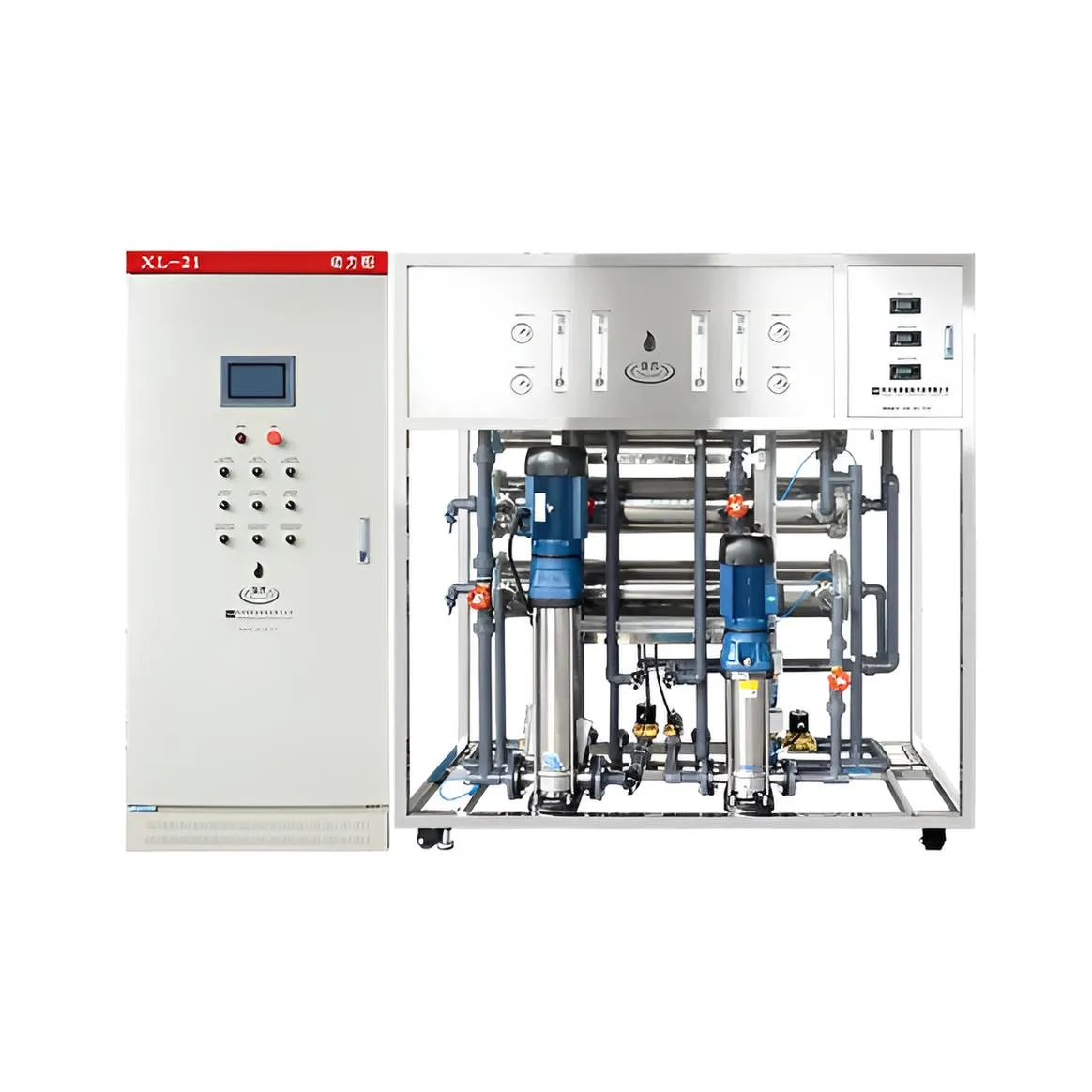
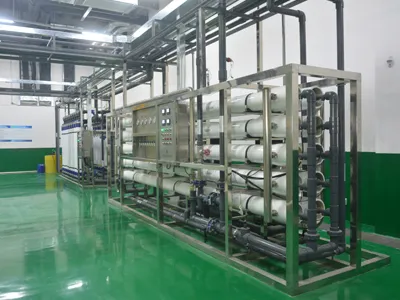
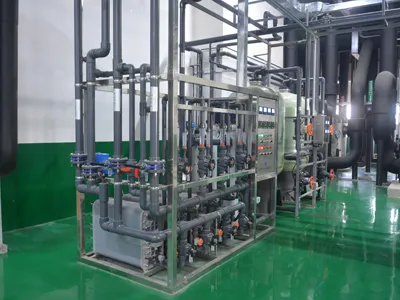
We use ultrapure water systems to determine the quality of the produced water by its resistivity. The resistivity is closely related to the physical properties and chemical reactions of the measured medium, temperature, purity, and flow rate. Many people don't understand how resistivity is calculated. Below, we'll explain how the resistivity of ultrapure water is calculated.
The resistivity of water refers to the resistance between opposite sides of a 25px cube at a given temperature, measured in Ω·m or MΩ·m. Conductivity is the reciprocal of resistivity, measured in S/cm (or μS/cm). The resistivity (or conductivity) of water reflects the amount of salt in the water. It is an important indicator of water purity; higher water purity and lower salt content result in higher resistivity (lower conductivity).
The resistivity (or conductivity) of water is affected by water purity, temperature, and various factors during measurement. The measurement of the resistivity (or conductivity) of pure water uses a dynamic measurement method, employing temperature compensation to convert the measured value into resistivity at 25℃ for easy measurement and comparison.
When measuring resistivity or conductivity, connect the conductivity electrode or measuring device to the water purification system. Flow water through the pipe to expel air bubbles from the measuring device and conductivity cell. Adjust the water flow rate (generally not less than 0.3 m/s), and install a thermometer at the conductivity cell outlet. Operate the conductivity meter according to the instrument manual (preheating, zeroing, calibration, and measurement). After the instrument reading stabilizes, record the water temperature and conductivity values. Online measurements should use a conductivity meter with thermometer compensation, which can directly read the conductivity value at 25℃. The reciprocal of conductivity is the resistivity value.
That concludes the introduction on how to calculate the resistivity of water produced by an ultrapure water system. We hope this information is helpful. Resistivity is a standard for measuring the quality of produced water, so the resistivity of the produced water should be measured frequently to see if it meets the usage standards. If the resistivity decreases, it is necessary to promptly investigate whether there is a problem with the ultrapure water system.