








Phone:
0086 28 87573647
+86 19150187139

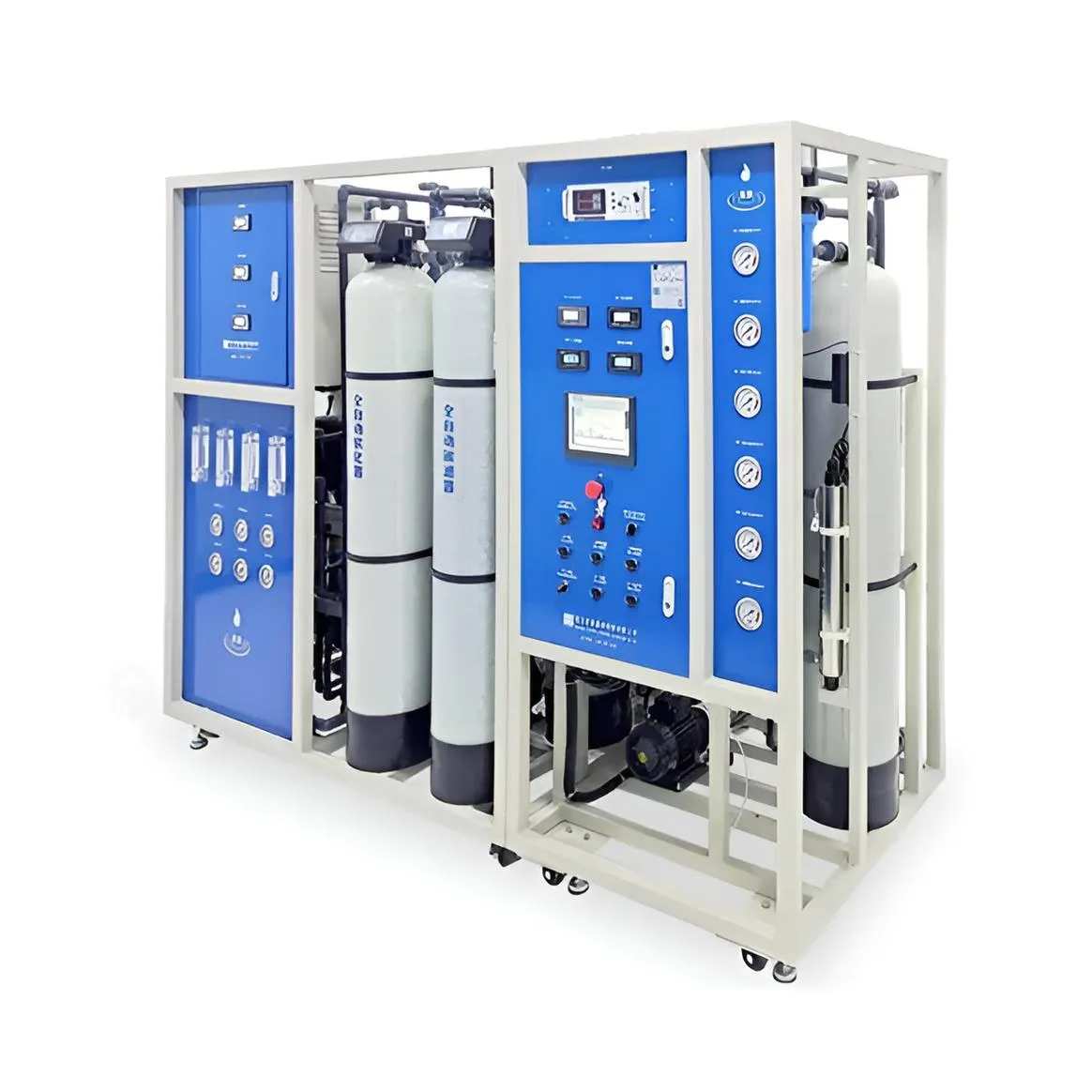
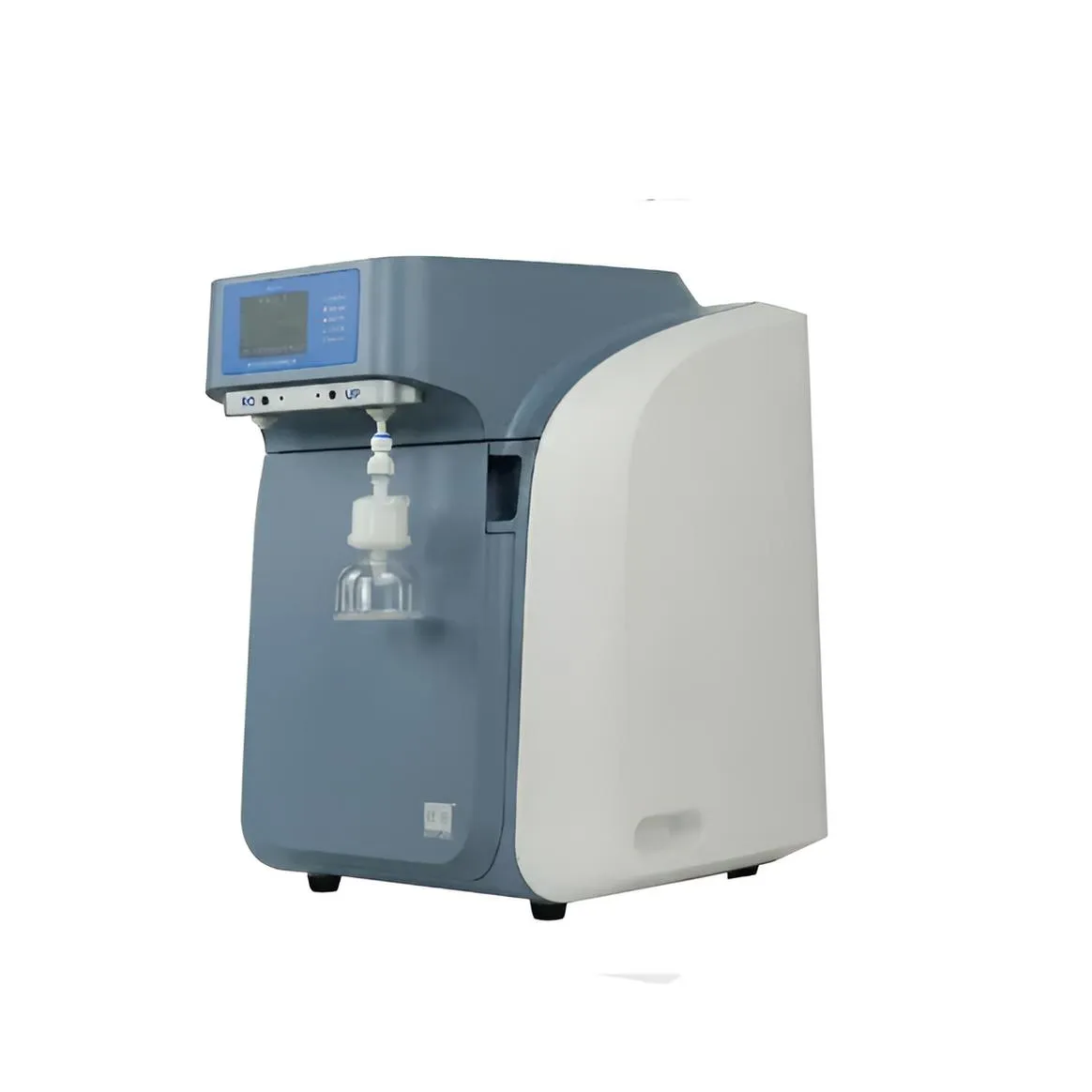
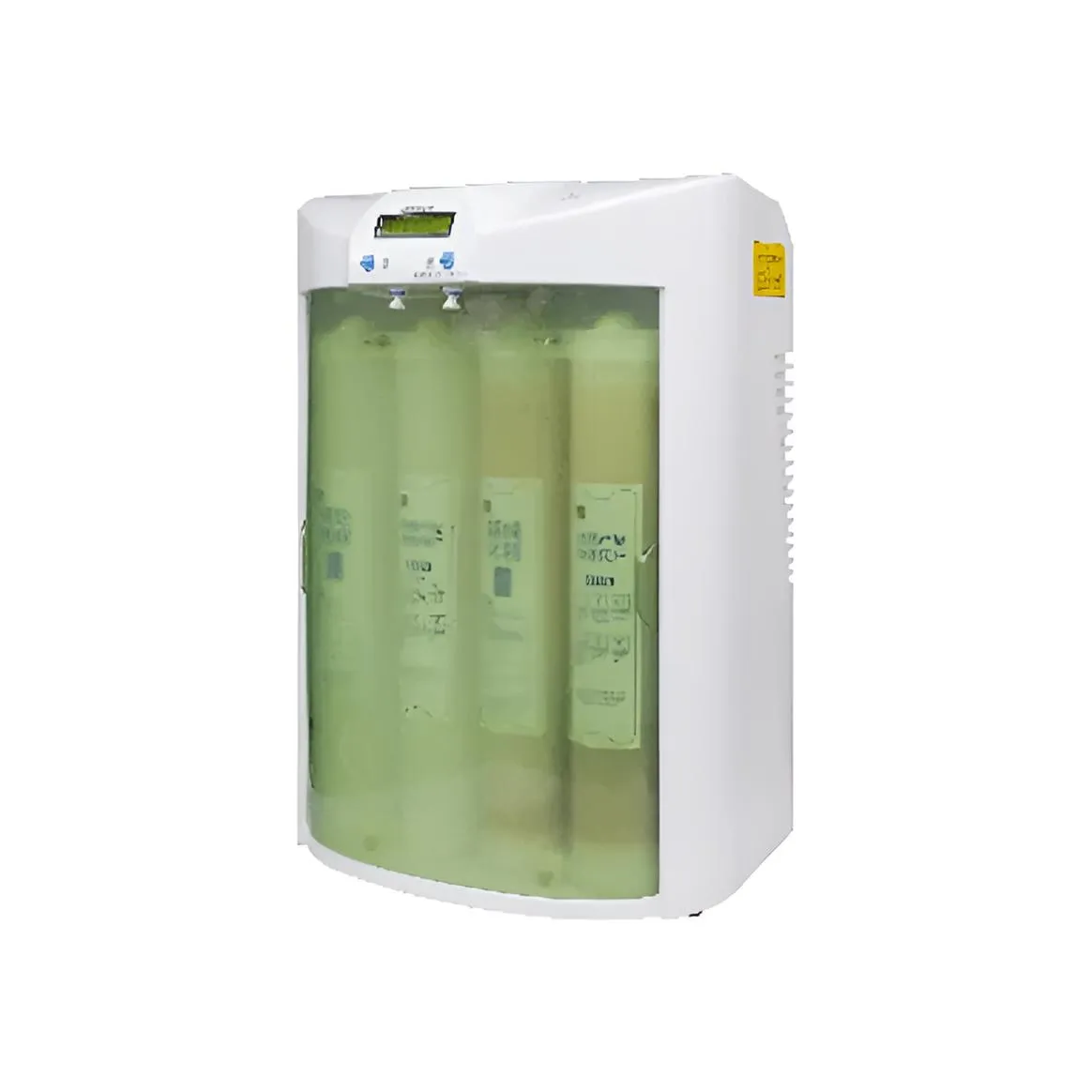
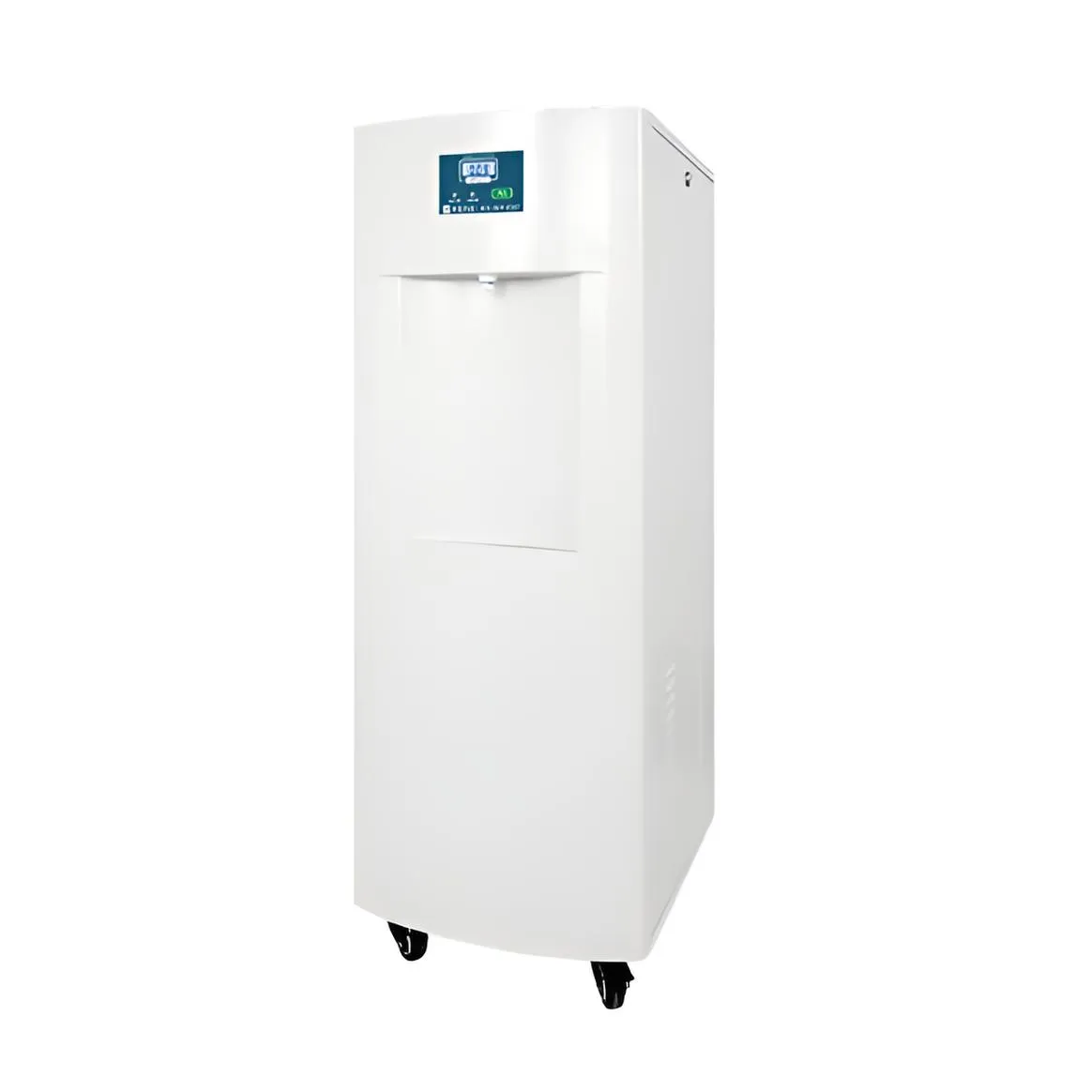
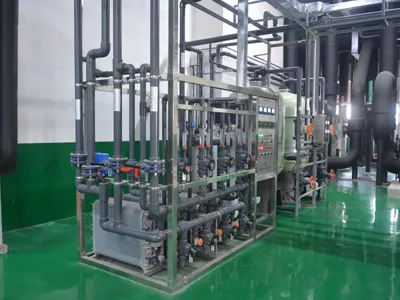
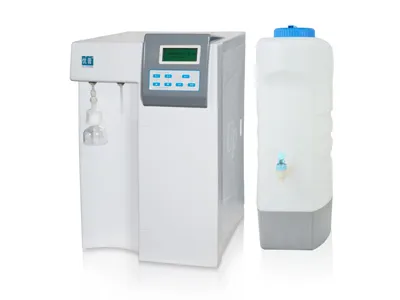
As we all know, tap water contains various impurities that water treatment plants cannot purify. Ultrapure water systems can effectively separate these impurities from tap water, thus obtaining the desired ultrapure water. So, what impurities can an ultrapure water system remove from tap water?
1. Colloids: Particles with a diameter between 10⁻⁸ and 10⁻⁴ mm are generally called colloids. Colloids mainly originate from the decomposition of aluminum, iron, silicon, and organic matter from plants and animals, and are visible to the naked eye under light. Colloids are aggregates of molecules and ions. Lake water generally has the highest content of humic substances, therefore, such water often appears brown or yellowish-green. Furthermore, colloidal particles do not settle on their own; chemicals need to be added to the water to disrupt their stability before they may settle. Alternatively, colloids can be removed from the water using an ultrapure water system.
2. Dissolved substances: Particles with a diameter less than 10⁻⁶ mm are called dissolved substances. These dissolved substances generally exist in the water in the form of ions, molecules, or gases. They are transparent in the water and are generally invisible to the naked eye. Common dissolved gases in natural water include nitrogen, oxygen, carbon dioxide, and sulfur dioxide. These gases corrode metals and are therefore major contributors to metal corrosion in water systems. Additionally, ions such as copper, zinc, and aluminum ions are present, which can generally be treated using ion exchange equipment, water softening equipment, and ultrafiltration equipment.
3. Suspended solids: Particles larger than 10⁻⁴ mm in diameter are called suspended solids. Suspended solids in water include organic debris from animals and plants, silt, fibers, and some decaying matter. They are generally present as turbidity, visible to the naked eye, and will naturally settle when still, making them easy to filter.
Before using an ultrapure water system to produce the desired water quality, it is essential to understand the quality of the incoming water. This will avoid unnecessary problems. If the source water contains a high amount of colloids, dissolved substances, and suspended solids, a pretreatment device for the ultrapure water system is required to ensure stable operation.





