


Phone:
0086 28 87573647
+86 19150187139
In ultrapure water systems, the membrane system can be contaminated by pollutants. Once contaminated, it will affect the operation of the ultrapure water system. To minimize losses, it is crucial to detect contamination as early as possible. So, how can we detect whether the membrane system of an ultrapure water system is contaminated as early as possible?
Properly recording operating data and standardizing system performance are essential for early detection of system contamination. This includes correctly calibrating all instruments.
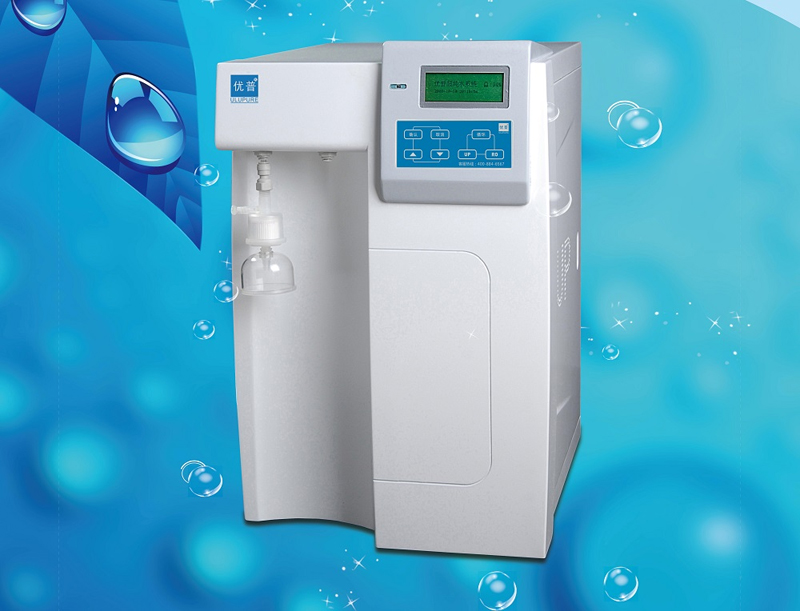
On-site inspection can also help determine if contamination has occurred by observing the following symptoms:
1. Decreased permeate flow rate under standard pressure, or the need to increase operating pressure to achieve the designed permeate flow rate;
2. Increased pressure difference between feed water and concentrate;
3. Increased weight of membrane elements;
4. Significant increase or decrease in membrane desalination rate;
5. Obvious color change on the membrane element end face, or the presence of crystals, sticky substances, or an unusual odor.
This concludes our introduction on how to detect contamination in the membrane system of an ultrapure water system as early as possible. We hope this information is helpful. During regular use, pay close attention to the equipment, conduct thorough inspections, and promptly identify and resolve any problems that may arise with the ultrapure water system.