






Phone:
0086 28 87573647
+86 19150187139

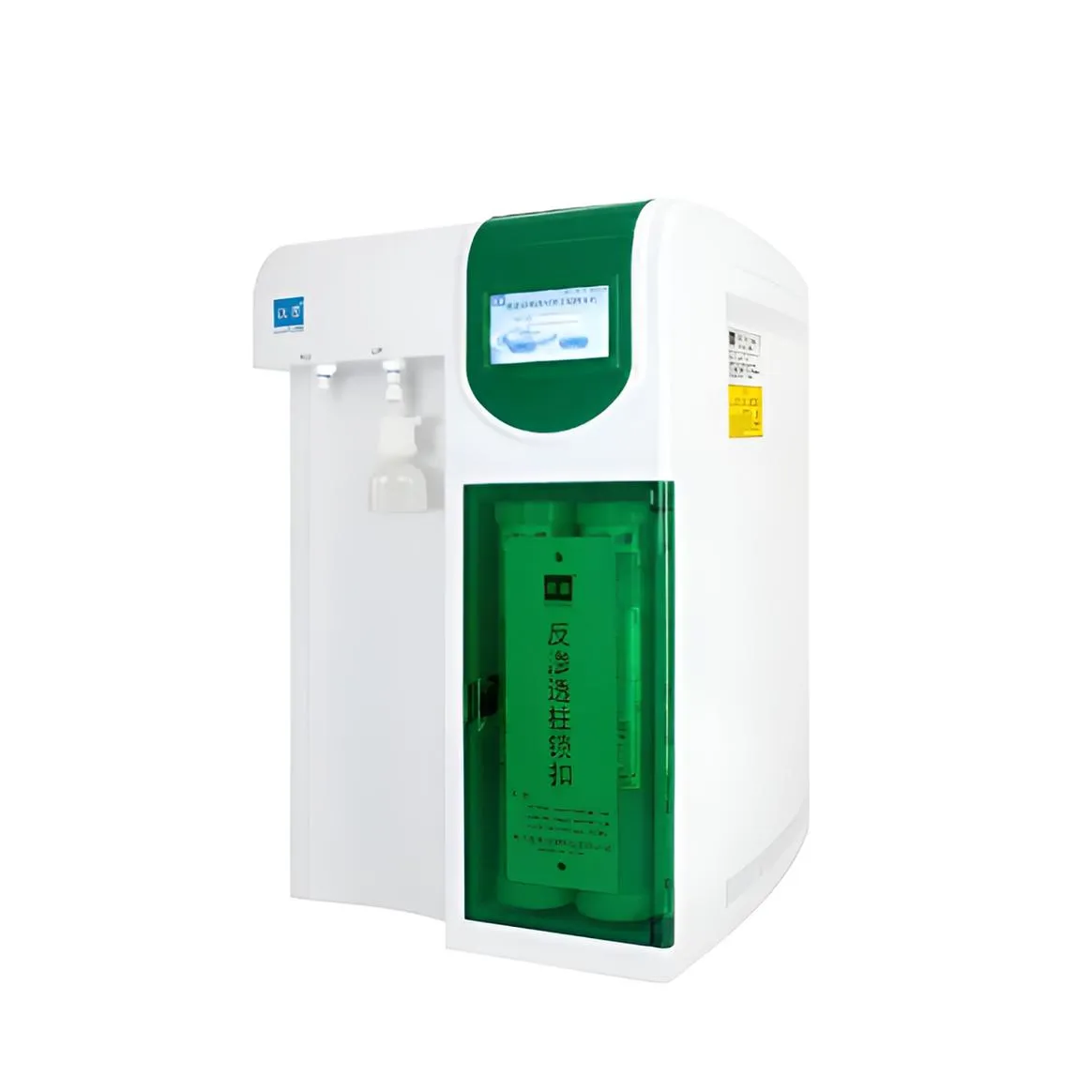
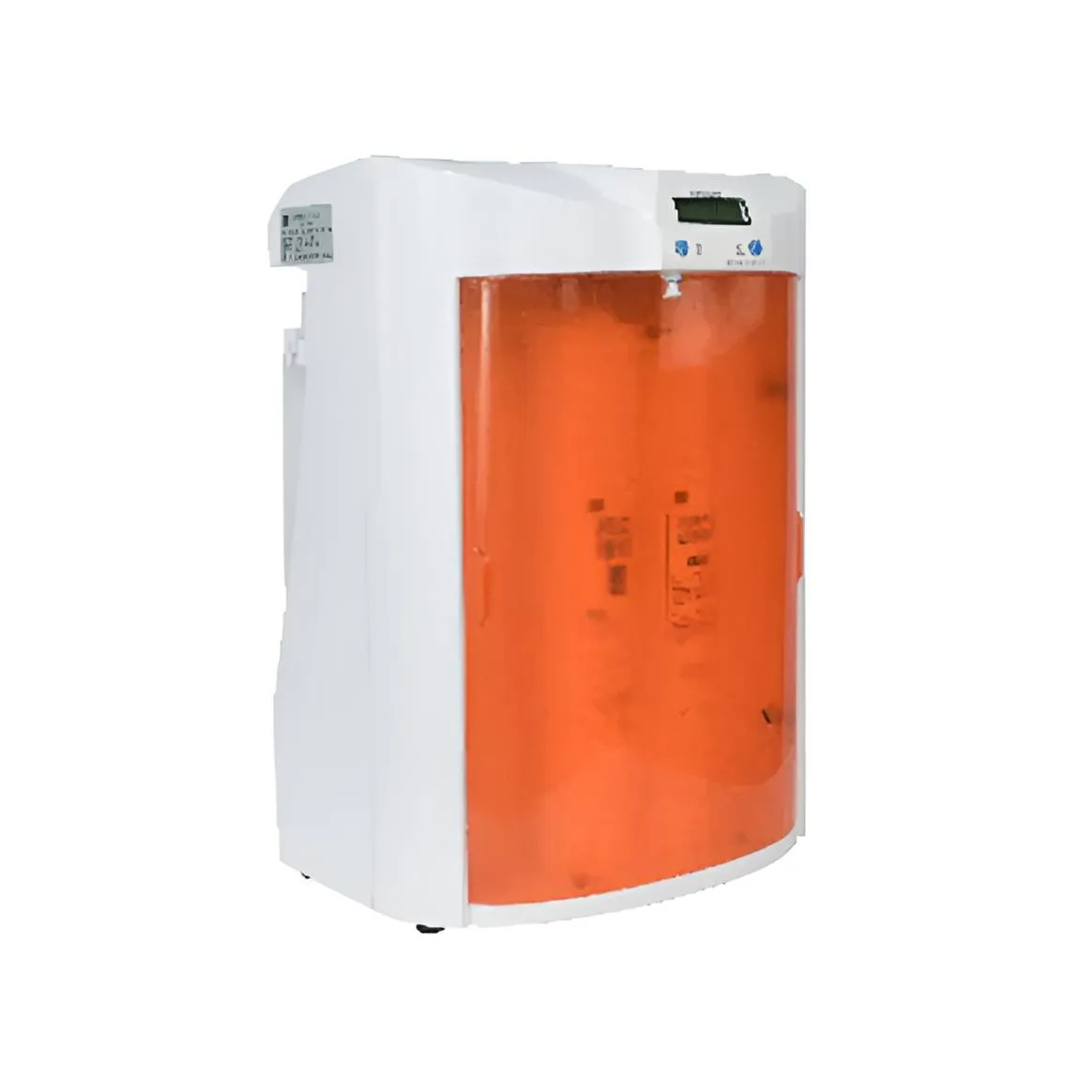
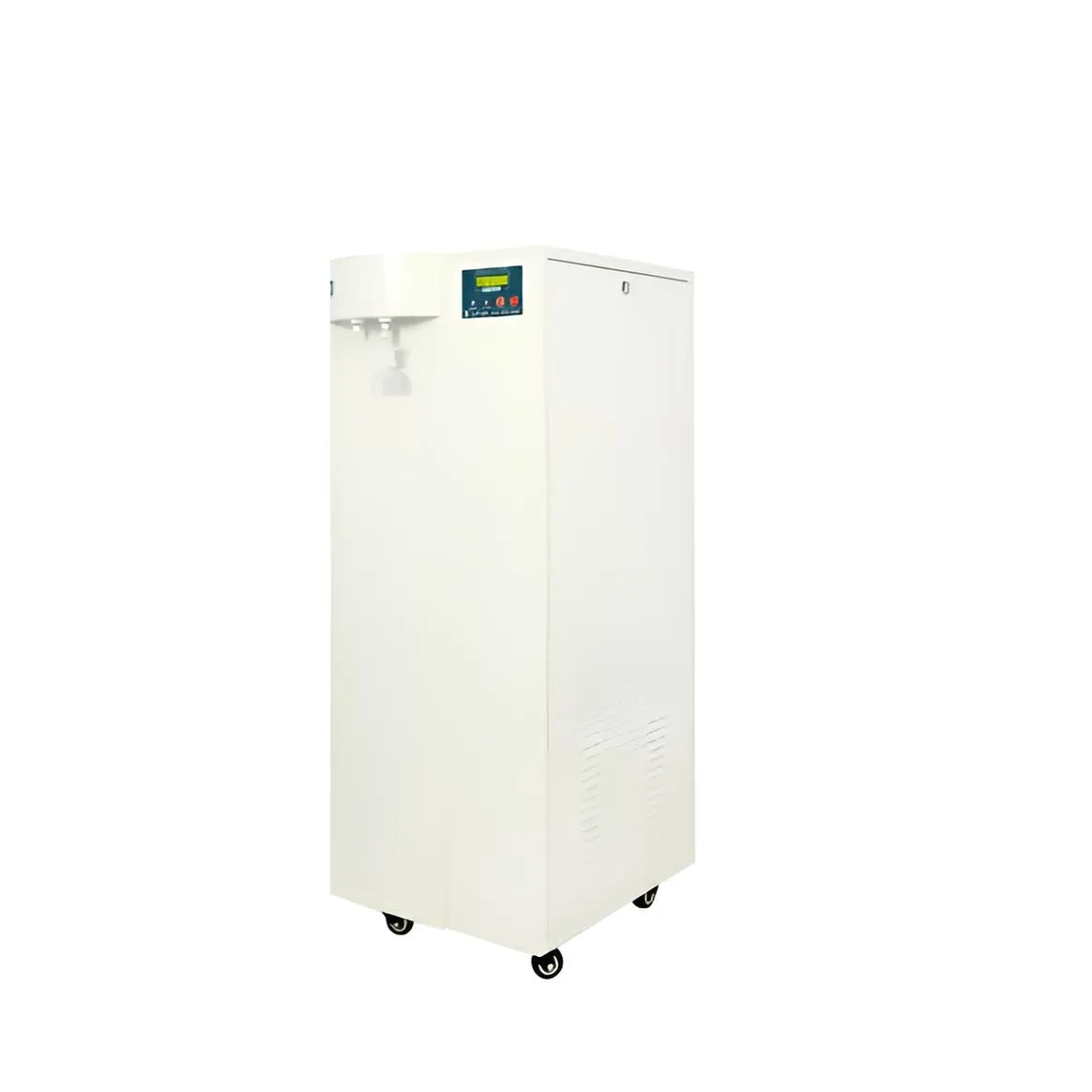
Industrial pure water equipment is highly automated, precisely designed, and compact. Proper maintenance and upkeep can prevent safety hazards. Below are the correct maintenance and upkeep methods for industrial pure water equipment.
1. The total inlet water flow of the reverse osmosis (RO) system is controlled by the RO inlet regulating valve. If the inlet water flow remains unchanged, do not tamper with the RO inlet regulating valve; it is strictly forbidden to fully open or close it. The RO concentrate discharge regulating valve is used to adjust the system recovery rate. If the recovery rate remains unchanged, do not tamper with the concentrate discharge regulating valve; it is absolutely forbidden to fully open or close it.
2. The mechanical filter of the industrial pure water equipment should be backwashed periodically. Backwashing involves compressed air friction. After successful backwashing, let it stand for about 10 minutes before forward washing. Only after the forward wash effluent meets the required standards can the equipment be put into use. Do not introduce air into the reverse osmosis membrane.
3. Operating parameters should be recorded hourly, including: Influent: pH value, conductivity, pressure, SDI, water temperature; Product water: conductivity, flow rate, pH value; Concentrate: flow rate, pressure, and influent pressure of each section.
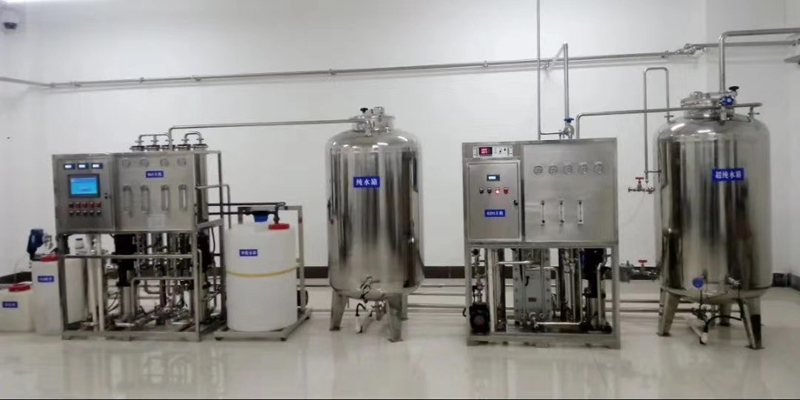
4. When the reverse osmosis unit experiences high or low pressure alarms, first check if the manual valve opening between the security filter and the high-pressure pump is too small. Then check if the RO inlet regulating valve and concentrate discharge valve are functioning properly. Finally, press the high/low pressure alarm reset button and restart the equipment.
5. Regularly inspect and promptly replace the precision filter cartridges to prevent particulate fouling of the reverse osmosis membrane caused by leaks due to installation or quality issues.
6. Operating pressure control should prioritize the lowest possible pressure value while meeting production and water quality requirements. This helps reduce membrane flux decay and decreases membrane replacement frequency.
7. The concentrate flow rate should be adjusted promptly to maintain a recovery rate of approximately 75%. The concentrate should not exceed the solubility product, leading to scaling, nor should water be wasted; thus, economical operation should be achieved.
8. Discharge control: Changes in water temperature, operating pressure, and other factors will affect the unit's production rate. Adjusting the discharge rate is crucial to prevent impacting the desalination rate.
9. The equipment must not be shut down for extended periods. It should operate for at least 2 hours daily. If a shutdown of more than 72 hours is planned, a chemical cleaning device should be used to fill the components with 1% sodium bisulfite and 18% glycerol for protection.
10. Compared to the initial commissioning state, if the permeate output of a standardized pure water reverse osmosis unit decreases by 10%, or if the salinity of the permeate increases significantly under specific conditions, or if the pressure differential increases by 15%, the reverse osmosis membrane should be cleaned promptly.





