



Phone:
0086 28 87573647
+86 19150187139

In the field of pure water equipment, although laboratory water purifiers and household water purifiers are both "water purification tools," they differ fundamentally due to different usage scenarios and needs. The differences mainly lie in four dimensions: core purpose, water quality standards, technical configuration, and usage scenarios, as detailed below:
The core goal of household water purifiers is to meet the "safe drinking water" needs of families. They only need to remove impurities, residual chlorine, heavy metals (such as lead and mercury), and microorganisms from tap water to produce direct drinking water that meets the "Standards for Drinking Water Quality," suitable for daily use such as drinking and cooking. The "purity" requirements for water are relatively basic.
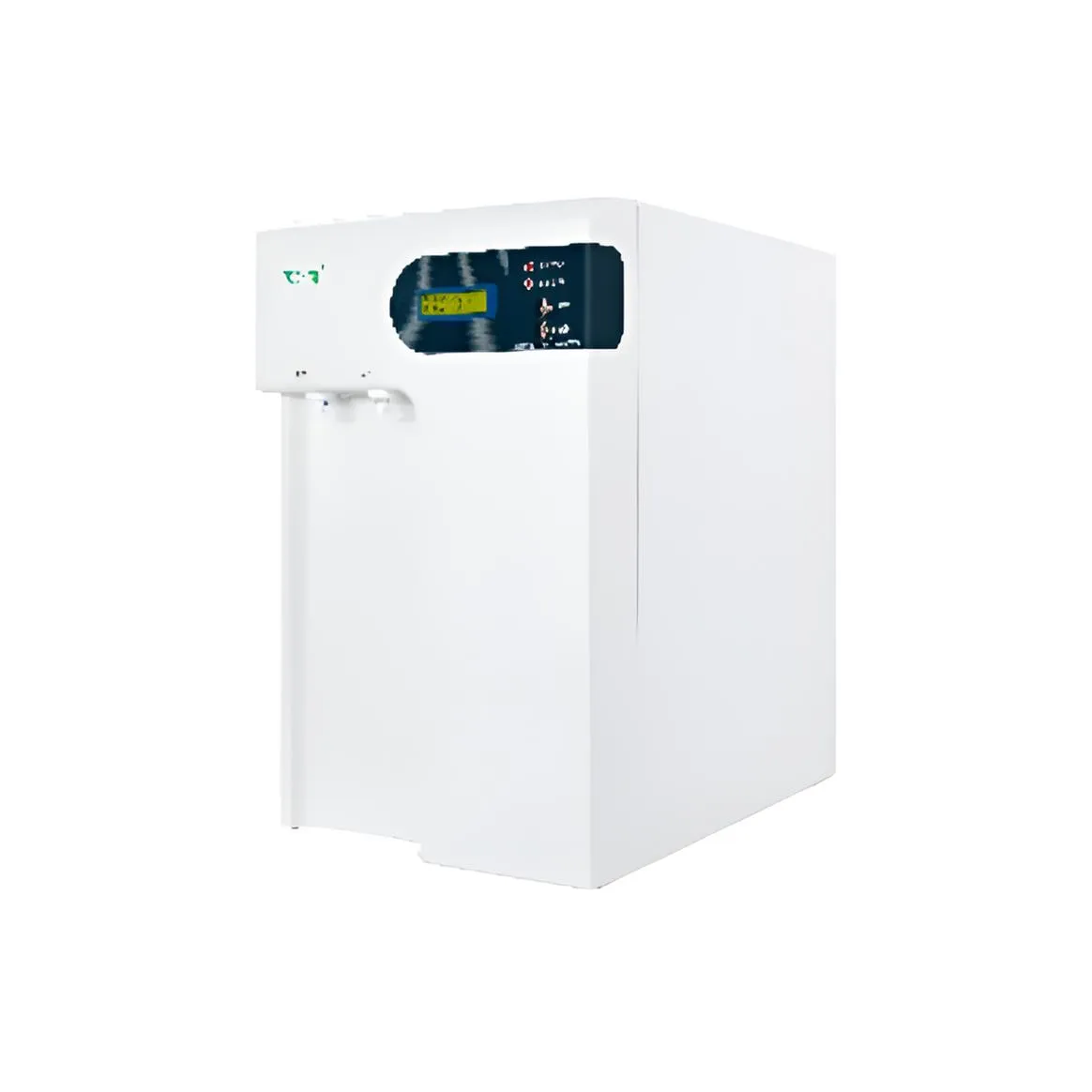
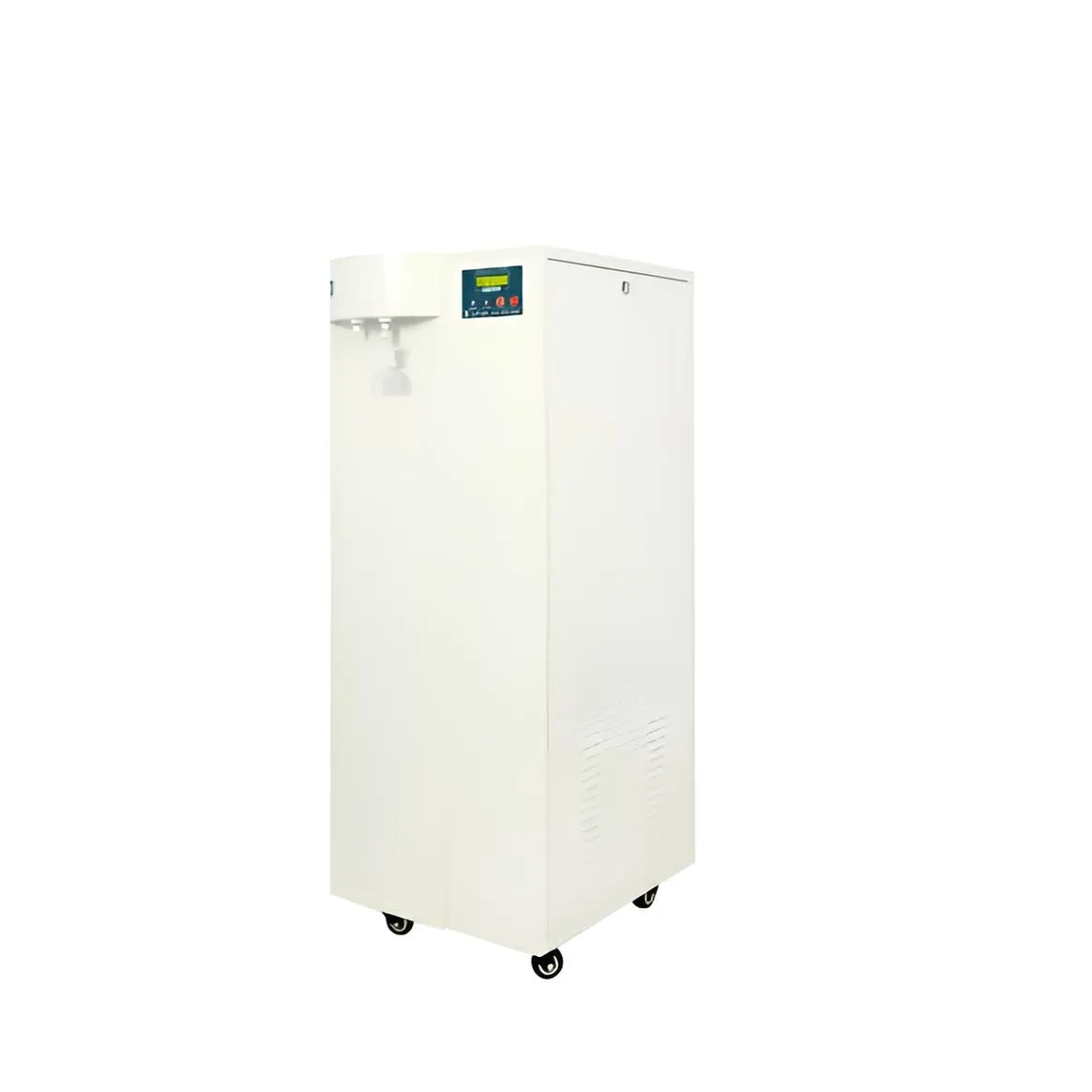
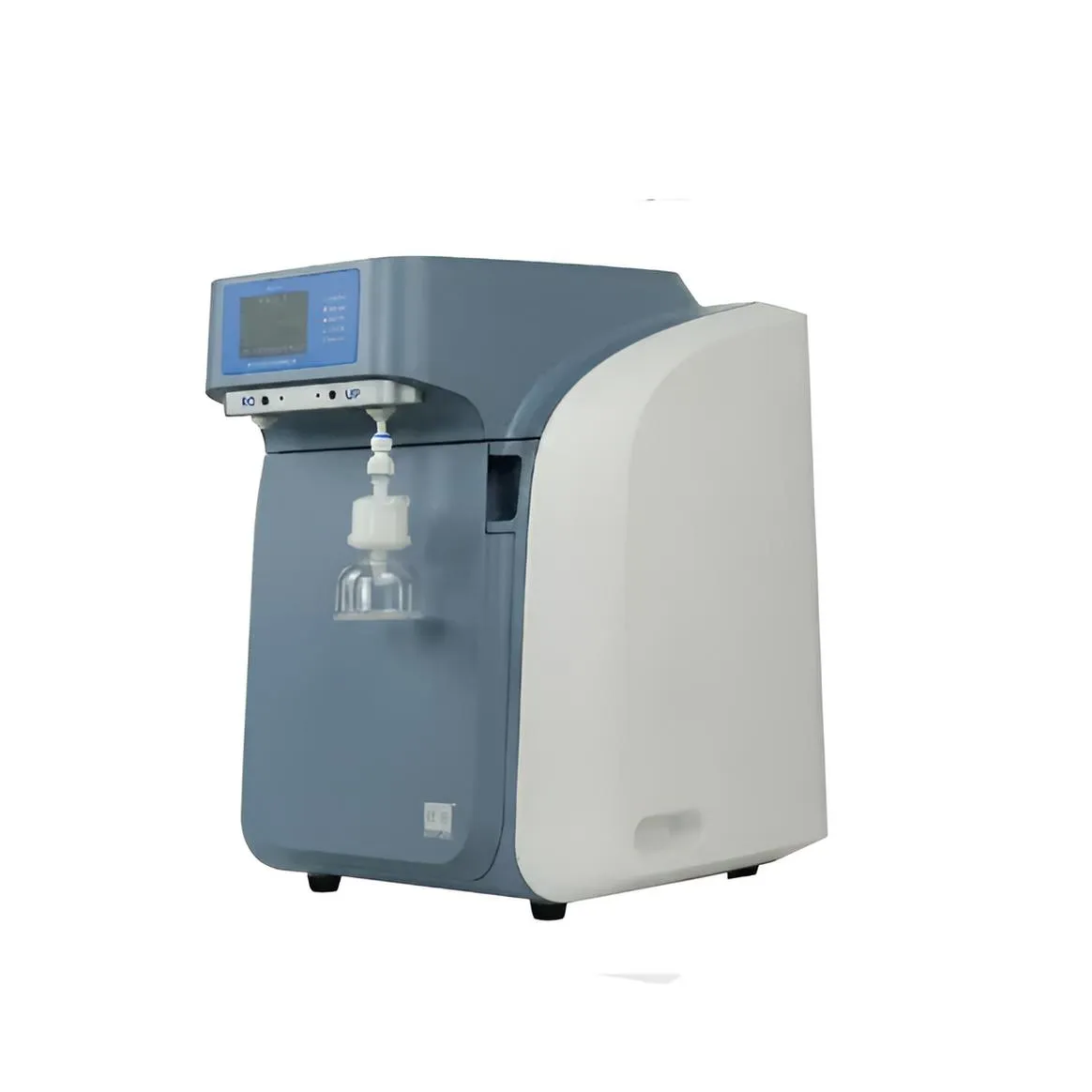
Laboratory water purifiers, on the other hand, serve professional scenarios such as scientific research and medical applications. They need to provide "undisturbed water quality" for experiments—for example, chemical analysis requires avoiding the influence of ions in the water on test results, and cell culture requires eliminating microbial contamination. Therefore, their core purpose is to ensure the accuracy of experimental data and the safety of the experimental process, and the requirements for water purity are far higher than those for household equipment.
Household water purifiers have uniform water quality standards, only requiring compliance with the national standard "Drinking Pure Water Hygiene Standard" (GB 17324-2003), which specifies a TDS (Total Dissolved Solids) ≤10mg/L and compliance with microbiological indicators. There are no further subdivisions.
Laboratory water purifiers, however, follow stricter professional standards (such as ISO and ASTM). Water quality is categorized into multiple grades: Basic "pure water" (resistivity 1-10MΩ・cm) is used for glassware cleaning; intermediate "ultrapure water" (resistivity ≥18.2MΩ・cm) is used for high-performance liquid chromatography and mass spectrometry analysis; and the highest grade, "high-purity water," requires the removal of organic matter and particles, and is used in precision fields such as semiconductor research and development. Different experimental needs correspond to different levels of water purity output.
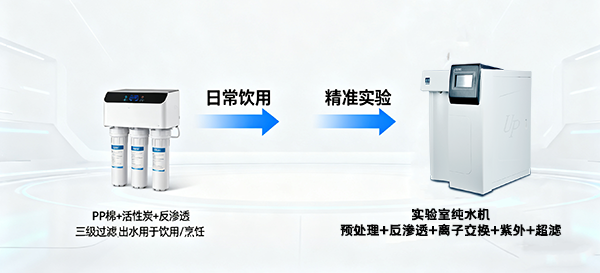
To meet high purity requirements, laboratory water purifiers have a more complex technical configuration: they typically employ multi-stage filtration including pretreatment, reverse osmosis, ion exchange, UV sterilization, and ultrafiltration. Some also include a TOC (Total Organic Carbon) removal module and a built-in water quality monitor that displays resistivity, TDS, and other data in real time to ensure stable water quality.
Home water purifiers prioritize cost-effectiveness, often using a three-stage filtration system of PP cotton, activated carbon, and reverse osmosis. They require no complex monitoring functions, offer convenient filter replacement, and meet the needs of daily household use, resulting in a simpler and more practical technical configuration.
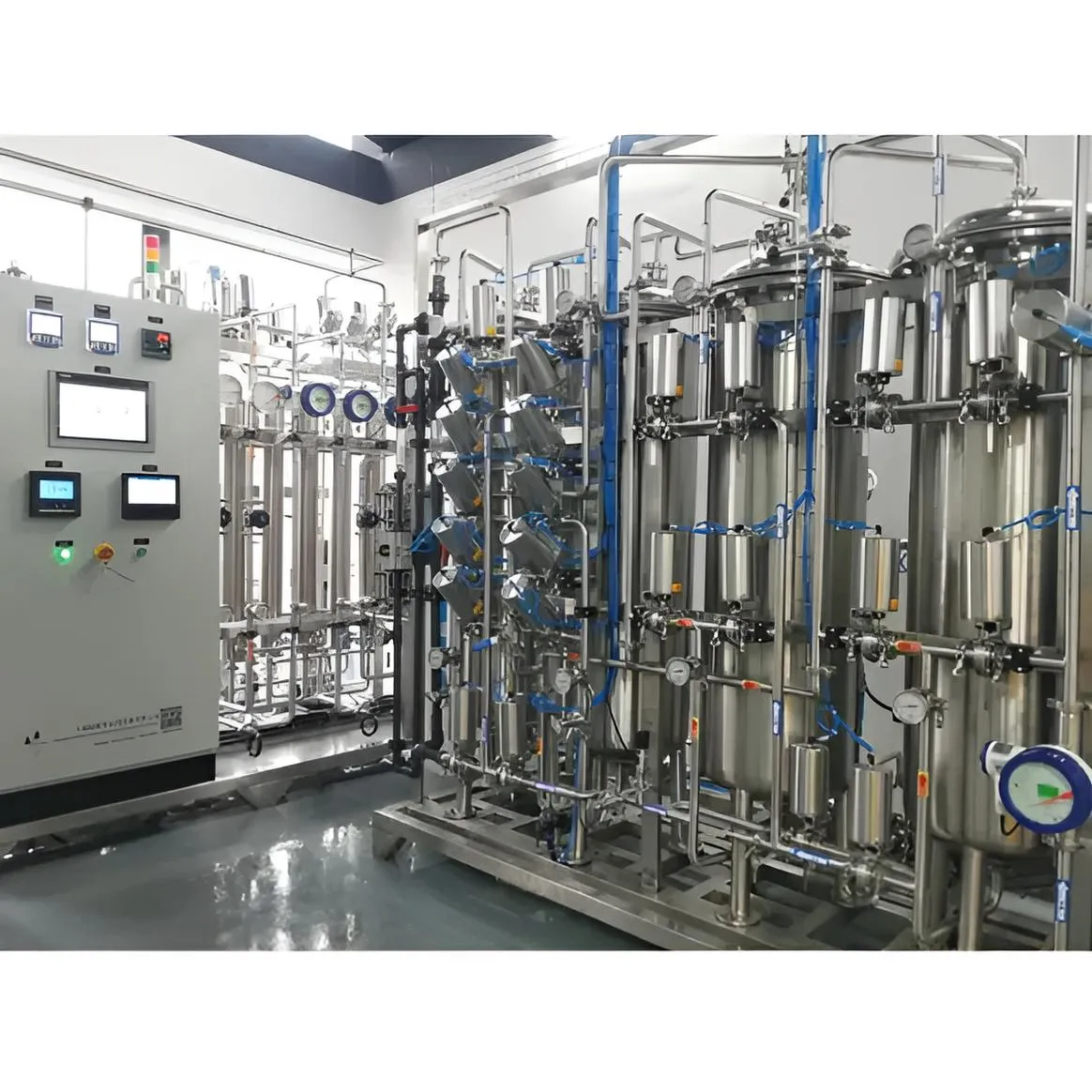
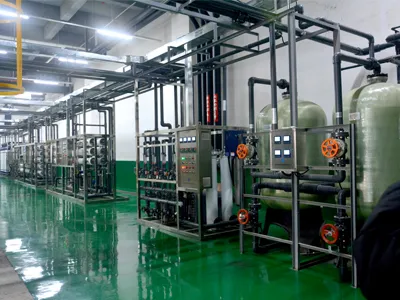
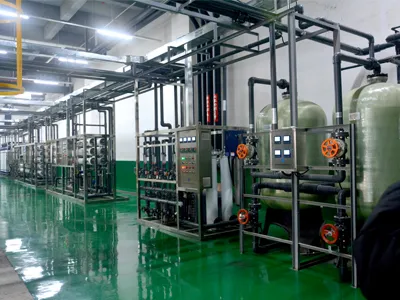
Home water purifiers are compact (usually wall-mounted or under-sink), suitable for home kitchens, living rooms, and other similar settings. They are easy to operate and require no professional maintenance. Laboratory water purifiers are primarily used in professional settings such as research labs, hospital laboratories, and electronics factories. Their hourly water production ranges from 5 liters to several tons. They require operation and maintenance, and regular calibration of water quality parameters to adapt to the harsh environments of experiments.
In summary, the difference between laboratory and household water purifiers essentially lies in the distinction between "professional needs" and "daily needs." Each serves a specific purpose and should not be confused with the other.