

Phone:
0086 28 87573647
+86 19150187139

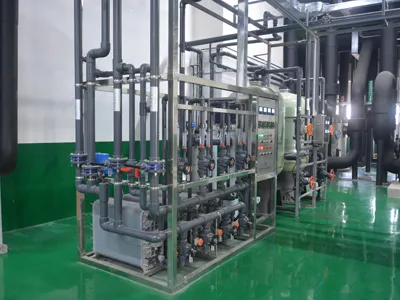
Mixed-bed ion exchange purification column: This column is composed of anion exchange resin and cation exchange resin mixed in a specific ratio. The cation exchange resin removes cations from the water using its H+ ions, while the anion exchange resin removes anions using its OH- ions. The exchanged H+ and OH- ions combine in the mixed-bed resin to form H2O. Therefore, the mixed-bed ion exchange purification column can be used for deep removal of trace ions remaining in RO purified water. Mixed-bed ion exchange purification columns in small-scale laboratory ultrapure water systems are typically for single use.
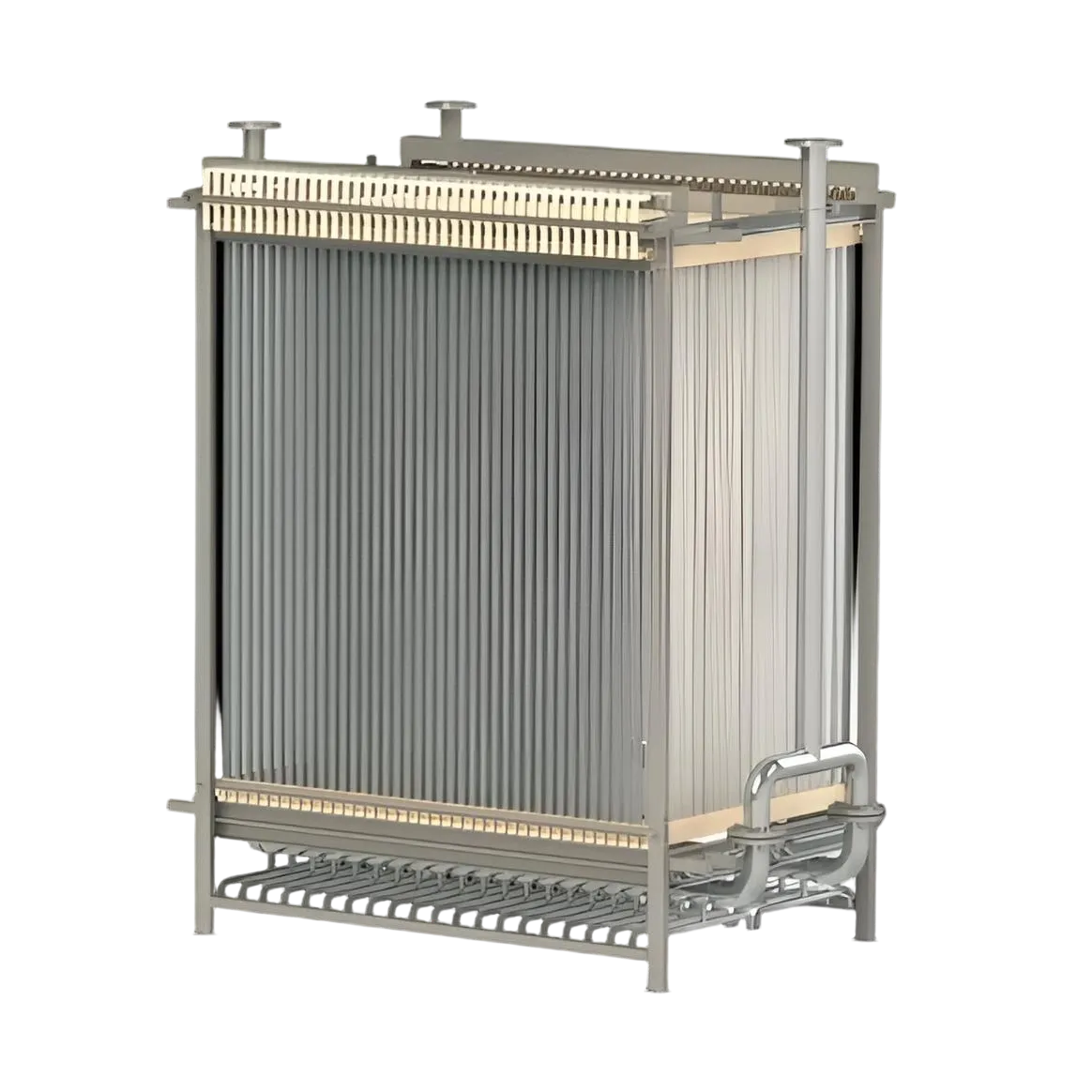
EDI device: Continuous electrodeionization (EDI) is a process that utilizes mixed-bed ion exchange resin to adsorb cations and anions from the feed water. Simultaneously, these adsorbed ions are continuously removed by passing through cation and anion exchange membranes under the influence of a DC voltage. This new technology can replace traditional ion exchange (DI) to produce ultrapure water with an Ω·cm or higher. The biggest advantage of EDI deep desalination is its long-term stable operation, eliminating the need for acid-base regeneration of cation and anion exchange resins. It is ideal for central ultrapure water preparation systems with a production capacity of 100L/h or higher, ensuring stable water quality and significantly reducing operating costs. TOC (Total Organic Carbon) is also lower and more stable.
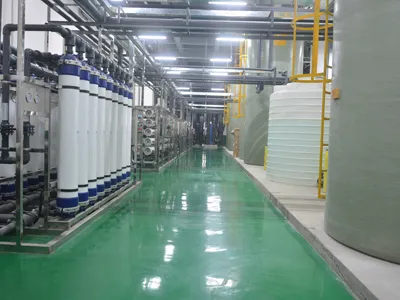
Pyrogen Removal Ultrafiltration Membranes: Ultrafiltration pyrogen removal is widely used in the modern pharmaceutical industry. Ultrafiltration (UF) membranes have pore sizes between reverse osmosis and microfiltration (approximately 0.01–0.1 μm), usually expressed as the minimum molecular weight cutoff.
Ultraviolet Germicidal Lamps and TOC UV Digesters: Ultraviolet germicidal lamps use 254nm wavelength ultraviolet light to effectively destroy the DNA molecules of microorganisms, causing them to form TT dimers and preventing reproduction. This is a commonly used and safe sterilization method for air and water. The TOC UV digester uses UV lamps that simultaneously generate 185nm/254nm dual-wavelength UV light. The 185nm UV light produces ozone in the air for sterilization and deodorization, and generates hydroxyl radicals in water, which rapidly oxidize trace organic matter in pure water into CO2, thus removing TOC.
Terminal Filter: The 0.22µm pore size terminal filter thoroughly removes bacteria, fungi and spores, resin fragments, and all micron-sized contaminants. Terminal filter types include hollow fiber, PP canister filters, capsule filters, and needle filters, with membrane materials such as polypropylene, nylon, and polyvinylidene fluoride.