







Phone:
0086 28 87573647
+86 19150187139

Purified water has become the daily drinking water for many people because of its "safety" and "cleanliness." However, some people often mistake purified water for "pure water," thinking that both refer to the cleanest water. Are they really the same? Let's take a look.
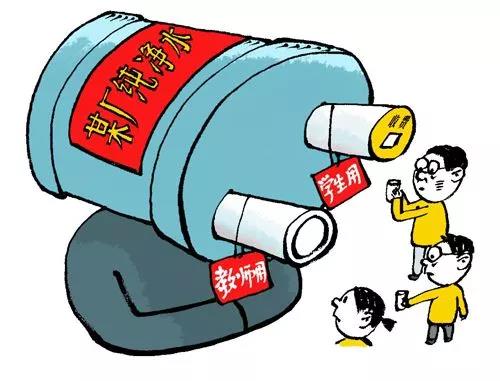
Pure water, also called high-purity water, refers to water with extremely high chemical purity. It is mainly used in biology, chemistry, metallurgy, aerospace, electric power and other fields. However, its demand for water purity is very high, so it is usually most widely used in the electronics industry. For example, pure water used in power systems requires impurity content as low as "micrograms/liter".
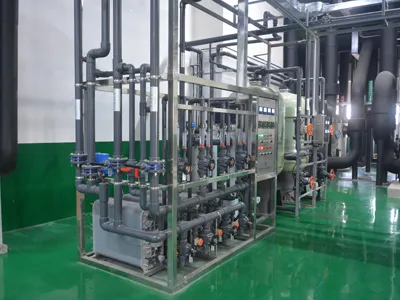
In the production process of high-purity water, anions and cations in the water can be removed by electrodialysis, reverse osmosis and ion exchange resin. Particles in water can usually be removed by ultrafiltration, membrane filtration, etc.; bacteria in water are currently removed by dosing or ultraviolet light irradiation or ozone sterilization; TOC in water is usually treated with activated carbon and reverse osmosis.
Dissolved gases in natural water include oxygen, carbon dioxide, sulfur dioxide and a small amount of methane, radon, chlorine, etc. In the production process of high-purity water, this gas must also be removed, which is water without oxygen. Therefore, these constitute one of the reasons why pure water cannot be used as drinking water.
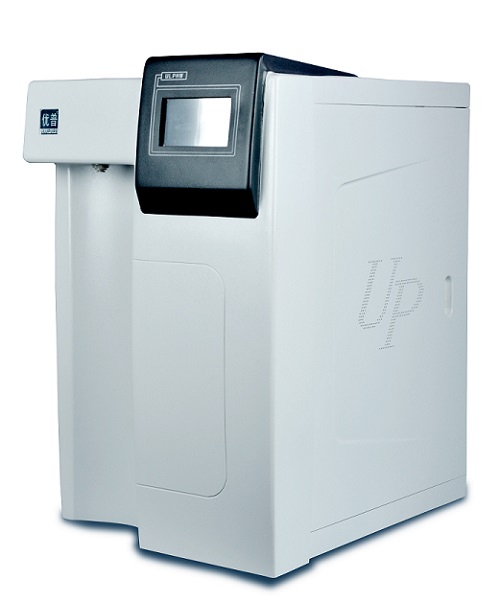
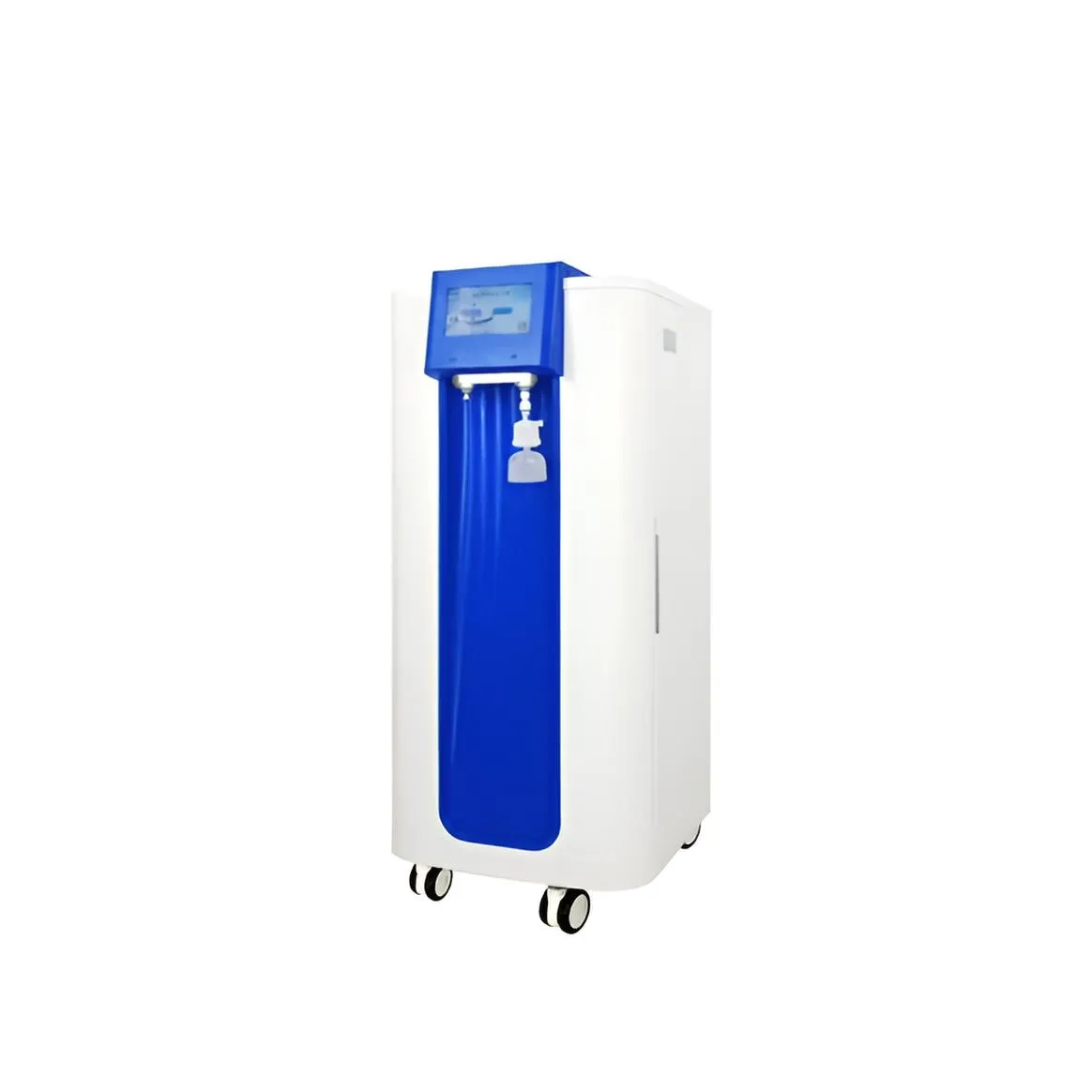
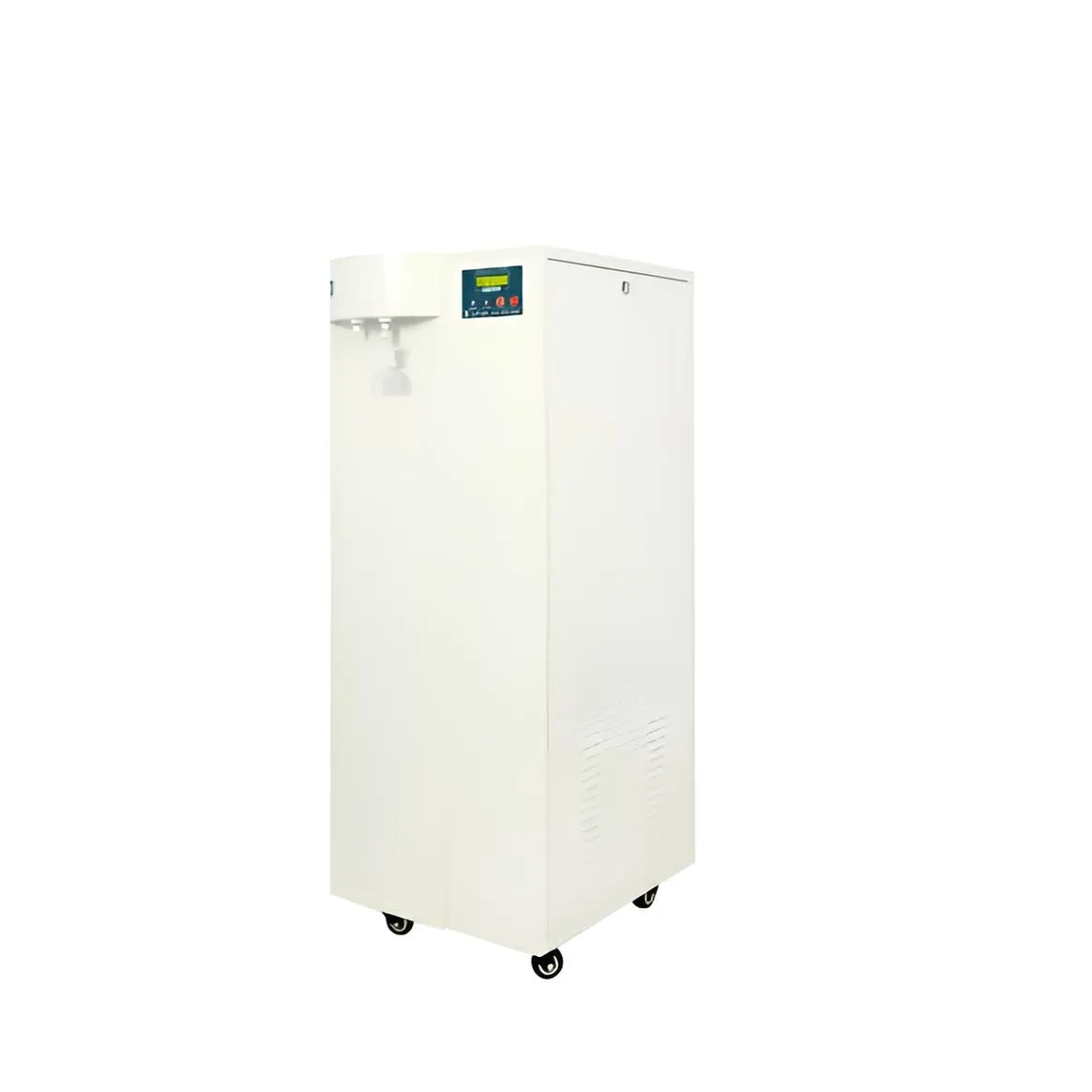
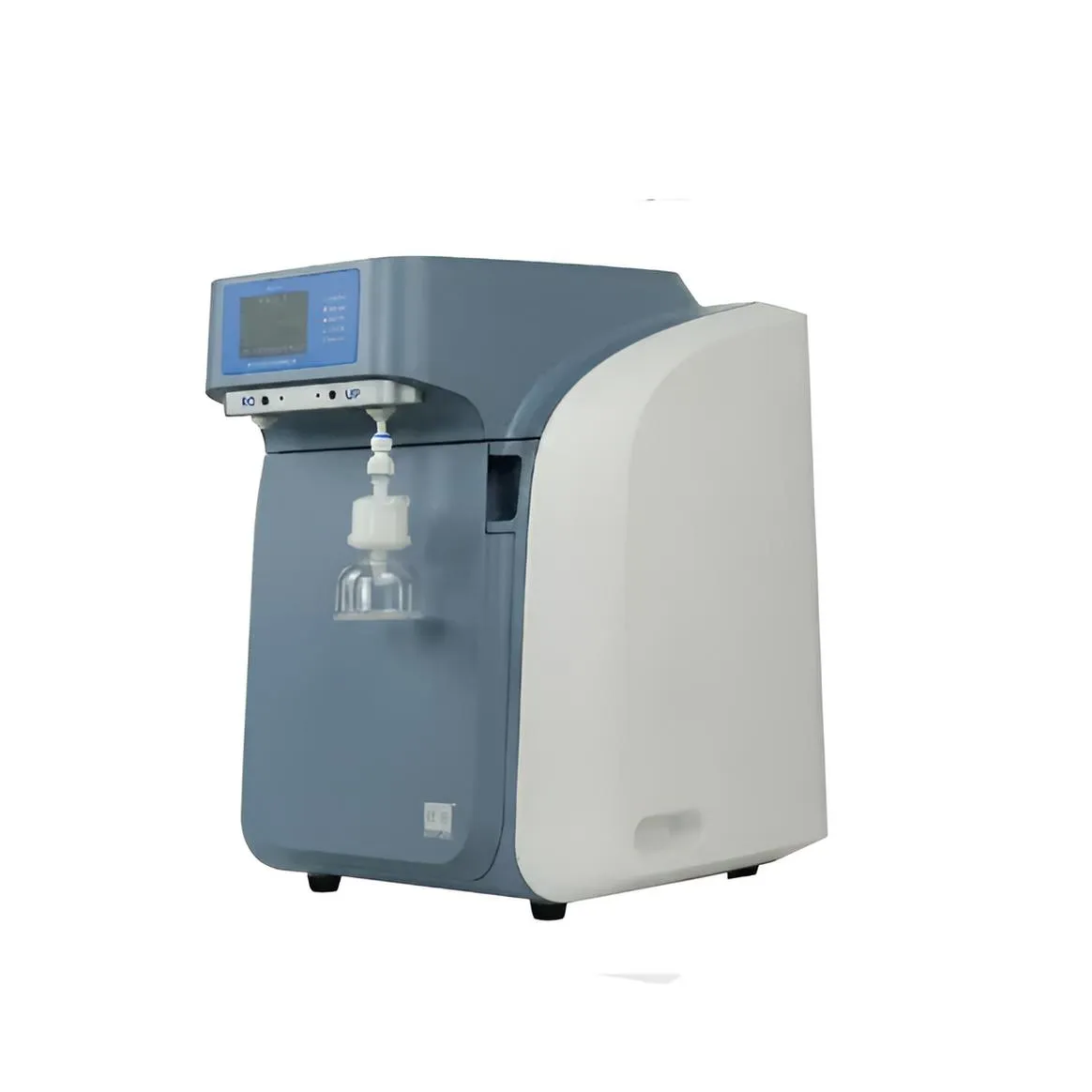
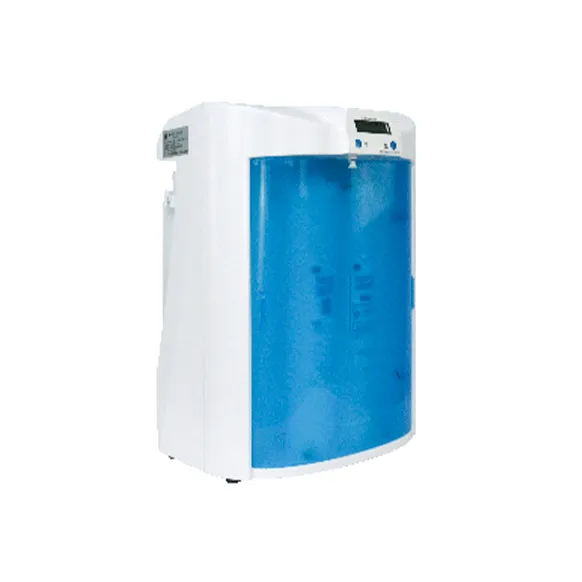
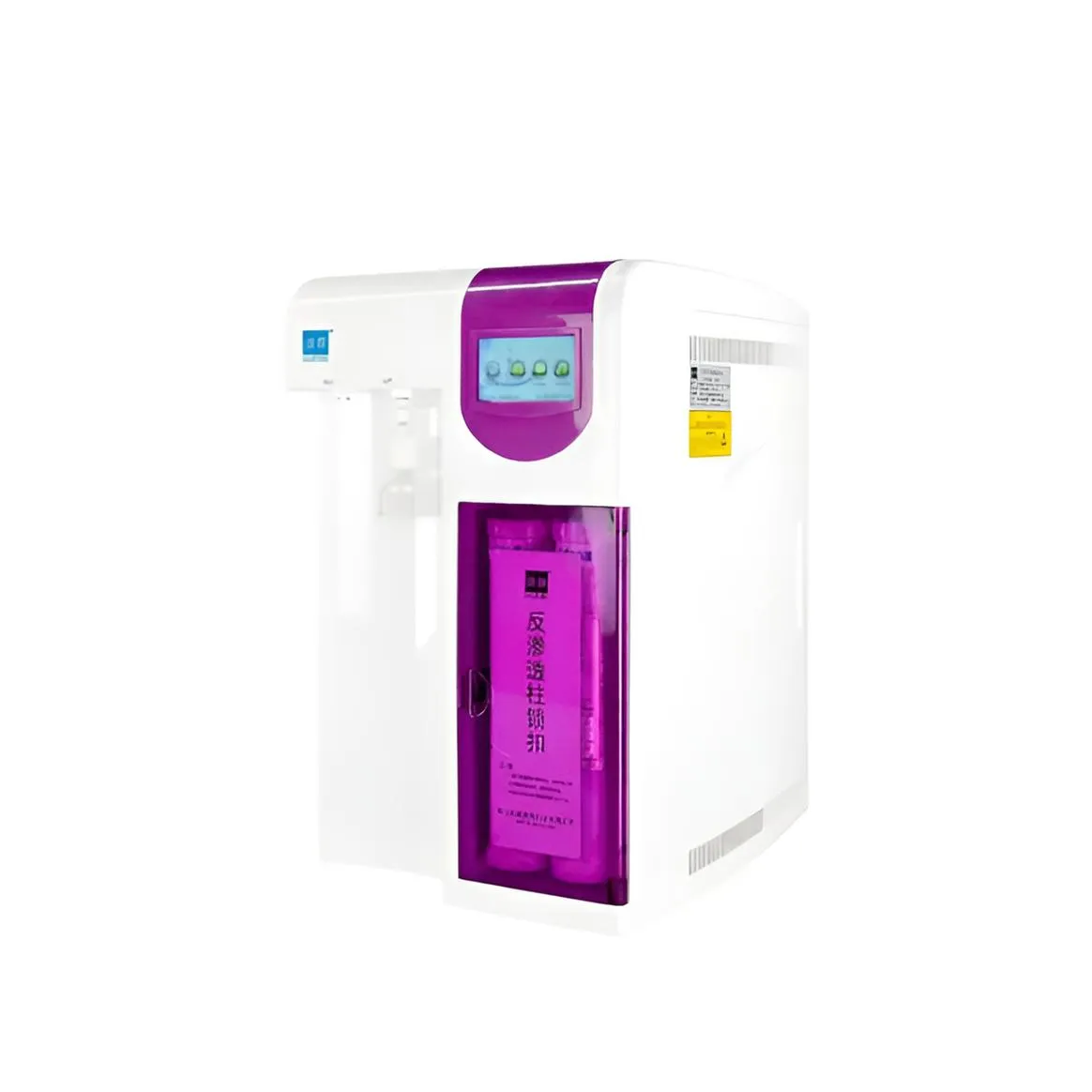
Laboratory Pure Water System
Compared to pure water, pure water undergoes deep treatment using ultrafiltration, membrane filtration, microfiltration, and other appropriate physical methods. It is safe for drinking. It contains no harmful substances or bacteria, such as organic pollutants, inorganic salts, any additives, or various impurities, preventing various pathogens from invading the human body. However, due to its purity, it lacks essential trace elements.
Furthermore, the safety and cleanliness of water depends primarily on its quality, which is determined by its purity, referring to the content of impurities. It is known that there are currently as many as 2221 known organic compounds in water, some of which are carcinogenic. In today's severely polluted water environment, further purification of tap water to meet drinking water standards is indeed necessary.
However, compared to pure water, unpolluted natural water, due to its retention of trace minerals and appropriate oxygen content, can safely replenish the body's water and has a stronger affinity with human cells.
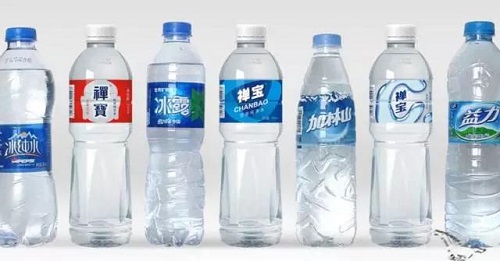
The above is a summary of the differences between pure water and purified water compiled by the editor of Sichuan Youpu Ultrapure Technology Co., Ltd. Pure water and purified water are not the same, and we must distinguish them clearly in daily life. Most people are probably familiar with purified water. If you want to learn more about pure water, follow us!





