


Phone:
0086 28 87573647
+86 19150187139

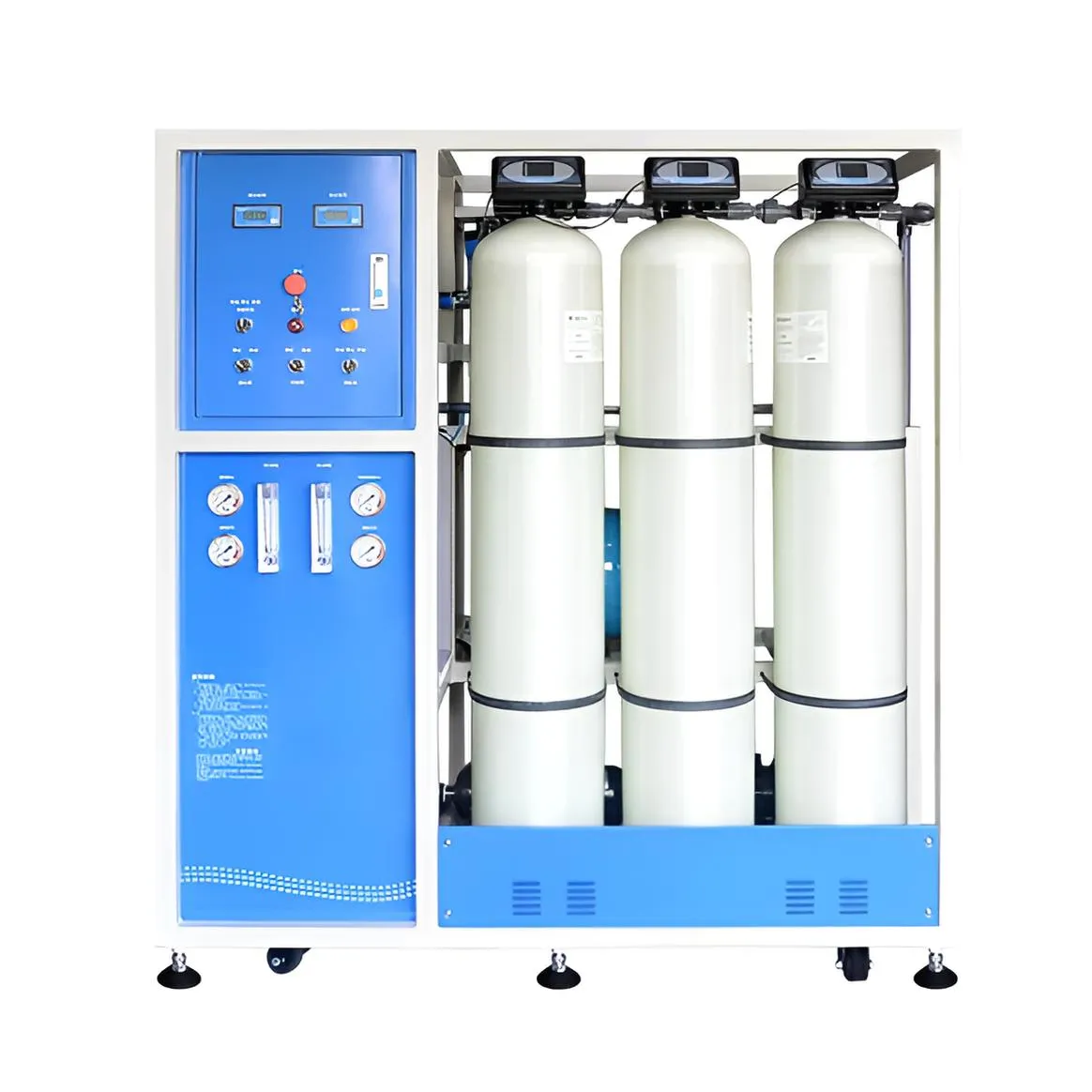
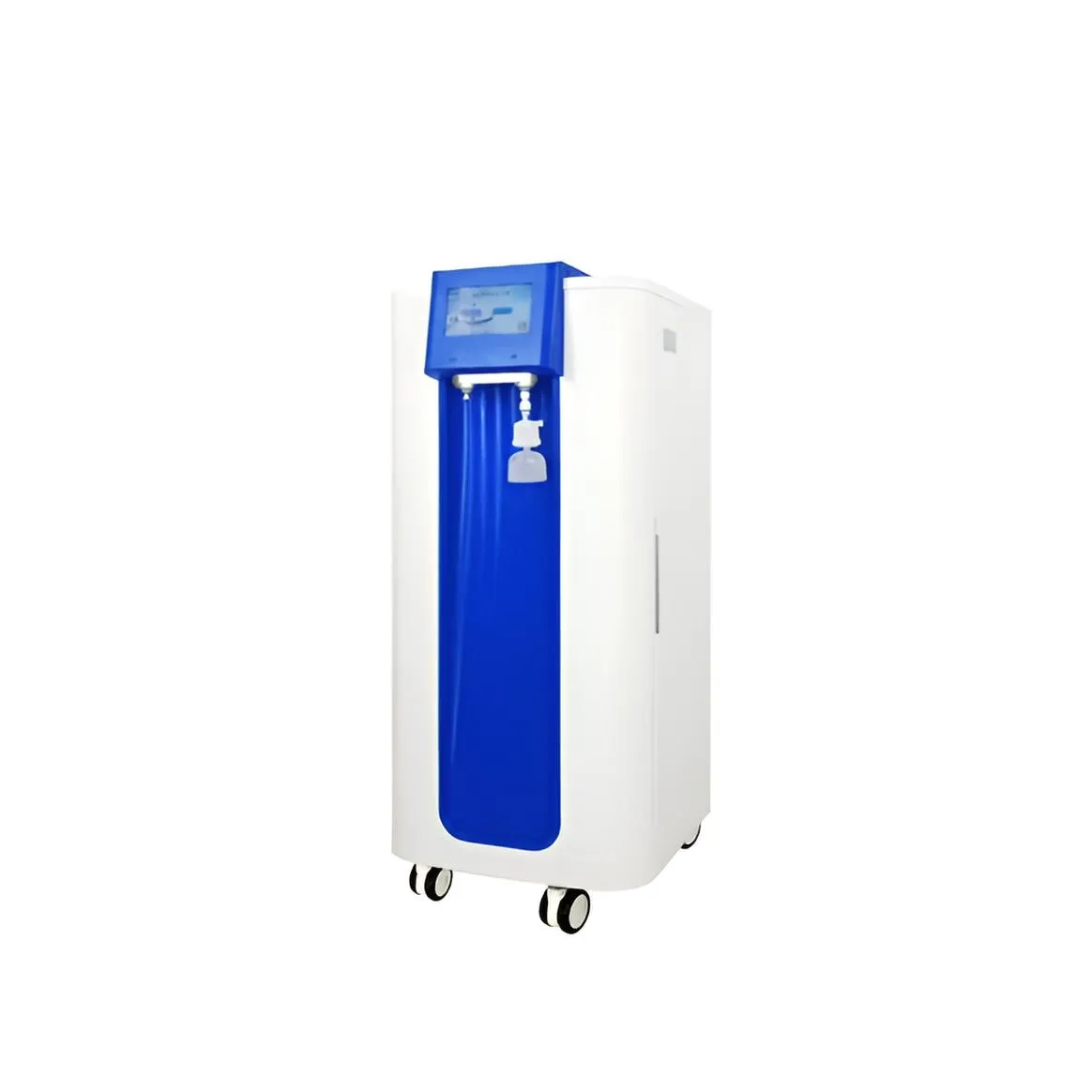
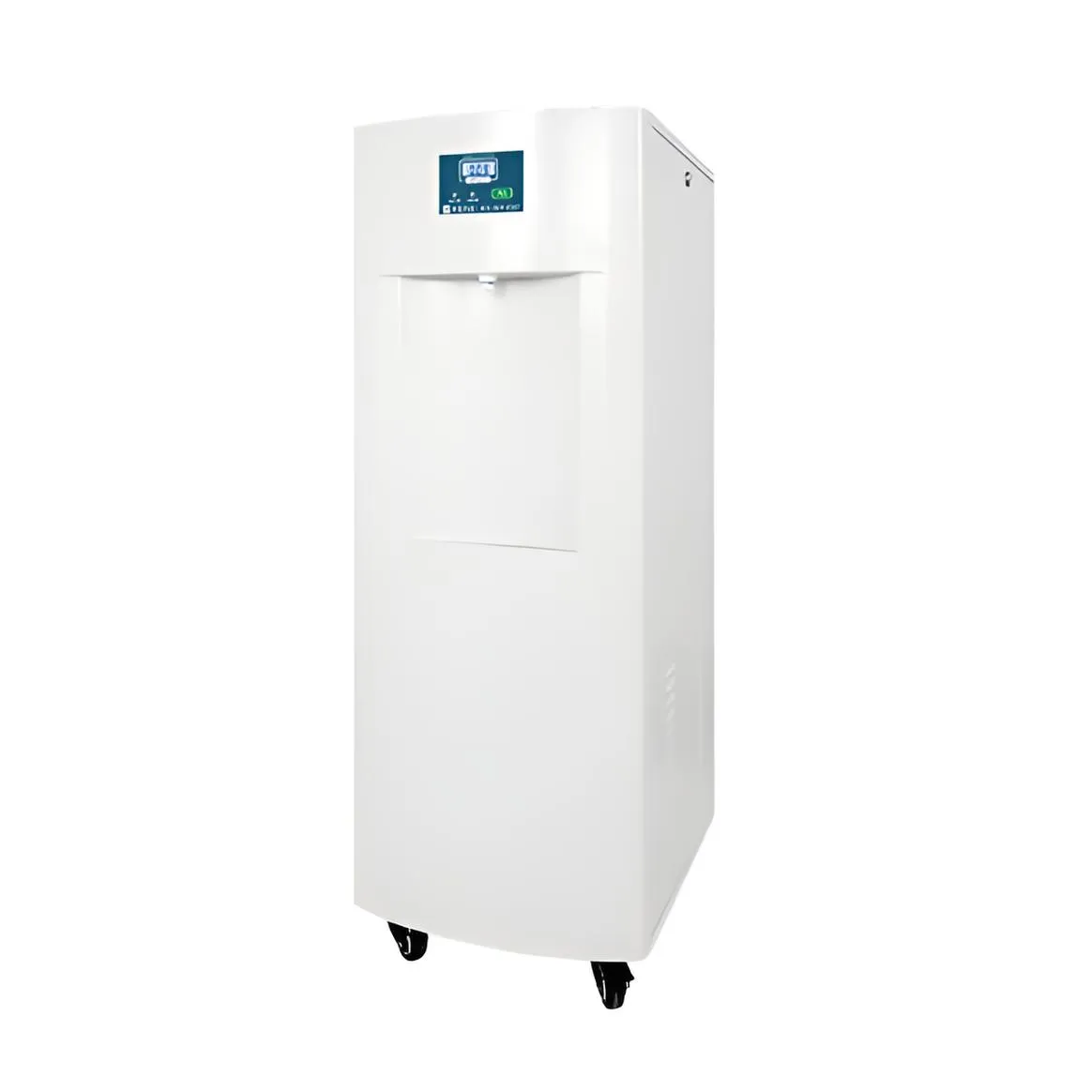
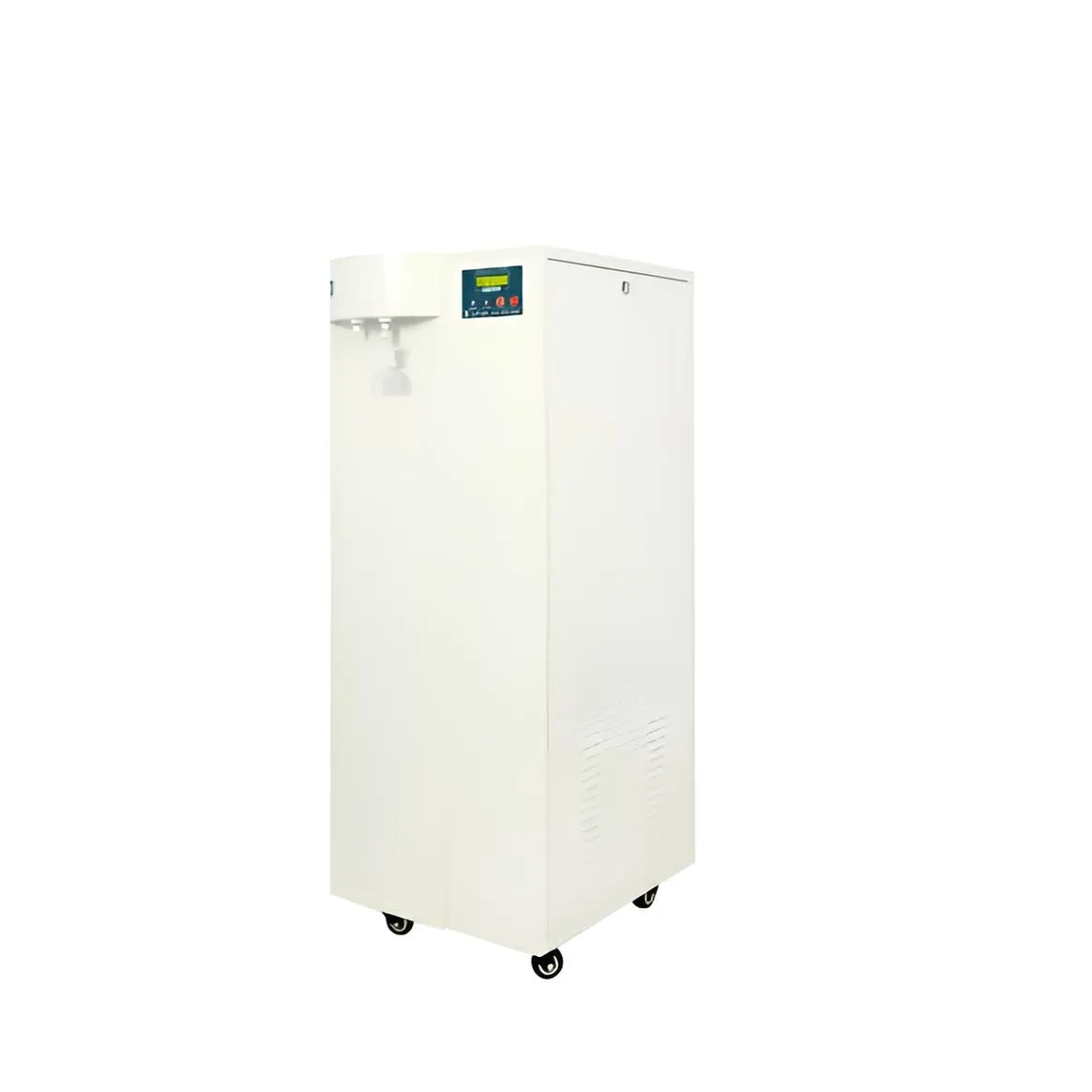
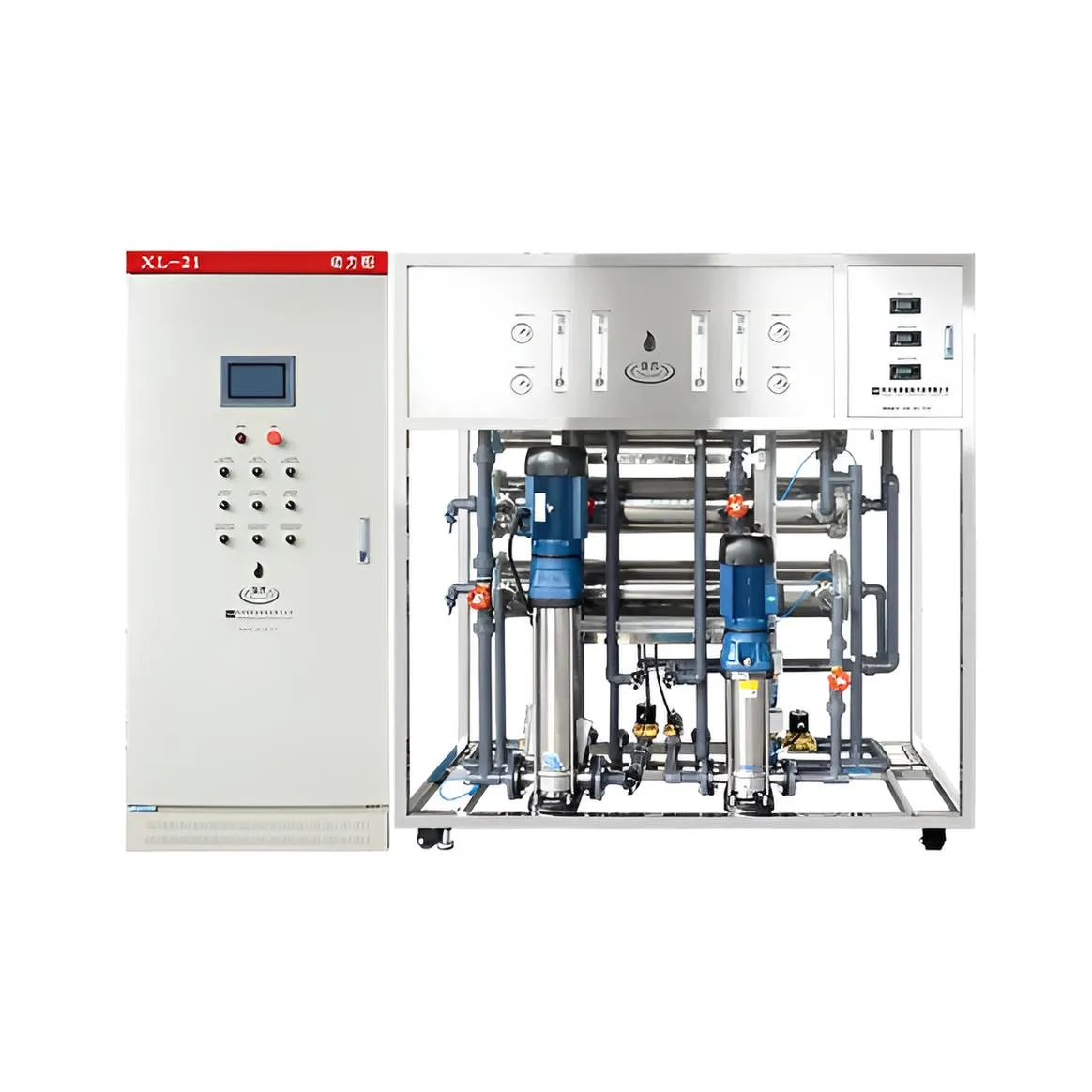
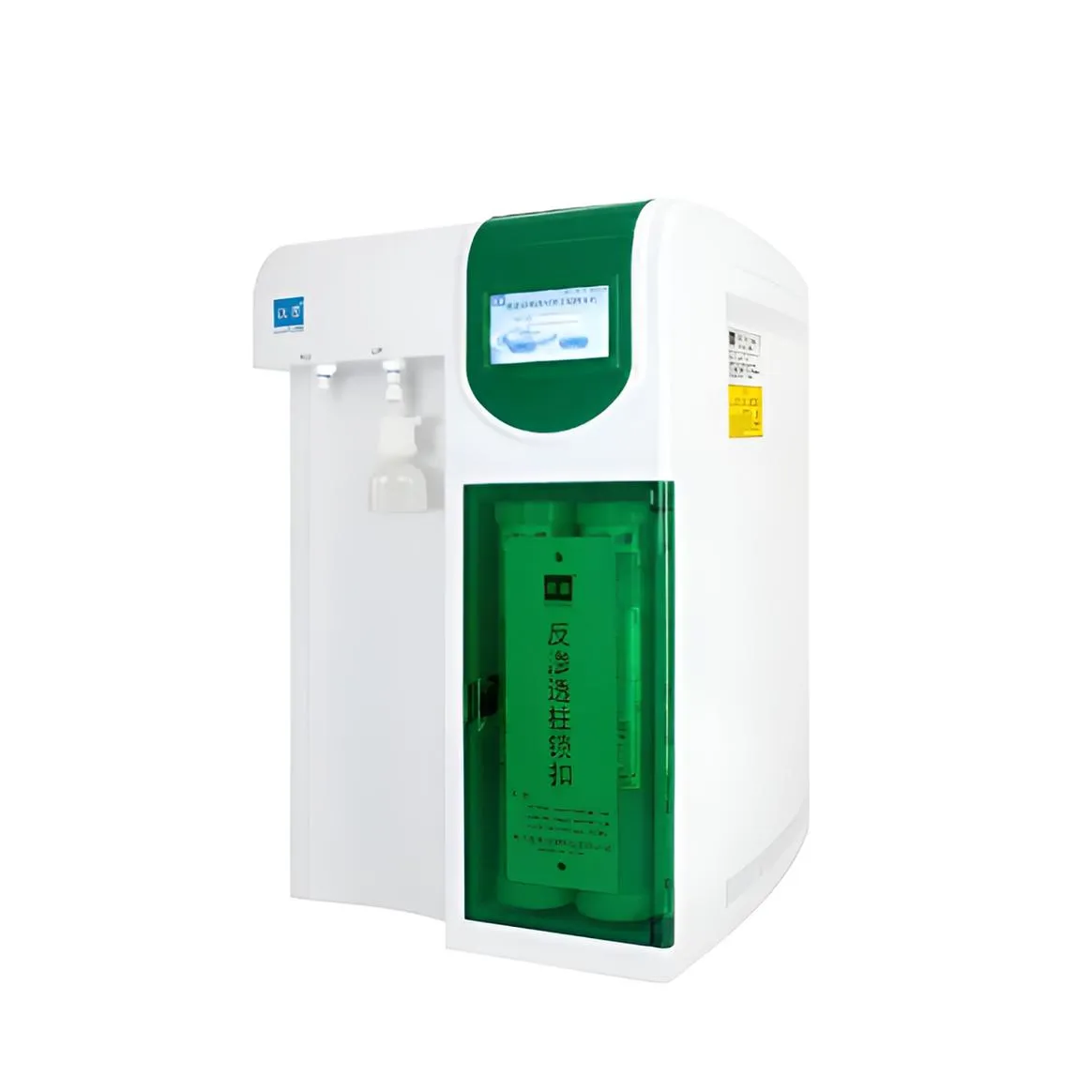
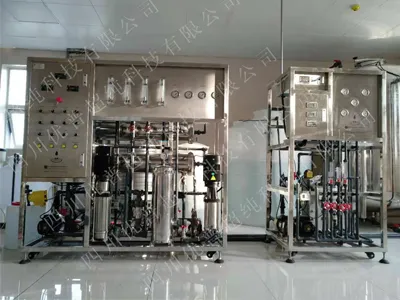
Ultrapure water systems require regular disinfection to eliminate bacteria and microorganisms within the system, ensuring proper water production. So, what are the different disinfection methods used in ultrapure water systems?
1. Difference between Ozone Sterilization and Pasteurization: Besides its advantages such as simple operation, stable water temperature, short disinfection time, and biofilm degradation, ozone sterilization systems offer a wide range of pipe material options. Ozone sterilization systems can be constructed using stainless steel or PVDF materials. Using PVDF for purified water ozone sterilization systems can effectively reduce investment costs.
2. Disinfection: Using physical or chemical methods to kill or remove pathogenic microorganisms on transmission media, rendering them harmless. This usually refers to killing the vegetative forms of pathogenic microorganisms, but cannot destroy their spores. Therefore, disinfection is incomplete and cannot replace sterilization.
3. Sterilization: The process of eliminating all living microorganisms, including all vegetative forms of bacteria, spores, fungi, and viruses, using chemical agents or physical methods to achieve sterility.
4. Pasteurization: The process of heating a liquid to a certain temperature and maintaining it for a period of time to kill microorganisms that may cause disease, spoilage, or unwanted fermentation. Pasteurization has two main functions: ① Periodic disinfection of pretreatment units such as activated carbon in ultrapure water systems, periodic disinfection of RO/EDI units, and periodic disinfection of storage and distribution piping units.
5. Ultraviolet (UV) sterilization: UV light affects biofilm formation by slowing down the growth rate of new colonies in the system, but it is only effective against planktonic microorganisms. UV light mainly has three functions: sterilization, TOC degradation, and ozone removal.
This concludes the introduction to the different disinfection methods for ultrapure water systems. For ultrapure water systems to function properly, timely disinfection is essential. Understanding how to clean ultrapure water equipment is crucial to ensuring the cleanliness of the ultrapure water system and the quality of the ultrapure water.