


Phone:
0086 28 87573647
+86 19150187139
I. EDI Market
The market share of EDI technology is rapidly expanding. Similar to the early market development of RO, its extensive sales strategy has won over numerous suppliers and secured a network of local experts capable of providing services to users.
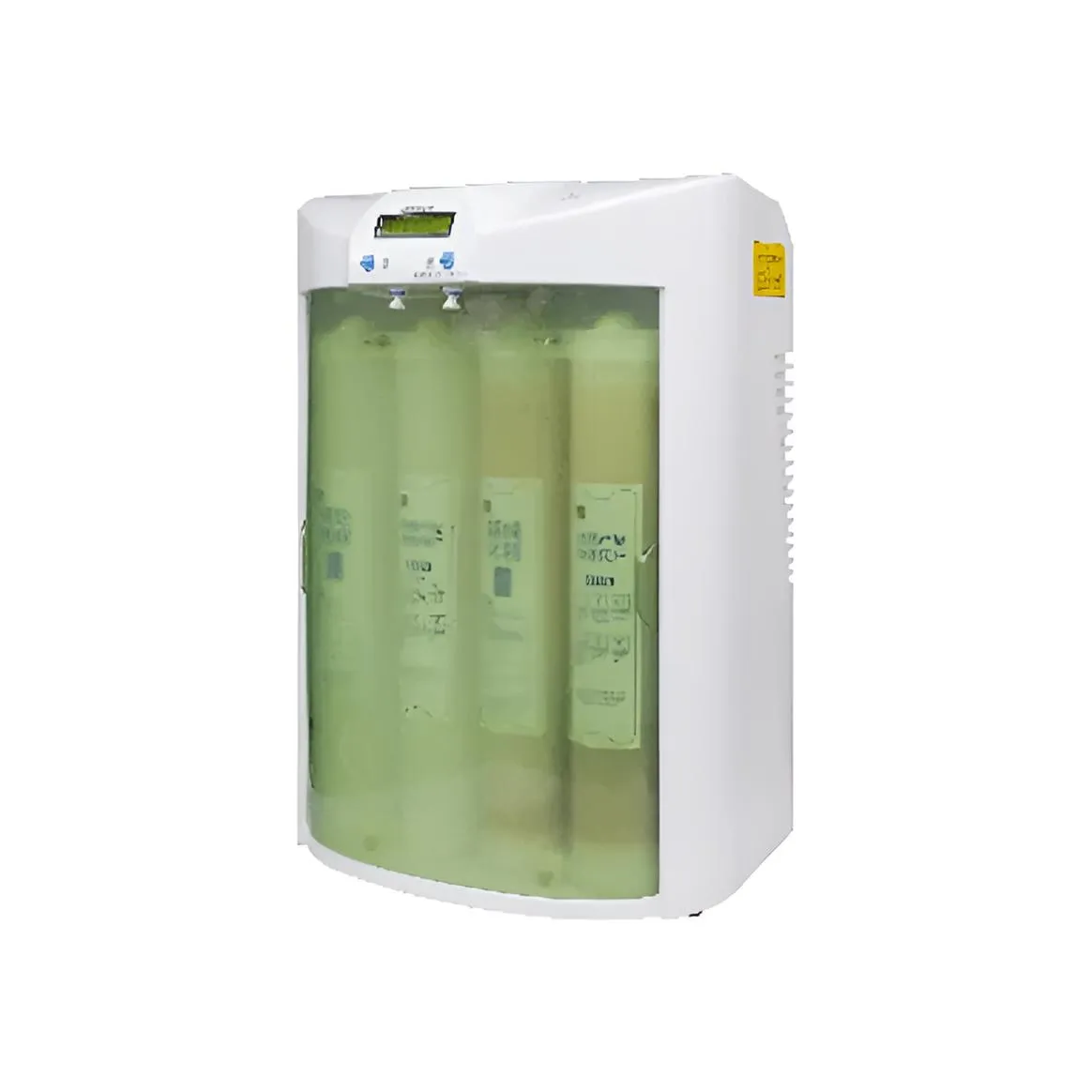
Currently, many water treatment companies worldwide sell RO-EDI systems. Any reputable chemical water treatment equipment supplier (or water treatment system consultant) unanimously considers EDI a solution for customers requiring reduced acid and alkali usage.
Today, EDI has met high-flow industrial requirements—not only in the electronics industry but also in pharmaceuticals, papermaking, power generation, and chemical production, where these systems offer flow rates of 2000 gpm and above. In fact, due to the development of the latest technologies, the output limitations of EDI systems depend on factors other than the EDI system itself.
II. The Future of Industrial Water Treatment
Current RO-EDI technology significantly reduces the use of chemical reagents, simplifies operation, and lowers total fixed investment costs. While there are still demands for further reductions in chemical usage in industrial water treatment, we can expect that the economics of RO-EDI systems will improve further with advancements in filtration and RO membrane technologies.
What will the future hold? We will certainly see a reduction in the use of chemical agents in all industrial units. It is anticipated that within 3 to 5 years, 85% of industrial water treatment systems will adopt RO/EDI systems, with the remaining 15% applied in situations where pretreatment costs are high or cannot offset the inherent benefits of non-chemical RO-EDI systems.
EDI has now fully established its market position and gained widespread acceptance in industry. The development of this technology will depend on the industry's increasing demand for the production of pure water using non-chemical methods.