





Phone:
0086 28 87573647
+86 19150187139

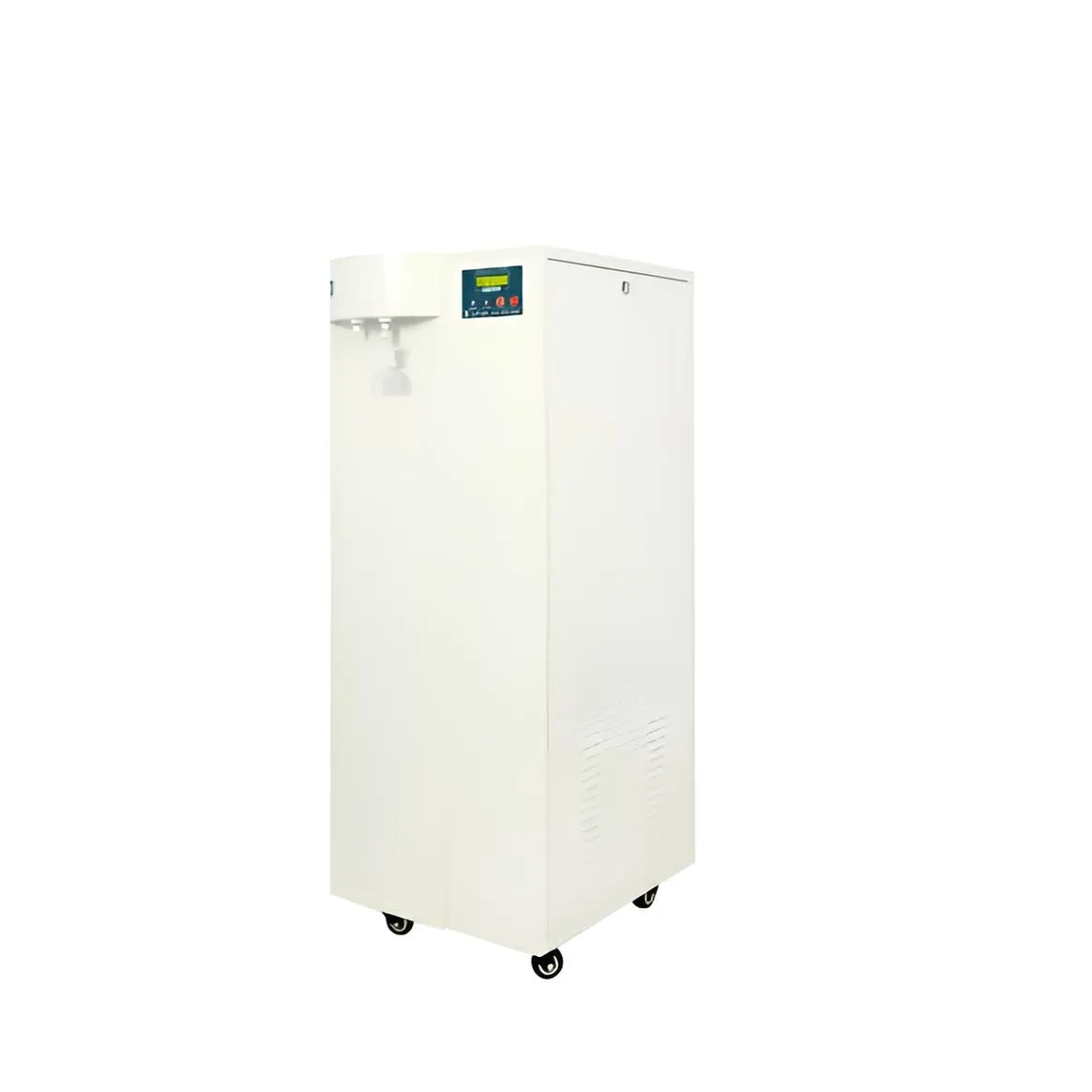
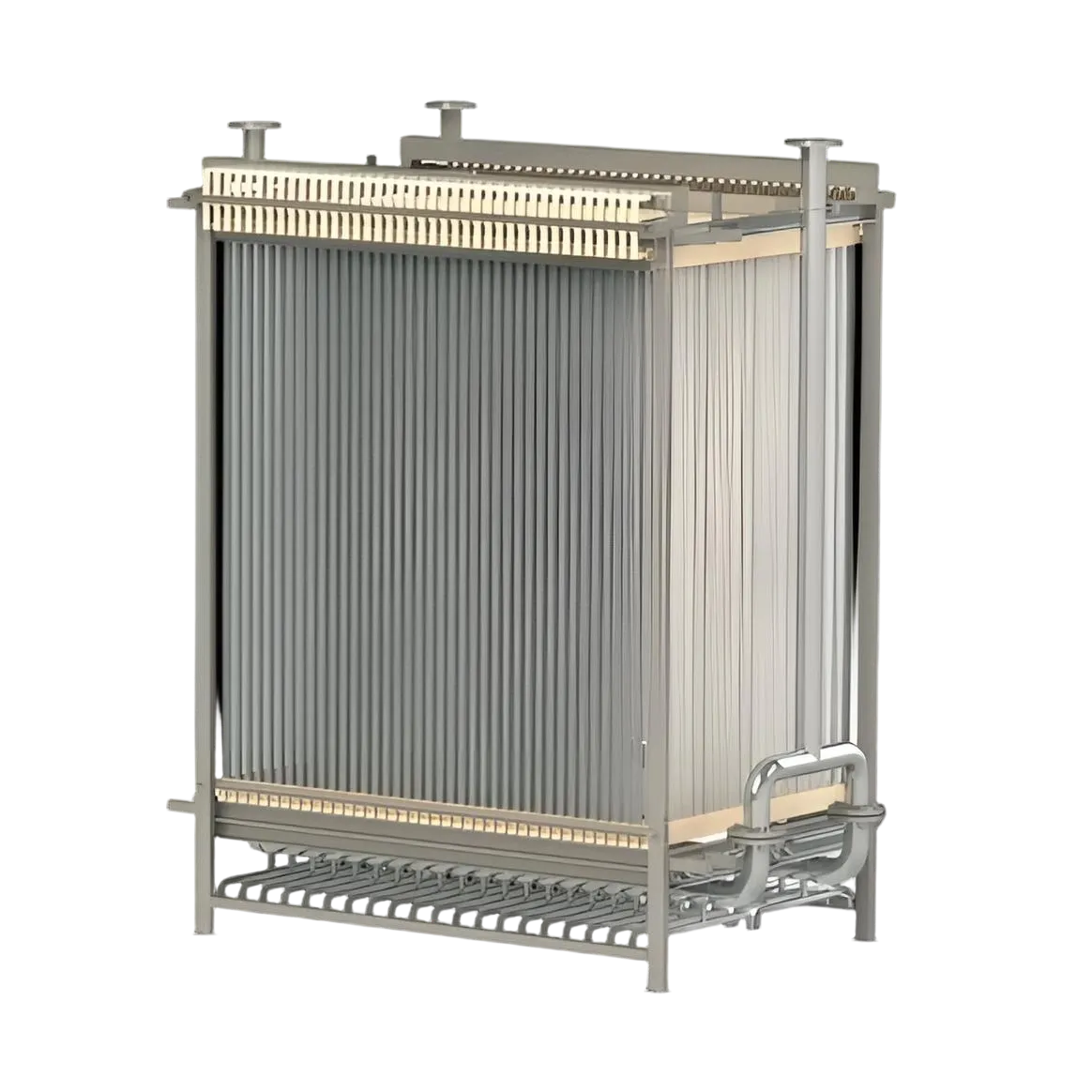
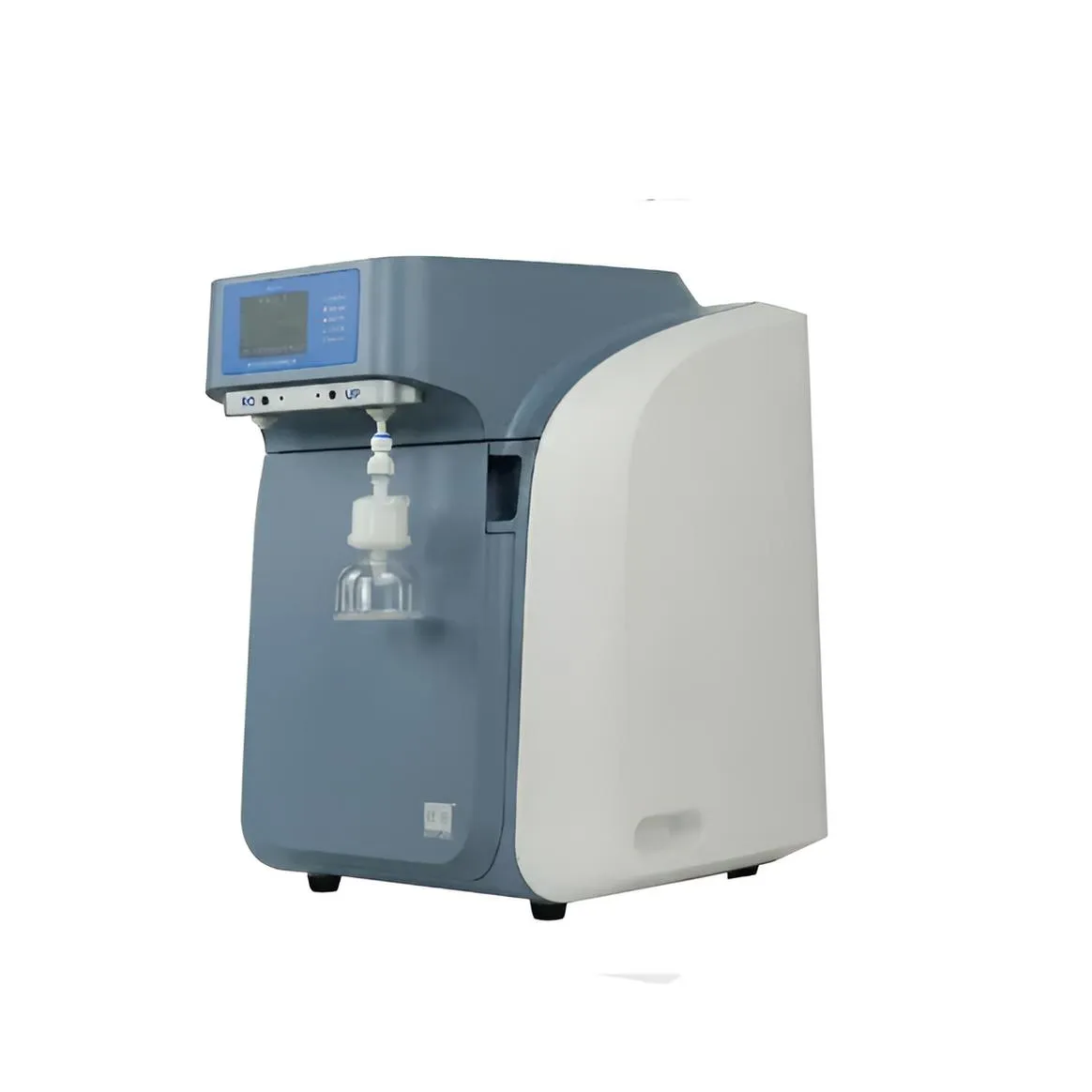
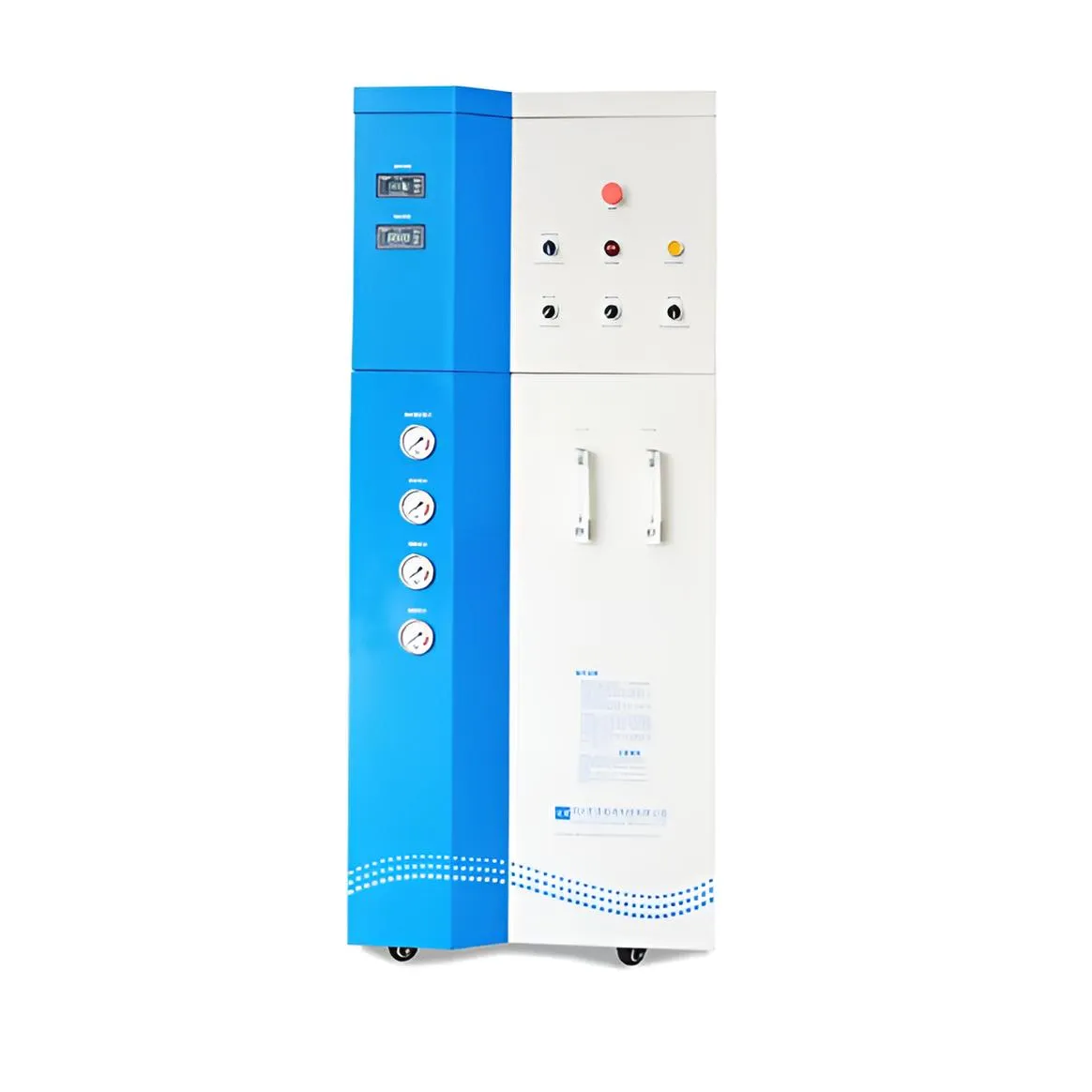
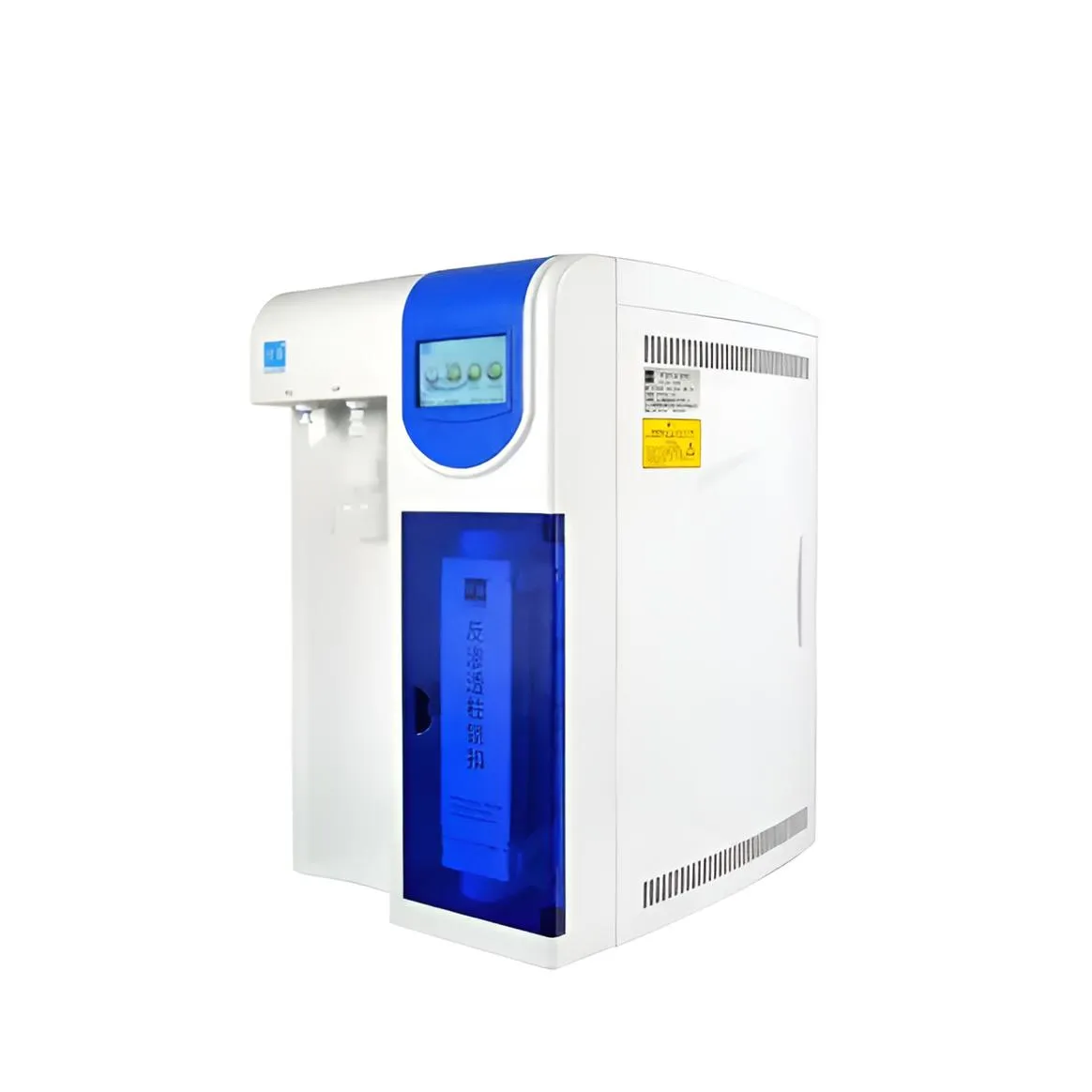
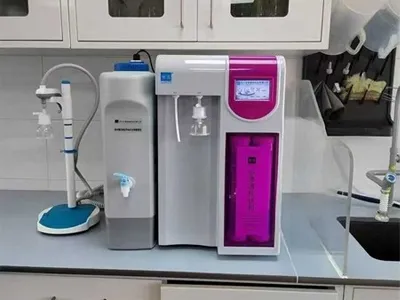
Ulupure water purifiers primarily utilize reverse osmosis membrane technology. Its working principle involves applying pressure to the water, forcing water molecules and ionic minerals through the reverse osmosis membrane, while most dissolved inorganic salts (including heavy metals), organic matter, bacteria, and viruses cannot pass through. This ensures a strict separation between the purified water and the concentrated water. The pore size of the reverse osmosis membrane is only 0.0001 micrometers, while viruses typically have a diameter of 0.02-0.4 micrometers, and common bacteria have a diameter of 0.4-1 micrometer. Reverse osmosis is a membrane separation technology that uses pressure as the driving force to separate water molecules from selectively permeable (semi-permeable) membranes. When the pressure applied to the system exceeds the osmotic pressure of the feed water, water molecules continuously permeate through the membrane, flowing into the central tube through the product water channel and then exiting at one end. Impurities in the water, such as ions, organic matter, bacteria, and viruses, are retained on the feed side of the membrane and then flow out at the concentrate outlet, thus achieving the purpose of separation and purification.
There are three main ways in which Ulupure water purifiers can become contaminated:
1. Inlet Water Contamination
The inlet water source for Ulupure water purifiers is municipal tap water that has been ultrafiltered, resulting in relatively ideal water quality. However, some fungi reproduce by spores. Although the municipal tap water is chlorinated before ultrafiltration, some fungal spores may be in a dormant state and enter the reverse osmosis system. While a reducing agent is added to the reverse osmosis inlet pipe to remove residual chlorine, the absence of oxidizing disinfectants that inhibit the growth of bacteria and other microorganisms in the pipes from the reverse osmosis feed pump to the reverse osmosis outlet creates favorable conditions for anaerobic fungi and other microorganisms to multiply and grow rapidly in these areas.
2. Microbial Growth in the Pre-filter
The pre-filter of an ultrapure water system is the last filtration device before reverse osmosis. Its filtration precision is only 5μm, and its ability to intercept contaminants is strong. When the trapped substances accumulate, it becomes an ideal environment for microbial growth. Other similar equipment has repeatedly experienced problems due to foreign matter growing inside the pre-filter affecting the ultrapure water system. Fungi can enter the reverse osmosis unit with the incoming water and proliferate there, affecting the equipment's operation.
3. Impact of Ultrafiltration Effluent on the System
This impact is minimal, but it cannot be ruled out.





