
Phone:
0086 28 87573647
+86 19150187139

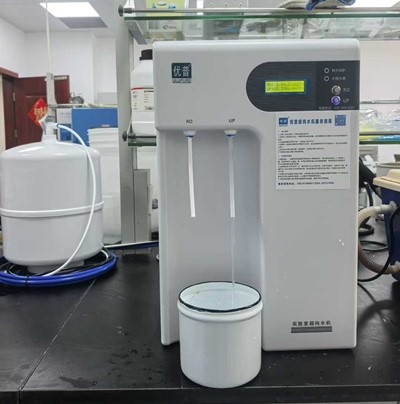
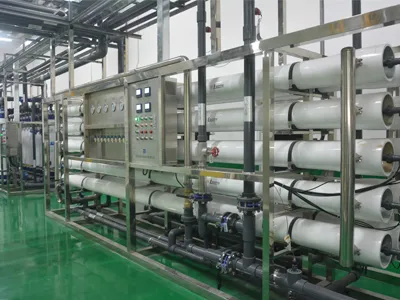
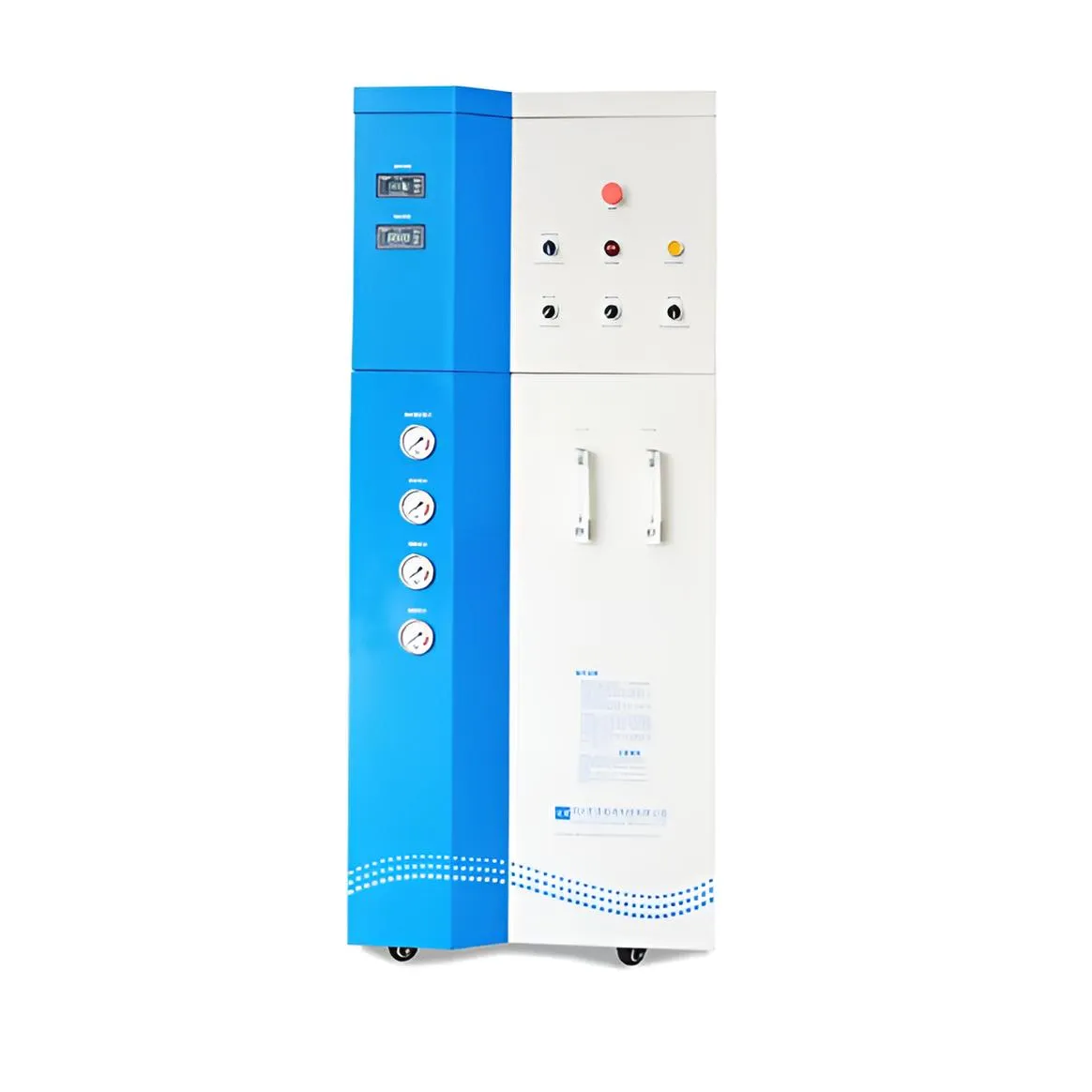
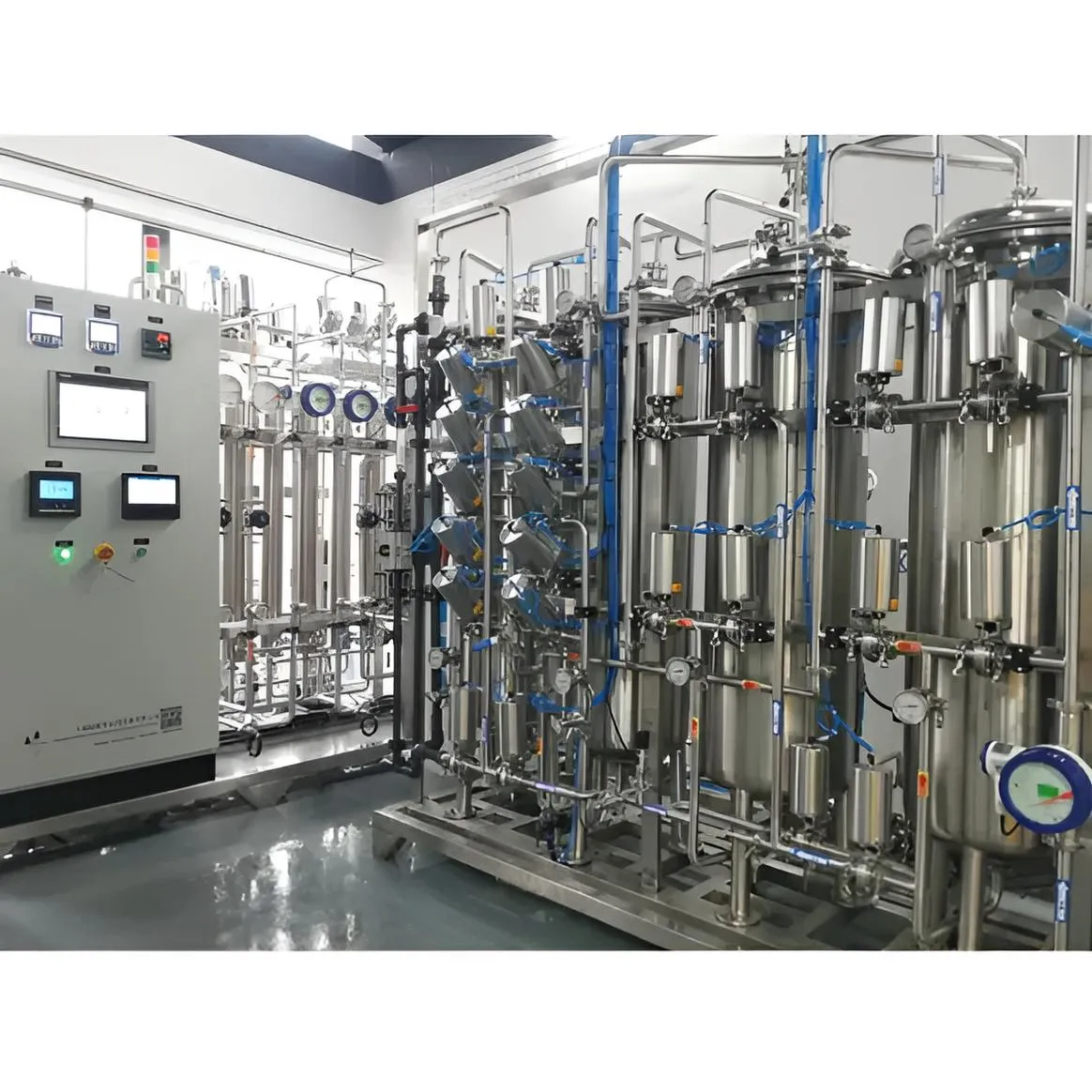
The pretreatment filter, reverse osmosis (RO) system, and ion exchange column of a laboratory pure water system are crucial for ensuring pure water quality. Failure of any of these consumables will cause significant substandard water quality indicators:
The pretreatment filter performs the initial filtration function, filtering out sediment and colloids, while activated carbon adsorbs residual chlorine and organic matter. If it fails, turbidity will be the first indicator to exceed the standard, and residual chlorine will become uncontrolled. Residual chlorine not only oxidizes the RO membrane but may also react with organic matter in the water to form halogenated hydrocarbons, contaminating subsequent pure water and creating potential hazards for experiments.
Reverse osmosis is responsible for removing heavy metals, microorganisms, and large molecular impurities. If it fails, ions such as calcium, magnesium, lead, and mercury in the water cannot be retained, and excessive microorganisms will affect the stability of reagents; in cell culture, it will lead to cell contamination and death; in chromatographic analysis, it will contaminate the chromatographic column and interfere with the detection baseline. III. Ion Exchange Column Failure, Substandard Resistivity
Ion exchange columns remove trace ions from pure water through ion exchange, ensuring the water's resistivity meets standards (laboratory ultrapure water resistivity is typically ≥18.2 MΩ·cm). Once a column fails, the resistivity drops significantly, and trace ions cannot be removed. In electrochemical experiments, this can interfere with electrode potential measurements, causing data deviations; in semiconductor material cleaning, residual ions can adhere to the material surface, affecting chip performance; in molecular biology experiments, it may inhibit enzyme activity, leading to PCR reaction failure.
Therefore, different consumable failures causing exceedances in certain parameters can have "targeted" interference with experiments. Laboratories need to monitor these parameters specifically and replace consumables promptly to effectively mitigate risks.