






Phone:
0086 28 87573647
+86 19150187139

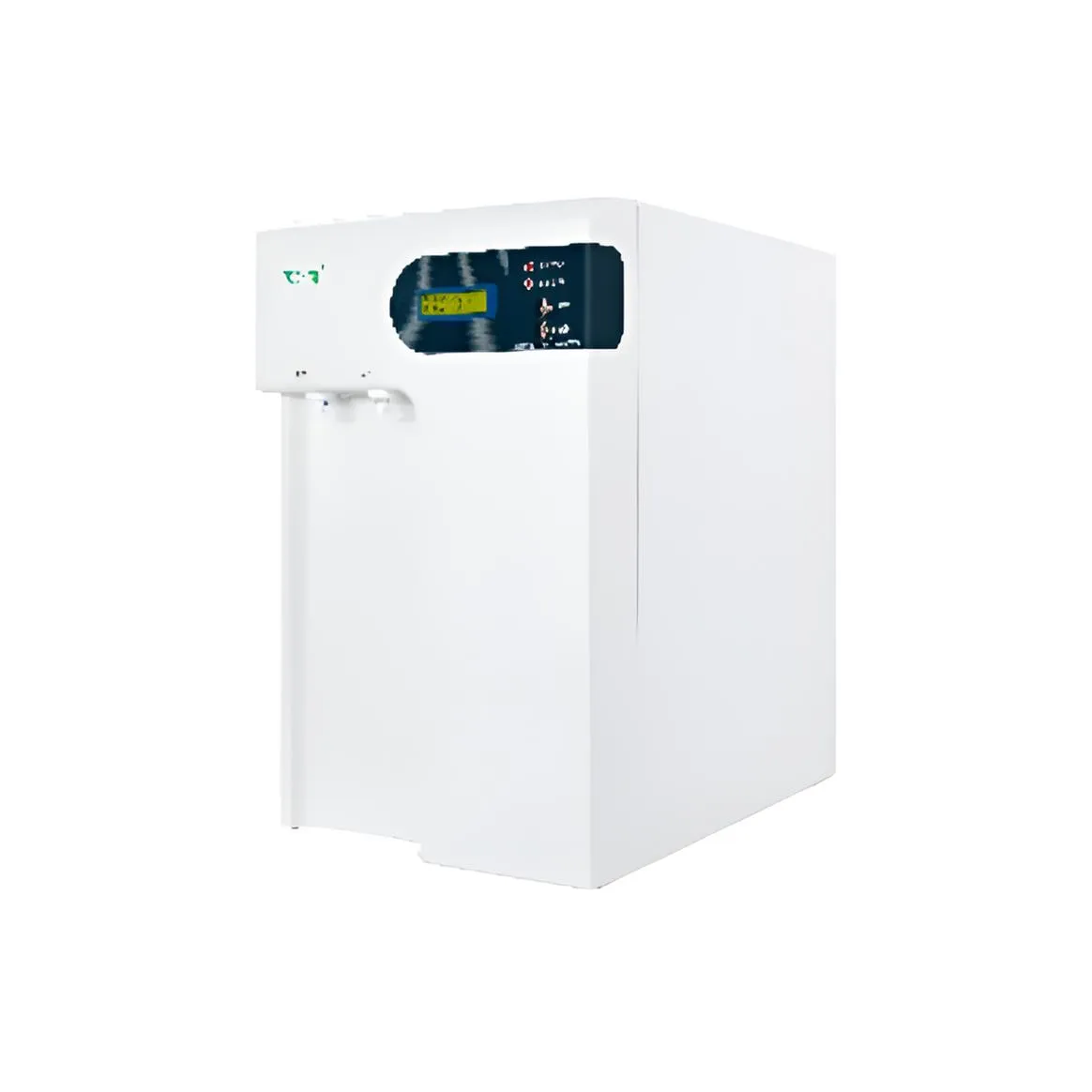
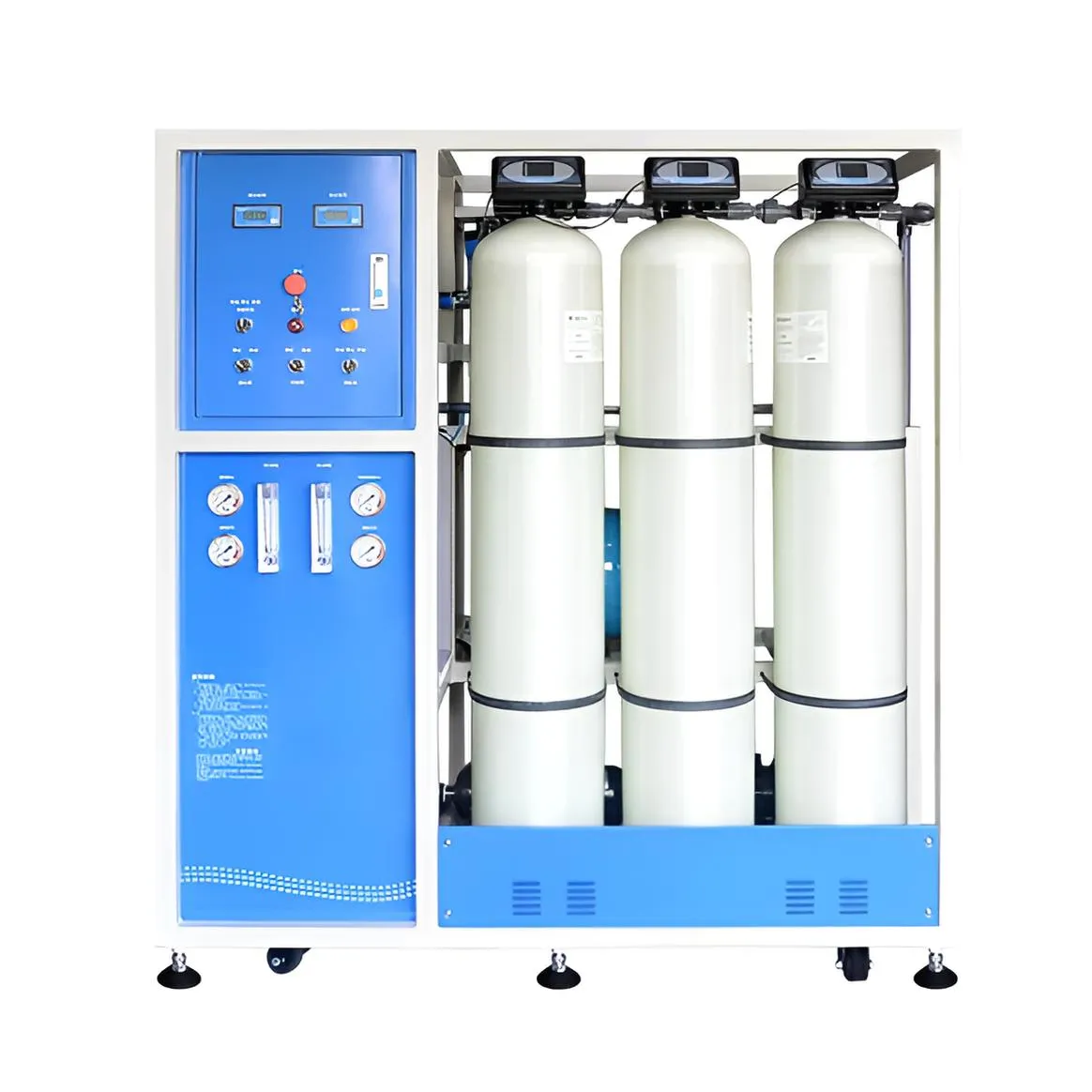
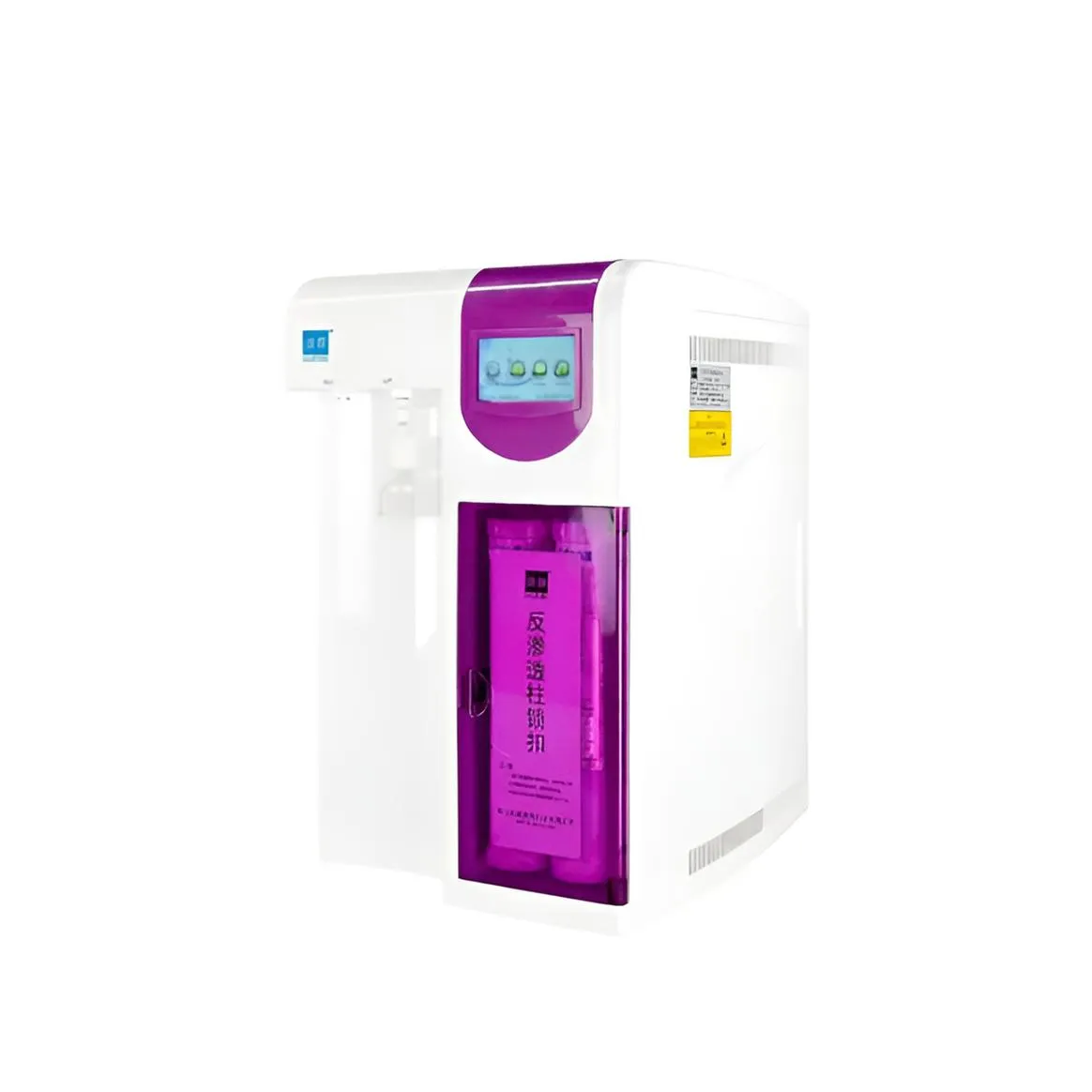
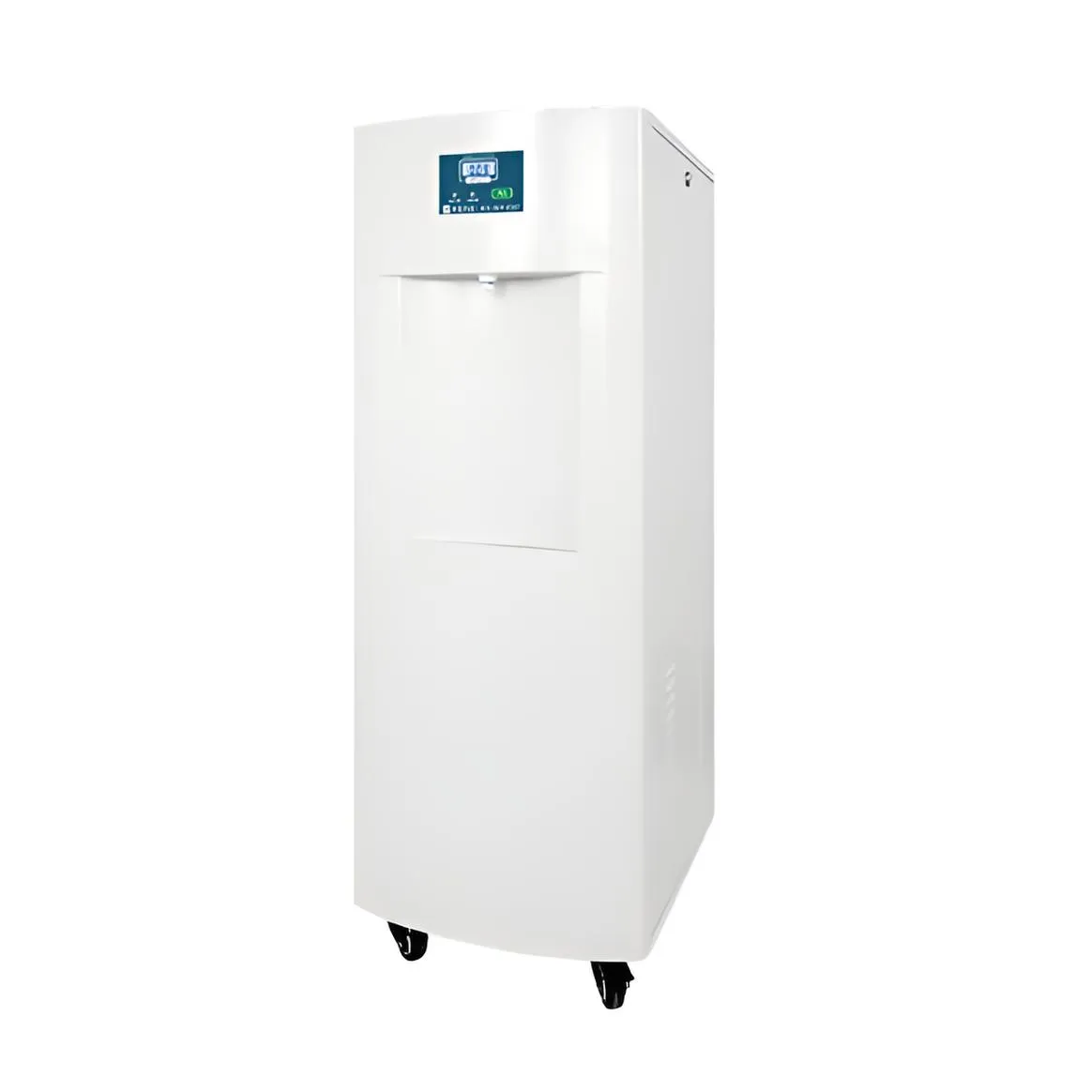
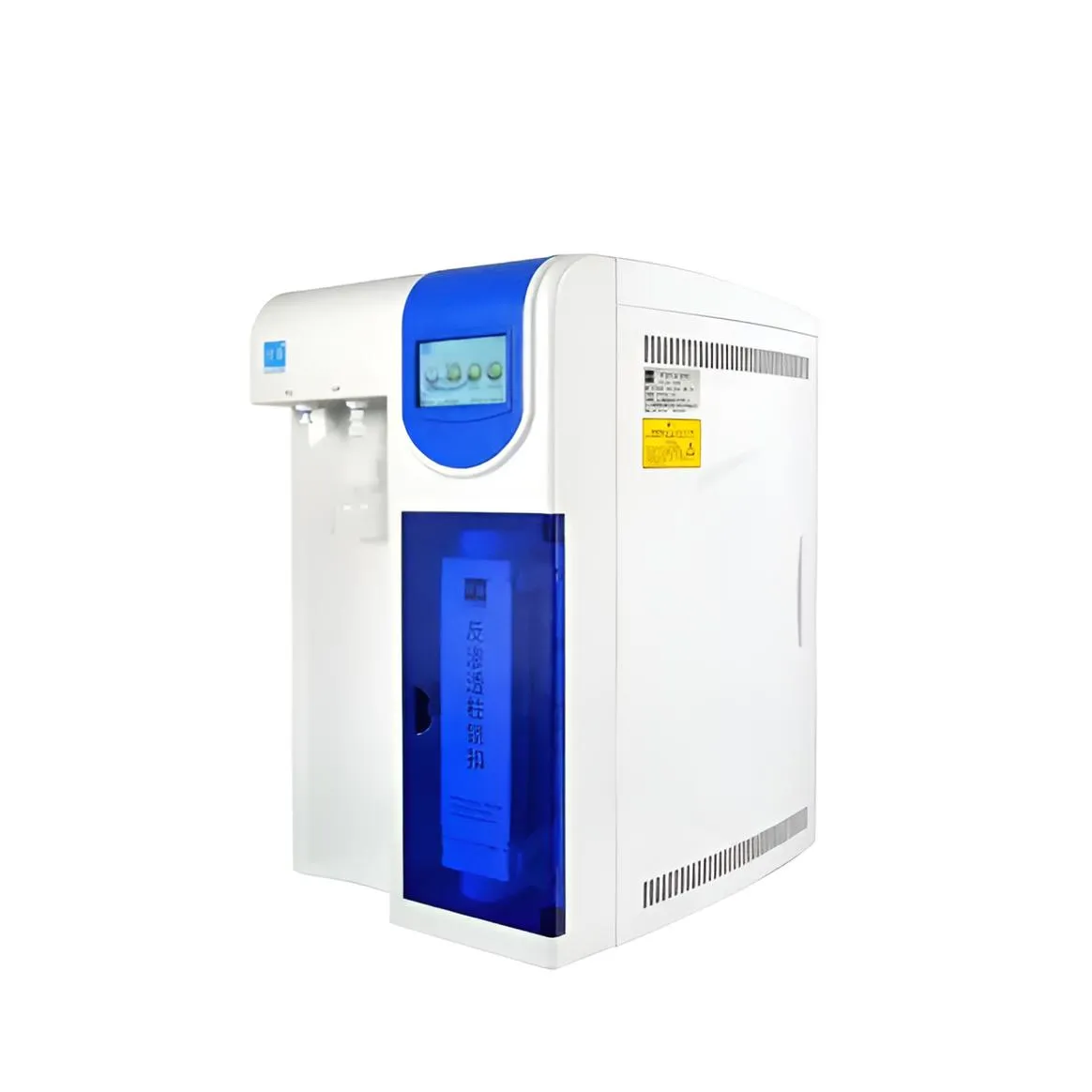
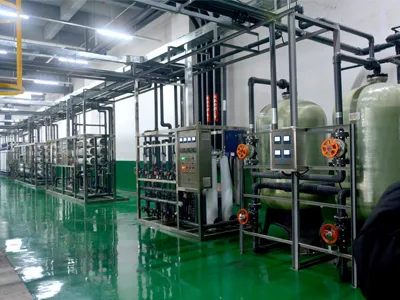
China has a vast territory, and customers in different regions have significant differences in source water quality and water usage needs. Therefore, the three subsystems of an ultrapure water system—pretreatment, reverse osmosis, and post-treatment—require different selection and configuration options for users with varying needs. To address this, UPU provides a selection guide for its ultrapure water systems to help customers choose the right ultrapure water solution for their laboratories.
Selection Process:
I. Confirm Total Water Consumption – Main Unit Water Production Capacity – Water Tank Capacity
1. UPU sales engineers, through customer needs surveys, first confirm the user's peak daily water consumption over the next two years. The selected model's 8-hour water production capacity should meet the demand (Note: For users in northern markets, the reduced water production capacity of the RO membrane in winter must be considered). The water tank capacity should meet the user's water consumption for the next 2 hours during peak periods.
2. Confirm the user's total annual water consumption through needs surveys and calculate the difficulty, consumable replacement quantity, and cost of the initially selected model.
II. Confirming Water Quality Requirements – Preliminary Determination of Main Unit Selection
1. First, confirm the water quality requirements for the largest water consumption, rinsing water and ordinary pure water used for qualitative analysis;
2. Second, confirm the water quality requirements for ultrapure water used for quantitative/microanalysis –
1) Does the resistivity reach 18.2 MΩ·cm?
2) Is it necessary to remove trace organic matter (TOC < 5 ppb)?
3) Is it necessary to remove bacteria/pyrogens?
4) Other special requirements (whether to remove silicon/boron, whether to remove weak electrolytes such as ammonia nitrogen).
III. Confirming Source Water Quality I – Confirming Main Unit Model
By testing the TDS value (total dissolved solids content) or conductivity of the source water, a preliminary determination of the source water quality can be made –
Class A areas: TDS < 200 ppm (conductivity < 450 μS/cm), water quality is good, RO permeate conductivity is approximately 2~6 μS/cm, which can meet the laboratory's Class III water requirements.
Category B areas: TDS 200~500ppm (conductivity 450~1200μS/cm), water quality is relatively good. RO permeate conductivity is approximately 8~20μS/cm. Customers may forgo RO systems and use only UP ultrapure water, leading to frequent purification column replacements and increased operating costs. Customers with high water consumption should choose floor-standing models, which are equipped with dual purification columns and purification tanks with larger resin packing capacity, significantly reducing consumable replacement costs.
Category C areas: TDS > 500ppm (conductivity > 1200μS/cm), high salinity water quality. RO permeate conductivity drops to above 30μS/cm. Customers can only use UP ultrapure water. For customers with high water consumption, a UPR+UPHW combination solution is recommended.
IV. Source Water Quality Confirmation II – Water Pre-processor Selection
For areas with municipal tap water: The standard UPR water pre-processor is sufficient.
For areas with groundwater or substandard tap water: Water quality analysis should be conducted to confirm whether the content of heavy metals such as iron and manganese exceeds the standard. Users in areas exceeding the standard should select the UPR 844 multi-media iron and manganese removal filter.
For areas with high source water hardness: The Ca2+ and Mg2+ content in the produced RO pure water will be correspondingly higher. Selecting a water softener can effectively reduce the Ca2+ and Mg2+ content in the produced water; however, softening treatment replaces Ca2+ and Mg2+ in the water with Na+, which may result in higher Na+ or Cl- content in the RO pure water. The best solution is to choose a UPR+UPHW combination scheme. The standard bipolar RO system produces better water quality with lower ion and organic matter content than a single-stage RO system.
V. Completion of UPU Ultrapure Water Solution Design Document
Under the guidance of the company's technical department, UPU sales engineers will provide you with a customized "UPU Ultrapure Water System Solution Design and Quotation Document" to offer preliminary reference for your correct selection.





