

Phone:
0086 28 87573647
+86 19150187139

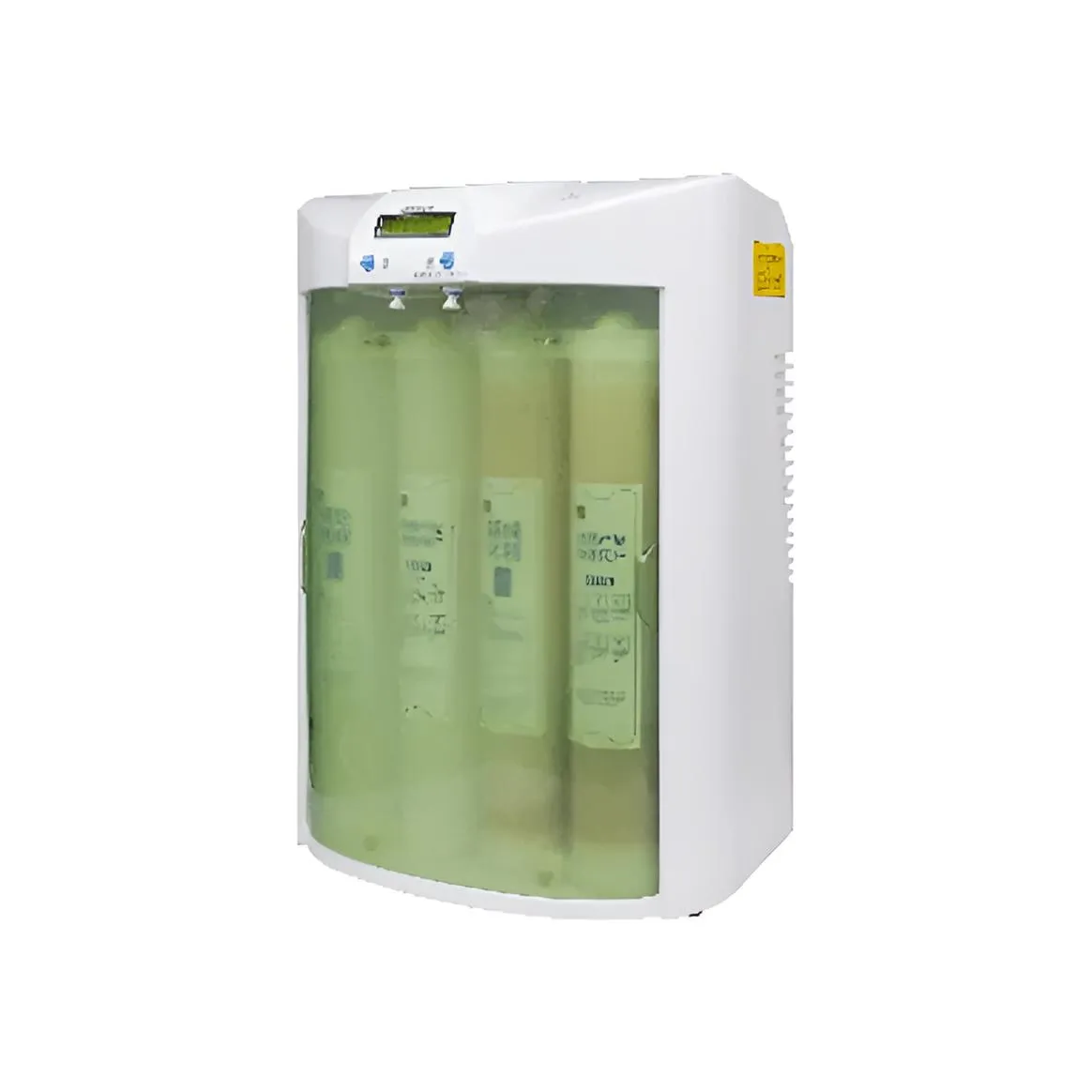
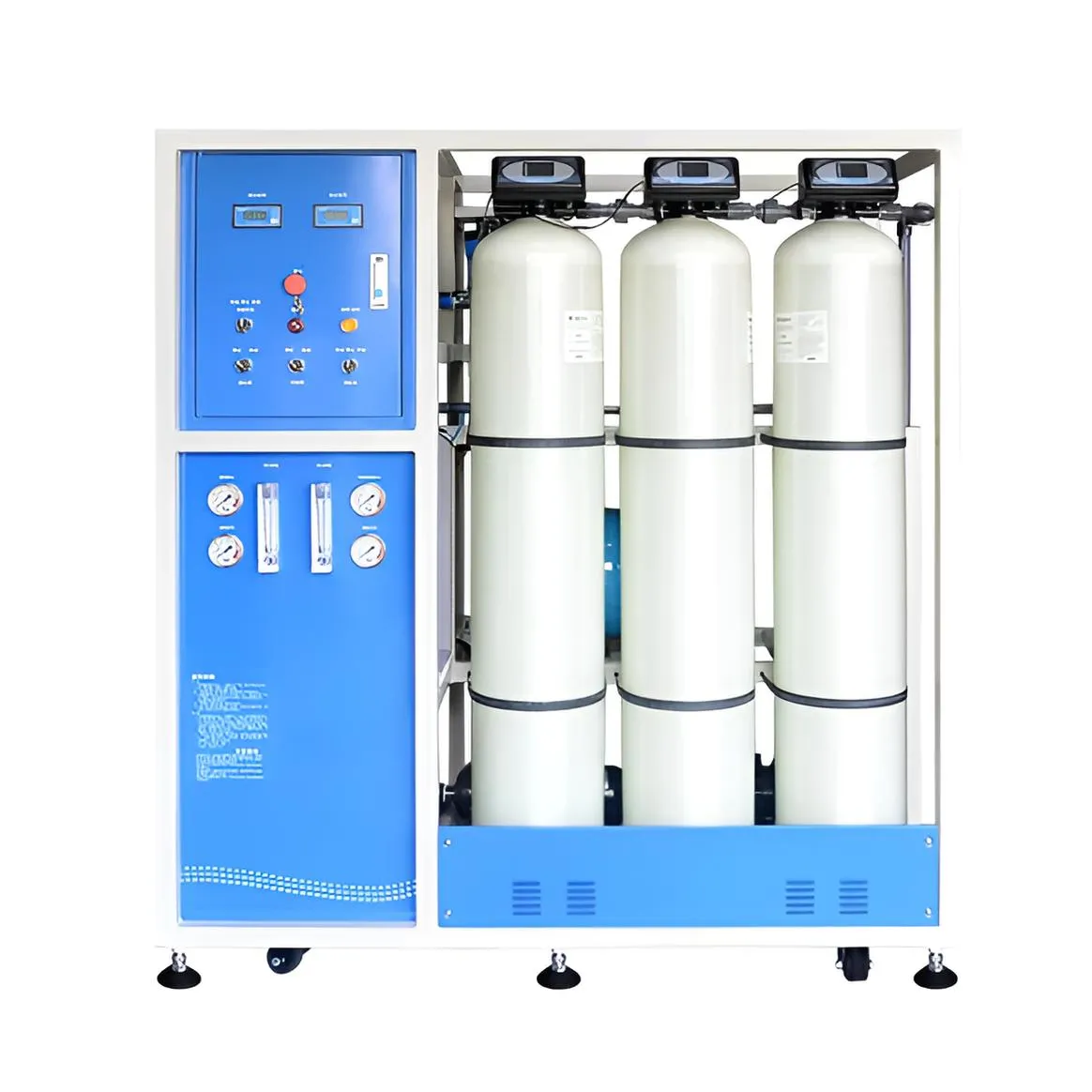
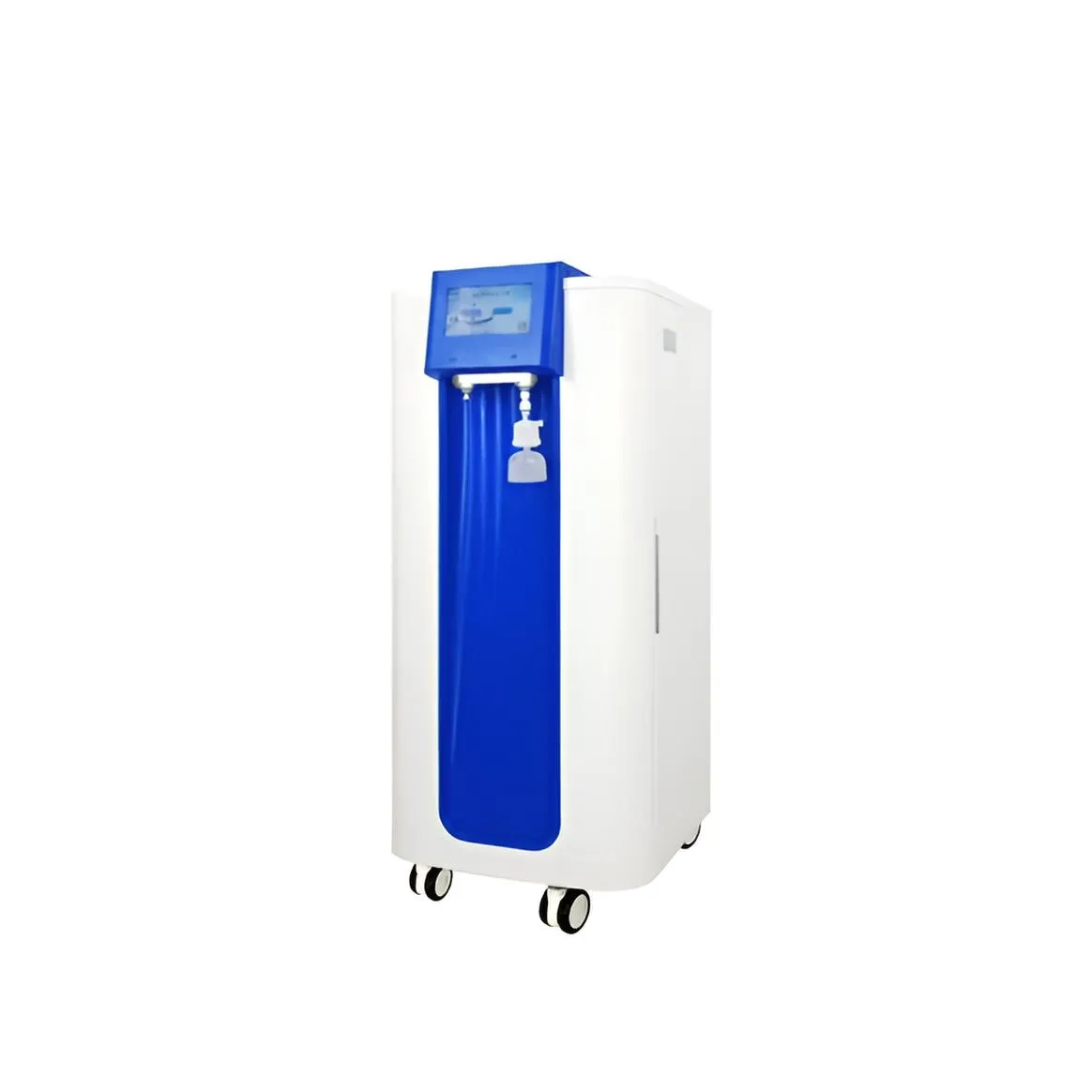
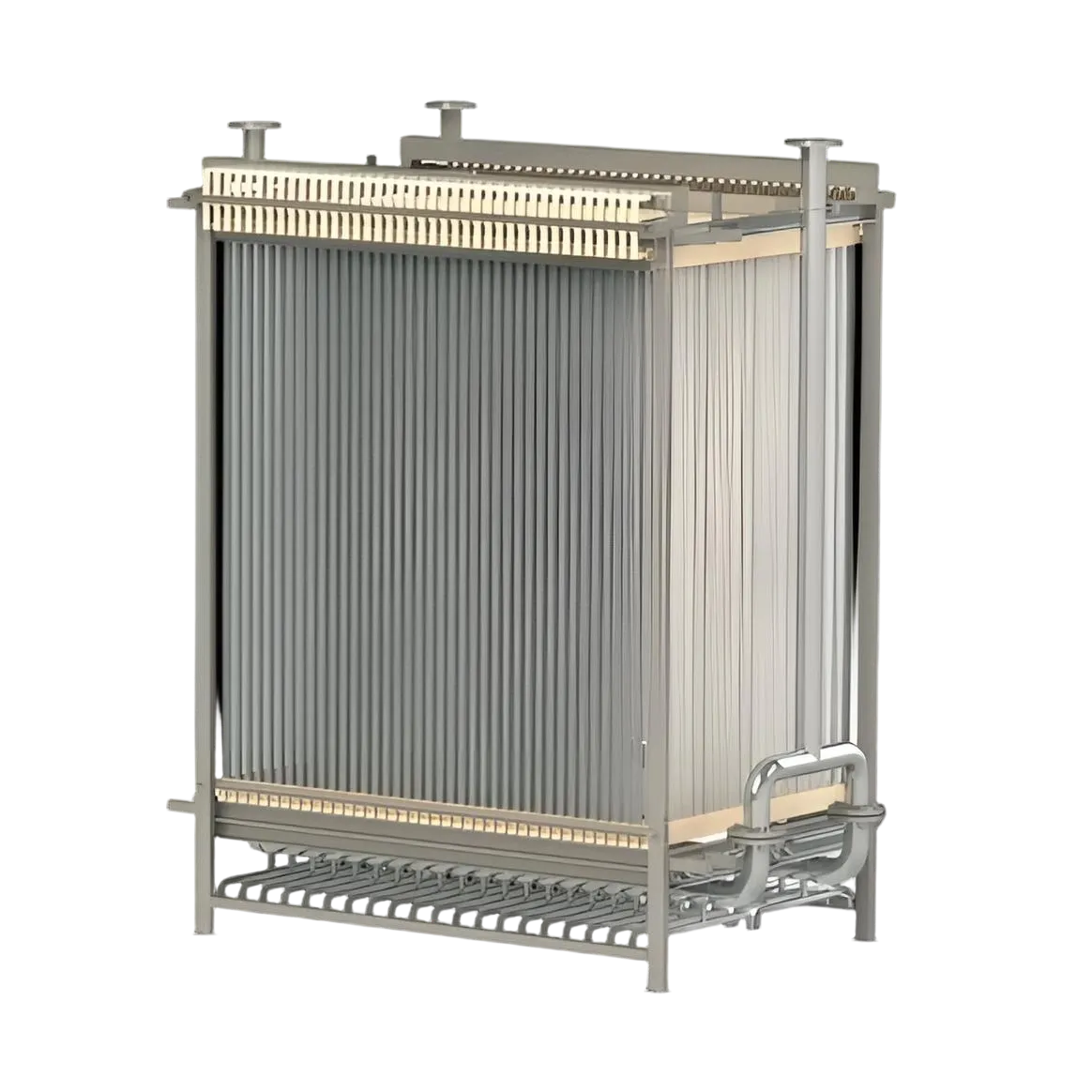
All ultrapure water systems have an RO reverse osmosis device, which is an important purification system. Often, when ultrapure water systems slow down, many people attribute it to a clogged RO membrane. However, this is not the case; there are other reasons why ultrapure water systems may slow down the process.
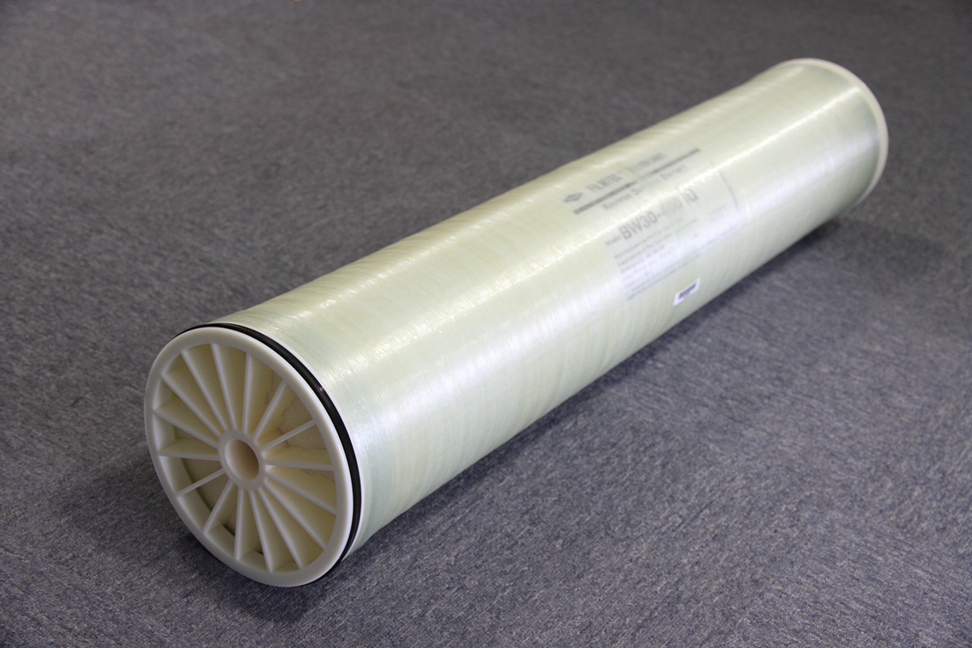
A decrease in booster pump pressure is common in water purifiers with longer service lives or those that have been in continuous operation. The principle of an ultrapure water purifier is that the pump pressurizes the water to the appropriate pressure required for the reverse osmosis membrane to pass through. Increased water consumption and water contamination can shorten the pump's lifespan, leading to slower water production.
The water production rate of the RO membrane is highly dependent on temperature. The maximum water temperature should not exceed 40 degrees Celsius, and the minimum should not fall below 5 degrees Celsius. Generally, for every 1°C drop in water temperature, the RO membrane's water production decreases by approximately 3%. When the water temperature drops below 5°C, the RO membrane will stop producing water. Therefore, the water production rate will be lower in winter than in summer, and users need to take precautions against freezing.
If the pre-filter cartridge is not replaced for a long time, the water concentration inside the machine will become much worse than the incoming water quality, causing blockage and a decreasing water flow. Prolonged use can also contaminate the entire ultrapure water system. Therefore, it is essential to develop a habit of regularly replacing the filter cartridge.