





Phone:
0086 28 87573647
+86 19150187139

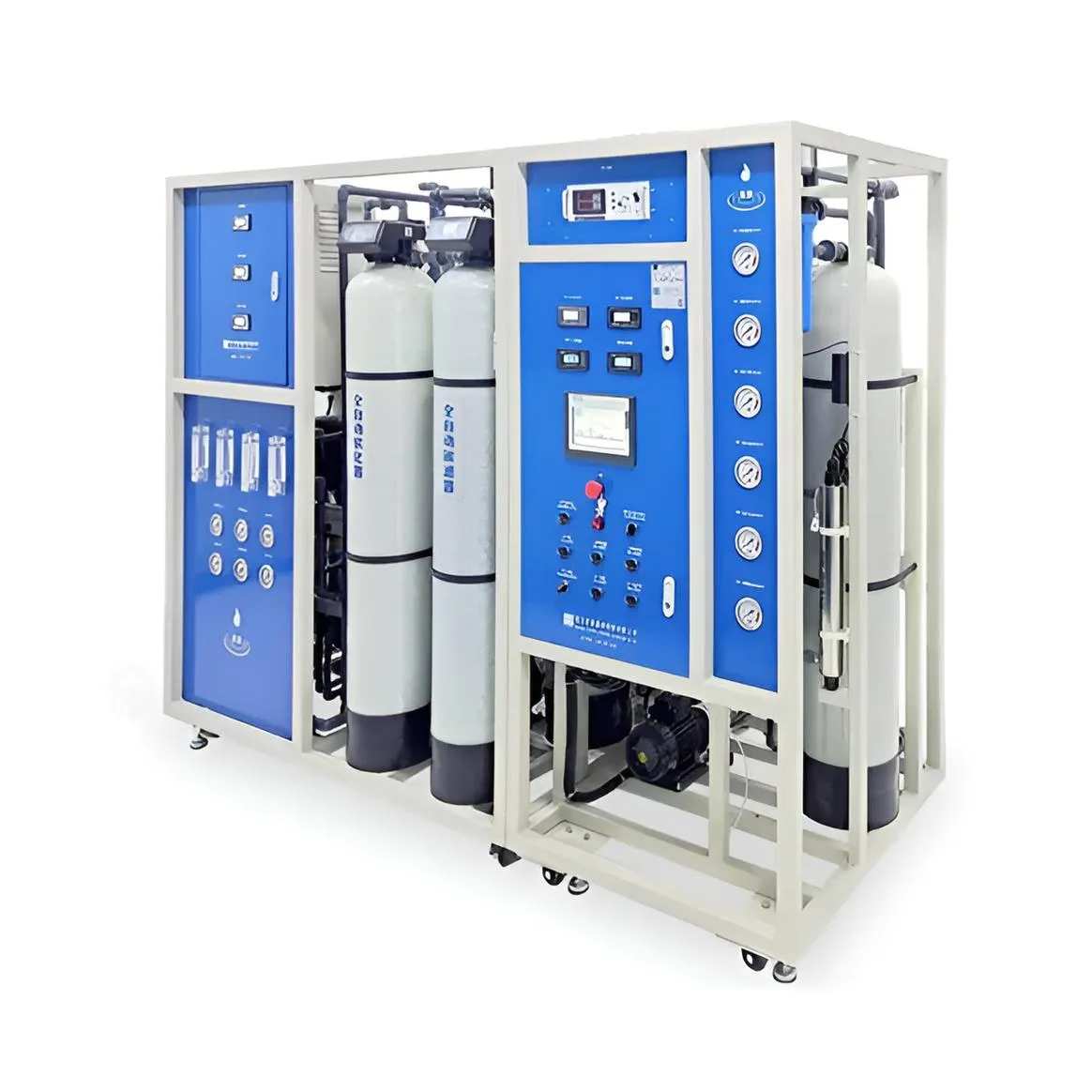
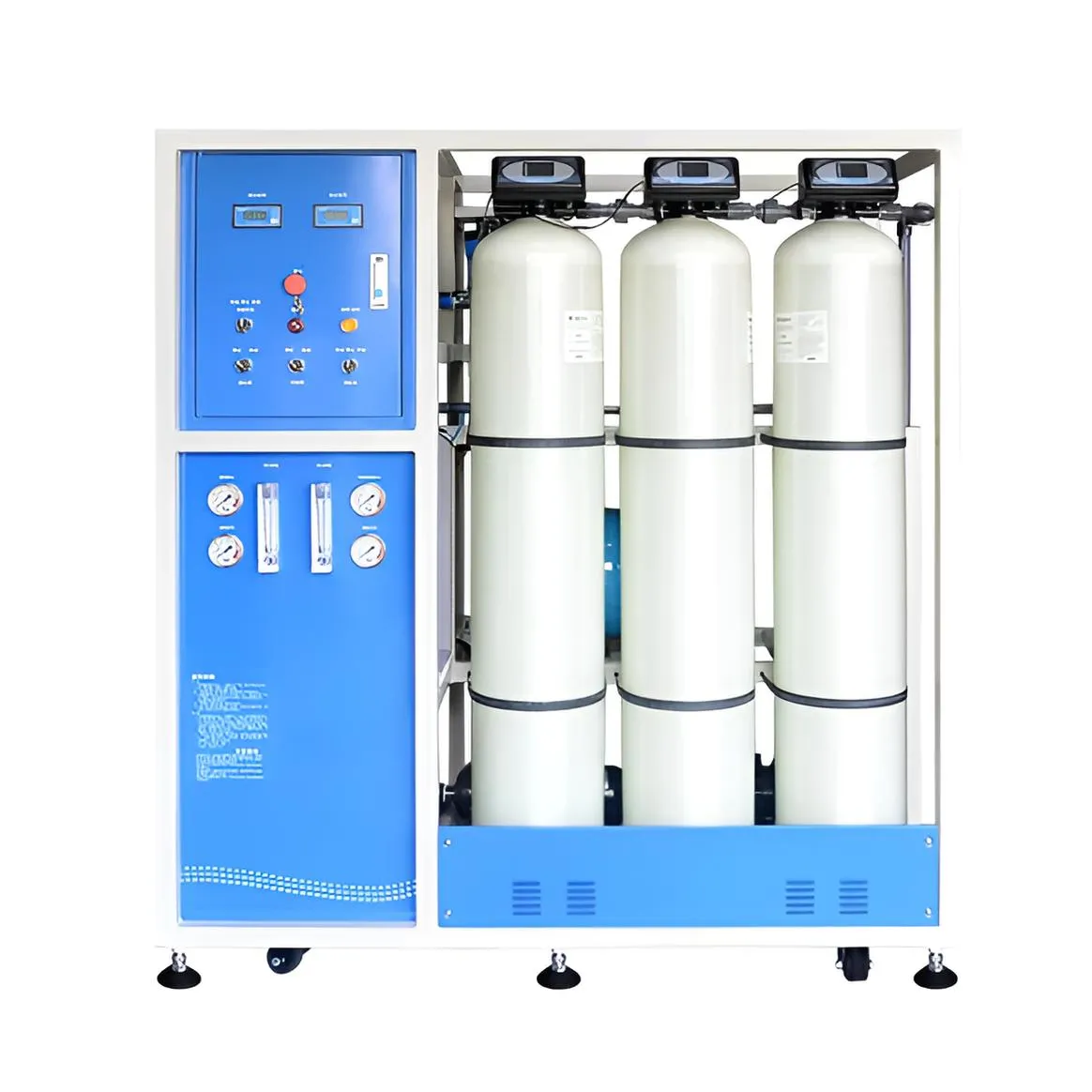
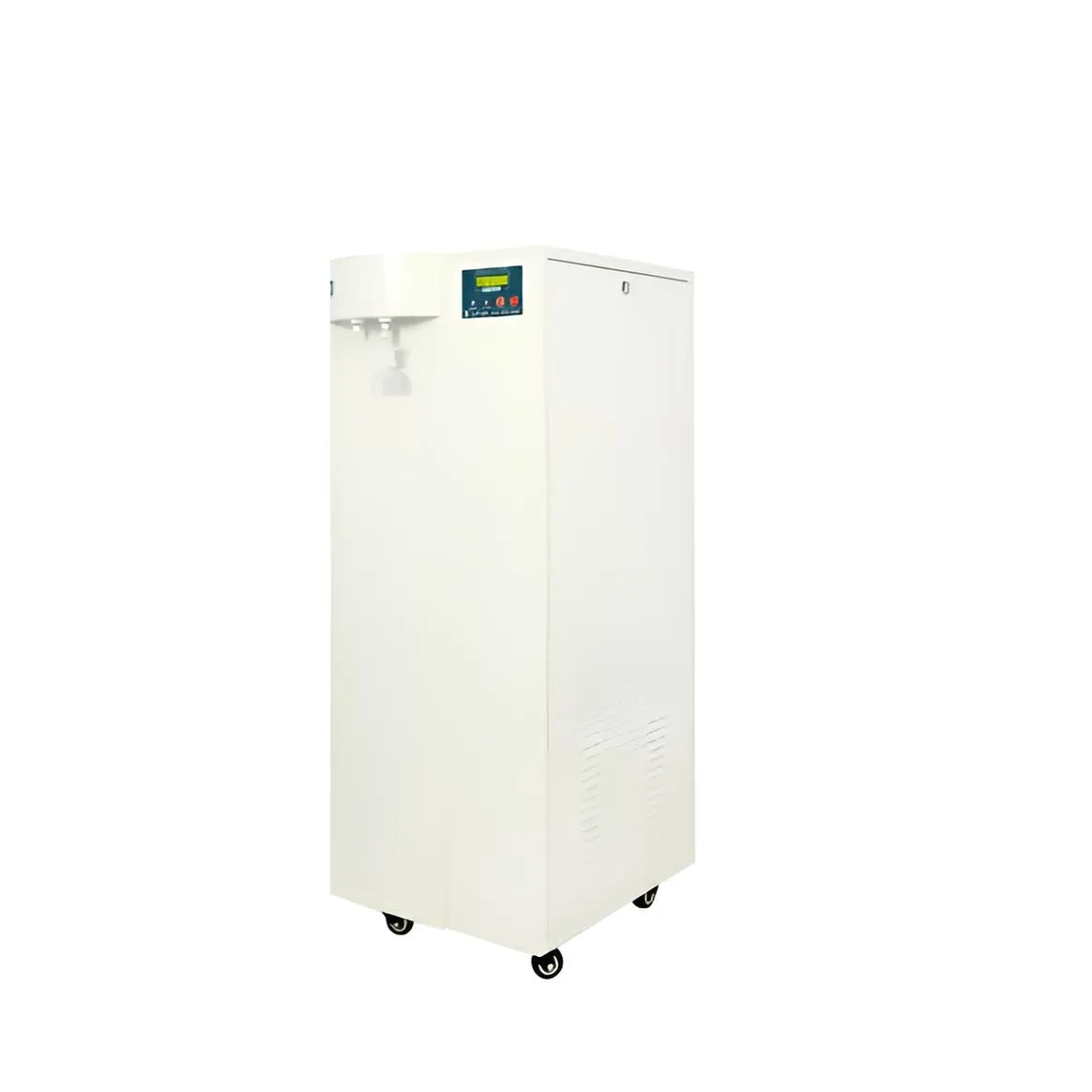
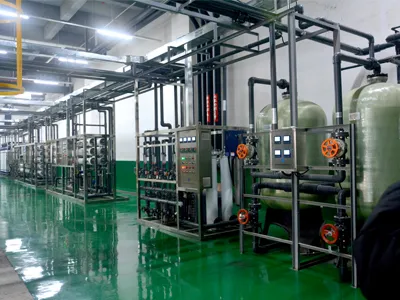
A fully automatic water softener, as the name suggests, is a device that reduces water hardness. It can be widely used for softening the makeup water in systems such as steam boilers, hot water boilers, heat exchangers, evaporative condensers, air conditioners, and direct-fired turbines. It can also be used for domestic water treatment in hotels, restaurants, office buildings, apartments, and for water softening in industries such as food, beverage, brewing, laundry, printing and dyeing, chemicals, and pharmaceuticals.
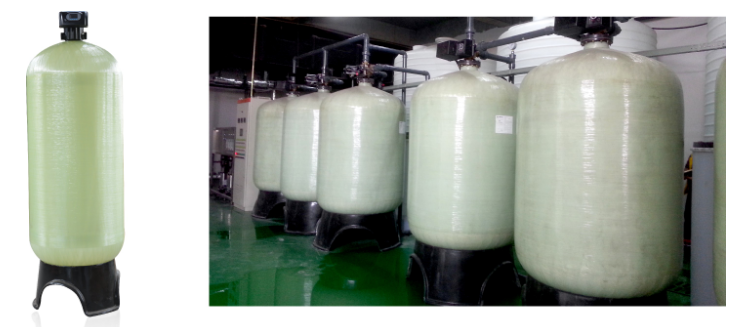
It is a key sealed device in the water softening process. Made of stainless steel or fiberglass, it contains a certain amount of cation exchange resin. Its main function is to reduce the calcium and magnesium ions in the water by causing a displacement reaction when raw water flows through the resin layer, thus providing industrial-grade softened water that meets national standards.
After the fully automatic water softener has been operating for a period of time, when the resin's exchange capacity becomes saturated with calcium and magnesium ions in the water, the brine tank automatically supplies water to regenerate the ion exchange resin and restore its exchange capacity.
1. Ion exchange is mainly used to remove soluble salts from water. When selecting resin, factors such as raw water quality, treatment requirements, exchange process, investment, and operating costs should be considered comprehensively. When separating inorganic cations or organic alkaline substances, cation resins are preferred; when separating inorganic anions or organic acids, anion resins are preferred. For the separation of amphoteric substances such as amino acids, either cation or anion resins can be used. For certain precious metals and metal ions, chelating resins can be used for exchange and recovery. For organic matter, macroporous resins with low cross-linking degree are preferred. Most desalination systems use strong resins.
2. In wastewater treatment, weak resins are preferred for ions with high exchange potential. Weak resins have strong exchange capacity, are easy to regenerate, and have lower operating costs. When wastewater contains multiple ions, multi-stage recovery can be achieved using exchange selectivity. If recovery is not required, cation exchange resins can be mixed.
1. Freezing Prevention: Ion exchange resins should be stored indoors, maintaining an ambient temperature between 5°C and 40°C. Resins contain a certain amount of moisture at the factory. If the temperature is below 0°C, the water in the resin will freeze, increasing its volume and causing it to crumble and break, thus losing its ion exchange capacity. If the ambient temperature around the resin may be below 5°C, to prevent freezing, the ion exchange resin can be stored in a saline solution. However, the concentration of the saline solution must be prepared according to the temperature conditions. Different concentrations of saline solution should be prepared for different temperatures to prevent the saline solution from freezing and damaging the ion exchange resin.
2. Preventing Drying: Ion exchange resins dry out due to heat and sunlight evaporation, or moisture loss during storage, transportation, and use. This causes the volume of the ion exchange resin to fluctuate, leading to resin breakage or a decrease in mechanical strength, thus reducing its ion exchange capacity. In such cases, never immerse the resin directly in water. Instead, soak it in a saturated saline solution first to allow the resin to expand slowly and prevent breakage. Ion exchange resins should never be stored outdoors.
Furthermore, ion exchange resins should not be stored for extended periods, generally not exceeding 5 years. Otherwise, especially for anion exchange resins, the exchange capacity may significantly decrease due to the decomposition of the exchange groups.
3. Preventing Mold: If ion exchange resins are left unused in the exchanger for a long time, algae and bacteria will grow, causing mold and contamination of the ion exchange resin. Therefore, regular water changes and backwashing are necessary. Alternatively, it can be disinfected by soaking in a 1.5% formaldehyde solution. When storing ion exchange resins, anion exchange resins and cation exchange resins must be stacked separately, labeled, and never mixed.





