


Phone:
0086 28 87573647
+86 19150187139

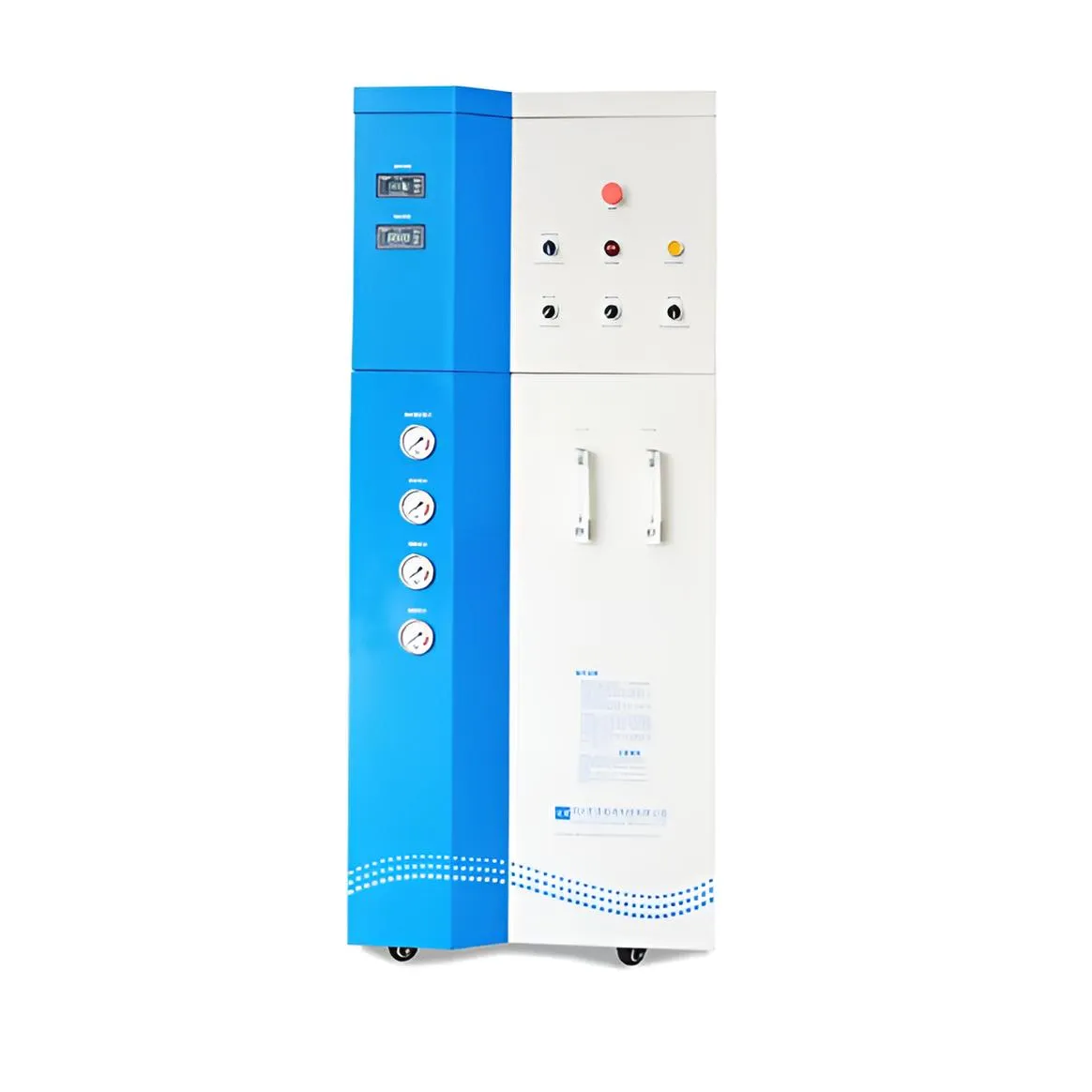
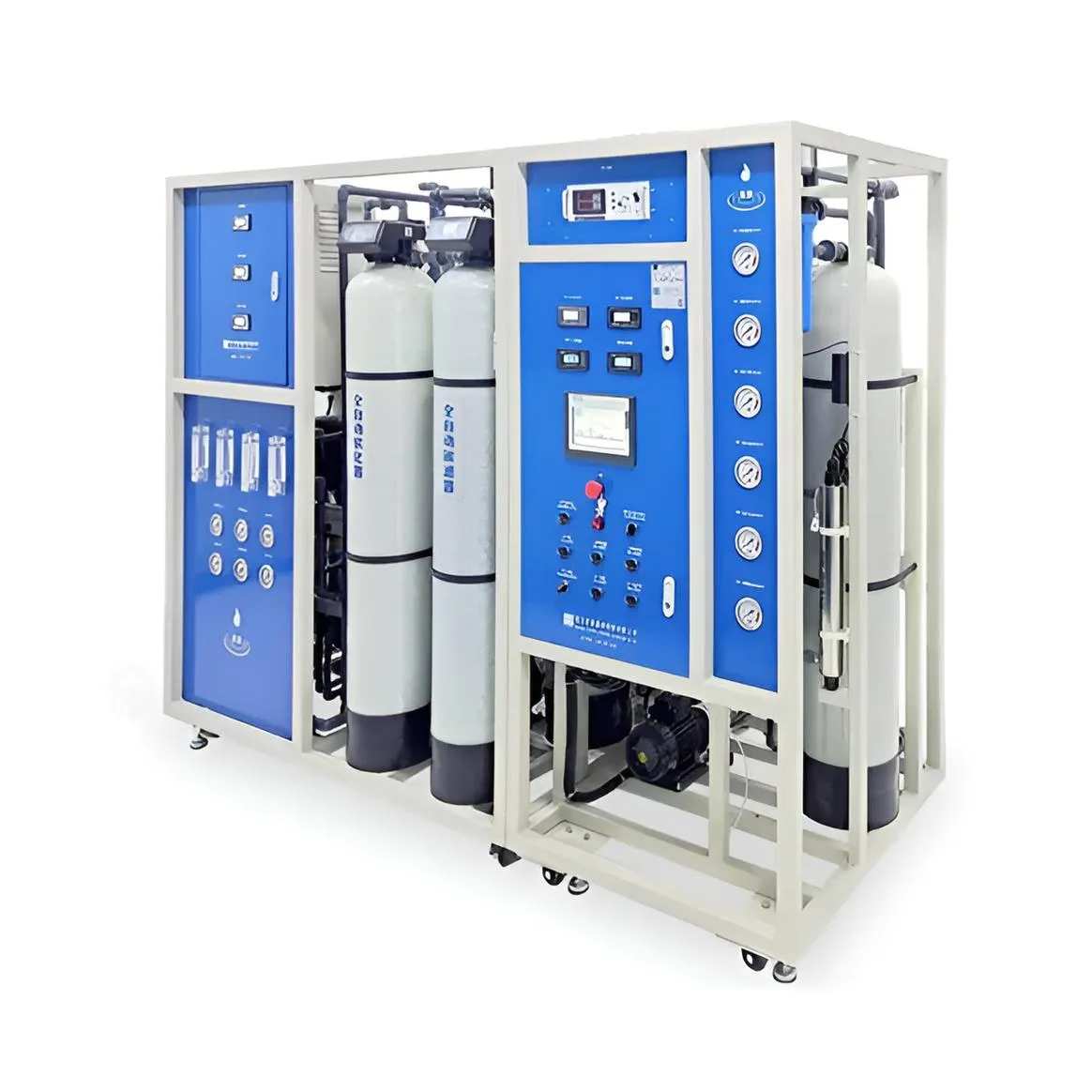
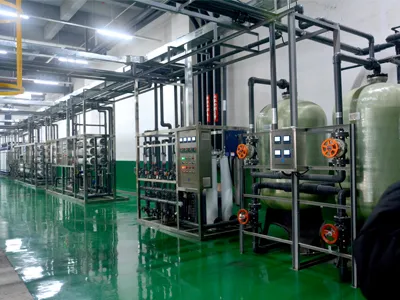
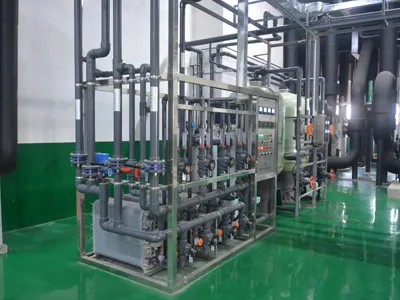
Pretreatment equipment is installed in industrial pure water systems to protect the various systems within the system and ensure that the incoming water meets the required quality standards. So, how should pretreatment methods be selected for industrial pure water systems?
1. When the suspended particulate matter content in the raw water is less than 50 mg/L, contact coagulation or filtration can be used. This involves adding a coagulant and then directly injecting the water into the filter via a pump or pipeline. Currently, multi-media filters are commonly used.
2. When the carbonate hardness of the raw water is high, lime can be added for pre-softening while removing turbidity. Of course, the most common method currently is to use cation exchange resin or add scale inhibitors.
3. When the organic matter content in the raw water is high, chlorination, coagulation, and clarification filtration can be used. If these methods still do not meet the requirements of subsequent processes, activated carbon filtration or other measures to remove organic matter can be added.
4. When the free chlorine content in the raw water exceeds the standards for subsequent influent, activated carbon filtration or the addition of sodium sulfite can be used for treatment.
5. If subsequent treatment processes use reverse osmosis or EDI equipment, an additional precision filtration device (or set of filtration units) should be installed before the raw water enters the equipment as a protective measure for the reverse osmosis or similar equipment.
6. If subsequent processes require high levels of colloidal silica, magnesium oxide can be added along with lime to remove silica.
7. When the raw water has high iron and manganese content, aeration and filtration devices should be added to remove iron and manganese.
The above content is an introduction to the selection of pretreatment methods for industrial pure water equipment. Pretreatment is a very important and indispensable part of industrial pure water equipment.