







Phone:
0086 28 87573647
+86 19150187139

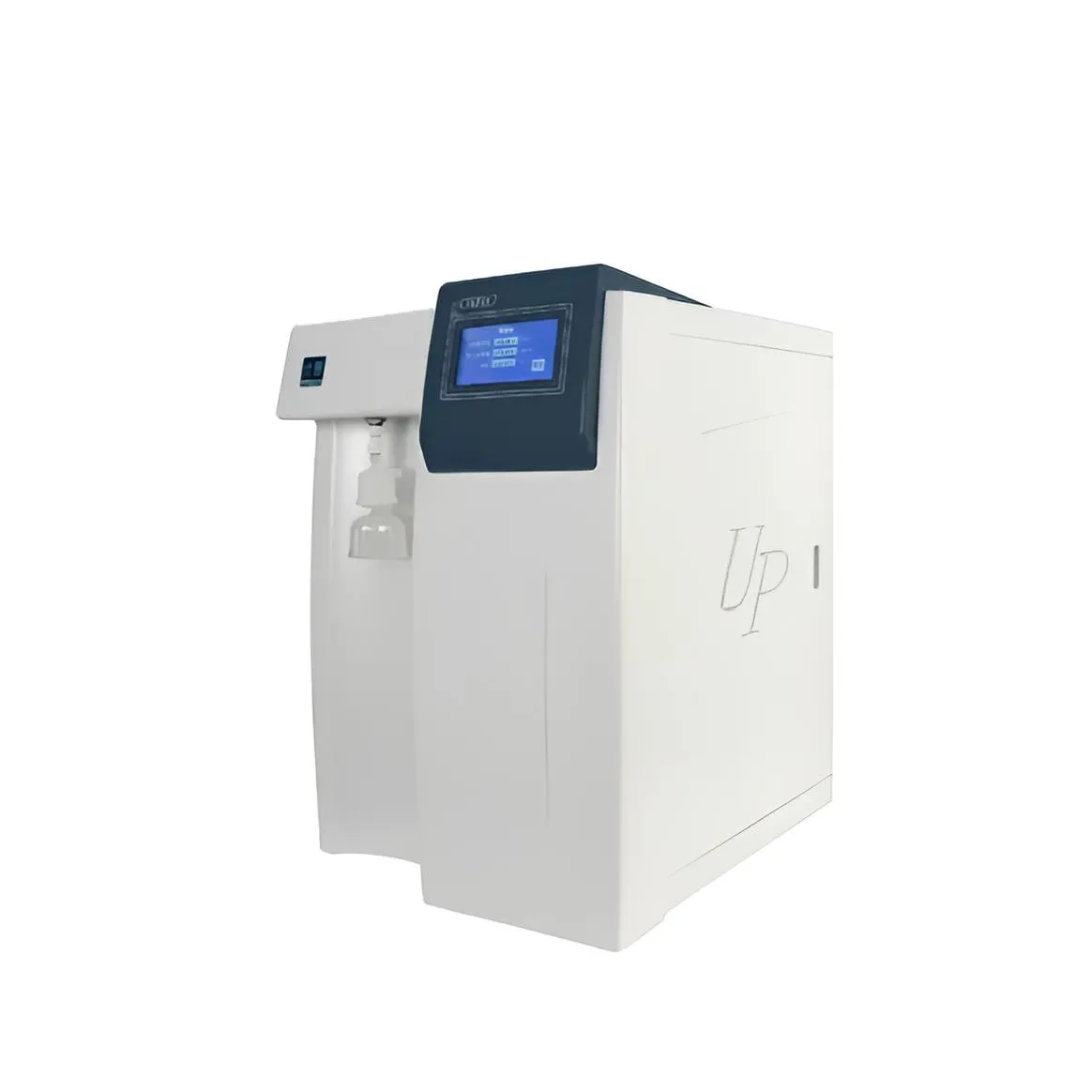
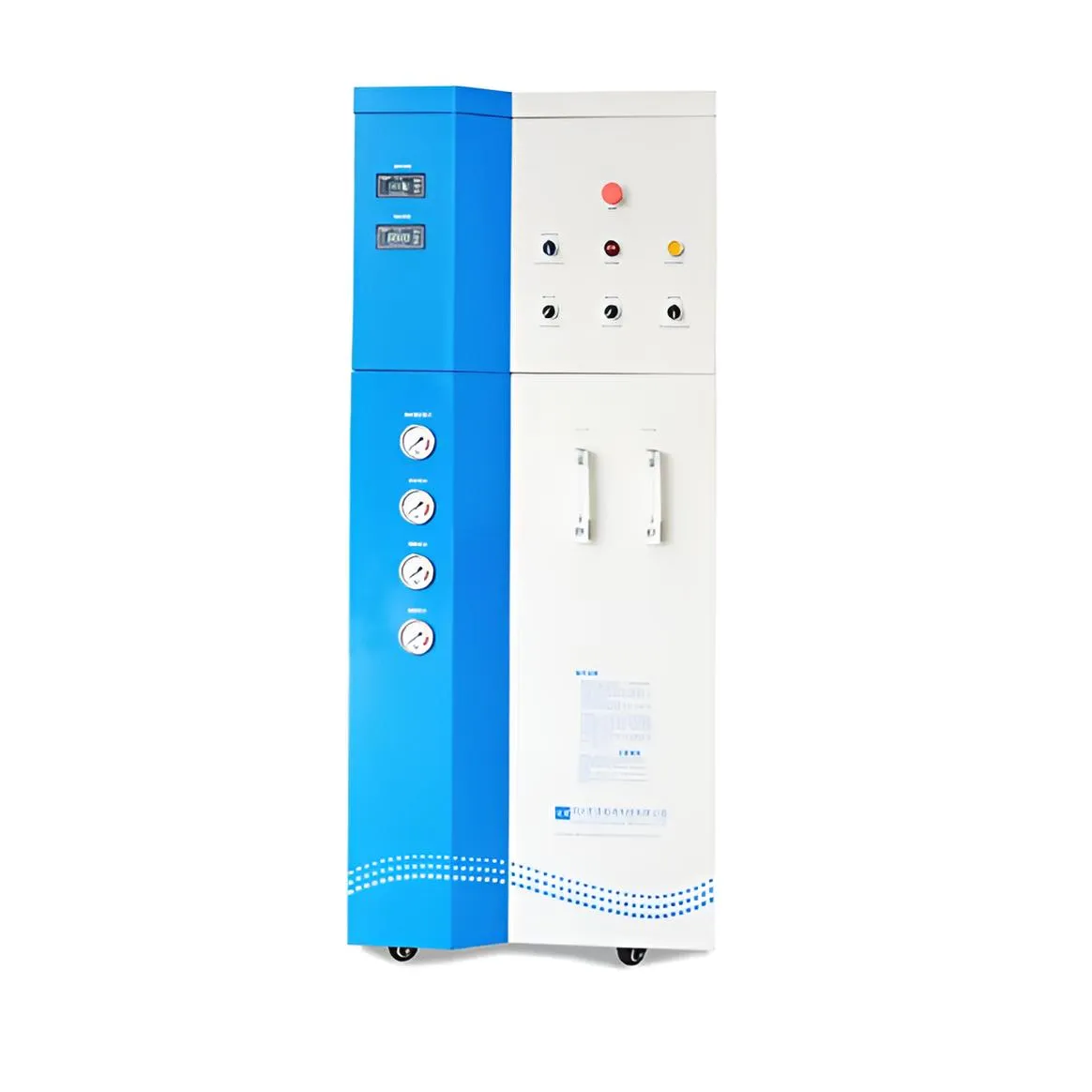
In daily life, many people often confuse distilled water, deionized water, and pure water, and some even believe they are the same substance. In fact, although they are all relatively pure water, they are different, and their functions and uses differ, especially in laboratory applications where proper and cautious use is crucial. Let's discuss the differences between these types of water:
1. Ultrapure Water: Requires a special process to produce. Water with a resistivity greater than 18 MΩ*cm (no clear boundary) is called ultrapure water. The key is to examine the purity and various characteristic indicators of the water, such as conductivity or resistivity, pH value, cations and anions, particulate matter, and microbiological indicators. Ultrapure water can meet the requirements of precision instruments in scientific research, biology, medicine, electronics, and chemical industries.
2. High-Purity Water: Refers to water with extremely high chemical purity. It is mainly used in fields such as biology, chemical engineering, metallurgy, aerospace, and power, because the requirements for water purity are extremely high. For example, the pure water used in power systems requires the content of various impurities to be as low as "micrograms per liter." 3. Deionized water: This is produced by passing water through an ion exchange resin. The cations in the water are absorbed, and the H+ ions on the resin are replaced by the water, forming inorganic acids with the cations. The water containing these inorganic acids then passes through an anion exchange resin, where OH- ions are replaced and combine with H+ ions to form water. This is deionized water. Because the number of ions in deionized water can be controlled, its physical and chemical properties can be well controlled. This makes product quality easier to control in industrial production.
4. Distilled water: This is water obtained by distilling and condensing ordinary water. Water distilled twice is called double-distilled water, and water distilled three times is called triple-distilled water. Previously, industrial water was often obtained using distillation, but ordinary distillation generally results in low purity water. Multiple distillation stages are necessary to achieve relatively pure water, and sometimes reagents are added to meet requirements, which increases costs.
The above describes four levels of water purification, from highest to lowest. Water purification essentially involves removing impurities such as particulate matter, organic matter, and microorganisms. The more thoroughly impurities are removed, the purer the water. When choosing water, you should select the type that best suits your needs. If you have any further questions, please contact customer service!





