


Phone:
0086 28 87573647
+86 19150187139

Precise analysis by high-performance liquid chromatography (HPLC) relies heavily on the comprehensive support of ultrapure water. Ultrapure water is not simply a "solvent" in HPLC experiments, but a crucial element throughout the entire experimental process; its water quality stability directly affects experimental efficiency, data quality, and instrument lifespan.
Application scenarios | Core role | Water quality requirements |
Preparation of mobile phase | As a basic component, it adjusts the elution intensity to ensure clear component separation and symmetrical peak shapes. | Free from ions and organic impurities |
Preparation of standard solutions | Ensure concentration accuracy and avoid standard curve deviation. | No impurities interfere with concentration, high concentration stability |
Dissolving and diluting samples | Avoid exogenous contamination and ensure sample authenticity. | No microorganisms, no particulate matter |
Instrument cleaning and maintenance | Remove residual substances, prevent column clogging, and extend instrument life. | No ion residue |
HPLC experiments require ultrapure water that meets Type I standards : resistivity ≥ 18.2 MΩ·cm, TOC ≤ 5ppb.
Comparison items | Bottled ultrapure water | Laboratory ultrapure water system |
Water quality stability | Storage is susceptible to contamination, and water quality deteriorates rapidly. | Ready to use immediately, water quality is controllable in real time |
Usage cost | High long-term procurement costs | Higher cost-effectiveness in the long run |
Supply security | Due to logistical constraints, continuous supply is not possible. | To meet the demand for continuous and stable water use |
Microbial risk | Microorganisms can easily grow after opening. | Prepare and use immediately; low risk of microbial contamination. |
Conclusion : Laboratory-prepared ultrapure water systems are currently the mainstream choice for HPLC water.
When selecting equipment, three key indicators should be given priority:
1. Water quality stability : Resistivity and TOC meet standards for a long period, avoiding fluctuations that could affect experimental results.
2. Purification capability : Highly efficient removal of ions, organic matter, microorganisms, and particulate matter, suitable for high-end HPLC and LC-MS coupling requirements.
3. System Reliability : Stable operation, convenient maintenance, and equipped with intelligent monitoring and fault early warning functions.
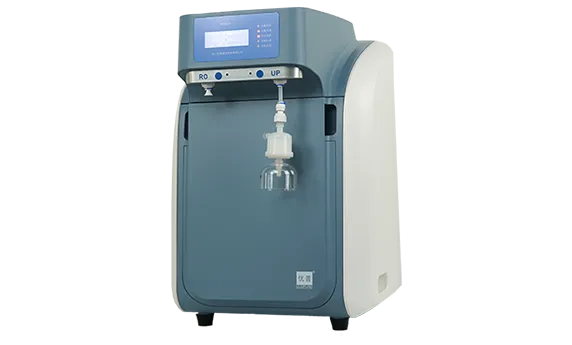
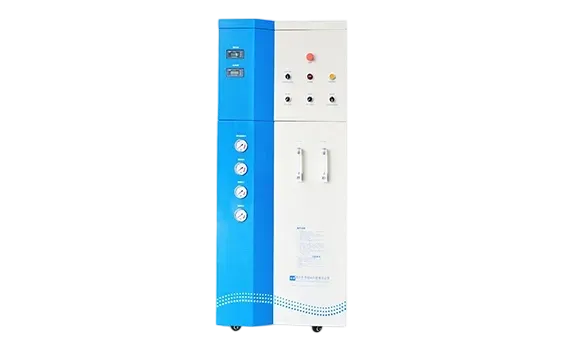
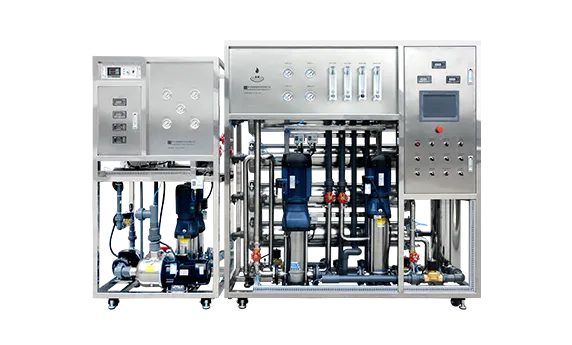
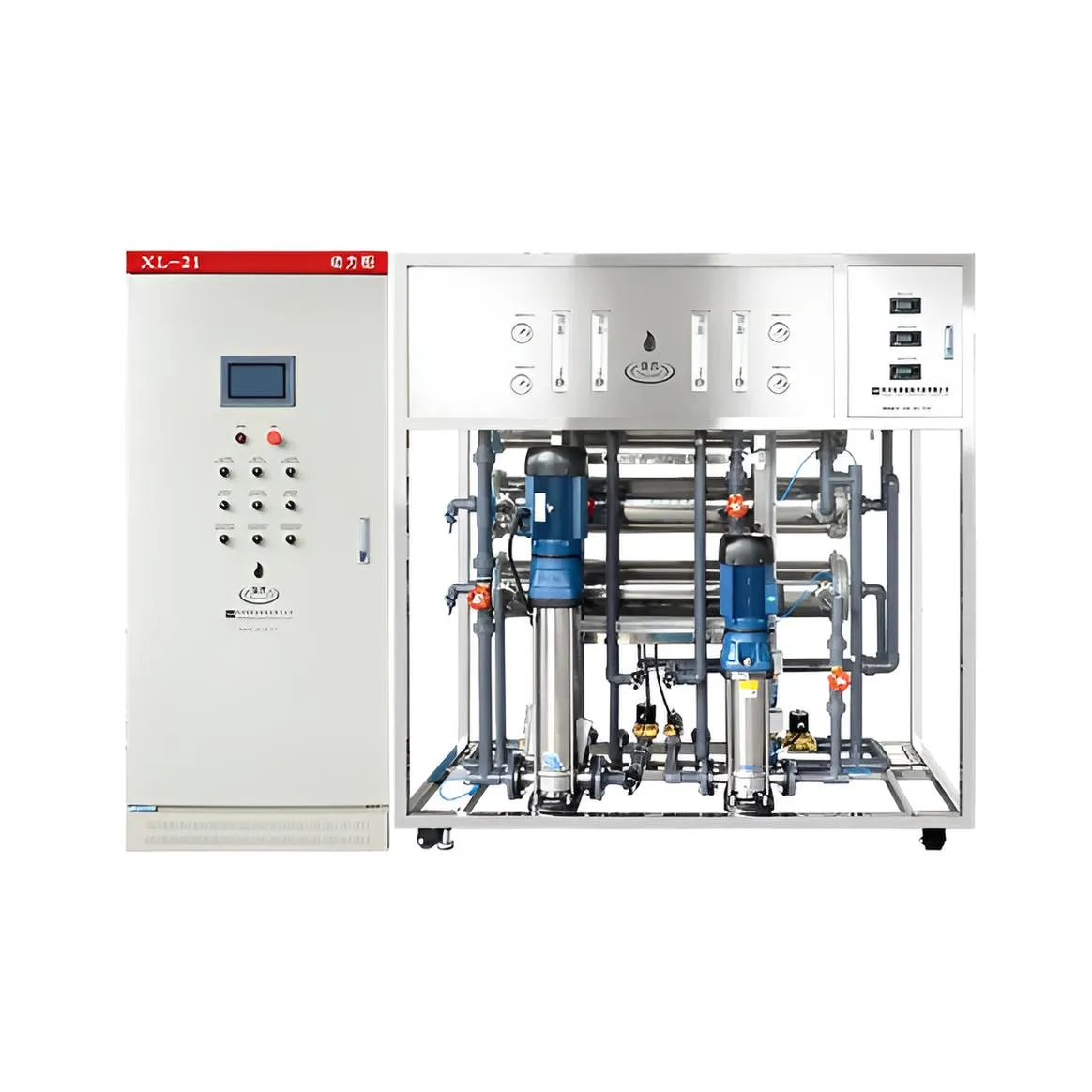
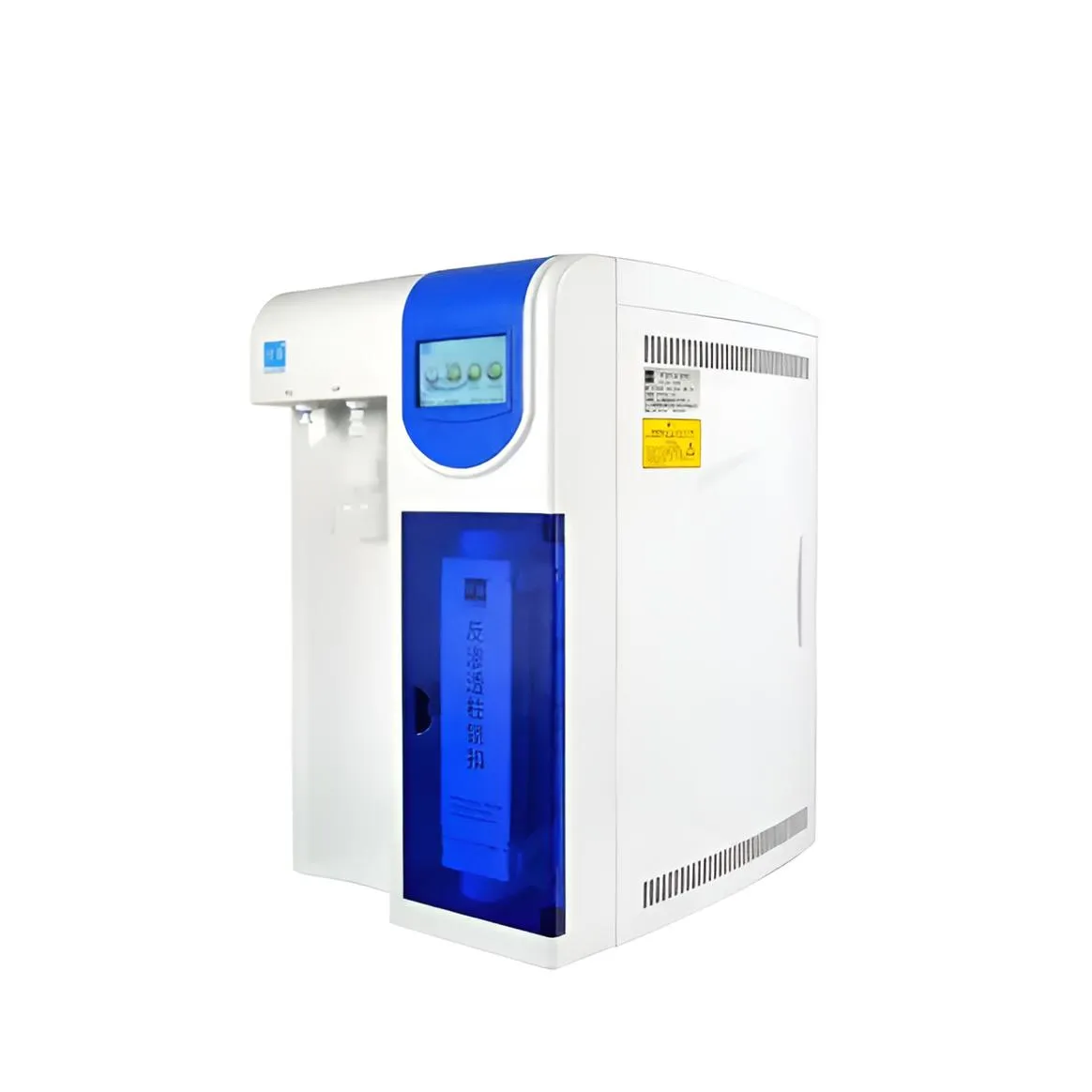
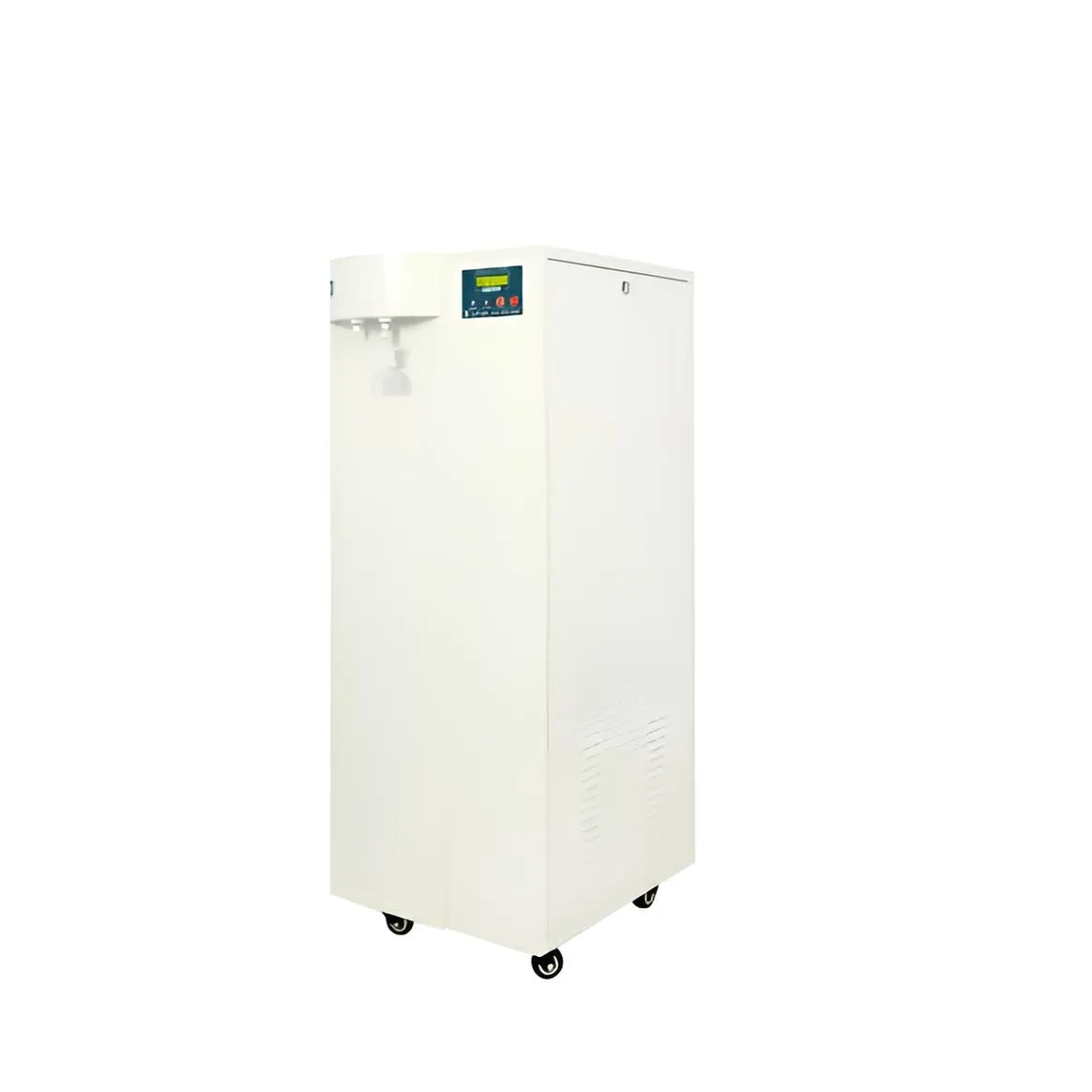
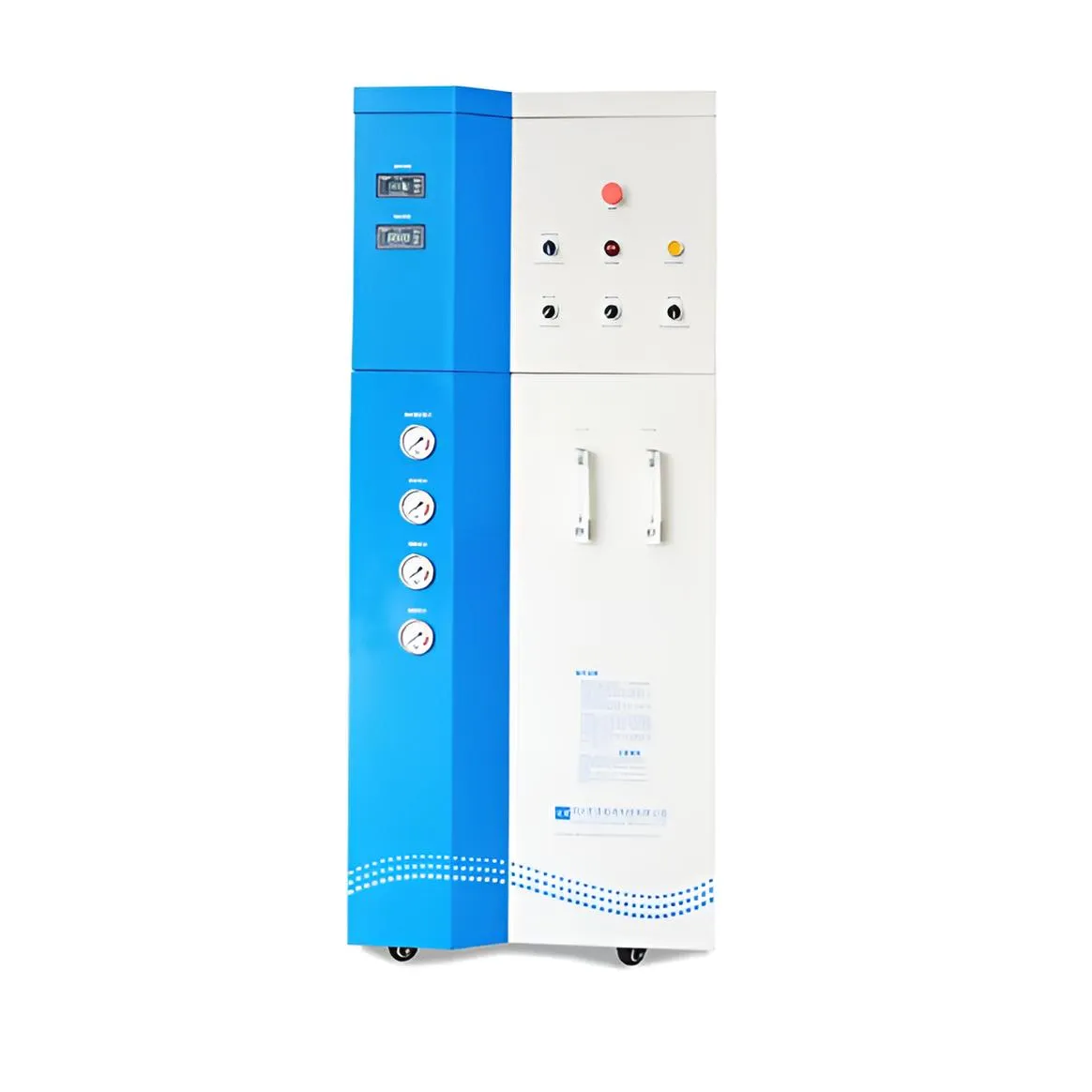
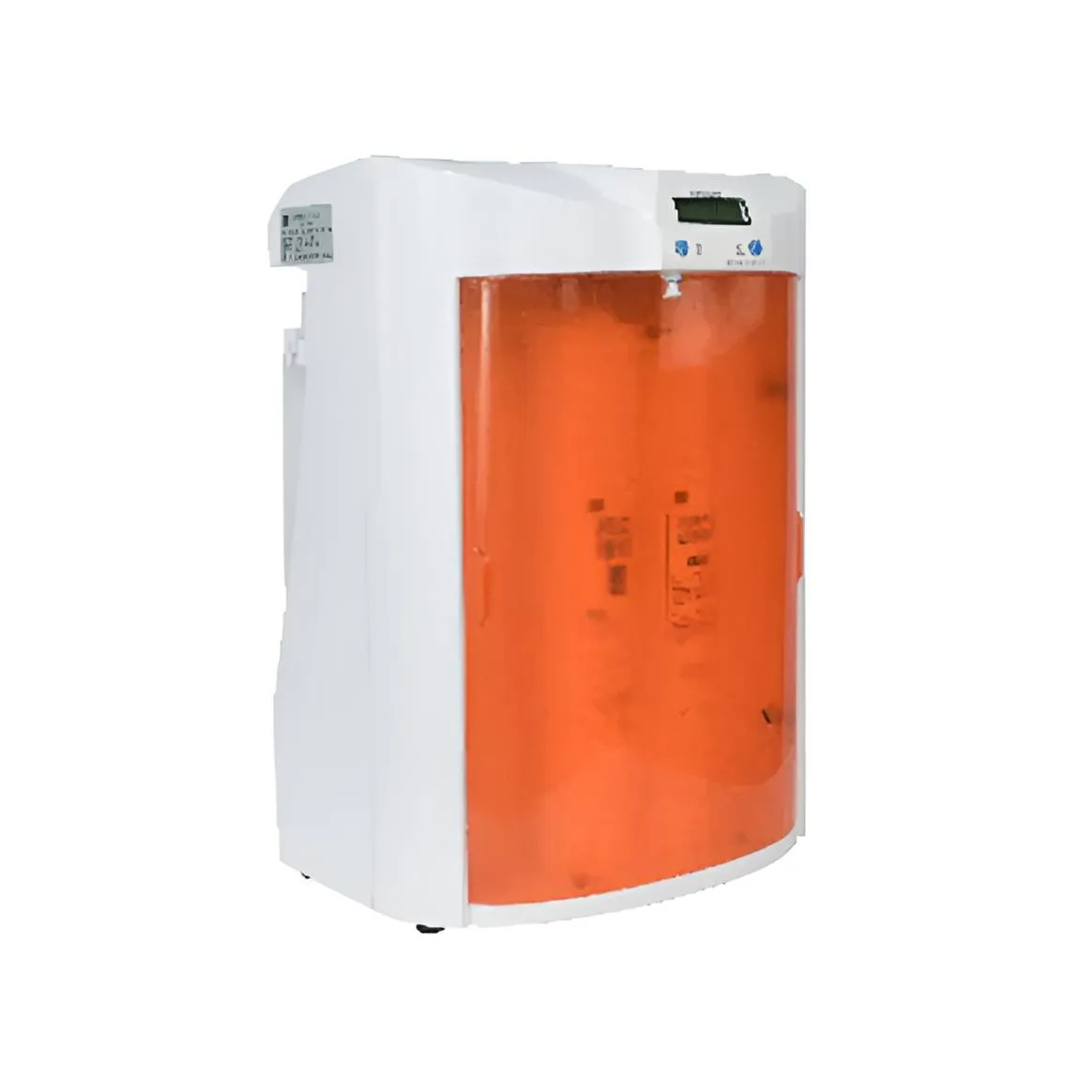
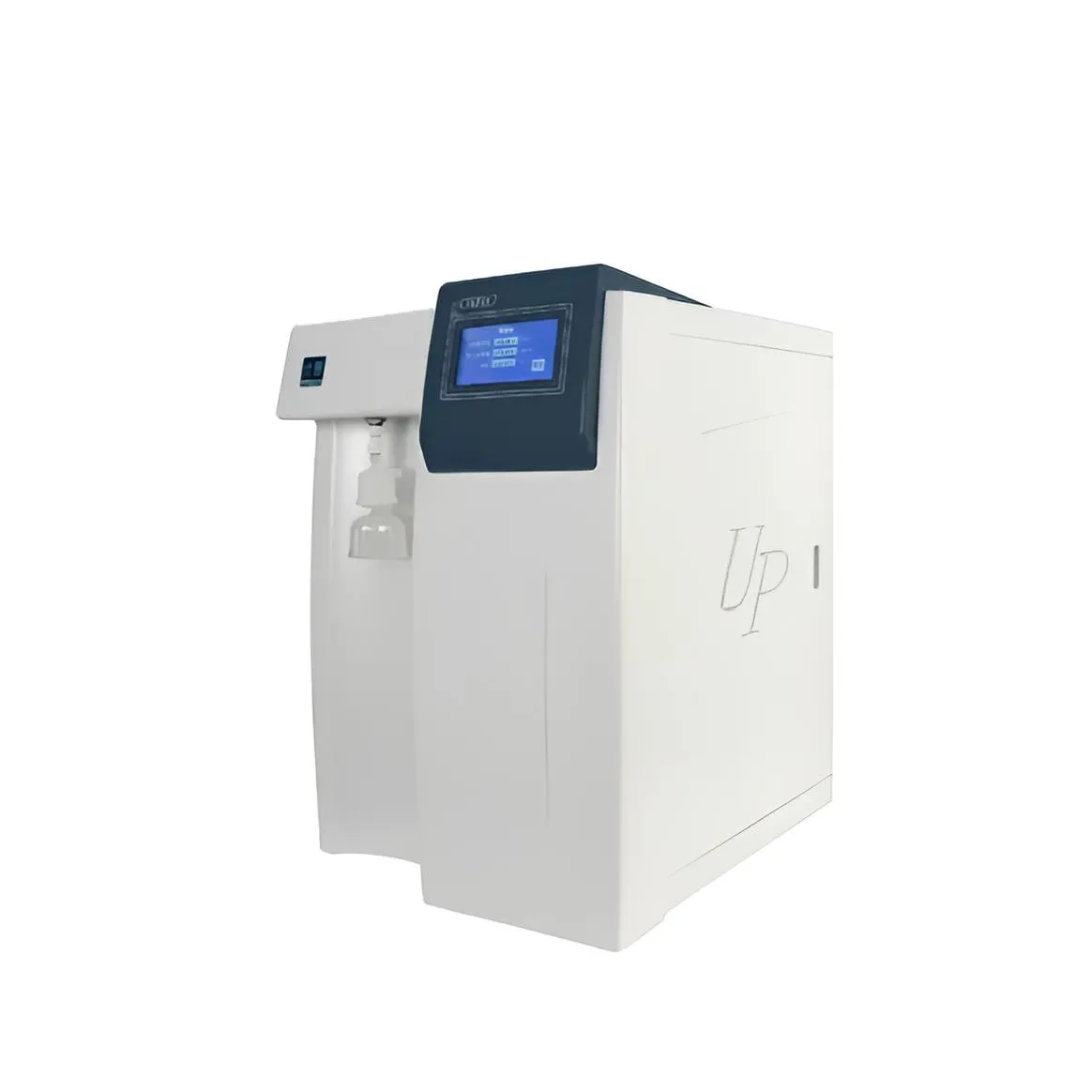
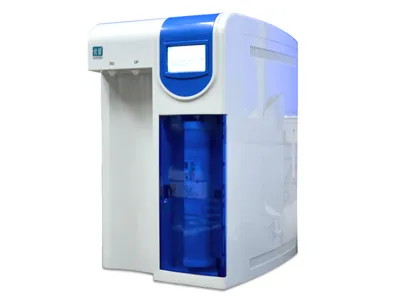
UPU ultrapure water systems offer professional solutions tailored to the characteristics of HPLC experiments:
series | Core technologies | Applicable Scenarios | Key Indicators |
UPR series | Dual-film process | Conventional HPLC experiments | High purification efficiency and stable water quality |
ULPHW Ultra-Low TOC Series | Deionization + UV light + ultrafiltration + terminal microfiltration | HPLC, GC-MS, ICP-AES, ICP-MS, AAS, GF-AAS, IC, PCR applications | TOC ≤ 3 ppb, resistivity 18.2 MΩ·cm |
General functions : Dual water output (pure water + ultrapure water), online water quality monitoring, intelligent consumable reminders, and automatic fault diagnosis, comprehensively reducing operation and maintenance pressure and providing continuous and reliable water quality assurance for HPLC analysis.