







Phone:
0086 28 87573647
+86 19150187139

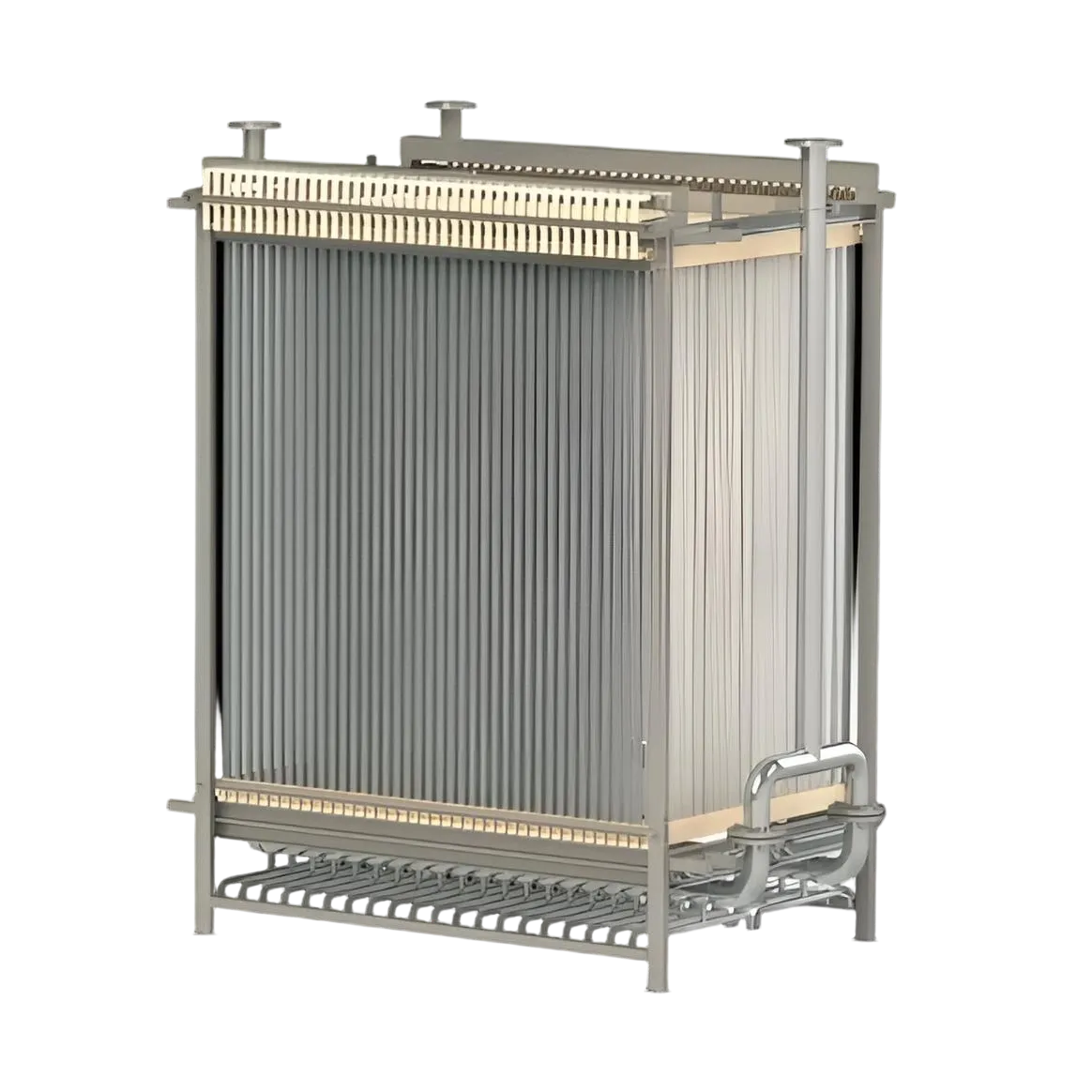
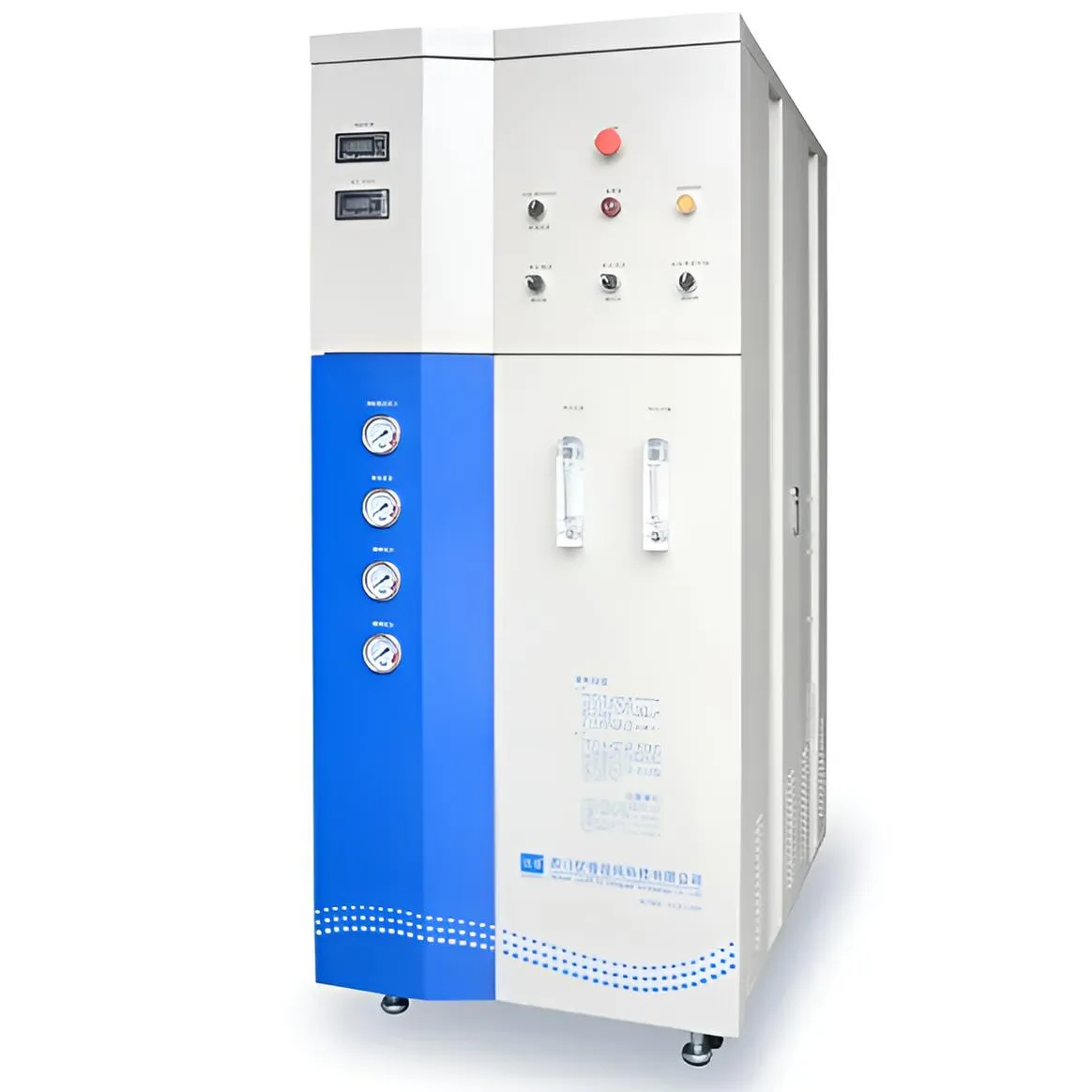
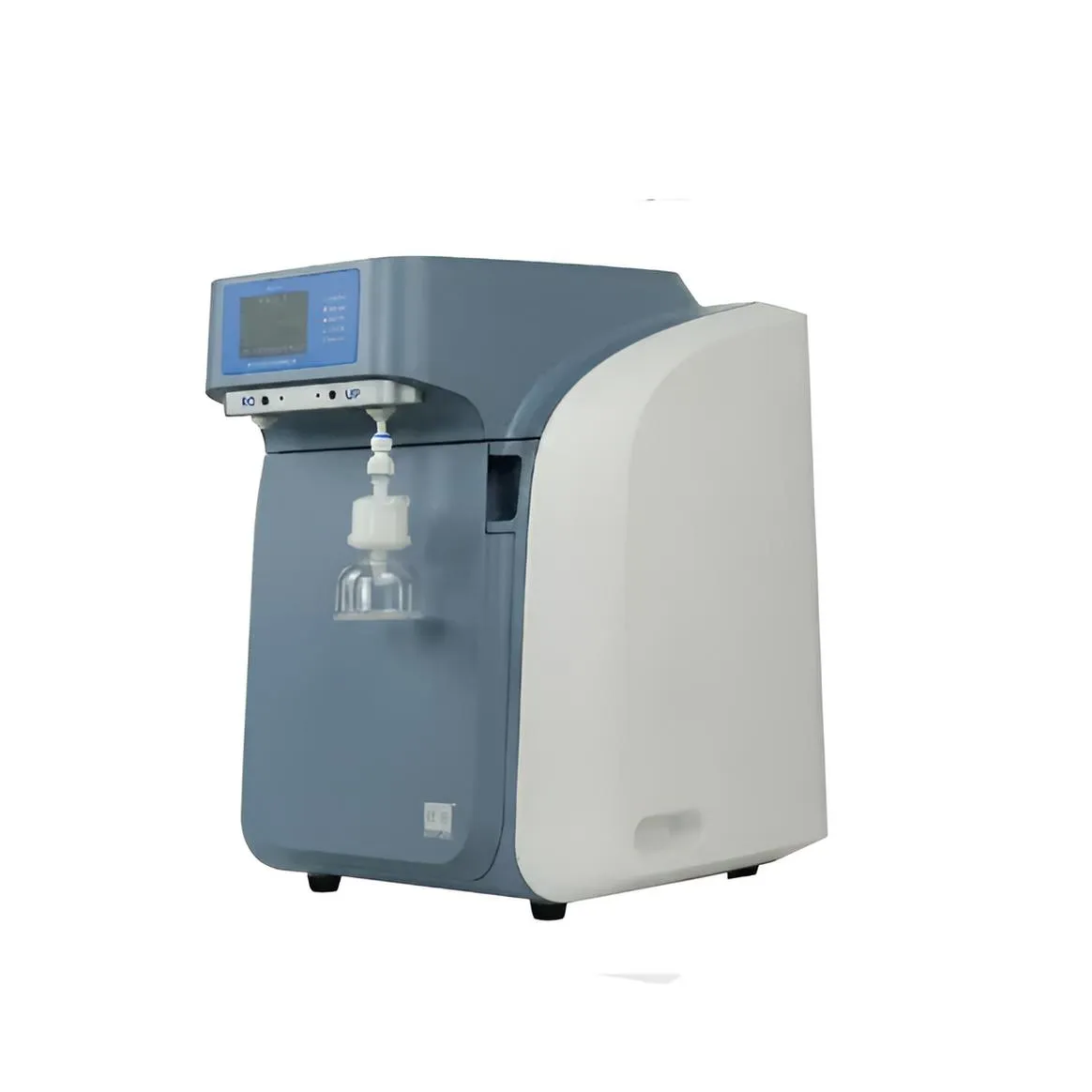
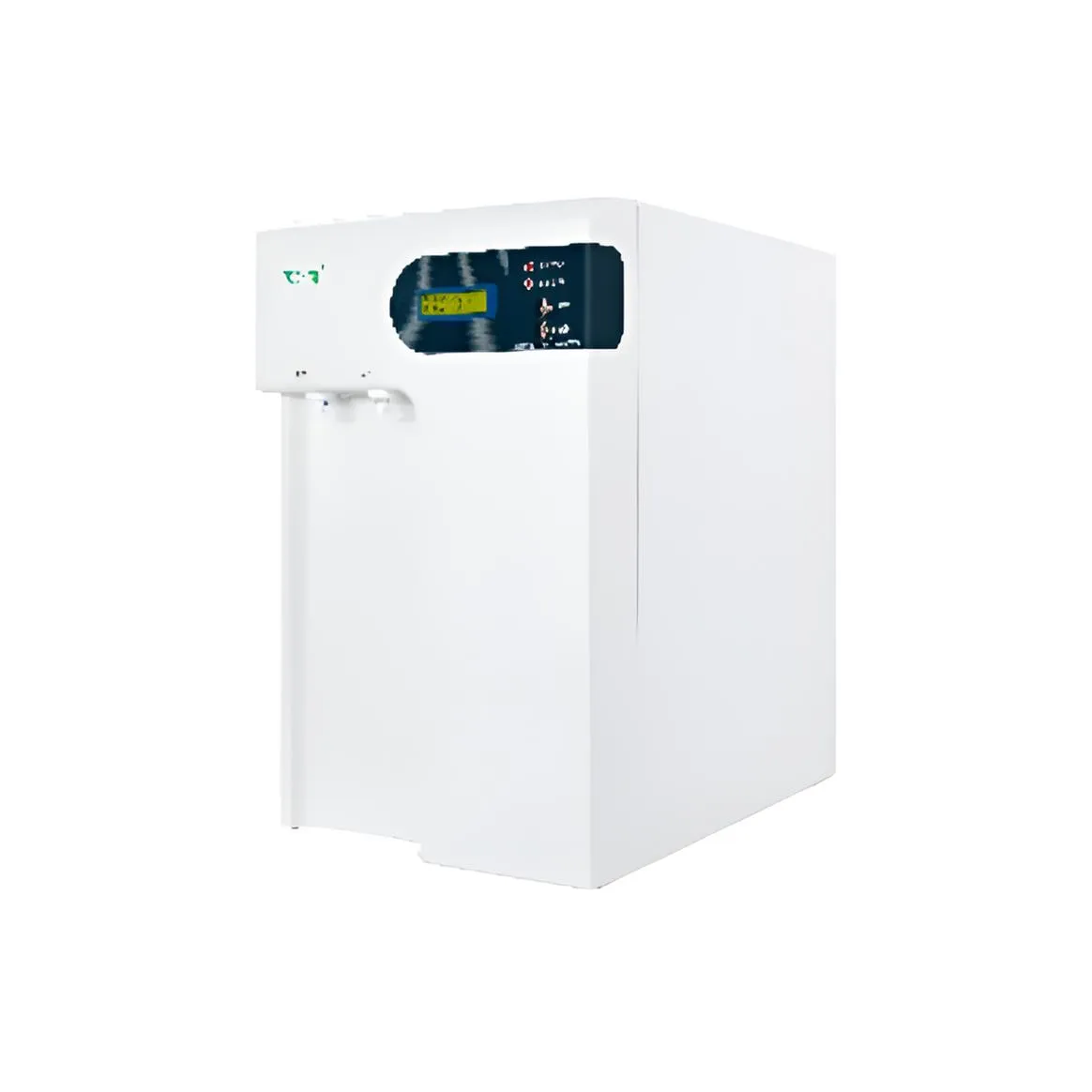
The EDI module in an ultrapure water system plays a crucial role. Many factors influence the normal operation of an EDI system, and the influent flow rate is one of them. So, how does the influent flow rate affect the use of the EDI module in an ultrapure water system?
The influent flow rate is related to the EDI system's processing capacity, the quality of the influent water, and the influent pressure. Under the condition of a constant EDI system production capacity, the worse the influent water quality, the heavier the unit processing load of the module, and the lower the influent flow rate should be. During the module's startup phase, care should be taken to avoid excessive instantaneous flow, which can cause membrane perforation.
Since the electron flow in the module is mainly transferred through the filling resin, the concentrate current becomes, to a certain extent, a key factor affecting electron migration within the module. Actual experiments have shown that reducing the concentrate flow rate can increase the system current and, to some extent, improve water quality. However, a lower concentrate flow rate is not always better. An excessively low concentrate flow rate can lead to a larger concentration difference across the membrane, resulting in concentration diffusion and affecting water quality. On the other hand, due to the very low solubility of weakly charged ions (Si) and their ionic compounds, they easily become saturated in low-flow-rate concentrate, thus affecting the removal of weakly charged ions. Based on field tests, the concentrate flow rate should generally be 5%–10% of the influent flow rate.
The main function of electrode water is to cool the electrodes and remove gases generated on the electrode surface. Generally, the electrode water flow rate is about 1% of the influent flow rate. If the electrode water flow rate is too low, it cannot remove gases from the electrode surface in time, affecting the operation of the entire module.
This concludes the introduction to the impact of influent flow rate on the use of the EDI module in an ultrapure water system. For the normal operation of the ultrapure water system, it is important to pay close attention to the influent flow rate, as it has many effects on the equipment.





