


Phone:
0086 28 87573647
+86 19150187139

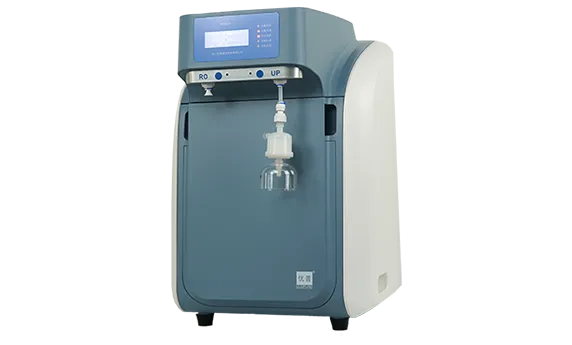
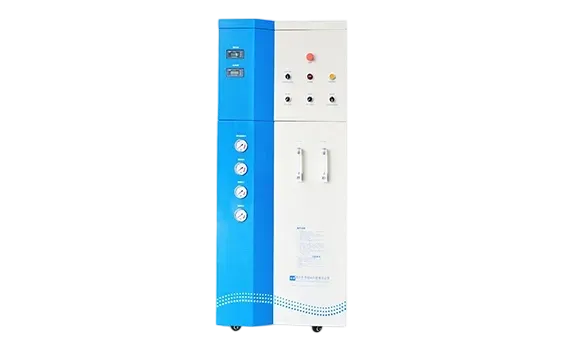
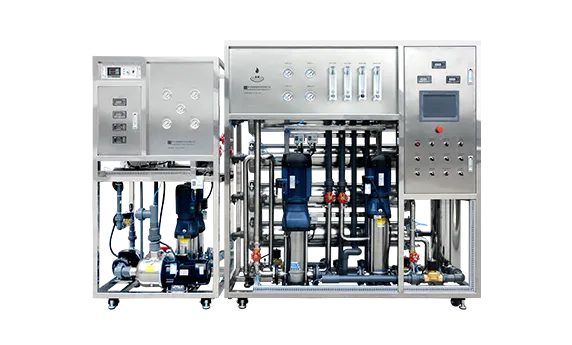
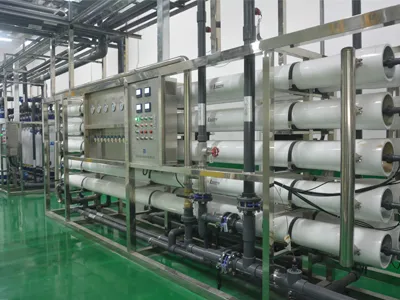
Tap water contains a high amount of calcium and magnesium ions, making it hard. Hard water in many industrial processes not only affects product performance but also damages a company's reputation. Therefore, ultrapure water equipment has emerged on the market. This equipment effectively removes calcium and magnesium ions as well as other impurities, ensuring the water fully meets production requirements. Below, we introduce the performance characteristics of ultrapure water equipment in removing hardness ions.
1. Removal Rate: The hardness ion removal rate of EDI refers to the ratio of the reduction in hardness ions in the effluent after membrane treatment to the hardness ion content in the influent before treatment.
2. Current Efficiency: For a specific electrodialysis unit, under certain influent conditions, there is theoretically a minimum operating current value—the minimum current required for all salt ions entering the desalination chamber to migrate to the concentrate chamber.
Furthermore, when the membrane stack operates in electroregeneration mode, some counterions on the salt-type resin are regenerated and enter the solution, subsequently migrating into the concentrate chamber under the influence of the electric field. This process may lead to a significant increase in the membrane stack current.
The above is an introduction to the performance characteristics of ultrapure water equipment in removing hardness ions. Hardness ions in water can cause scaling on the equipment, reducing its service life.