






Phone:
0086 28 87573647
+86 19150187139

A crucial step in the production of ultrapure water by an ultrapure water system is the removal of impurities from the water using a reverse osmosis membrane. The reverse osmosis membrane separates water from impurities, and therefore, over time, it can become clogged for various reasons—this is the common ultrapure water system clogging problem. There are three common types of clogging: chemical scaling, biological fouling, suspended solids, and colloidal fouling. Now, let's examine how these three types of problems form.
I. Chemical Scaling: The raw water in an ultrapure water system contains a large number of inorganic ions. Before treatment, the ion concentration is generally not saturated, so scale formation is unlikely. However, after the raw water passes through the reverse osmosis system, assuming a 75% recovery rate, the concentrate is concentrated four times. At this point, the ion concentration far exceeds saturation, leading to crystallization and scale formation. This is the chemical scaling problem in ultrapure water system clogging.
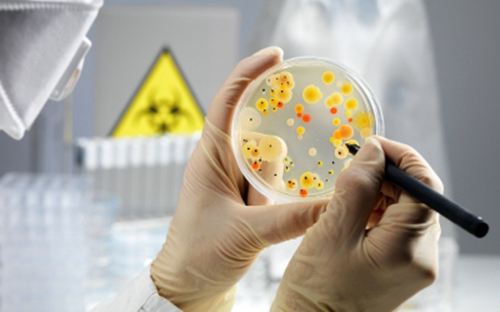
II. Biological Fouling: Water, especially surface water, contains a large number of microorganisms in addition to inorganic ions. When using natural water as the raw water for an ultrapure water system, a large number of microorganisms enter the reverse osmosis system. The operating environment is typically between 20 and 40 degrees Celsius, a temperature ideal for microbial growth. Microorganisms multiply rapidly in this environment, reaching high concentrations. This increase in microbial content leads to biological fouling. For biofouling issues, we need to treat the raw water during the pretreatment stage to minimize the microbial content entering the ultrapure water system. Simultaneously, we must regularly disinfect and sterilize the equipment.
Third, suspended solids and colloidal fouling: This is easy to understand. As everyone knows, water contains various suspended, dissolved, and colloidal substances. During the separation of water and solutes by the reverse osmosis membrane, if suspended solids and colloidal substances in the raw water accumulate on the membrane surface, the reverse osmosis membrane will become fouled, forming suspended solids and colloidal fouling. In this case, we can select a pretreatment device based on the raw water quality to appropriately treat the raw water and reduce the amount of suspended solids and colloids entering the reverse osmosis system.
The above are the three main types of clogging problems commonly encountered in ultrapure water systems. During daily operation, various other problems can occur due to improper operation. If these are not addressed promptly, they will affect the quality of the output water and the lifespan of the equipment. Therefore, daily maintenance of ultrapure water systems is crucial.





