



Phone:
0086 28 87573647
+86 19150187139

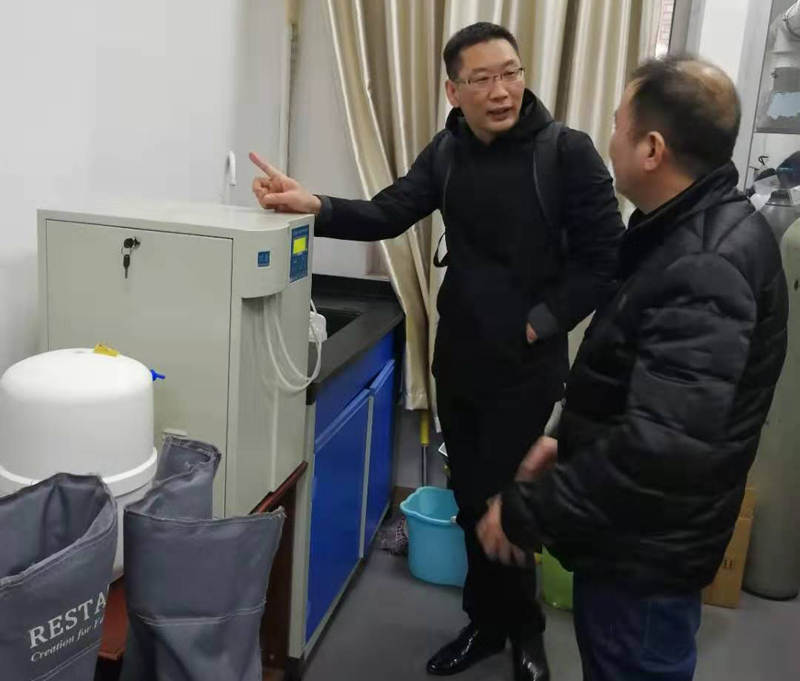
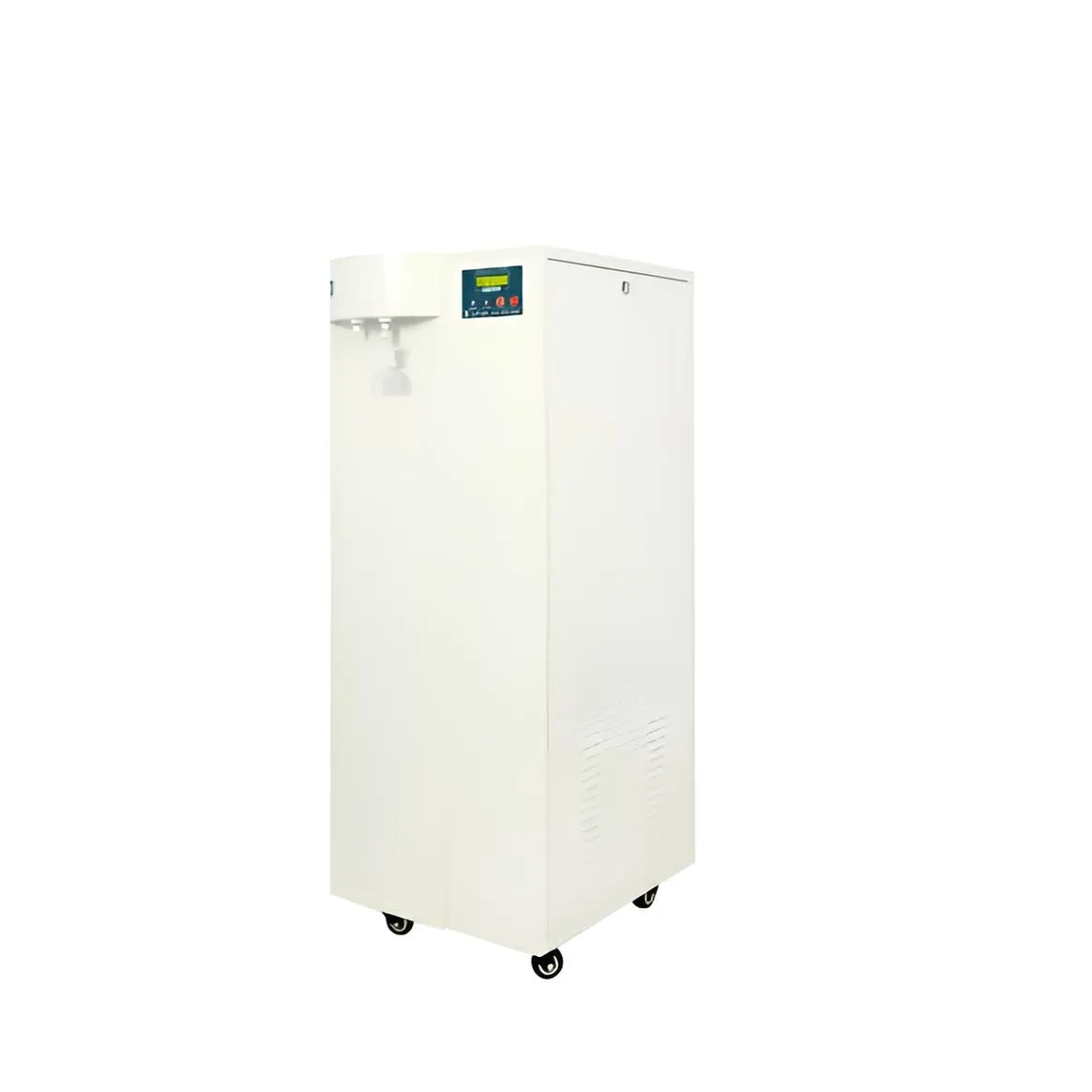
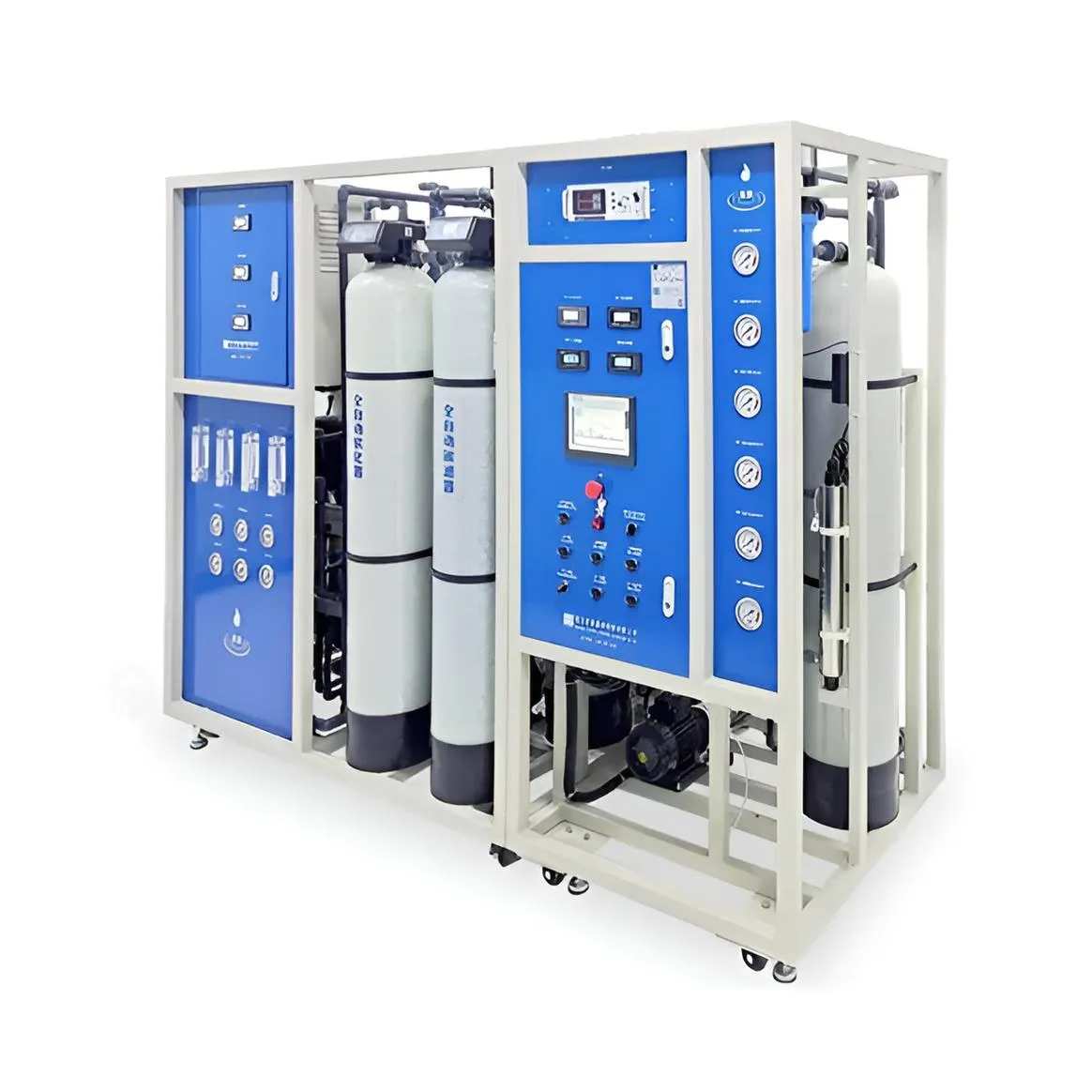
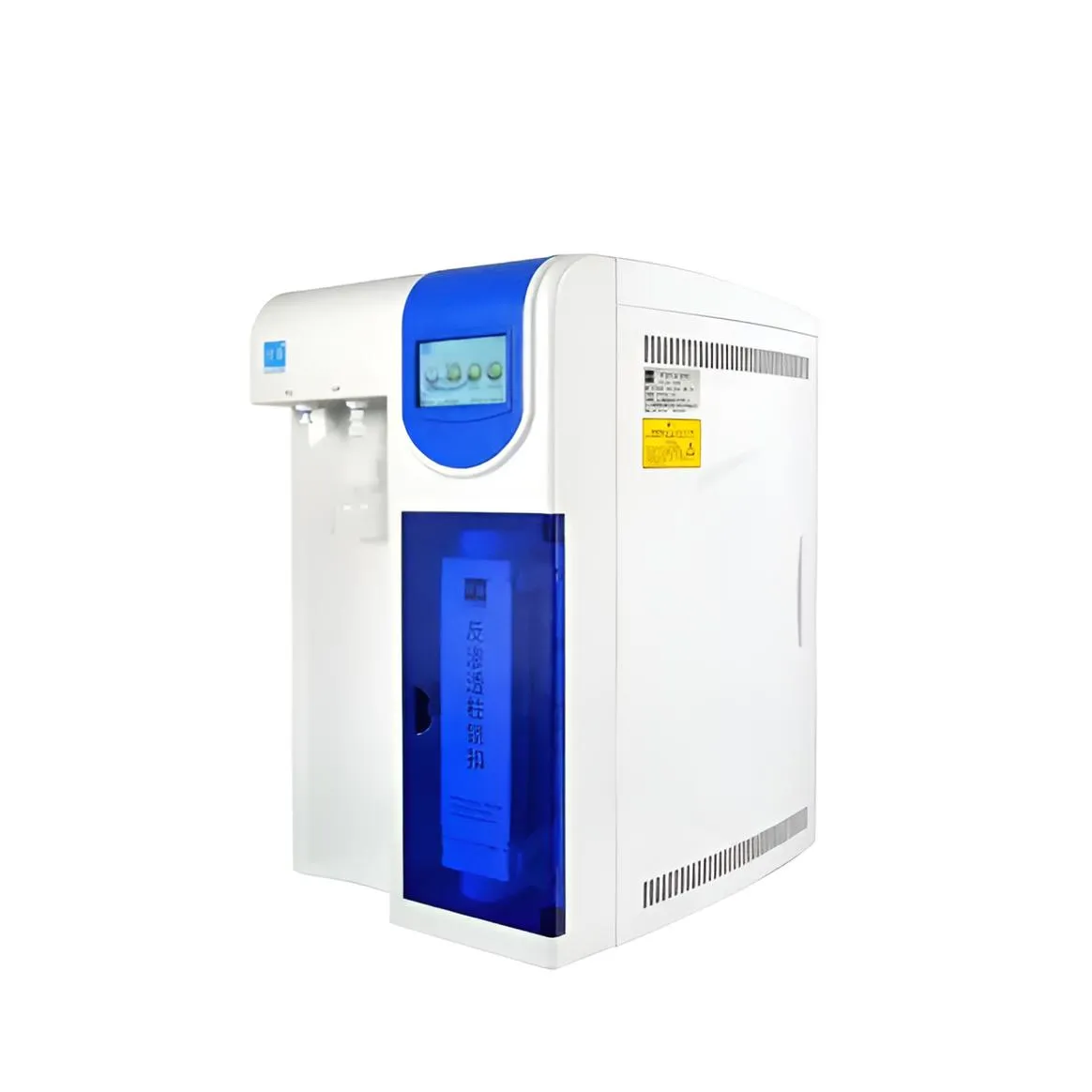
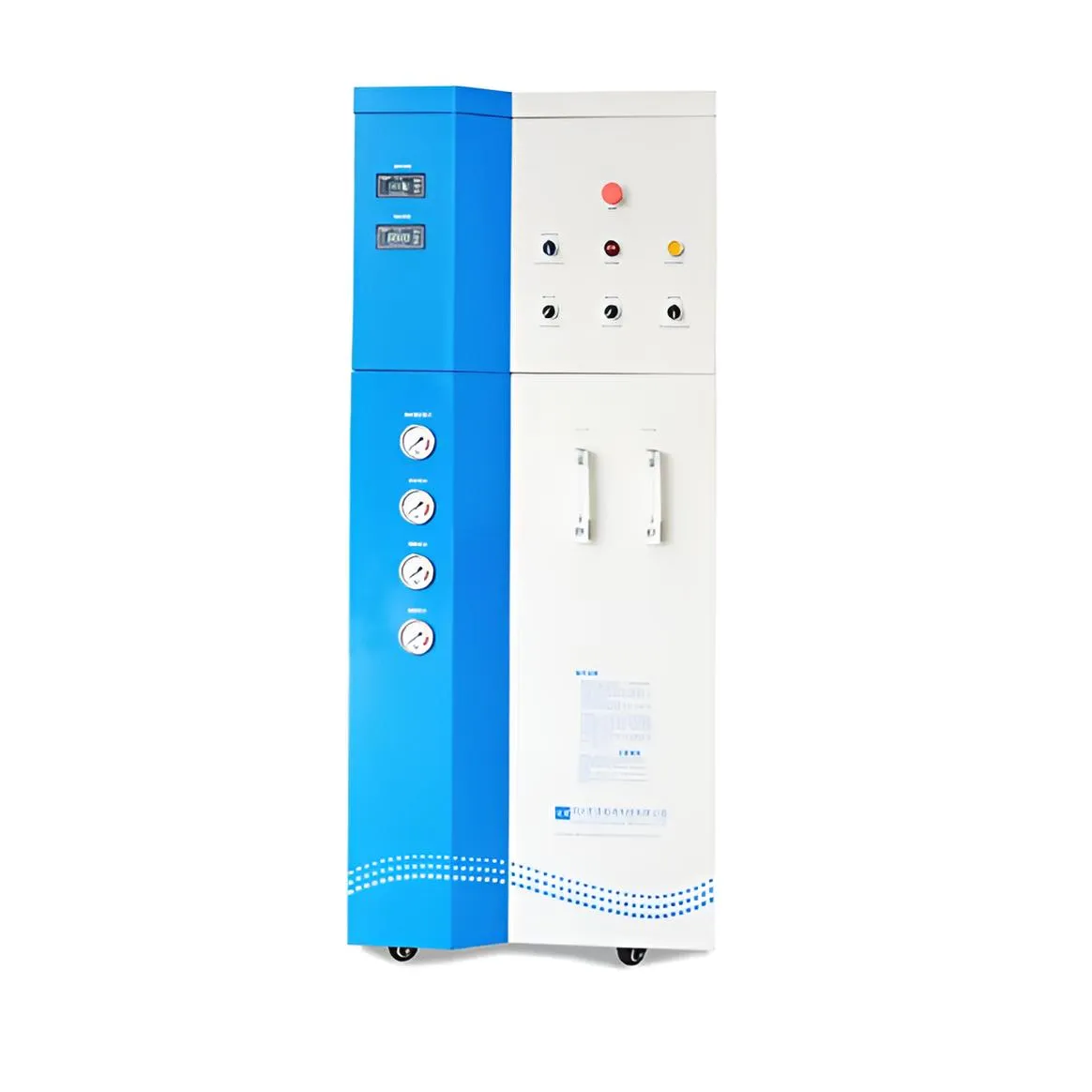
Ultrapure water systems are becoming increasingly widely used, and their technology is constantly improving. Today, we'll discuss common issues encountered during installation and use. Ultrapure water systems generally undergo rigorous testing and calibration before leaving the factory, so customers can install them directly upon receipt. Installation simply involves connecting the interfaces on the instrument. However, incorrect connections to the inlet, wastewater outlet, and water tank connection may lead to unnecessary waste of consumables.
For example, connecting the water tank to a tap water inlet will prevent effective protection of the internal post-processing ultrapure water column, causing it to be consumed too quickly. Therefore, it is crucial to carefully check the corresponding connection lines for each inlet of the ultrapure water system. Also, remember to turn off the water supply and power after each day's use to ensure the safety of water and electricity in the laboratory.
Ultrapure water systems are highly stable and generally do not experience malfunctions. However, problems caused by improper use by customers cannot be ruled out. For example, ultrapure water systems require a TDS of less than 300 for the inlet water. Some customers install ultrapure water systems without fully understanding their feed water conditions, which can lead to excessive consumption of consumables and significantly reduce their lifespan.
There are also requirements regarding hardness. If the hardness is too high, it can cause the reverse osmosis membrane to become clogged, preventing water production. Therefore, when customers encounter problems with their equipment, it is crucial to promptly investigate the feed water conditions. Using an ultrapure water system without a clear diagnosis of the problem can result in high maintenance costs later on. Therefore, it is recommended that customers understand the characteristics of their feed water before purchasing.