







Phone:
0086 28 87573647
+86 19150187139

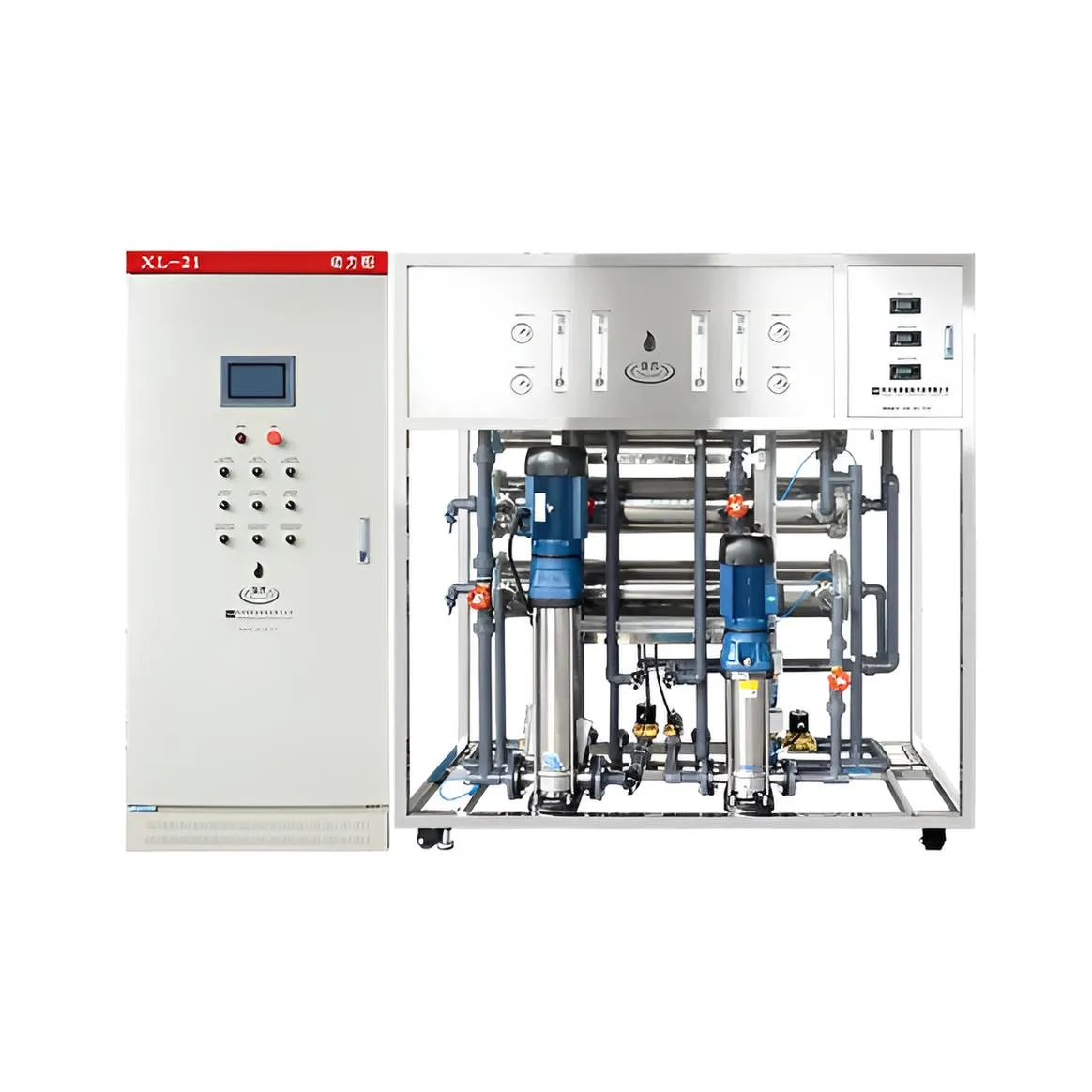
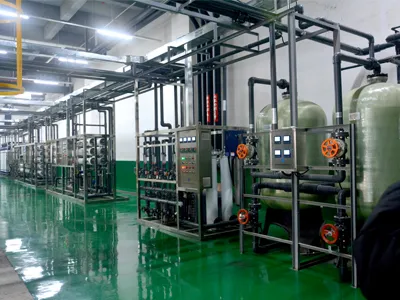
The main function of water softening equipment is to reduce the hardness of water, specifically the content of calcium and magnesium ions, thereby achieving water purification. We know that the main functions of water softening equipment include backwashing, brine absorption (regeneration), slow rinsing (displacement), and fast rinsing. The brine absorption process is the regeneration process. So, what are the different regeneration methods used in water softening equipment?
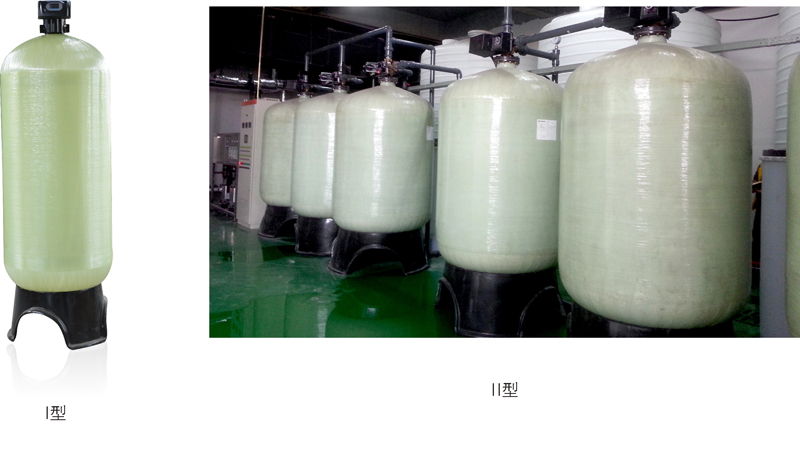
Based on the different flow directions of water and regenerant in sodium ion exchange resin, regeneration methods in water softening equipment can be divided into three types: downstream regeneration, counter-current regeneration, and split-flow regeneration.
The first regeneration method is co-current regeneration, which is the earliest form of regeneration. This means that water and regenerant flow through the bed in the same direction from top to bottom. A downstream bed can also be called a co-current bed.
The second regeneration method is counter-current regeneration, a more recently developed ion exchange process. This means that water and regenerant flow through the bed in opposite directions. Counter-current regeneration can also be called convection regeneration.
The third regeneration method is split-flow regeneration. This means that the regenerant entering from the top flows downstream to regenerate the resin layer above the middle drain pipe, while simultaneously pushing the resin downwards from the middle drain pipe. The regenerant entering from the bottom regenerates the resin below the middle drain outlet. Generally, mixed beds mostly use split-flow regeneration.
These are the three regeneration methods for water softening equipment. In daily applications, boiler water softening equipment mainly uses counter-current regeneration, while other applications use downstream regeneration. Mixed beds are mainly used for split-flow regeneration.





