

Phone:
0086 28 87573647
+86 19150187139
With the development of technology and the times, precision analytical instruments such as high-performance liquid chromatography (HPLC) have become widespread in industries related to analytical testing, and the requirements for laboratory water quality are becoming increasingly stringent. Modern HPLC requires users to use ultrapure water to establish a flat baseline without peaks to ensure the sensitivity of analytical tests. However, some HPLC users, due to budget constraints or habit, still use bottled drinking water or distilled water for experiments, often with unsatisfactory results.
Bottled purified water and distilled water are merely ordinary pure water, not high-purity water. They still contain small amounts of ions and organic matter, which can clog expensive chromatographic columns and affect the establishment of a flat baseline in HPLC.
The purification process for bottled purified water typically includes adsorption, filtration, and reverse osmosis. While effective at removing particulate organic matter, it falls short of the sensitivity requirements of high-sensitivity HPLC experiments for removing trace amounts of organic matter. Furthermore, the packaging, often PVC bottles, has high oxygen permeability and introduces chemical leaching, contaminating the purified water, especially after prolonged storage. This deterioration manifests in the HPLC chromatogram as a lack of specific absorption peaks, but with significant baseline instability.
Experts have observed strong absorption peaks at 254 nm and 214 nm in redistilled water during the 22-27 minute interval when performing HPLC analysis. This indicates contamination by highly hydrophobic organic compounds, likely due to incomplete removal of certain volatile organic compounds caused by the azeotropic effect during distillation.
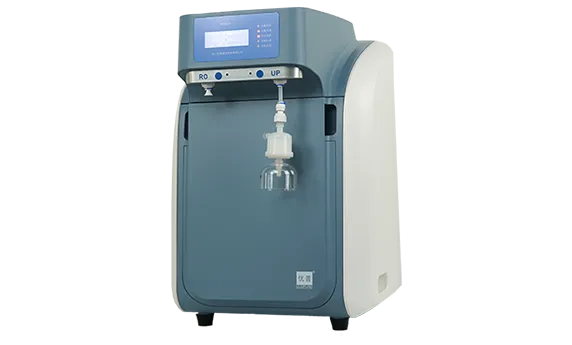
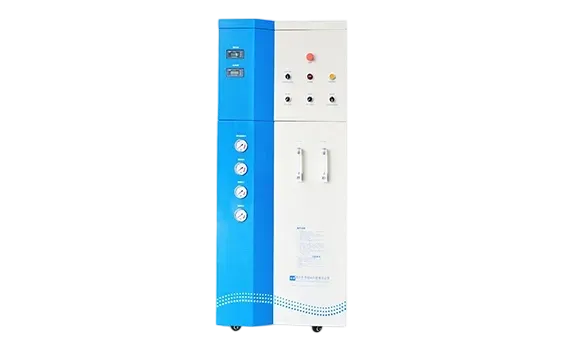
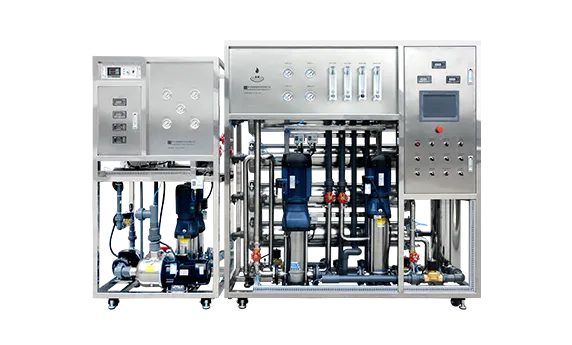
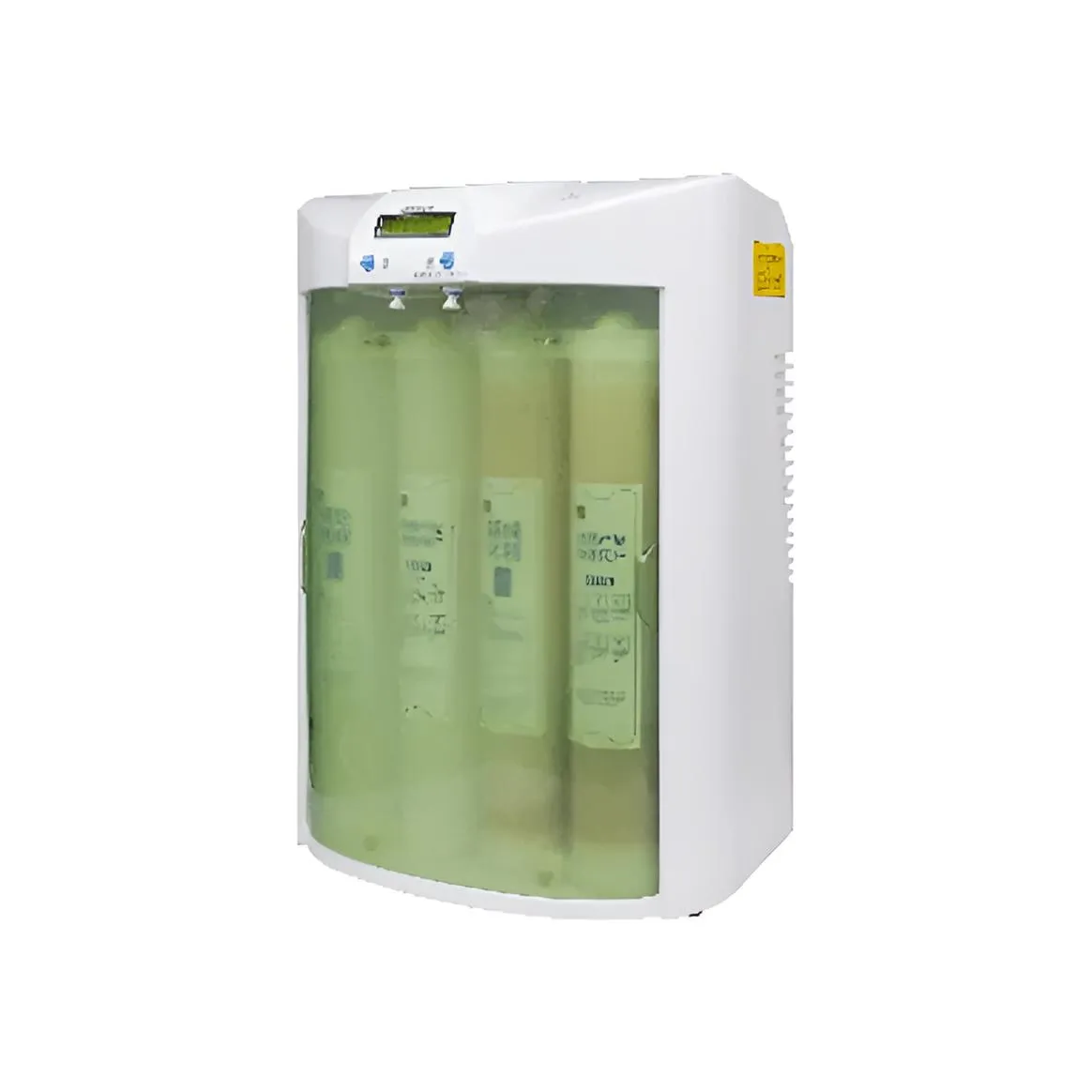
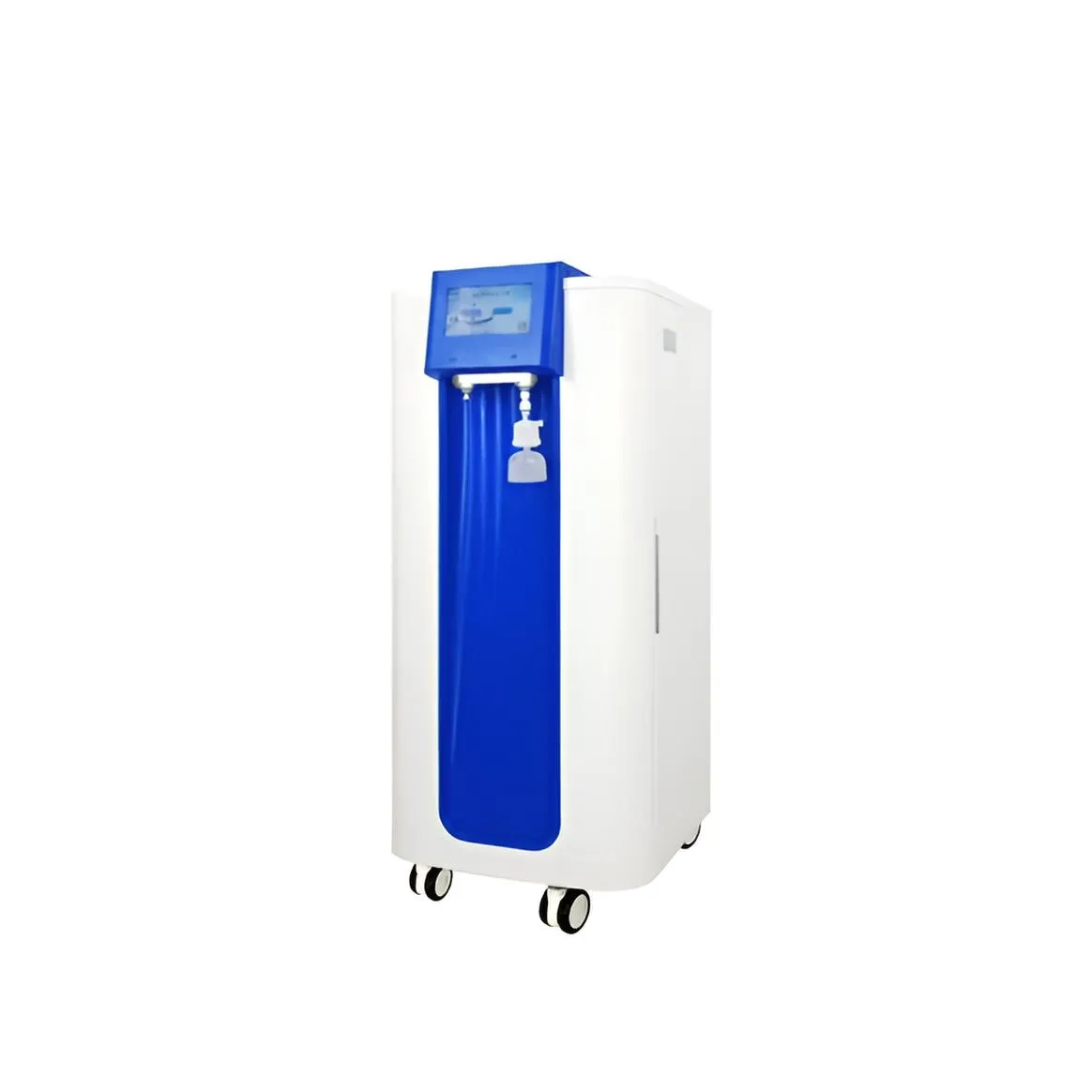
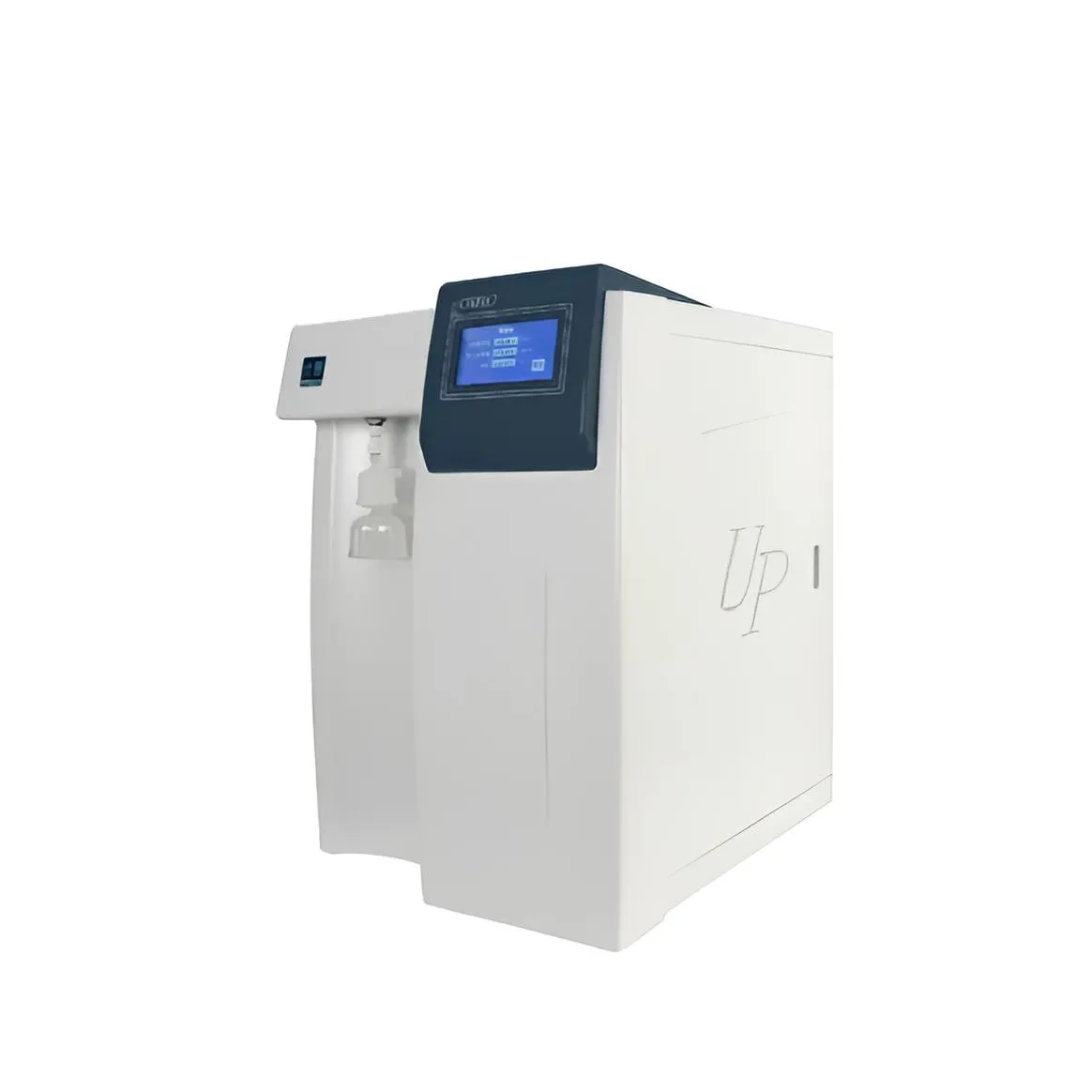
The ulupure ultrapure water system integrates multiple precision purification processes, including water pretreatment, dual-stage reverse osmosis, and ultrapure post-treatment. The produced water quality indicators are close to Milli-Q water, and the ultrapure water is ready for immediate use, preventing contamination during storage and ensuring water quality. Compared to bottled purified water or distilled water, it better meets the needs of users for high-precision instrument analysis.
(Note: The higher the purity of the water, the more susceptible it is to external contamination from air and containers. Ultrapure water should be used immediately after use. This minimizes the impact of external interference in high-precision instrument analysis, resulting in satisfactory results.)
Introduction to the organic matter removal process of the ulupure ultrapure water system:
(1) The activated carbon filter in the ulupure water pretreatment system can adsorb and remove 80% of organic impurities from tap water. (2) The RO reverse osmosis membrane has a pore size as small as 0.001 micrometers, achieving a removal rate of over 99% for organic matter with a molecular weight greater than 300 daltons. The specially designed two-stage reverse osmosis system of the Ulupure ultrapure water system can achieve an organic matter content as low as 10-20 ppb in the effluent, meeting the source water quality requirements of imported ultrapure water systems such as Milli-Q.
(3) The specially designed ultraviolet digester of the Ulupure ultrapure water system can generate hydroxyl groups in water using 185nm ultraviolet light, which can quickly oxidize the small amount of residual organic matter in the water into carbon dioxide, breaking down water and some organic intermediates.
(4) The Ulupure terminal microfilter can filter out particulate organic matter and resin debris.