

Phone:
0086 28 87573647
+86 19150187139

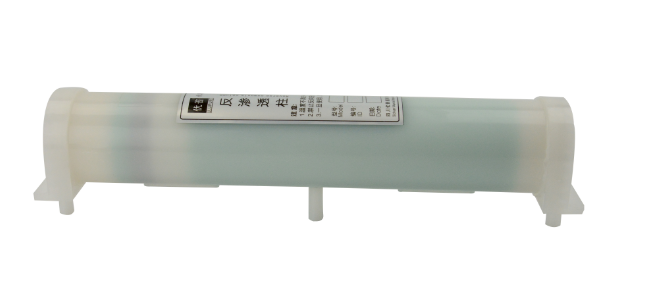
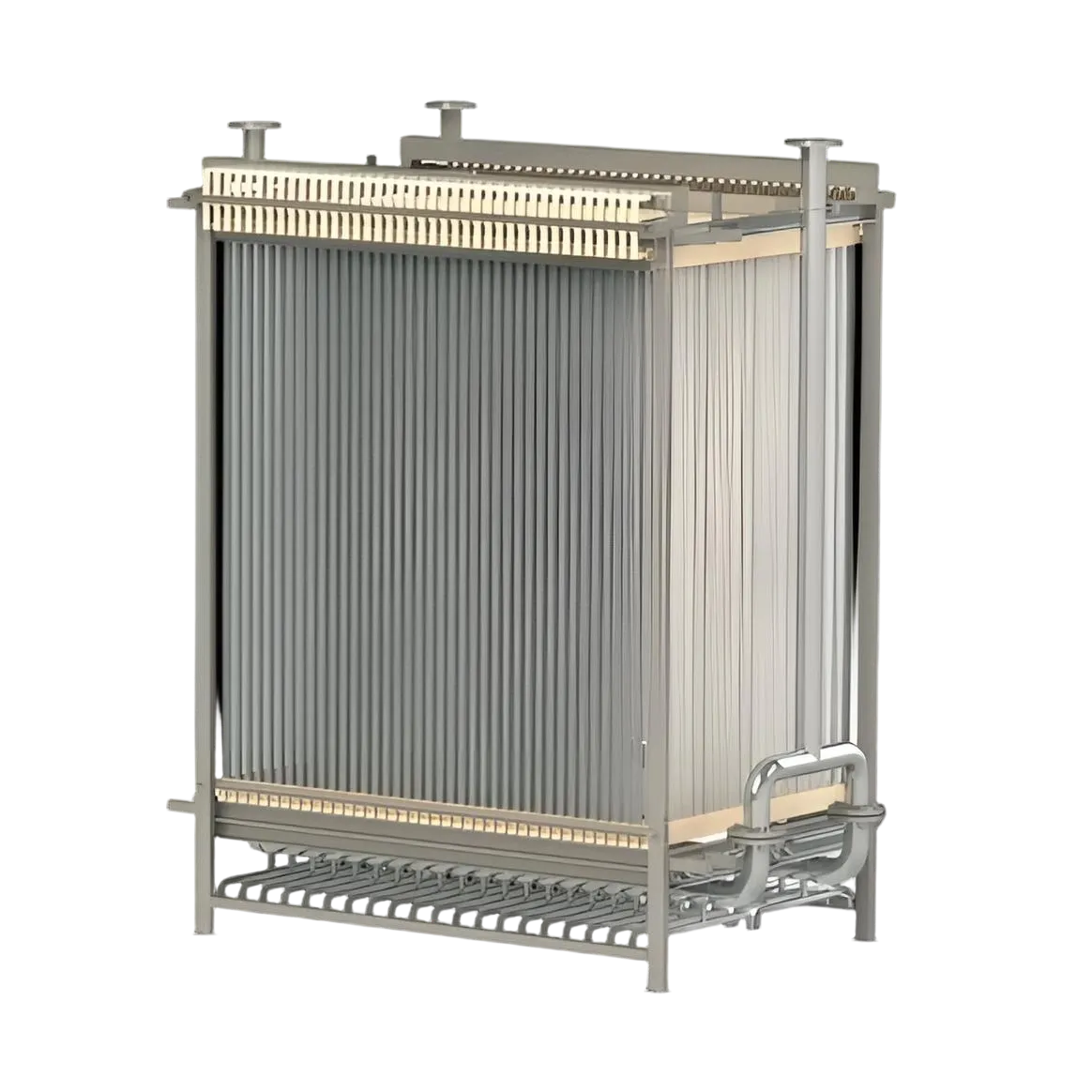
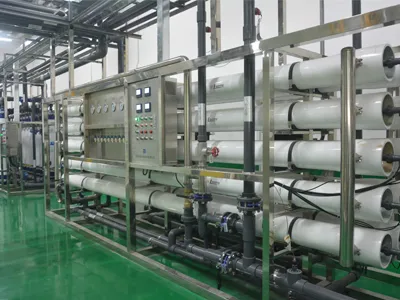
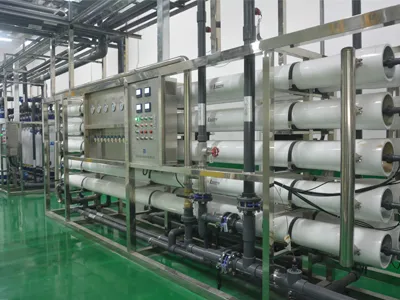
Reverse osmosis is a pressure-driven membrane separation process. In operation, to generate reverse osmotic pressure, a water pump is needed to apply pressure to the saline solution or wastewater to overcome natural osmotic pressure and membrane resistance, allowing water to pass through the reverse osmosis membrane while dissolved salts or contaminants are blocked on the other side.
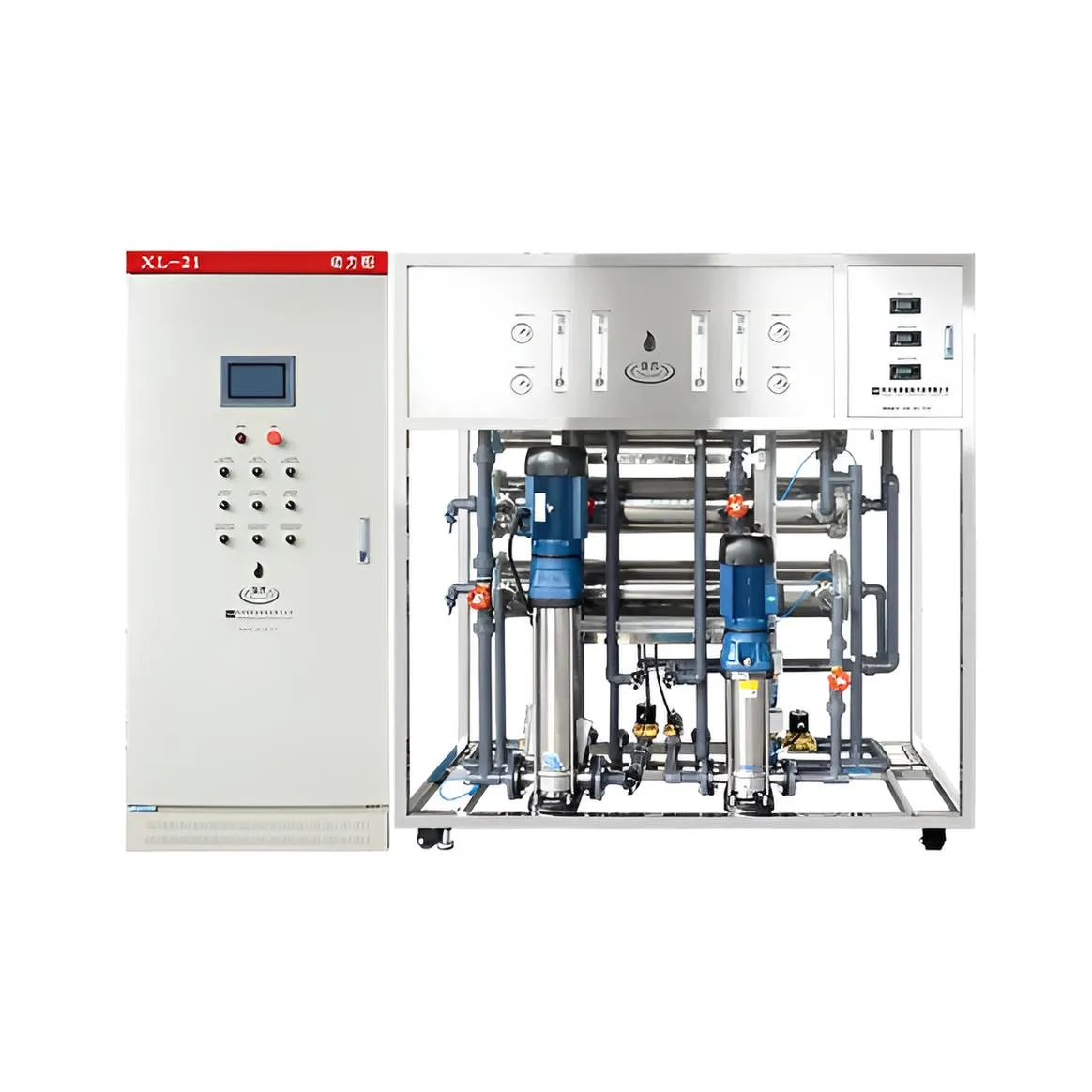
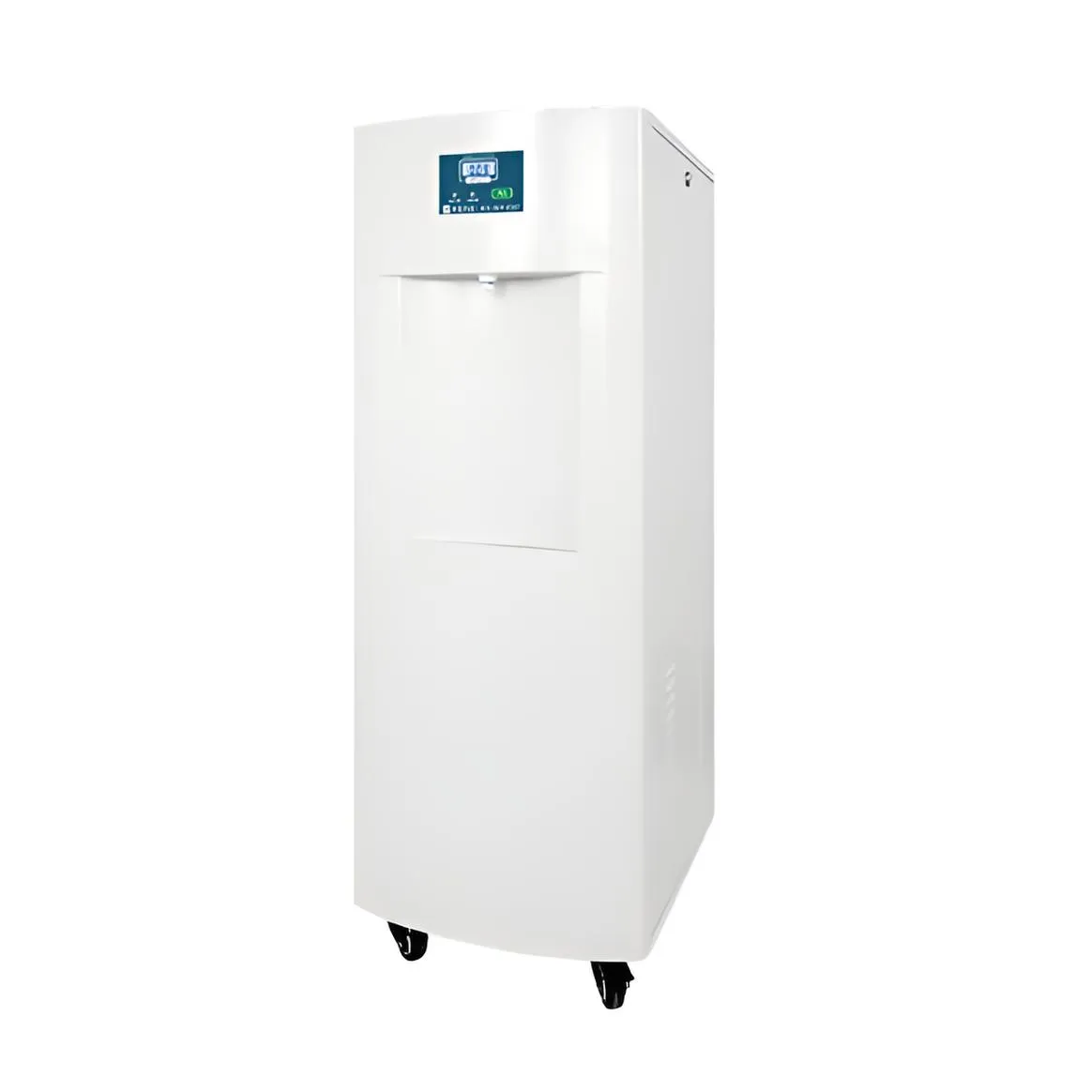
Application of Reverse Osmosis Membranes/Reverse Osmosis Modules (RO Membranes) in Pure Water/Ultrapure Water Systems
Typically, when the raw water conductivity is <200 μS/cm, the conductivity of primary RO pure water is ≤5 μS/cm, meeting the laboratory Class III water standard. For areas with high raw water conductivity, to save on subsequent mixed-bed ion exchange resin replacement costs and improve pure water quality, customers can consider choosing a secondary reverse osmosis purification system. The conductivity of secondary RO pure water is approximately 1~5 μS/cm, depending on the raw water quality.
Common Applications of Reverse Osmosis Membranes in Water Treatment
Water is an essential material condition for human survival and production activities. Due to the increasing scarcity of freshwater resources, the global capacity of reverse osmosis water treatment plants has reached millions of tons per day. Currently, using reverse osmosis membranes to desalinate seawater for drinking water production has become the most economical method, consuming less than 5 kW·h of electricity per ton of water, with the largest plants having a treatment capacity of 2.0 × 10⁵ m³/d. Similarly, it is also the most economical method for brackish water desalination, consuming 0.5~3 kW·h of electricity per ton of water, with the largest plants having a treatment capacity of 1.3 × 10⁵ m³/d. In 2000, with the support of the National Key Scientific and Technological Project of the Ministry of Science and Technology, "Development of a 1000-ton-per-day Reverse Osmosis Seawater Desalination System and Engineering Technology," 1000 t/d reverse osmosis seawater desalination demonstration projects were successively built in Changdao, Shandong, and Shengsi, Zhejiang.
Applications of Reverse Osmosis Membranes in Urban Wastewater Treatment
Currently, the application of reverse osmosis membranes in the advanced treatment of urban wastewater, especially in the reuse of secondary effluent from wastewater treatment plants and the reuse of reclaimed water, has received considerable attention. The WF21 plant in Orange County, California, USA, was the first to use reverse osmosis membrane technology in advanced wastewater treatment. Many water-scarce countries in the Middle East also use reverse osmosis membrane technology to treat urban sewage; the effluent from the first-stage reverse osmosis membrane has a salt content of 80 mg/L, and the second-stage effluent has a salt content of 10 mg/L, meeting reuse requirements. SUZUKIY et al. conducted research on the reuse treatment of domestic sewage using reverse osmosis membranes of different component types and materials. The results showed that spiral-wound polyvinyl alcohol composite membranes and cellulose triacetate hollow fiber membranes have high practical value in wastewater reuse processes: the permeate flux is large, the water quality is colorless, transparent, and odorless, the retention rate of fecal coliforms is 100%, the COD of the permeate is 1–2 mg/L, the color is ≤1 degree, and the phosphorus content is 0.01 mg/L, which is basically not much different from urban water supply. The Sydney Olympic venues mixed domestic sewage treated by SBR technology with rainwater treated by sedimentation and aquatic plant oxidation ponds, and then sent it to a 0.2 μm microporous filtration system for purification to obtain greywater that can be used for toilet flushing. The greywater was then treated by reverse osmosis and used for venue greening. This saved tap water and reduced the amount of municipal sewage treatment, thus achieving a green Olympics.