





Phone:
0086 28 87573647
+86 19150187139

Water resources are scarce in my country, especially in water-scarce areas, particularly cities, industrial zones, and densely populated areas, where water has become a serious constraint on socio-economic development. Therefore, urban wastewater must not only be treated but also reused. The reuse of urban wastewater can solve pollution problems and effectively utilize treated wastewater, alleviating the tension of water scarcity. Many developed countries have abandoned traditional wastewater treatment plants (WWTP) and replaced them with "wastewater reuse plants."
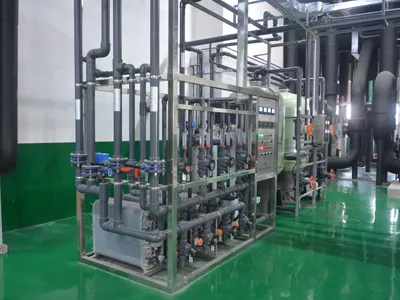
The strategic shift in water pollution control has led to significant changes in wastewater treatment technologies, a key transformation from single technologies to integrated technologies. The focus should be on the comprehensive utilization of water, integrating technologies to meet the needs of urban wastewater reuse and resource recovery. Urban wastewater treatment plants generally adopt enhanced secondary biological treatment technologies with a focus on phosphorus and nitrogen removal, and incorporate tertiary treatment processes, including various types of filtration and modern disinfection technologies. Simultaneously, contemporary high-tech methods such as microfiltration, reverse osmosis, and membrane bioreactors can be used to ensure that the treated reclaimed water meets the requirements for various uses, including municipal miscellaneous uses, domestic miscellaneous uses, and landscaping. Membrane technology is a key technology for realizing wastewater resource recovery. Traditional water treatment methods cannot meet the requirements of advanced wastewater treatment for reuse, necessitating the combination and integration of membrane technologies. Membrane technologies applied to wastewater resource recovery include microfiltration, ultrafiltration, reverse osmosis, nanofiltration, and membrane bioreactors. In ultrafiltration and microfiltration, ultrafiltration membranes can separate dissolved macromolecules, while microfiltration membranes can separate all suspended particles. In wastewater treatment, both ultrafiltration and microfiltration membranes are used to remove suspended solids, bacteria, and viruses. Ultrafiltration and microfiltration processes can be used independently as tertiary treatment to produce high-quality reclaimed water; combining ultrafiltration and microfiltration with activated sludge treatment technology forms membrane bioreactor (MBR) technology. Membrane combination processes that integrate ultrafiltration, microfiltration, reverse osmosis, and nanofiltration can produce reclaimed water of at least the quality of fresh water. Using ultrafiltration and microfiltration as pretreatment processes for reverse osmosis and nanofiltration can significantly improve the efficiency and lifespan of reverse osmosis and nanofiltration membranes. Meanwhile, membrane separation, as a high-level wastewater treatment method unaffected by water quality fluctuations and capable of removing soluble components, has gradually entered the practical application stage. The approach in the United States is highly representative. After tertiary wastewater treatment, advanced advanced treatment is added. The effluent from these three stages is then treated using microfiltration and reverse osmosis membranes. This is a relatively mature technology that has entered the application stage, and the treated effluent meets drinking water standards. Currently, it is mostly used to supplement surface water or groundwater sources used for drinking water.
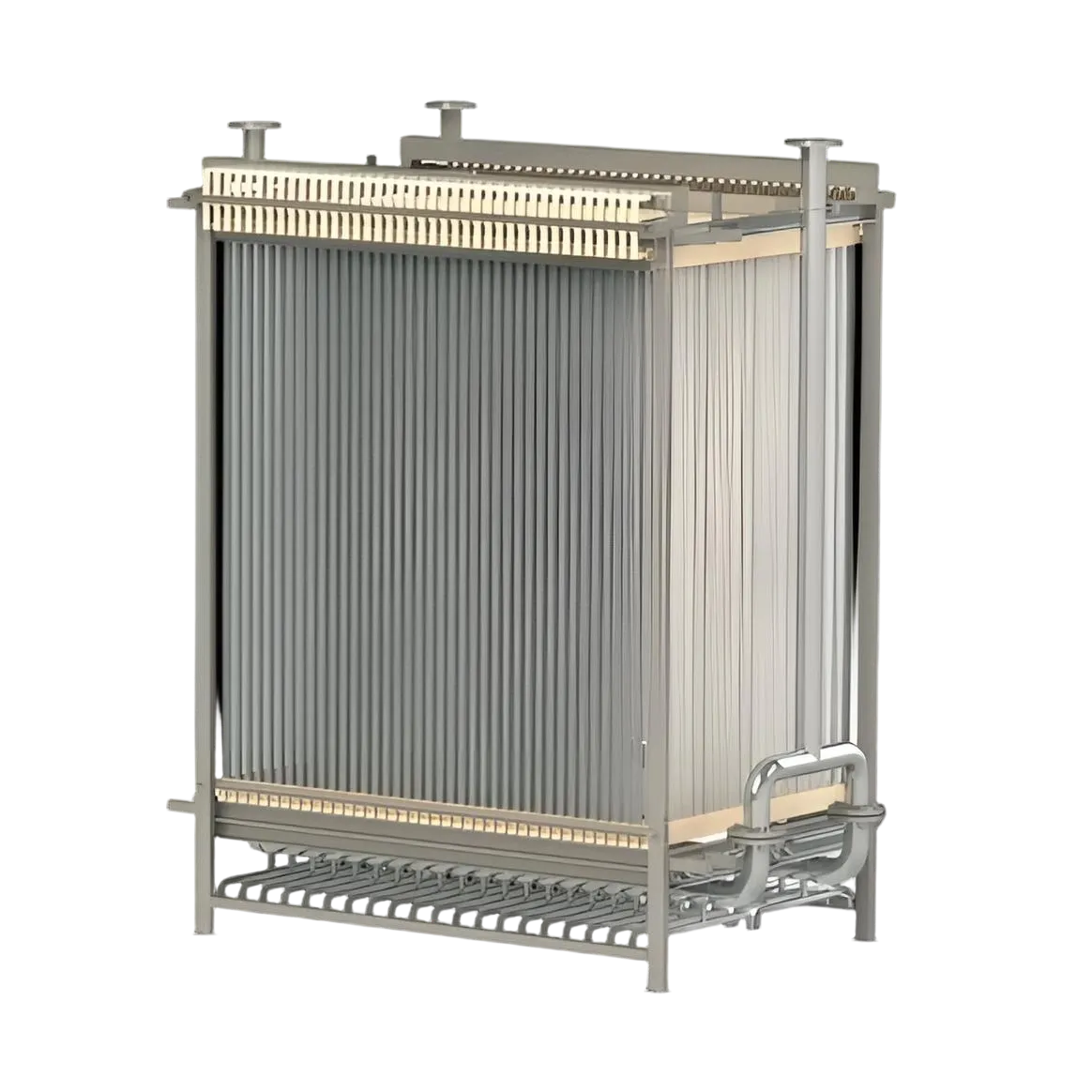
Furthermore, membrane bioreactor (MBR) technology is also worth promoting. In recent years, with the improvement of membrane production technology and the reduction of production costs, the application of membrane technology in the field of wastewater treatment, especially membrane bioreactors combined with bioreactors, has received widespread attention internationally as a new type of high-efficiency wastewater treatment technology. Membrane bioreactors (MBRs), which combine ultrafiltration or microfiltration with traditional activated sludge biological treatment technology, replace gravity sedimentation with membrane separation. Regardless of the settling properties of solid particles, they can complete the solid-liquid separation process and avoid system failure caused by the loss of biological materials. Traditional activated sludge processes for treating domestic wastewater rely on gravity settling, which can easily lead to the loss of active bacteria and organisms due to the non-fixation of particles. Membrane bioreactors (MBRs), combining ultrafiltration with activated sludge, treat organic carbonaceous materials, achieving deep oxidation of organic matter. The effluent is free of solid particles, completely retaining the organisms and maintaining high treatment capacity even at low temperatures. This combined process also reduces sludge waste by maintaining a low F/M ratio. The reactor can maintain a high solids concentration, allowing for a smaller treatment plant size. Simultaneous nitrification and denitrification successfully remove nitrogen, resulting in a long sludge retention time and complete preservation of slowly growing nitrifying bacteria. Compared to other water treatment methods, using MBRs for wastewater treatment significantly saves water resources, energy, equipment and operating costs, reduces equipment footprint, and avoids secondary pollution, offering excellent environmental, social, and economic benefits. For domestic wastewater, MBRs are a particularly effective method, separating biodegradable substances while retaining microorganisms in the wastewater treatment tank. This ensures that the microbial concentration is at its optimal level, resulting in the fastest reaction rate. Even when the BOD and COD levels in the wastewater are as high as 10,000 mg/L, excellent treatment results can still be achieved. When the BOD and COD levels in the wastewater are above 1,000 mg/L, the BOD and COD levels in the effluent are only around 10 mg/L, meeting the standards for reused water.





