





Phone:
0086 28 87573647
+86 19150187139

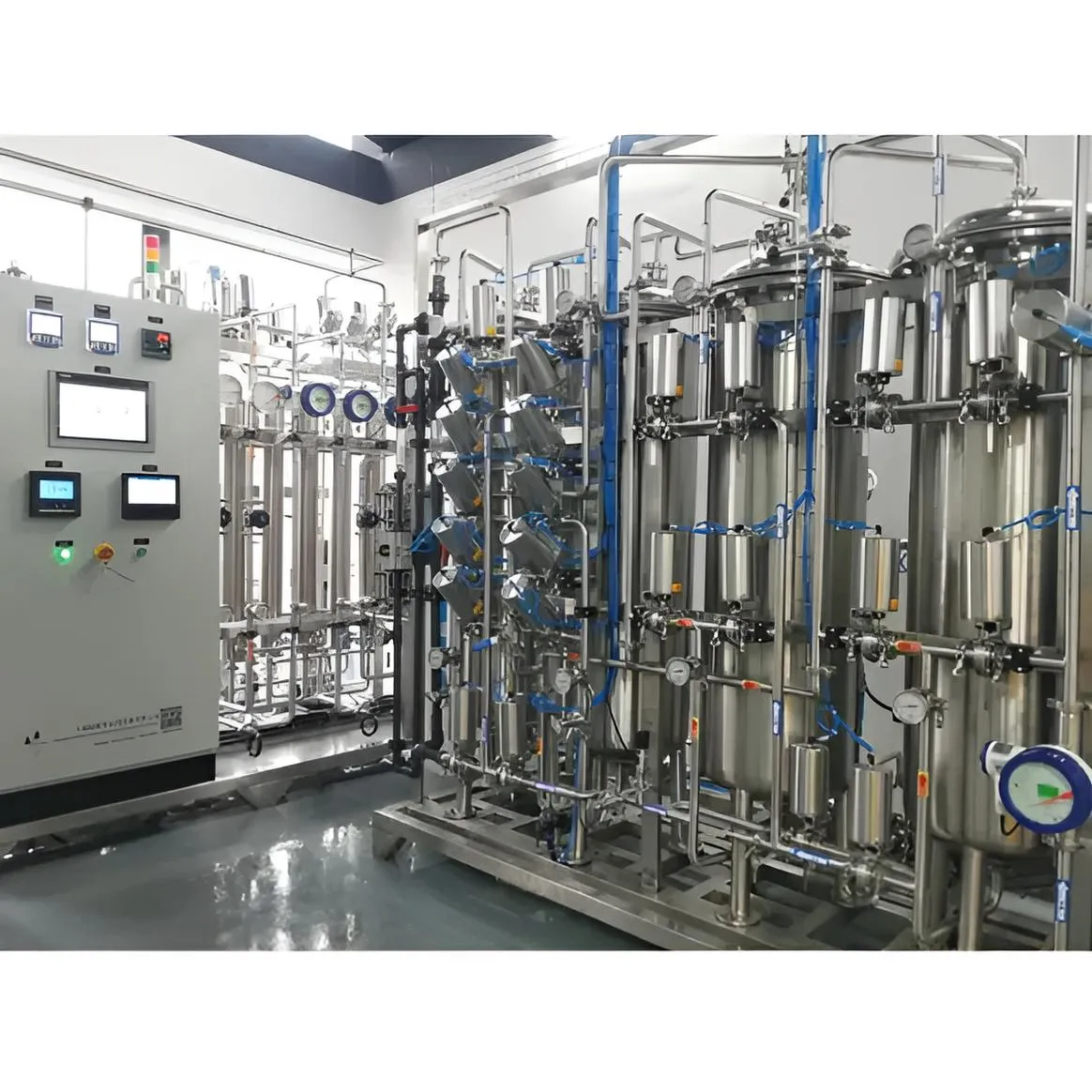
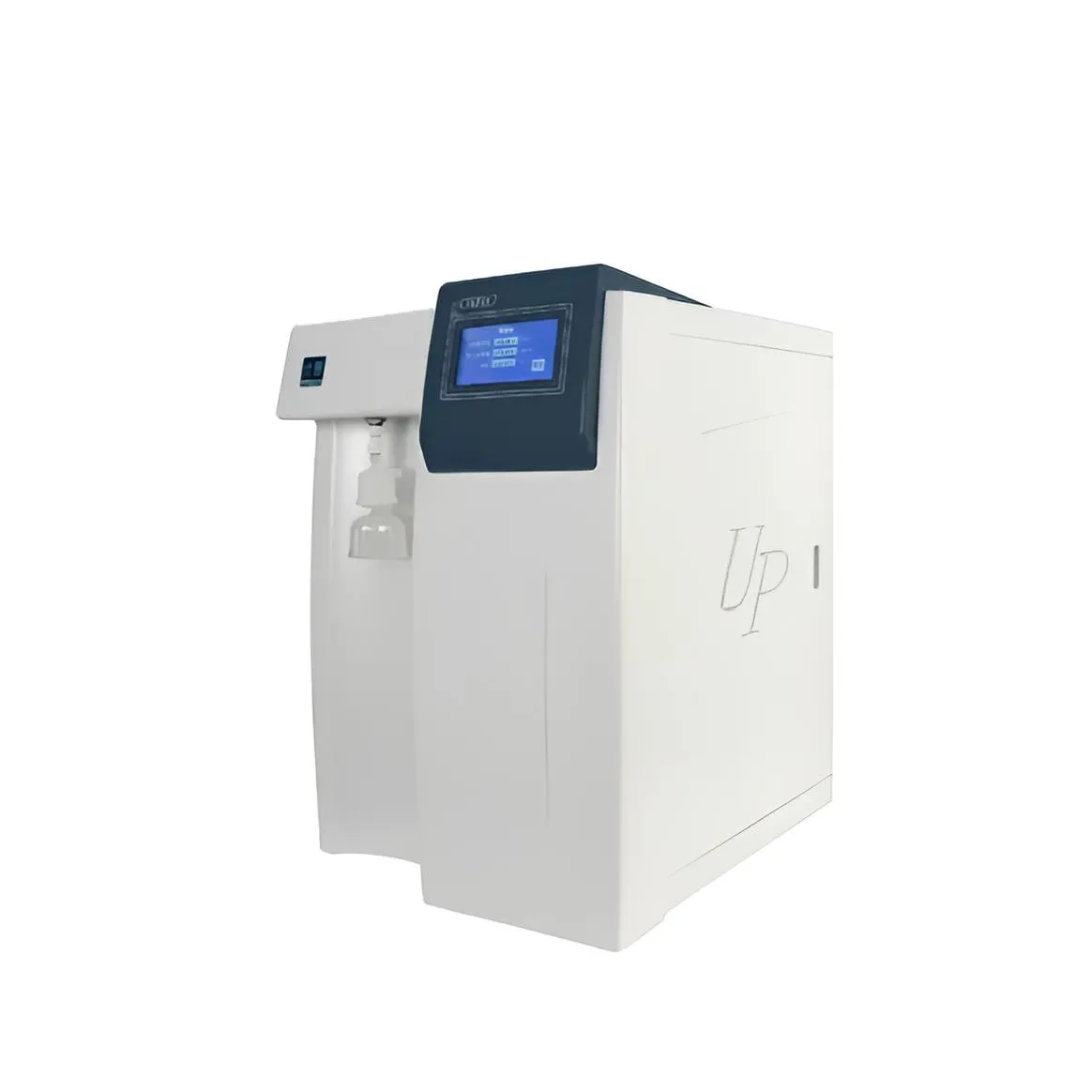
Water contains many microorganisms, viruses, and bacteria. Ultrapure water systems require reverse osmosis membranes to remove these substances. So, can reverse osmosis in ultrapure water systems remove microorganisms such as viruses and bacteria?
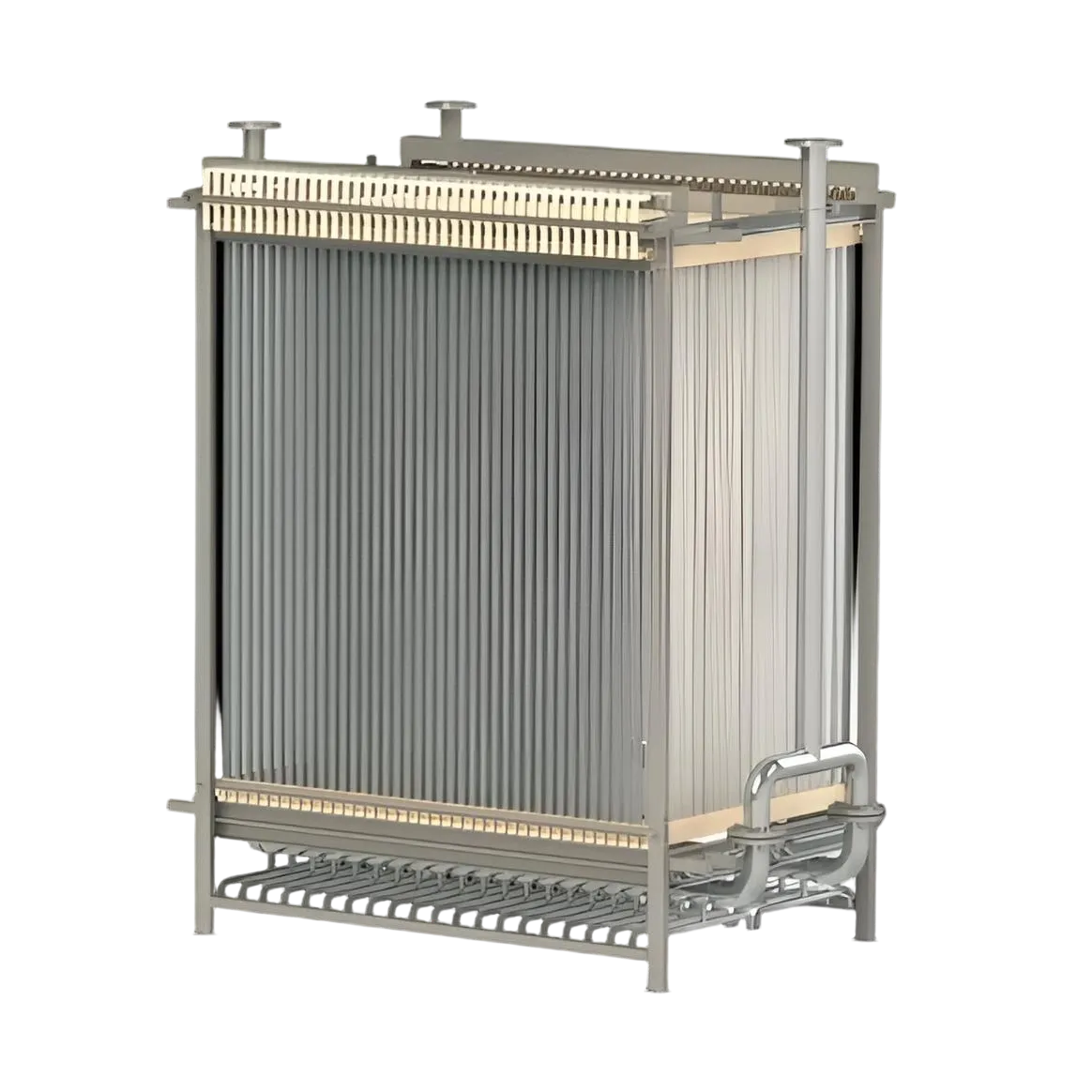
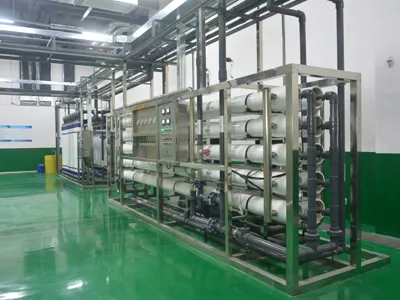
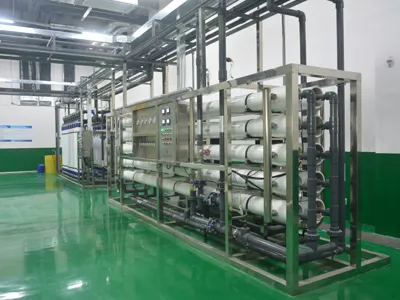
The most important component of an ultrapure water system is the reverse osmosis system, which is quite effective at removing microorganisms such as viruses and bacteria.
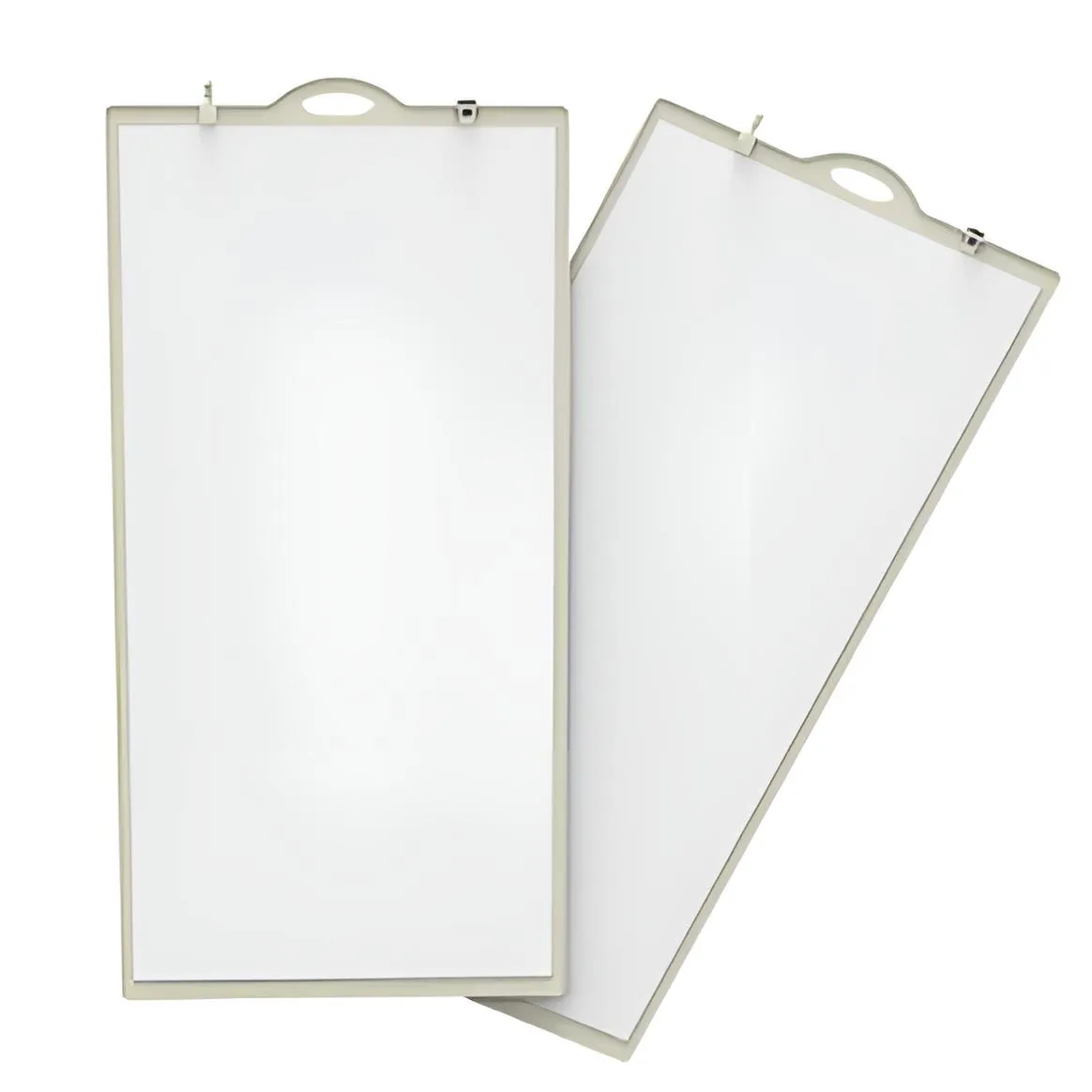
Reverse osmosis (RO) is very dense and has a very high removal rate for viruses, bacteriophages, and bacteria, at least 3 log (removal rate > 99.9%).
However, it should be noted that in many cases, microbial regrowth may still occur on the membrane permeate side. This mainly depends on the installation, monitoring, and maintenance methods. In other words, the ability of a system to remove microorganisms depends primarily on the proper design, operation, and management of the system, rather than the properties of the membrane element itself.
The above is an introduction to whether reverse osmosis in ultrapure water systems can remove microorganisms such as viruses and bacteria. Reverse osmosis membranes can remove a large number of impurities, ensuring that the effluent water quality meets the EDI feed water standards, enabling ultrapure water systems to produce qualified ultrapure water.





