


Phone:
0086 28 87573647
+86 19150187139

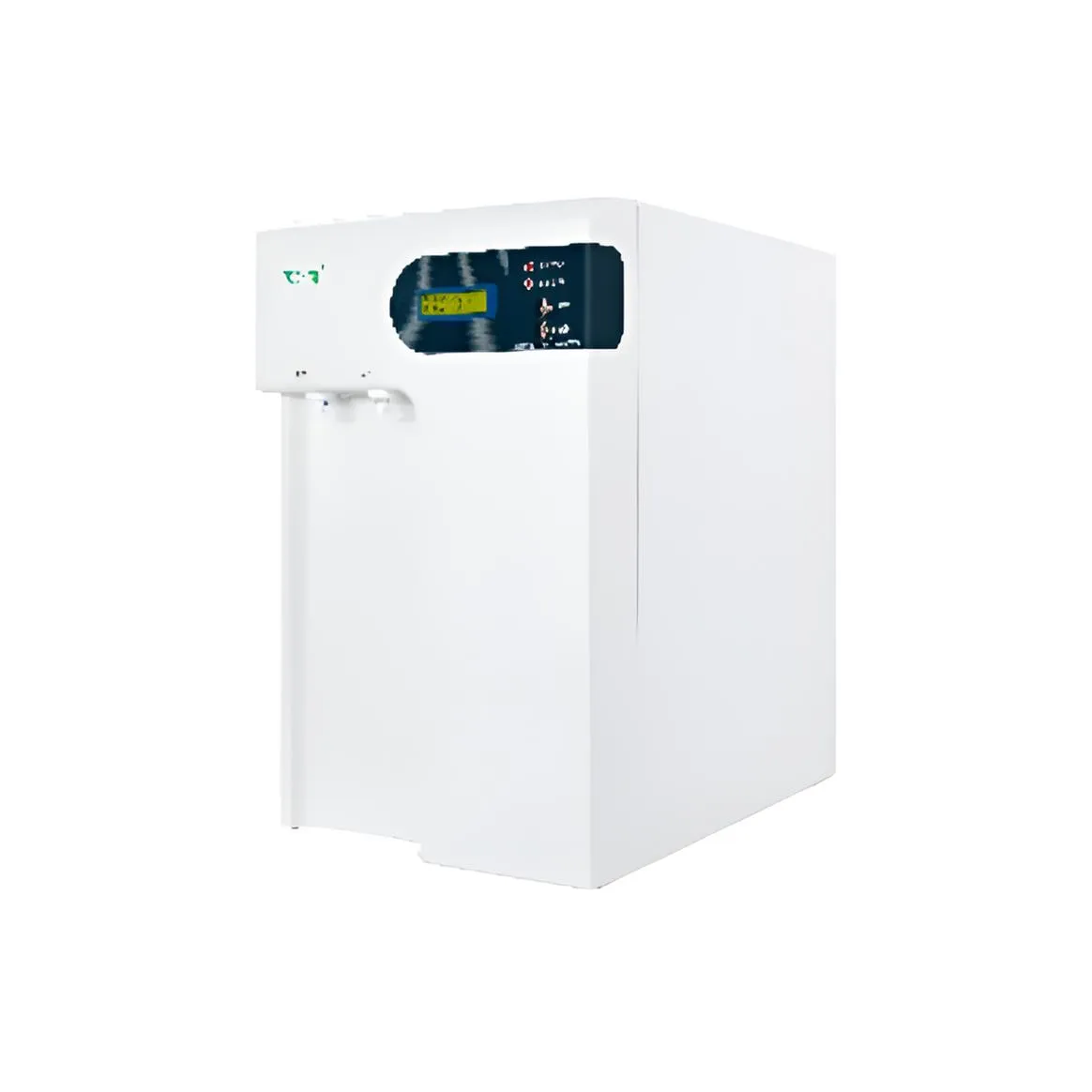
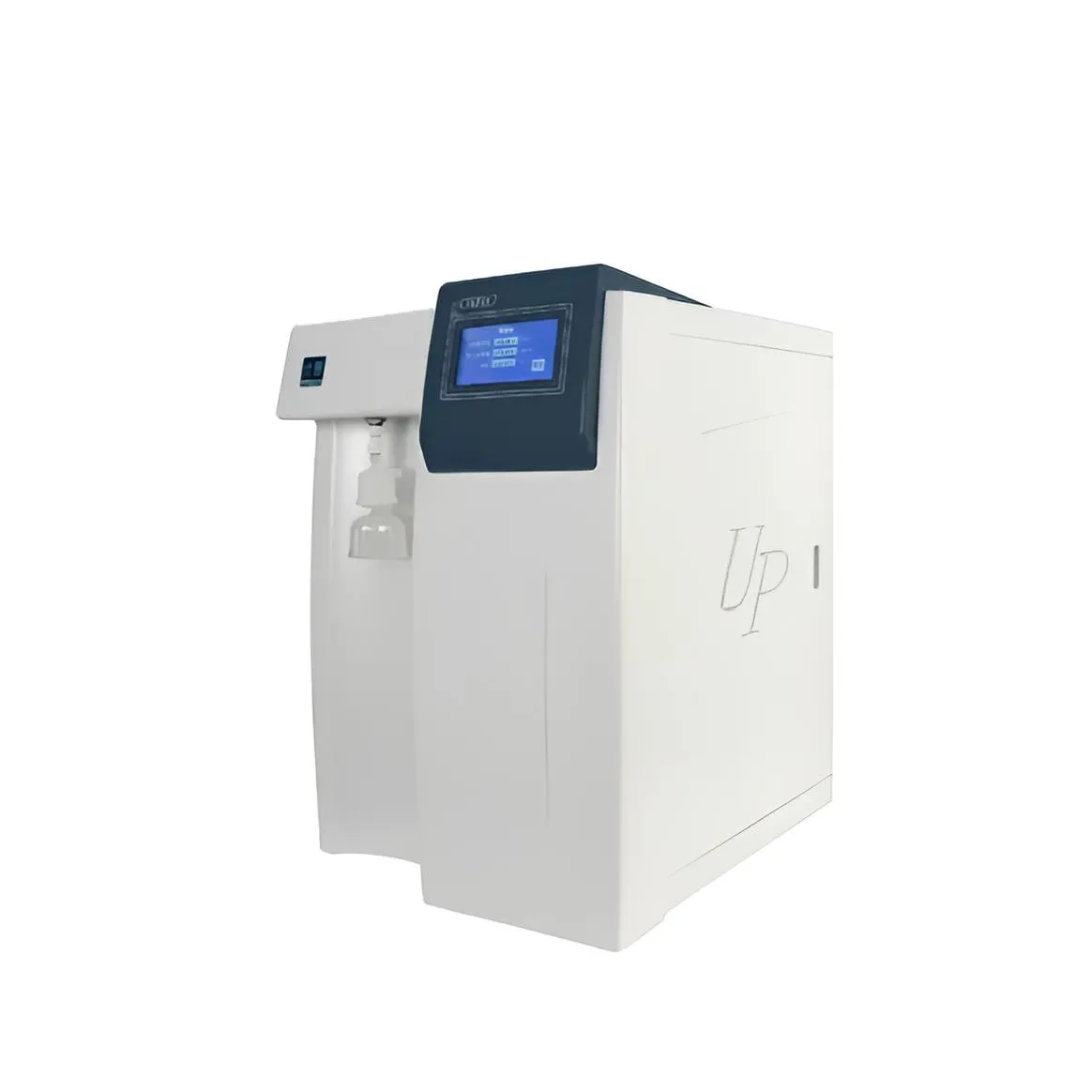
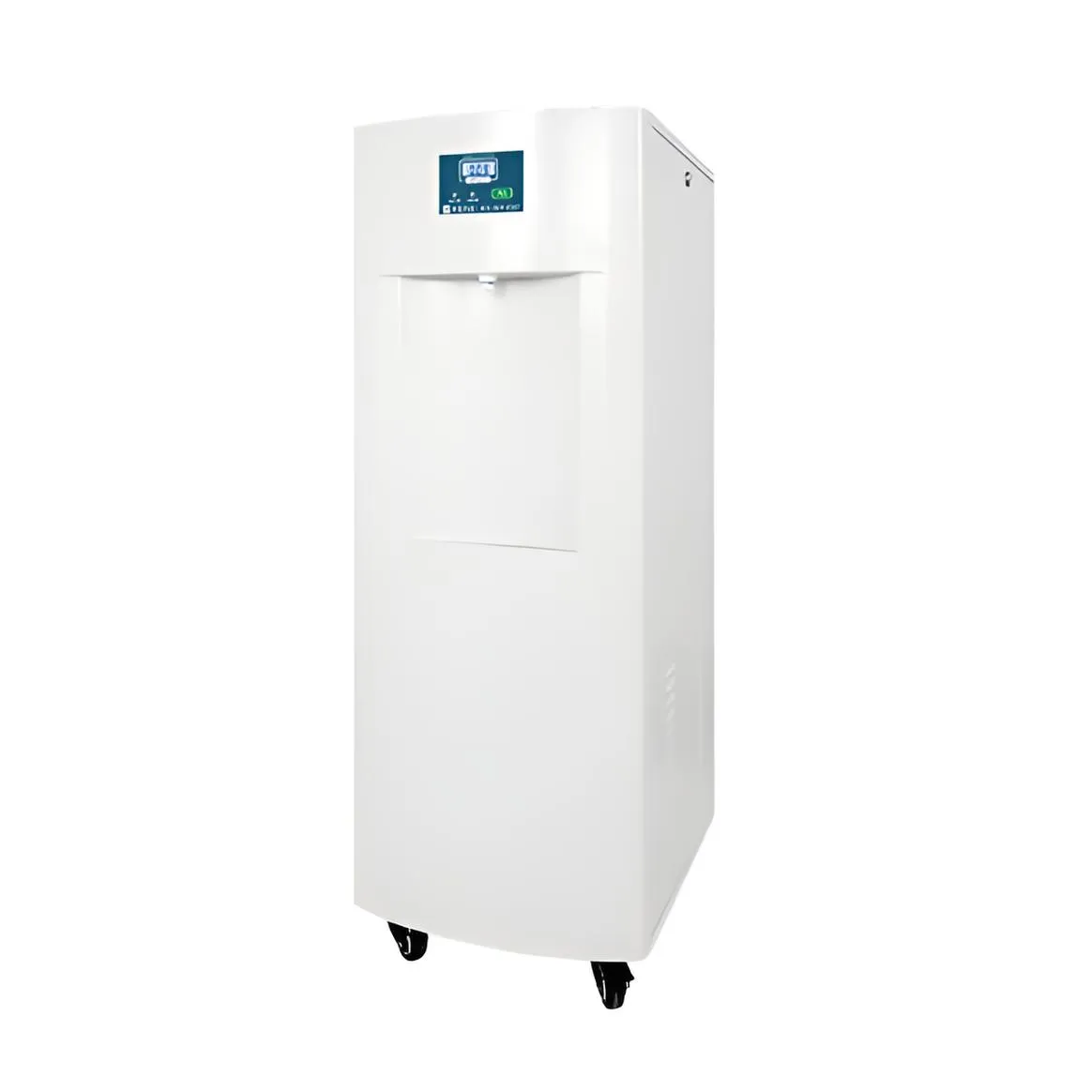
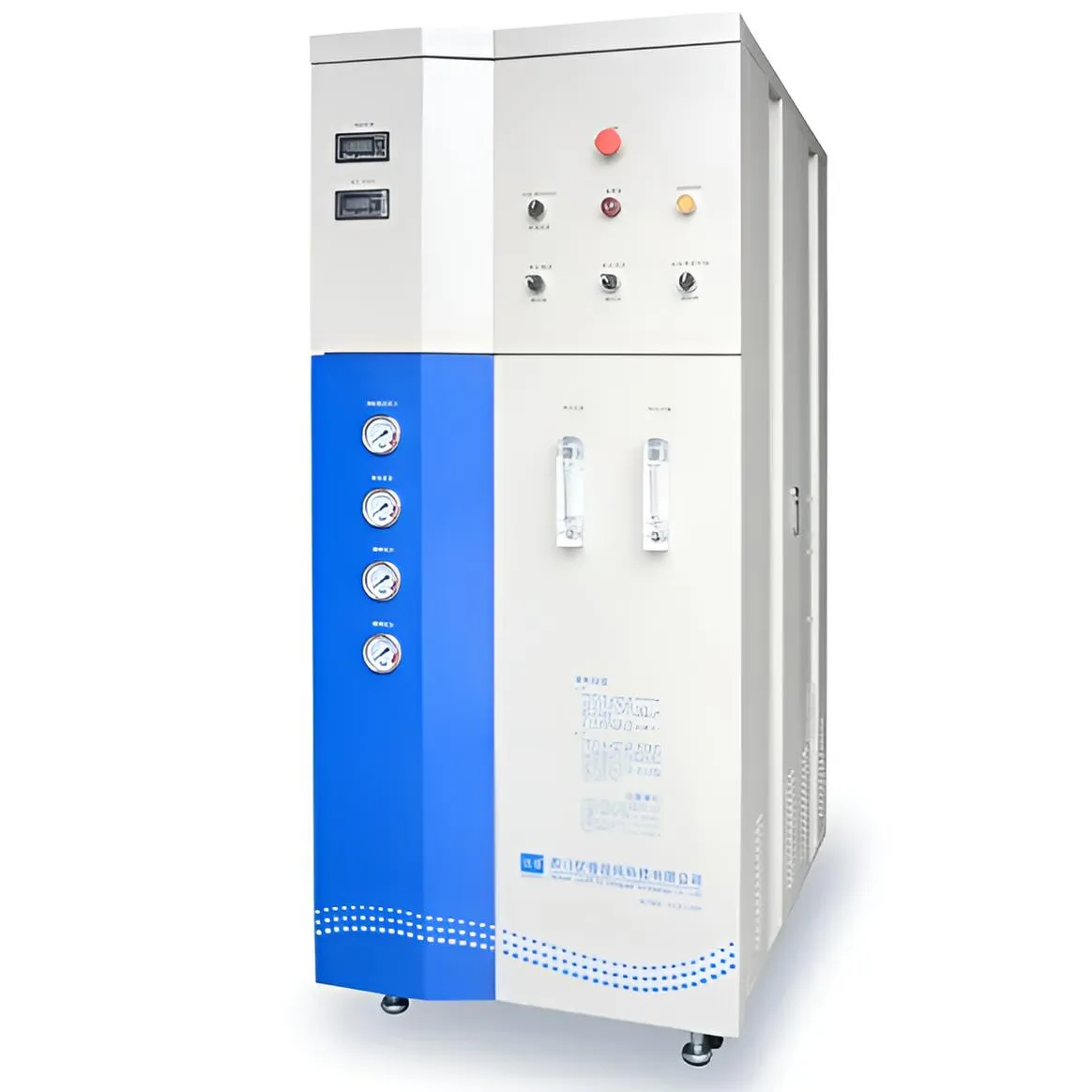
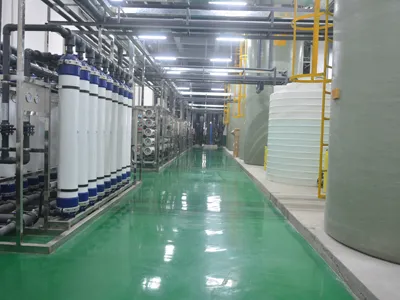
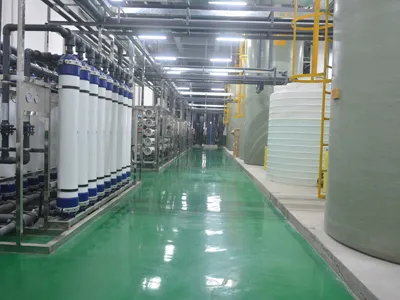
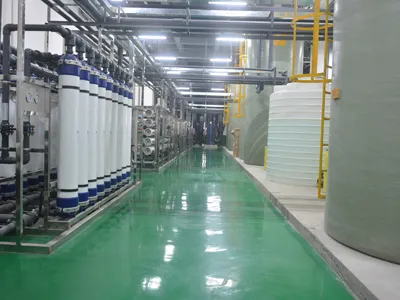
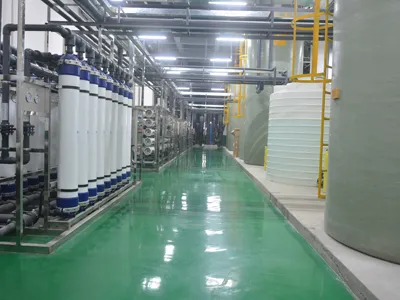
Ultrapure water equipment is used to produce ultrapure water. While all ultrapure water equipment uses different processes, the process design for ultrapure water equipment requires consideration of many indicators to determine the most suitable one. So, what indicators should be considered when designing an ultrapure water equipment process?
1. Total Dissolved Solids (TDS): This usually indirectly reflects the conductivity of the raw water. Generally, the conductivity range of raw water is 1.5 to 2.3 times the TDS. If the raw water conductivity is unknown, it can be estimated.
2. Hardness (as CaCO3): For water below 200 ppm, scale inhibitors are sufficient. For 200-300 ppm, consider appropriate measures. For above 350 ppm, a water softener is recommended.
3. Microbiological indicators: Consider whether to add a bacteriostatic dosing device.
4. Nitrate: RO (Reverse Oxidation) does not remove nitrate very efficiently. If the raw water has high nitrate levels, consider adding EDI (Electrodeionization).
5. Iron and manganese ions. If the levels exceed the standards, consider replacing the packing material with manganese sand, adding aeration devices, etc., to avoid iron and manganese colloidal contamination, which is a relatively difficult type of contamination to treat.
The above is an introduction to the indicators to pay attention to when designing ultrapure water equipment processes. We hope this information is helpful. Based on local water quality conditions, choose the appropriate ultrapure water equipment process to ensure that the produced water meets the required standards.