

Phone:
0086 28 87573647
+86 19150187139

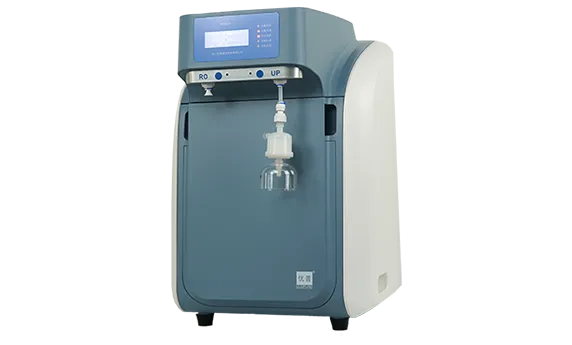
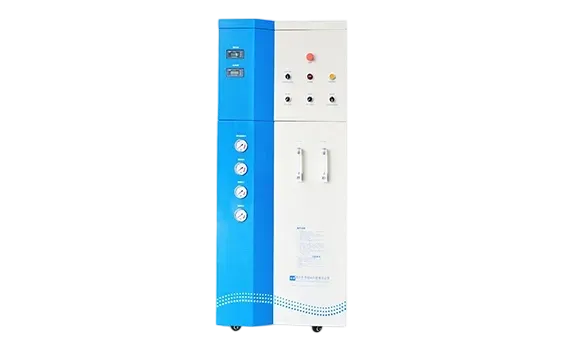
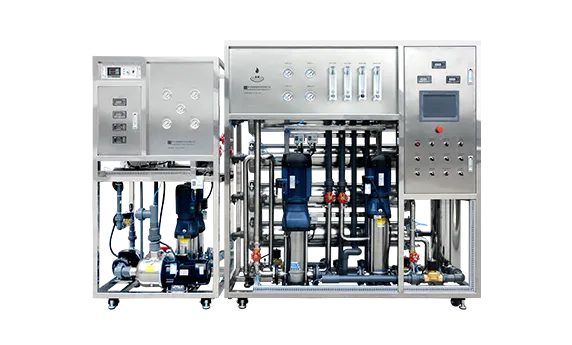
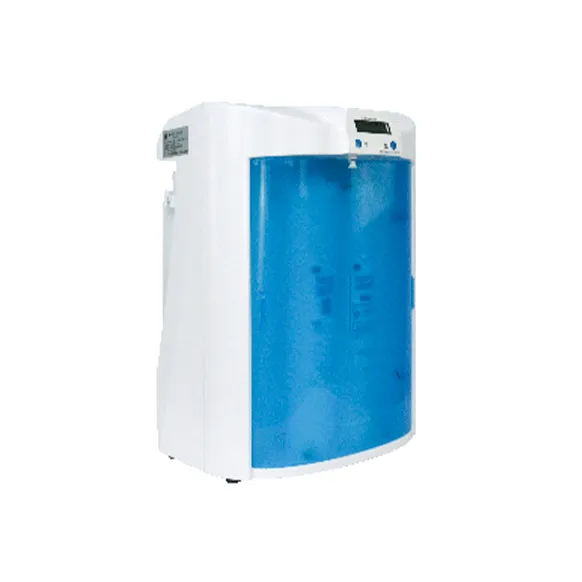
Although ultrapure water systems are now widely used across various industries, some universities, epidemic prevention stations, quality inspection departments, research institutes, and corporate analytical laboratories and testing departments still use traditional water distillers to produce laboratory water.
The first thing laboratory staff in these locations do every day is boil distilled water or fetch water from upstairs. Although they are aware of the drawbacks of water distillers—slow boiling speed, high power consumption, easy to burn out and damage, unstable water quality, and the need for dedicated supervision—they choose cheaper distillers due to cost considerations. However, a careful calculation reveals that the cost of a water distiller is not much less than that of an ultrapure water system. Below is a breakdown:
Water Distiller vs. Ultrapure Water System Cost Analysis:
Name | Ultrapure water system | water distiller |
Function | 50W | 15000W |
Discharge ratio | 1:3 | 1:20 |
Daily electricity cost | 0.05 kWh × 0.8 yuan/kWh × 4 hours/day = 0.16 yuan | 15 degrees × 0.8 yuan/degree × 8 hours/day =96 yuan |
Daily water bill | 0.02 tons × 3 × 2 yuan/ton × 4 hours/day = 0.48 yuan | 0.02 tons × 20 × 2 yuan/ton × 8 hours/day = 6.4 yuan |
Total cost per year | (0.16 yuan + 0.48 yuan) × 260 days =166.4 yuan | (96 yuan + 6.4 yuan) × 260 days =26624 yuan |
Annual savings | 26624 yuan - 166.4 yuan = 26457.6 yuan |
As can be seen from the table above, ultrapure water machines actually save costs for users during long-term use, making their purchase cost negligible.