






Phone:
0086 28 87573647
+86 19150187139

I. Working Principle
Due to erosion by carbonic acid, dissolution of iron by organic matter, and reduction of ferric oxides under anaerobic conditions, large amounts of iron enter groundwater, especially in floodplains. For example, in my country's Pearl River Delta and Yangtze River Delta regions, the iron content of groundwater along rivers and coastlines is generally 10-15 times higher than the national drinking water standards.
Currently, there are two methods for iron removal from groundwater: natural oxidation and contact catalysis. The CT-type pressure-type groundwater iron removal device adopts internationally advanced contact catalytic iron removal technology. The process involves the formation of γ-FeOOH (r-FOOH), and the catalytic action of r-FeOOH removes iron from the water through contact, adsorption, catalysis, oxidation, and separation. The main reactions are as follows:
Fe2++FeO(OH)→FeO(OFe)++H+
FeO(OFe)+ +O2+H2O→FeO(OH) +H+
Contact catalytic iron removal uses quartz sand or natural materials as filter media, while contact catalytic manganese removal mainly uses natural manganese sand filter media.
II. Equipment Composition and Characteristics
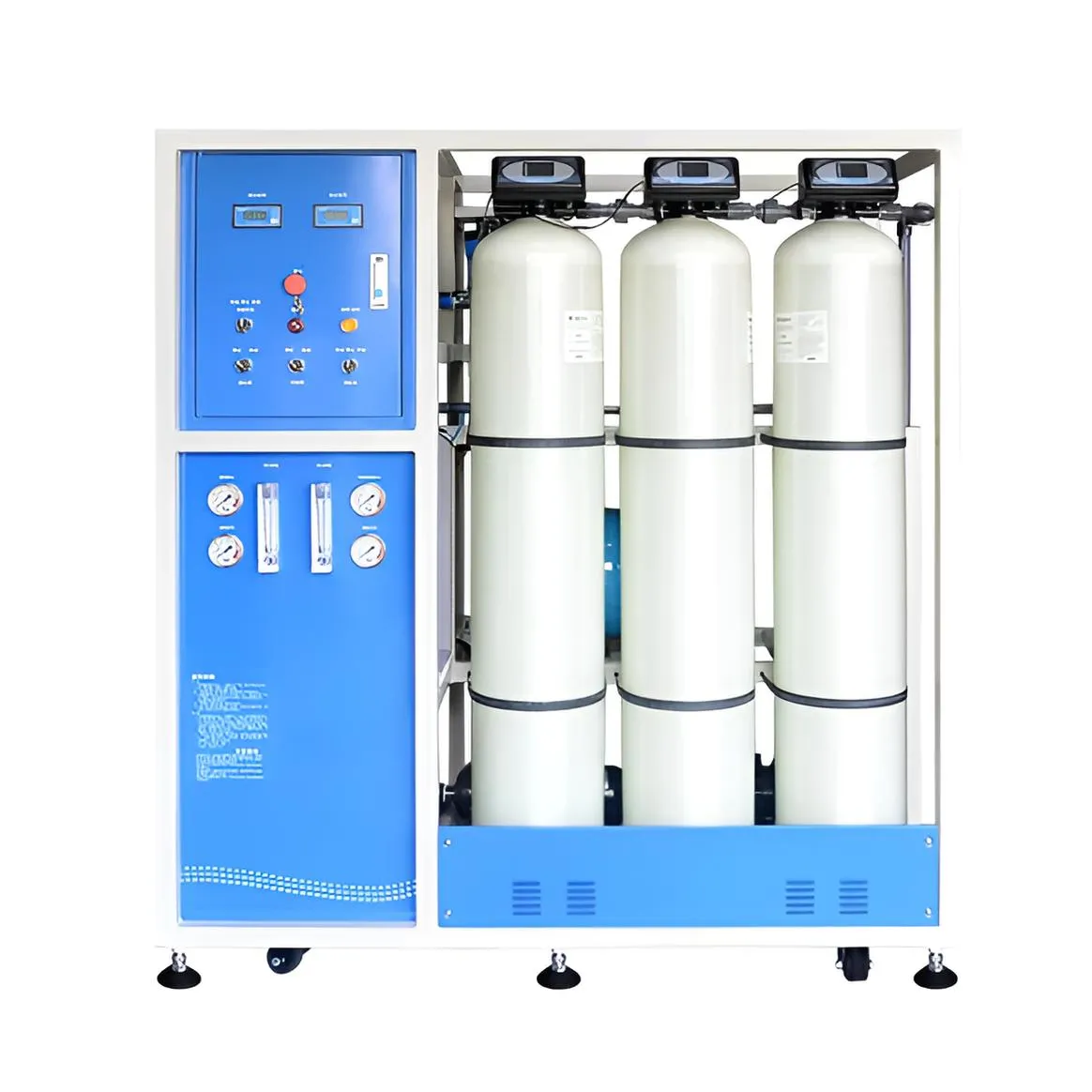
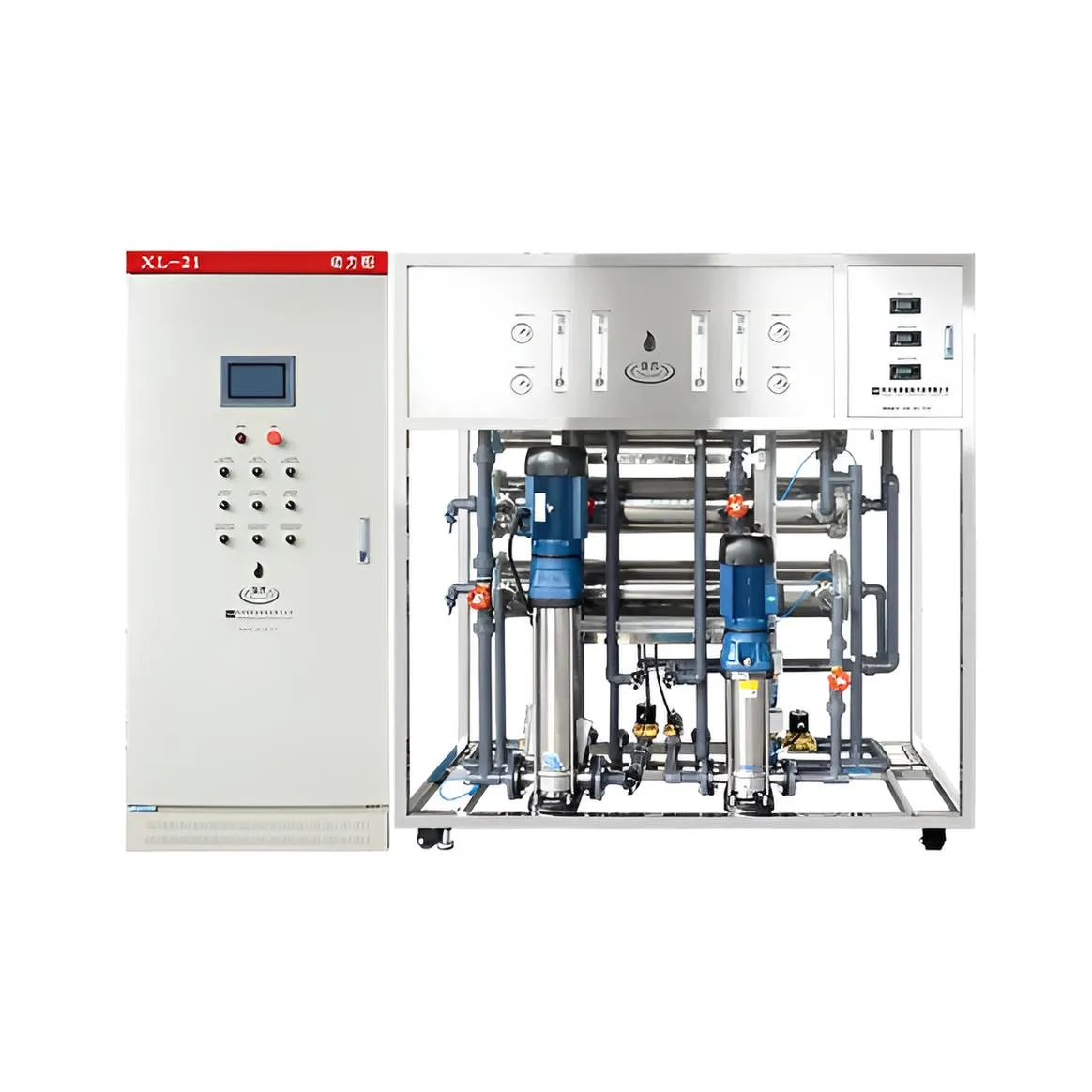
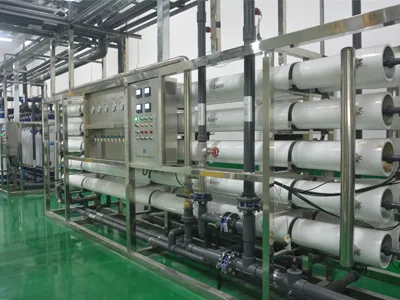
The CT-type pressure-type groundwater iron (manganese) removal device passed the appraisal of the Guangdong Provincial Science and Technology Commission in June 1989 (Guangdong Science and Technology Appraisal No. 048). The device consists of three main parts: a pressure filter tank, a water-air mixer, and an air compressor.
Highly adaptable to various water qualities and a wide pH range; small aeration unit and minimal footprint.
Contact-catalysis-oxidation: adaptable to a wide range of iron content; eliminates the need for reaction tanks and sedimentation tanks, resulting in low construction and equipment costs.
Contact-adsorption-separation: long filter media lifespan, high filtration rate, low operating costs (0.36~0.75KW), and no secondary power required.
No chemicals used, no environmental pollution, long filtration cycle, and strong adaptability to various water qualities.
Low iron concentration in effluent, no "breakthrough" phenomenon, simple and reliable operation and management, and convenient maintenance.
III. Model Specifications
Model | Diameter(mm) | High(mm) | Filling Filter Media(m3) | Water Treatment Capacity(m3/h) | Transport Weight(T) |
CT-500 | 500 | 2600 | 0.27 | 2~3 | 0.9 |
CT-600 | 600 | 2600 | 0.40 | 3~4 | 1.2 |
CT-800 | 800 | 2800 | 0.70 | 5~7 | 2.0 |
CT-1000 | 1000 | 2800 | 1.10 | 8~11 | 2.8 |
CT-1200 | 1200 | 2800 | 1.58 | 11~16 | 3.9 |
CT-1500 | 1500 | 3000 | 2.48 | !7~25 | 5.8 |
CT-1800 | 1800 | 3200 | 3.56 | 25~35 | 7.8 |
CT-2000 | 2000 | 3200 | 4.40 | 30~45 | 9.5 |
CT-2300 | 2300 | 3300 | 5.81 | 40~60 | 13.0 |
CT-2500 | 2500 | 3300 | 6.87 | 50~70 | 16.2 |
CT-2800 | 2800 | 3500 | 8.62 | 60~90 | 20.8 |
CT-3000 | 3000 | 3500 | 9.90 | 70~100 | 25.0 |
IV. Scope of Application
The CT-type pressure-type iron (manganese) removal device is generally suitable for general underground iron and manganese removal.
1. pH > 6, ρ(Fe) < 10 mg/L: Single-stage equipment is used.
2. pH > 6, ρ(Fe) = 10~20 mg/L: Two stages in series are used.
3. pH > 6.5, ρ(Fe) < 2 mg/L, ρ(Mn) < 1.0 mg/L: Single-stage iron and manganese removal can be used.
4. pH = 5.5~6.0, ρ(Fe) < 5 mg/L: Single-stage treatment can still be used, but water quality stabilization treatment is required.
5. pH < 5.5 or ρ(Fe) > 20 mg/L, or when both iron and manganese contents are high, the process flow should be determined through experiments, depending on the water quality conditions, if necessary.





