


Phone:
0086 28 87573647
+86 19150187139
In the power industry, steam drives turbines to generate electricity.
In the semiconductor industry, pure water is used to clean wafers.
In the paper industry, steam heats pulp and drives turbines to generate power.
In the pharmaceutical industry, steam is used to produce injectable products (WFI), clean equipment, and form pharmaceuticals.
In the petrochemical industry, steam is used to heat products (superior to open flames) and generate electricity.
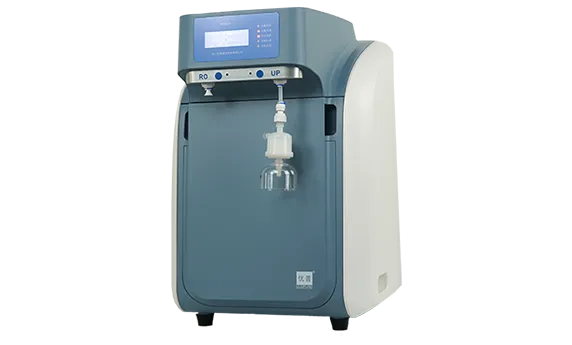
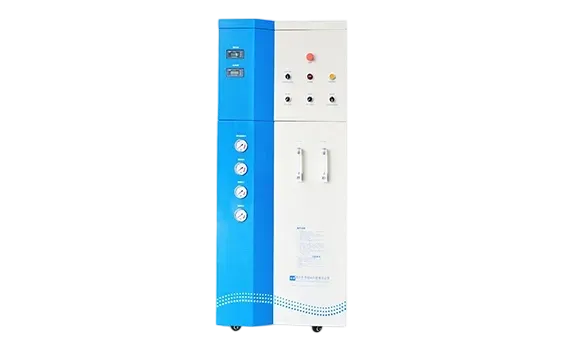
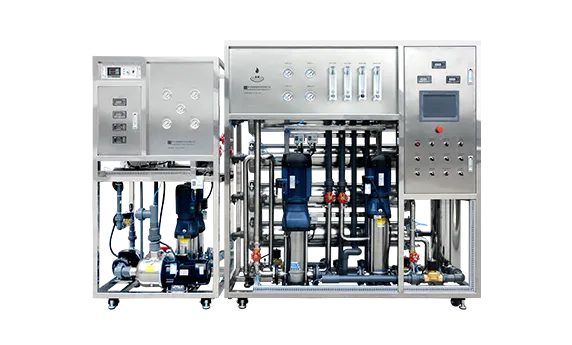
There are generally two methods for producing deionized water/ultrapure water (DI/UPW), often used in combination:
Resin method, using ion exchange resins to remove cations (positively charged) and anions (negatively charged).
Reverse osmosis method.
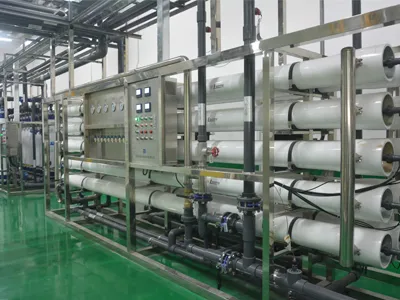
The resin method is the most common and effective method for producing deionized water. Good resins can be used to produce pure water. However, resins have a limited lifespan and require regeneration. Regeneration is time-consuming and expensive. It requires rinsing the resin with large amounts of sulfuric acid (for cation exchange resins) and caustic soda (for anion exchange resins). The higher the efficiency of the resin (until breakthrough occurs), the lower the cost and the safer it is for the environment and users. Reverse osmosis can remove a large amount of soluble salts from untreated water, so it is often used for water pretreatment before resin adsorption of ions. This greatly extends the resin's lifespan and reduces the frequency of regeneration.
Sodium Ions
Water (usually municipal water or water treated by reverse osmosis) first passes through a cation exchange resin, where sodium, potassium, and calcium ions are adsorbed and removed, replaced by hydrogen ions. When the resin is saturated, the ion with the weakest binding bond to the resin leaves first; this is called "breakthrough." If "breakthrough" is detected in time, the user can replace the old resin with new resin to adsorb ions, and the old resin undergoes regeneration. Among all cations, sodium ions have the weakest binding capacity and can be accurately measured even at low concentrations. Therefore, a sodium monitor (model: 1811A0) can be used to monitor the effluent from the cation exchange resin and detect "breakthrough" in a timely manner.
Silicate Ions
Water from a cation exchange resin no longer contains any cations; all ions have been replaced by hydrogen ions (H+). Anions, such as chloride and sulfate ions, remain in the water. Anion exchange resins remove these negatively charged ions and replace them with hydroxide ions (OH-), thus producing pure water. Although not ions, silica (SiO2) is adsorbed due to its weak negative charge and is the first to "break through," so the timing of regeneration of the anion exchange resin can be determined by measuring silicate concentration. A silica monitor (model: 2030) is used to monitor the effluent from the anion exchange resin to detect "breakthrough" promptly.