

Phone:
0086 28 87573647
+86 19150187139

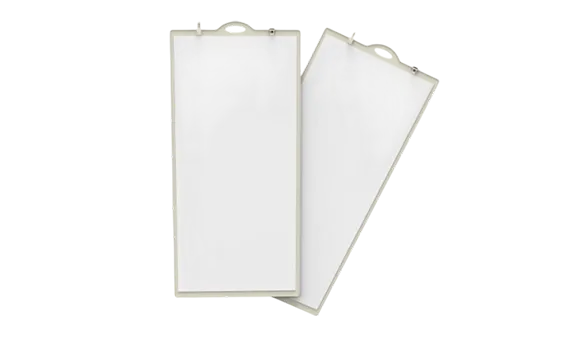
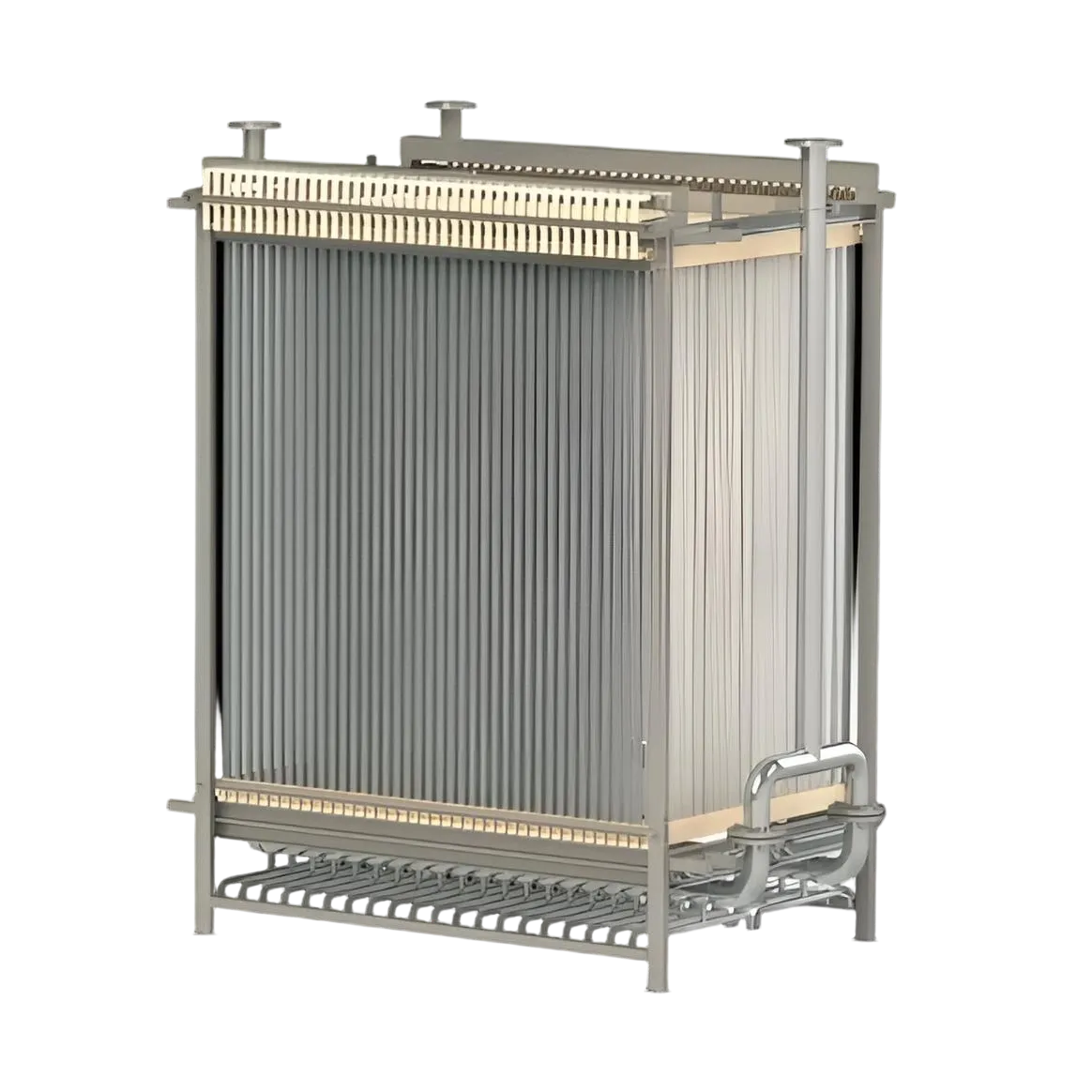
In an electrodialysis unit, several ion-exchange membranes and cation-exchange membranes rotate alternately and parallel between the anode and cathode plates, maintaining a certain distance between them to form compartments. When a direct current is applied, ions in the water migrate directionally: cations move towards the negative electrode, and anions move towards the positive electrode. Cations can only pass through the cation-exchange membrane, and anions can only pass through the anion-exchange membrane. Electrodialysis can remove electrolyte impurities from water, but its removal efficiency is low for weak electrolysis. Electrodialysis is commonly used for seawater desalination but is not suitable for producing pure laboratory water alone. When combined with ion exchange, it can produce relatively good laboratory pure water. The advantages of electrodialysis are that the equipment can be automated, requiring no manual labor, consuming only electricity, and not consuming acids or alkalis or producing waste liquid.