







Phone:
0086 28 87573647
+86 19150187139

All water softeners require maintenance, and fully automatic water softeners are no exception. Today, we'll guide you through the maintenance process for your water softener.
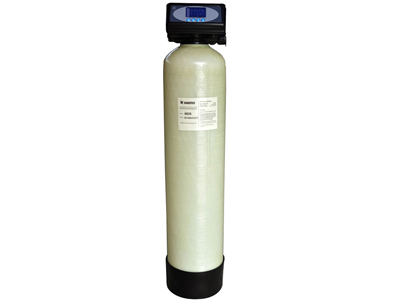
The water softener should be disassembled annually to clean impurities from the upper and lower water distributors and the quartz sand pad. The resin loss and exchange capacity should be checked, and severely aged resin should be replaced. Poisoned resin can be revived with hydrochloric acid solution.
Ensure stable input voltage and current to the water softener to prevent damage to the electrical control unit. A sealed cover should be installed on the exterior of the electrical control unit to prevent moisture and water immersion.
Regularly add solid granular salt to the brine tank, ensuring the brine solution is supersaturated. When adding salt, avoid spilling solid granular salt into the brine well to prevent salt bridges from forming on the brine valve and clogging the brine suction line.
Before shutting down the equipment, the ion exchange resin in the tank should be fully regenerated to convert it to the sodium form for wet maintenance.
If shutting down during the summer, the water softener should be flushed at least once a month to prevent microbial growth in the exchange tank, which can cause the resin to mold and clump.
During winter shutdown, antifreeze measures should be taken to prevent the resin from cracking and breaking due to freezing of moisture. The resin can be stored in a saline solution; the concentration of the saline solution should be adjusted according to the temperature.
Proper daily maintenance of the fully automatic water softener can effectively extend its service life, reduce replacement frequency, and lower production costs.





