


Phone:
0086 28 87573647
+86 19150187139

The conductivity of pure/ultrapure water is an important indicator of the quality of the effluent from pure water equipment. If the conductivity is not within the standard value, it will inevitably fail to meet the requirements. At this time, we need to find out the reason. Let's take a look at why the conductivity of purified water is unstable.
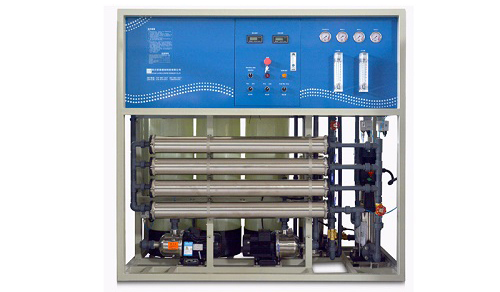
The lower the conductivity of pure water, the higher its purity. There are several common reasons for unstable conductivity in purified water:
1. Pretreatment filters are not regularly flushed.
2. The precision filter in the purified water equipment is contaminated and not cleaned or replaced in time.
3. The reverse osmosis membrane is contaminated and not cleaned or replaced in time.
4. The reverse osmosis system is not rigorously maintained.
5. The water temperature during water production is too high, or the influent pH value is not within the reasonable range.
These are some of the most common reasons for substandard purified water conductivity. Fluctuating conductivity can seriously affect purified water standards and production efficiency. Therefore, we must address these issues promptly to avoid greater losses due to substandard water quality.
First, we need to understand the reasons for unstable purified water conductivity to effectively solve the problem and improve water supply efficiency.
1. The higher the purity of water, the stronger its ability to dissolve substances. Upon contact with air, substances such as carbon dioxide, oxygen, and ammonia dissolve rapidly, causing a rapid increase in conductivity.
2. Environmental factors: Pure water conductivity needs to be measured online; otherwise, the data may be unstable.
3. Related to the exchange column or resin inside the water purifier, and the time spent in the air.
4. Whether the reverse osmosis membrane, filter cartridge, etc., need replacement.
5. Unstable raw water quality: Changes in raw water quality will increase the conductivity of the purified water, naturally affecting the product water.
The above are important reasons for unstable conductivity in purified water. Therefore, if the conductivity of purified water exceeds the standard, the most important thing to do is to identify the cause and take appropriate measures to resolve the problem.