









Phone:
0086 28 87573647
+86 19150187139

From detecting pollutants in environmental water samples to monitoring pharmaceutical quality, ion chromatography requires stringent standards for the water used in experiments to achieve optimal performance. The quality of pure water directly determines the accuracy and reliability of experimental results.
1. Low Ion Content: Ideally, water used for ion chromatography should be as close as possible to theoretically pure water, meaning extremely low ion content. Common cations in water, such as sodium ions (Na⁺) and calcium ions (Ca²⁺), and anions, such as chloride ions (Cl⁻), sulfate ions (SO₄²⁻), and carbonate ions (CO₃²⁻), must all be kept at low levels. If the sodium ion content in the water is too high, it will raise the baseline when detecting sodium ions in the sample, leading to inflated results. The presence of chloride ions may worsen the separation effect. Typically, the resistivity of water used for ion chromatography needs to reach 18.2 MΩ·cm (25℃).
2. No Organic Pollution: Organic matter may adsorb onto the stationary phase of the ion chromatography column, altering column performance and shortening its lifespan. It may also interact with target ions, affecting ion separation and detection. For example, large organic molecules such as humic acid in water can accumulate in the column, leading to increased column pressure and decreased separation efficiency. Therefore, ion chromatography water must not only remove ions but also have its organic matter content controlled to a low level.
3. Microbial Control: Microorganisms can release ions and organic matter, contaminating the experimental water and interfering with detection results. Furthermore, microorganisms may multiply within the column, clogging it and disrupting the normal operation of the chromatography system. Therefore, the number of microorganisms in ion chromatography water must be controlled.
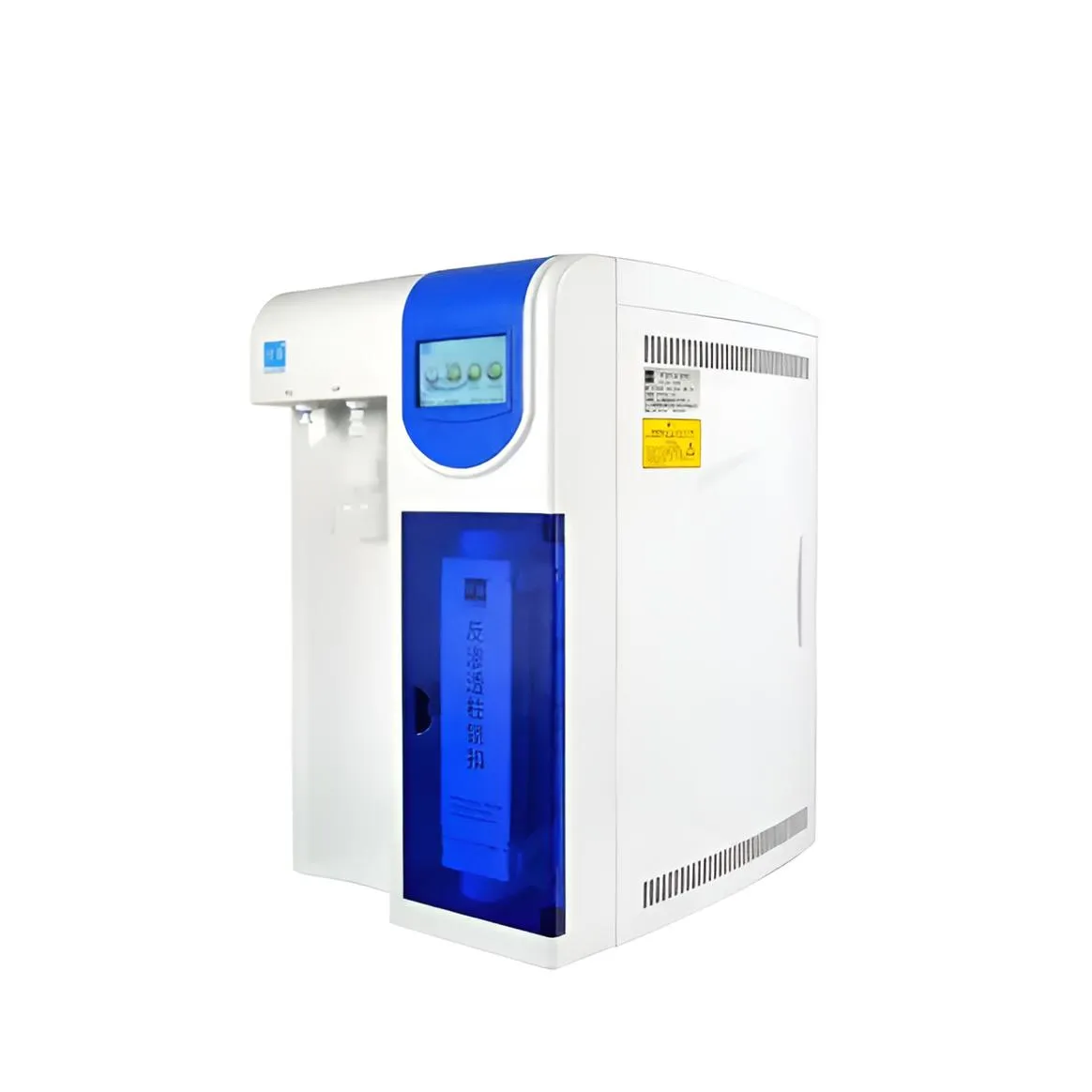
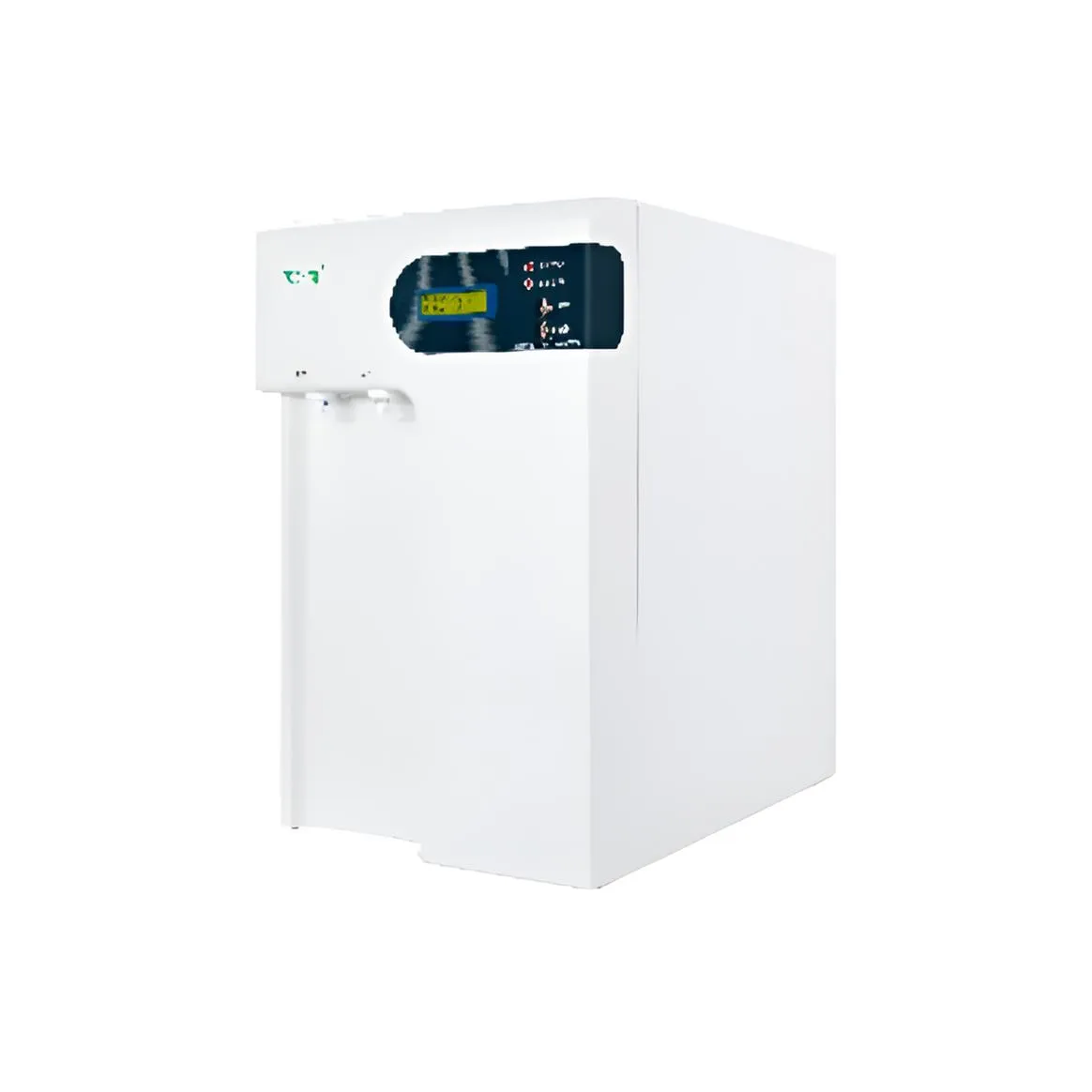
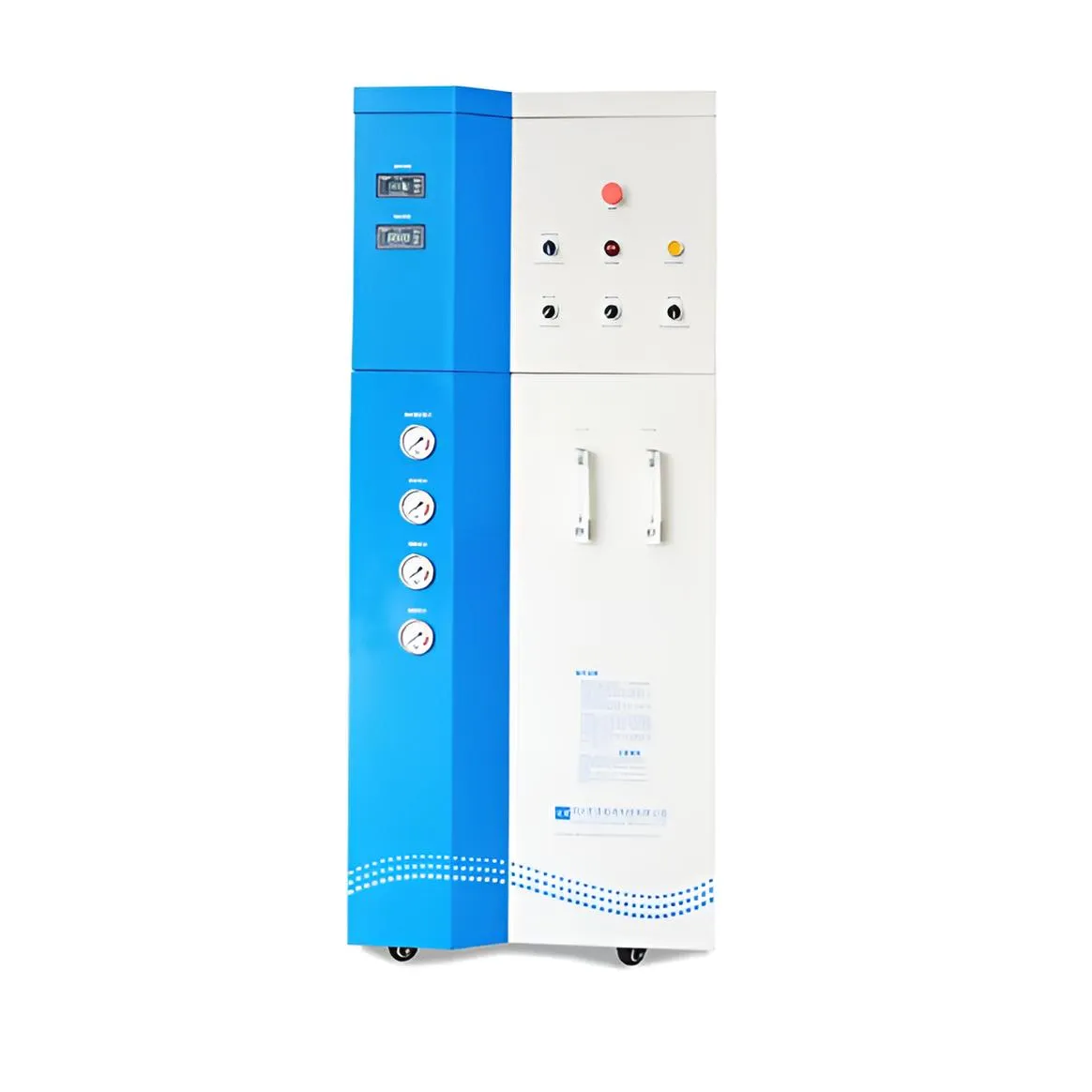
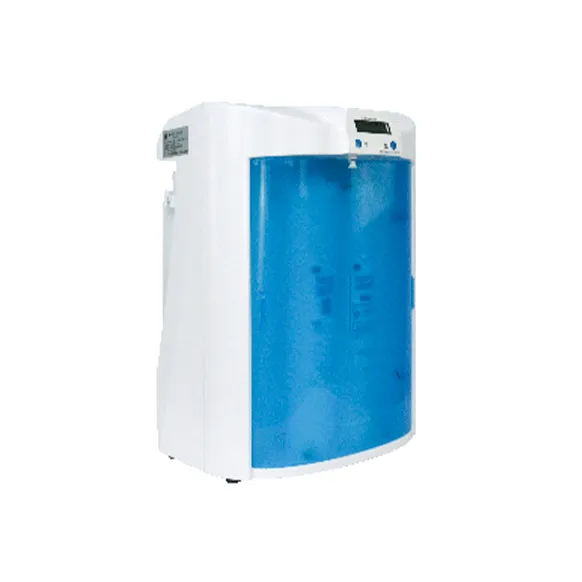
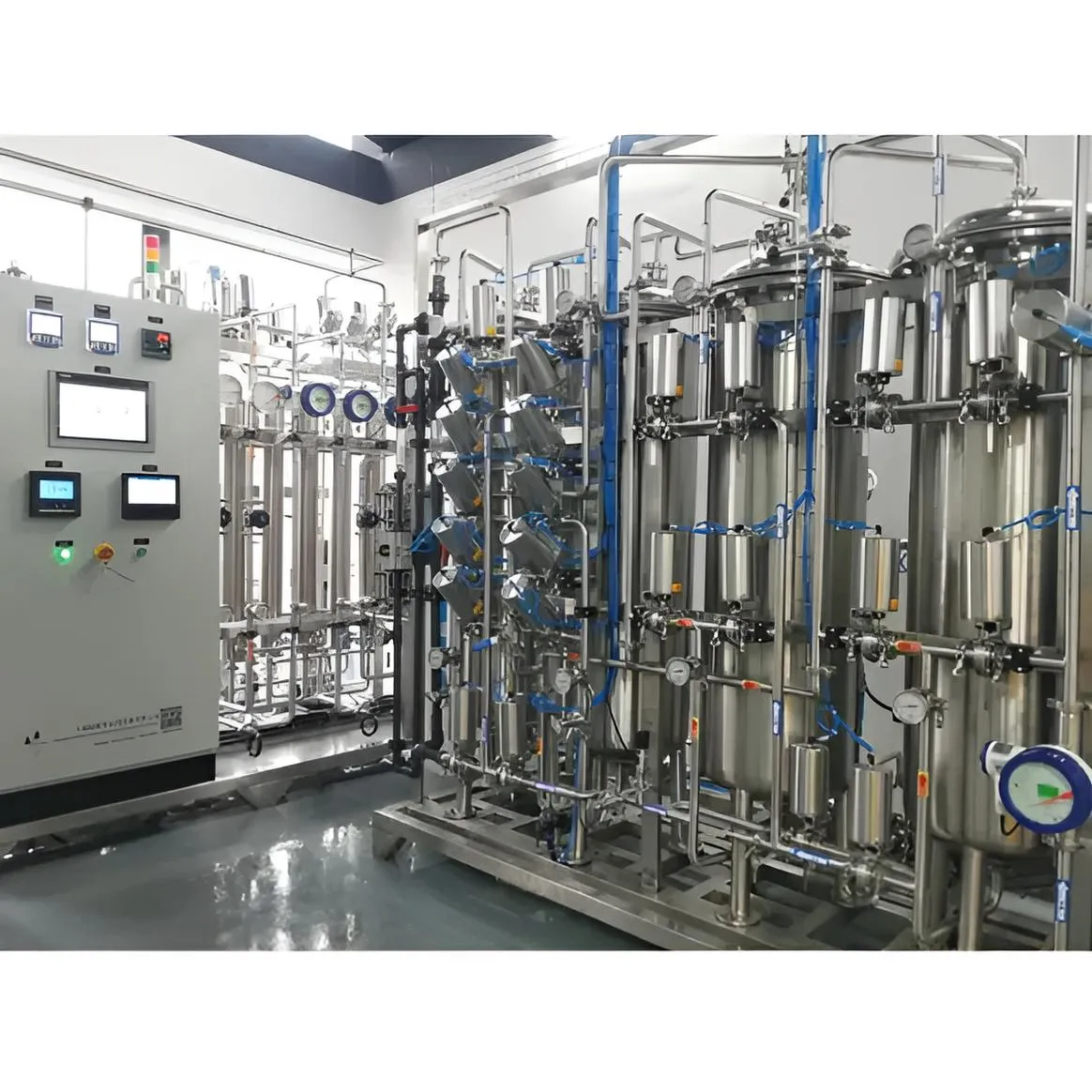
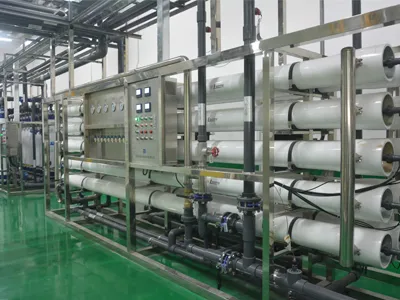
To meet the water requirements of ion chromatography experiments, laboratories are typically equipped with professional pure water systems. These systems utilize various advanced water treatment technologies to progressively purify ordinary tap water into ultrapure water that meets the requirements of ion chromatography experiments.
1. Multi-stage filtration system: The laboratory pure water system employs a multi-stage filtration system to remove suspended solids and residual chlorine from the water, retaining impurities such as ions, organic matter, and bacteria. Through ion exchange reactions, the anions and cations in the water are replaced with hydrogen ions and hydroxide ions, thereby increasing the water's resistivity. The final filtration uses ultrafiltration membranes or microporous membranes to remove any bacteria, endotoxins, and tiny particles that may be present in the water, ensuring that the final ultrapure water meets all the requirements of ion chromatography experiments.
2. Intelligent monitoring and maintenance: The laboratory pure water system has intelligent monitoring and maintenance functions. Through built-in resistivity sensors and other technologies, it monitors water quality parameters in real time. Once an abnormality is detected, an alarm is immediately issued and a circulation flushing program is initiated to prevent microbial growth. Simultaneously, the laboratory pure water system can record water quality data and equipment operating status, facilitating management and maintenance.
3. Customized solutions: Different ion chromatography experiments may have slightly different water quality requirements. For example, some trace analysis experiments have higher detection limits for specific ions. To address this situation, we can provide customized solutions, adjusting water treatment processes and configurations according to the specific needs of the laboratory to meet the individualized water quality requirements of different experiments.





