





Phone:
0086 28 87573647
+86 19150187139

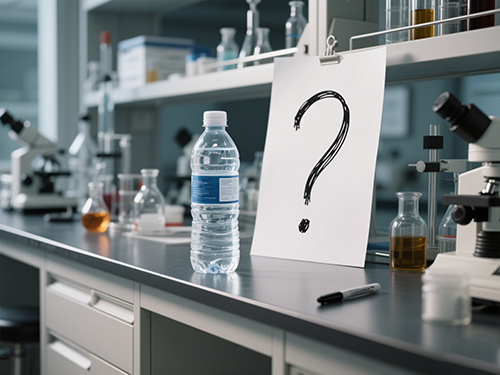
There has always been controversy regarding whether Wahaha water can replace ultrapure water systems in laboratories. Today, we'll analyze the differences between the two.
Wahaha water is essentially a type of safe drinking water that meets national standards. Through purification processes, it removes most harmful substances from the water. However, compared to ultrapure water, Wahaha water's purity is far from reaching ultrapure water levels.
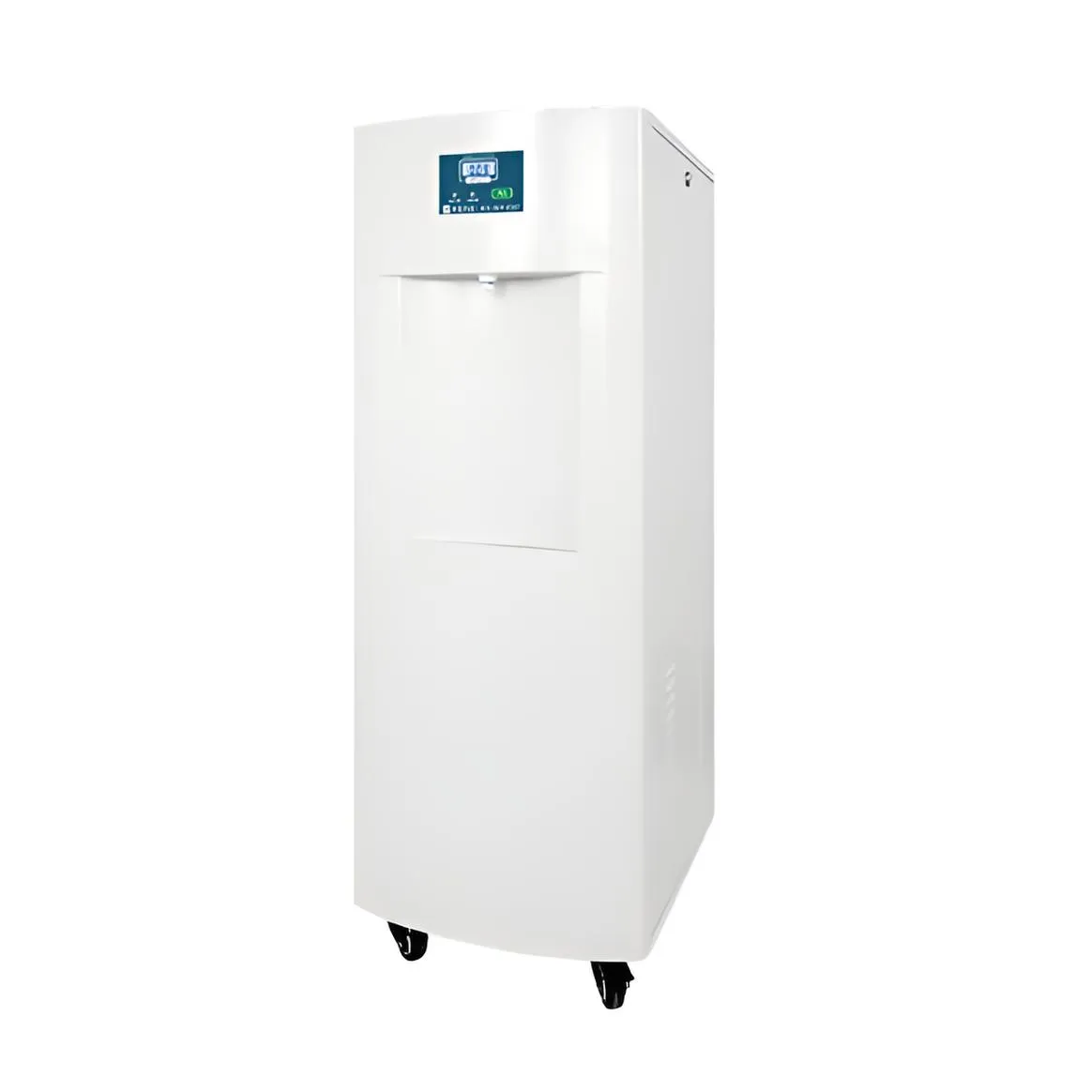
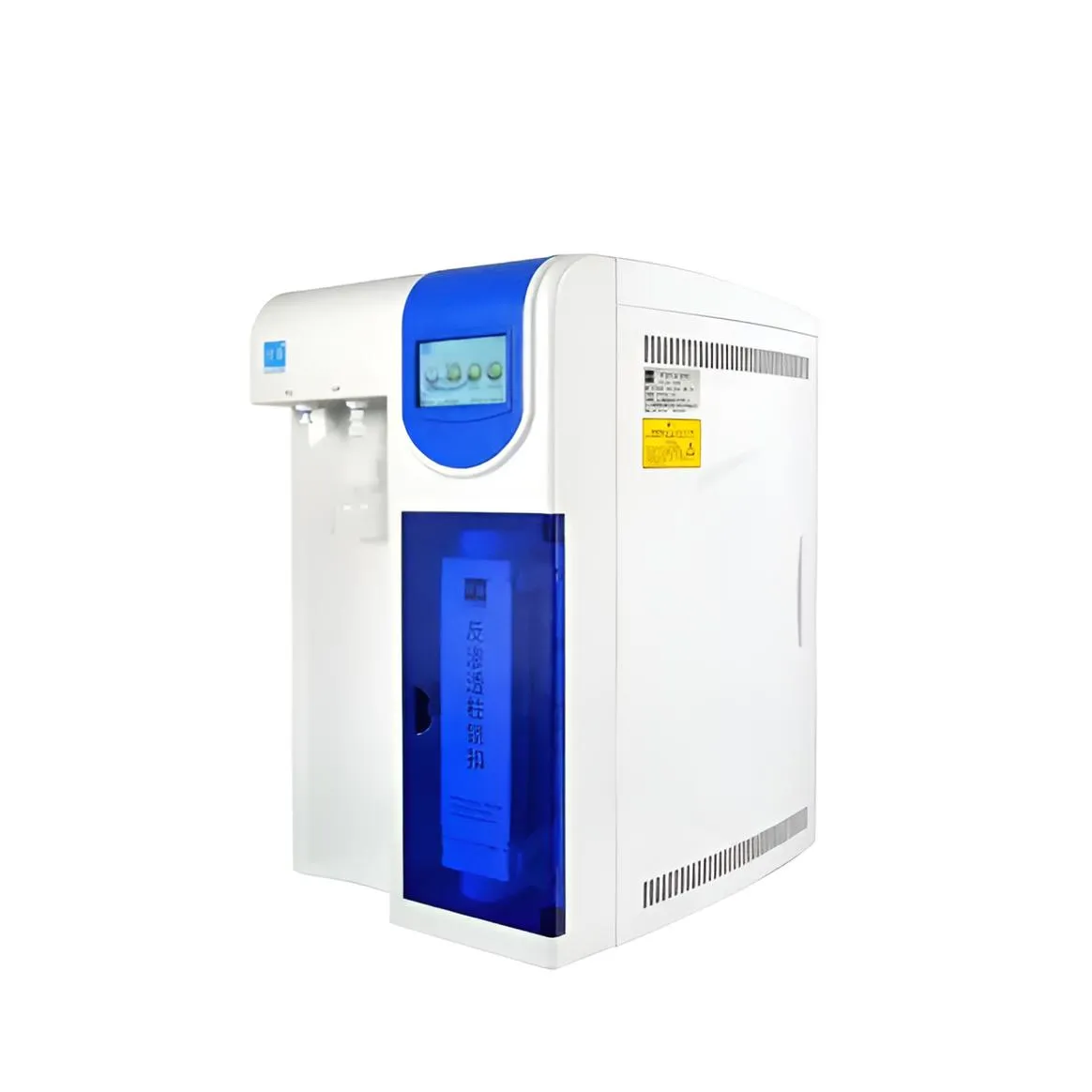
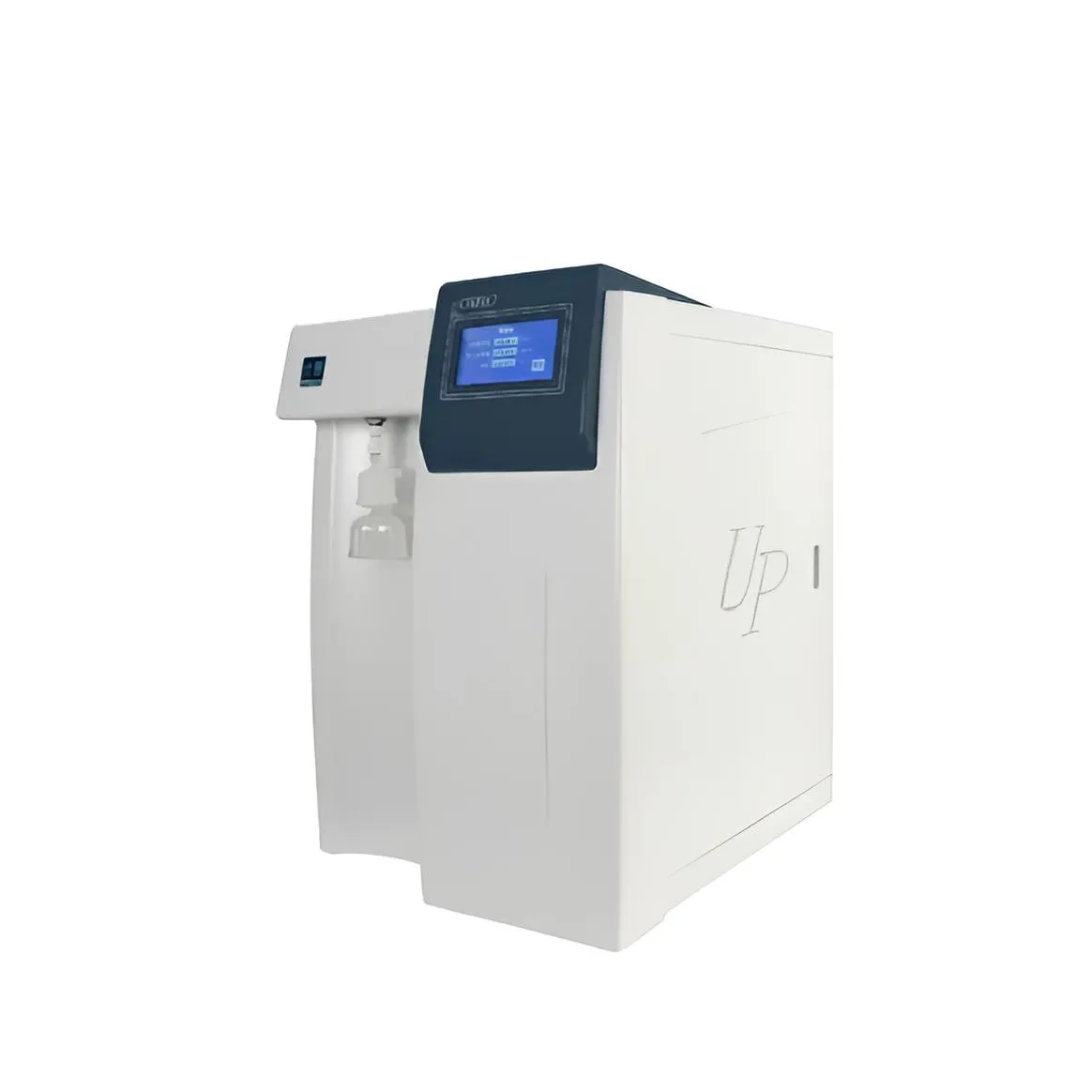
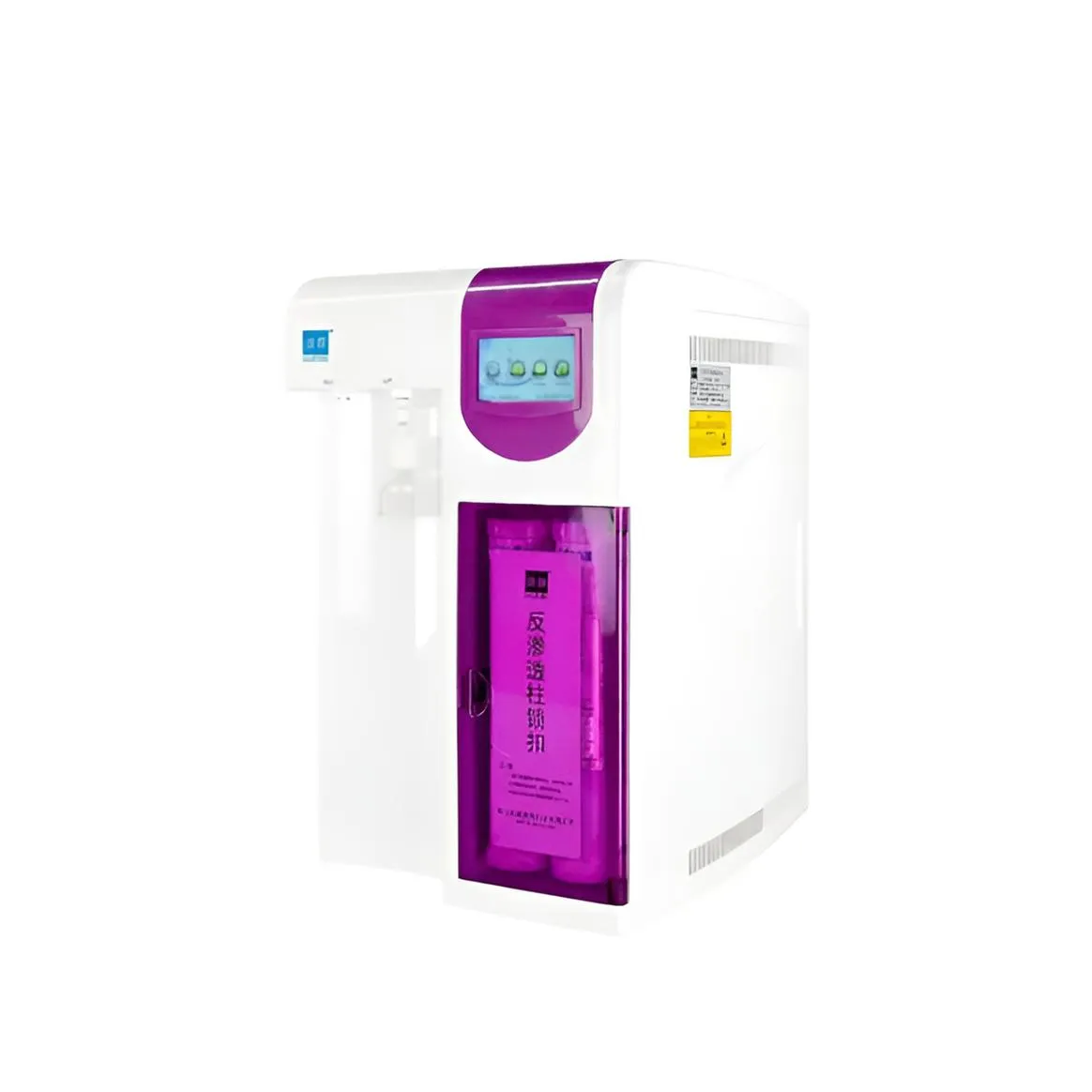
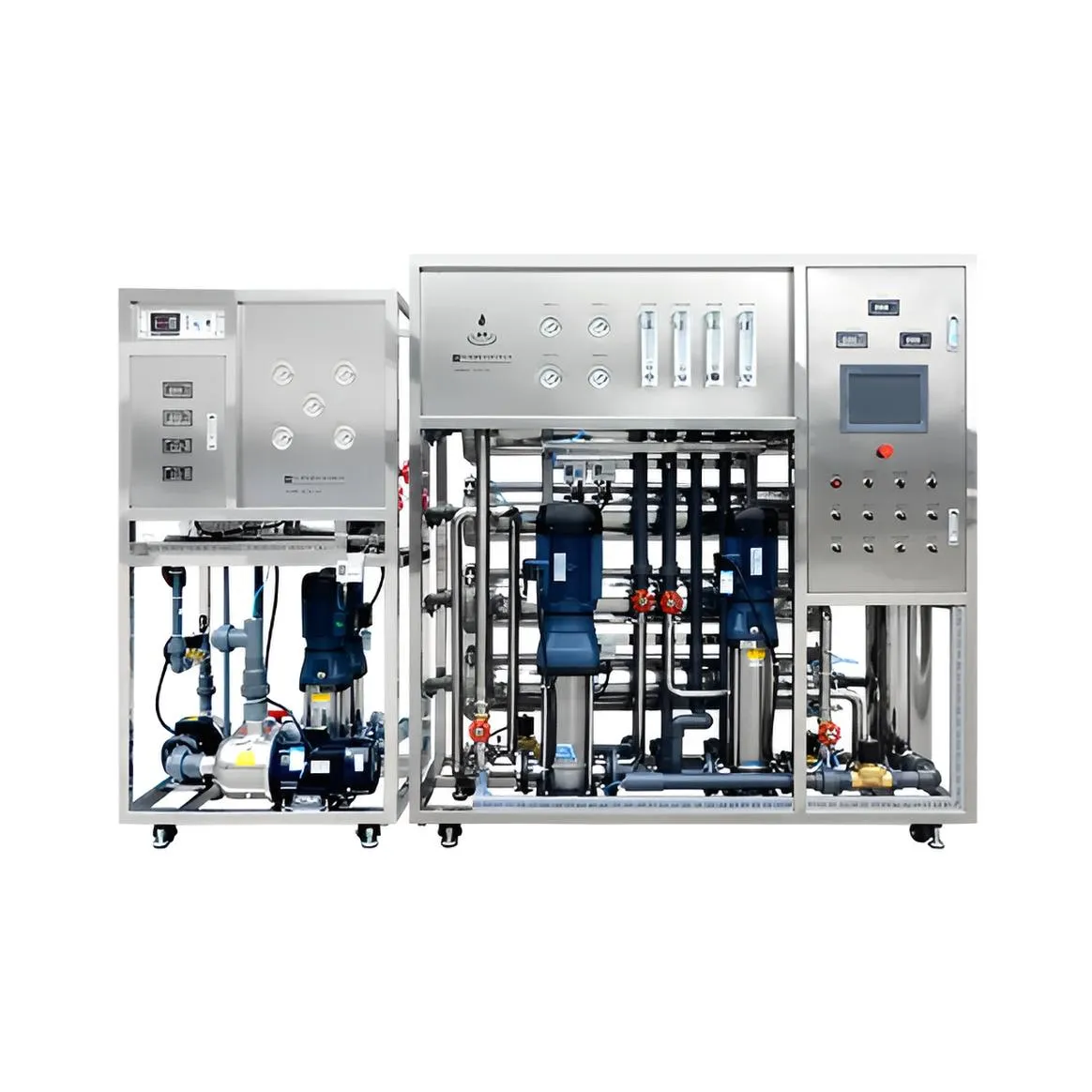
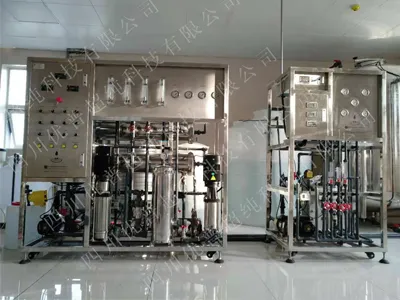
Ultrapure water has extremely high purity, with a resistivity reaching 18.2 MΩ·cm. This type of water is mainly used in fields with high water quality requirements, such as laboratory research, semiconductor manufacturing, and electronic component cleaning. In these fields, even extremely small impurities can have a significant impact on product quality or experimental results. Ultrapure water can only be obtained through ultrapure water systems and is produced and used immediately, ensuring high safety and providing a pure water source guarantee for specific fields.
In conclusion, Wahaha water is grade 3 water, not ultrapure water, and cannot meet the needs of experiments requiring high-purity water.
While Wahaha water is a common choice in laboratories and can be used in some less demanding experiments, it cannot replace ultrapure water. From a water quality standards perspective, bottled water standards are lower than those for ultrapure water in laboratories and the electronics industry. In practical use, taking laboratory liquid chromatography experiments as an example, comparing bottled water with ultrapure water produced by an ultrapure water system, bottled water may exhibit more impurity peaks, a higher baseline, and a higher background concentration. Long-term use can also affect the precision structures of the instrument, such as the injector, injection pump, and chromatographic column, increasing maintenance costs. Moreover, in laboratories with high pure water consumption, bottled water is more expensive; in contrast, ultrapure water systems can produce water on demand, making them more convenient and economical.