




Phone:
0086 28 87573647
+86 19150187139

In the fields of life sciences and microbiology research, culture media are essential carriers for the growth, reproduction, and metabolism of microorganisms. However, many people often overlook a crucial factor in culture media preparation—water. Seemingly ordinary water is actually key to the performance and characteristics of culture media, and its quality control is subject to strict standards.
Recommendations for Water Used in Culture Media
The water used for culture media is not ordinary tap water or purified water. According to relevant industry standards, tap water should not be used for culture media; purified water should be used. Purified water should meet the following requirements: free from components that can inhibit or affect microbial growth (heavy metals, chlorine-containing components, amines, etc.); bacteria count <10³ cfu/mL or <10² cfu/mL is preferred; it should be stored in inert materials; and conductivity <25 µS/cm or <5 μS/cm is preferred.
The impact of water quality on culture media performance is multifaceted. First, metal ions in water, such as calcium, magnesium, and iron ions, may react chemically with components in the culture medium. For example, excessive calcium ions in water may react with phosphates to form precipitates, altering the composition of the culture medium, affecting nutrient supply, and preventing microorganisms from obtaining a suitable growth environment. Secondly, microorganisms are extremely sensitive to their environment during growth; residual microorganisms or their metabolites in the water may contaminate the culture medium, compete with target microorganisms for nutrients, and even produce toxins that inhibit the growth of target microorganisms. Furthermore, organic matter in the water increases background interference in the culture medium, affecting the accuracy of experimental results.
Poor water quality directly affects the performance of the culture medium. In microbial culture experiments, using substandard water to prepare the culture medium may lead to slow microbial growth, abnormal colony morphology, or even failure to grow. In experiments requiring precise detection of microbial metabolites, impurities in the water may interfere with the detection process, causing biased experimental data, leading to incorrect experimental conclusions, and consequently affecting the progress and results of the entire research project. Key Measures to Ensure Water Quality
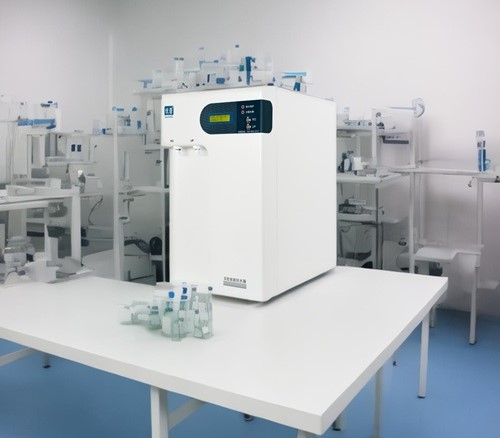
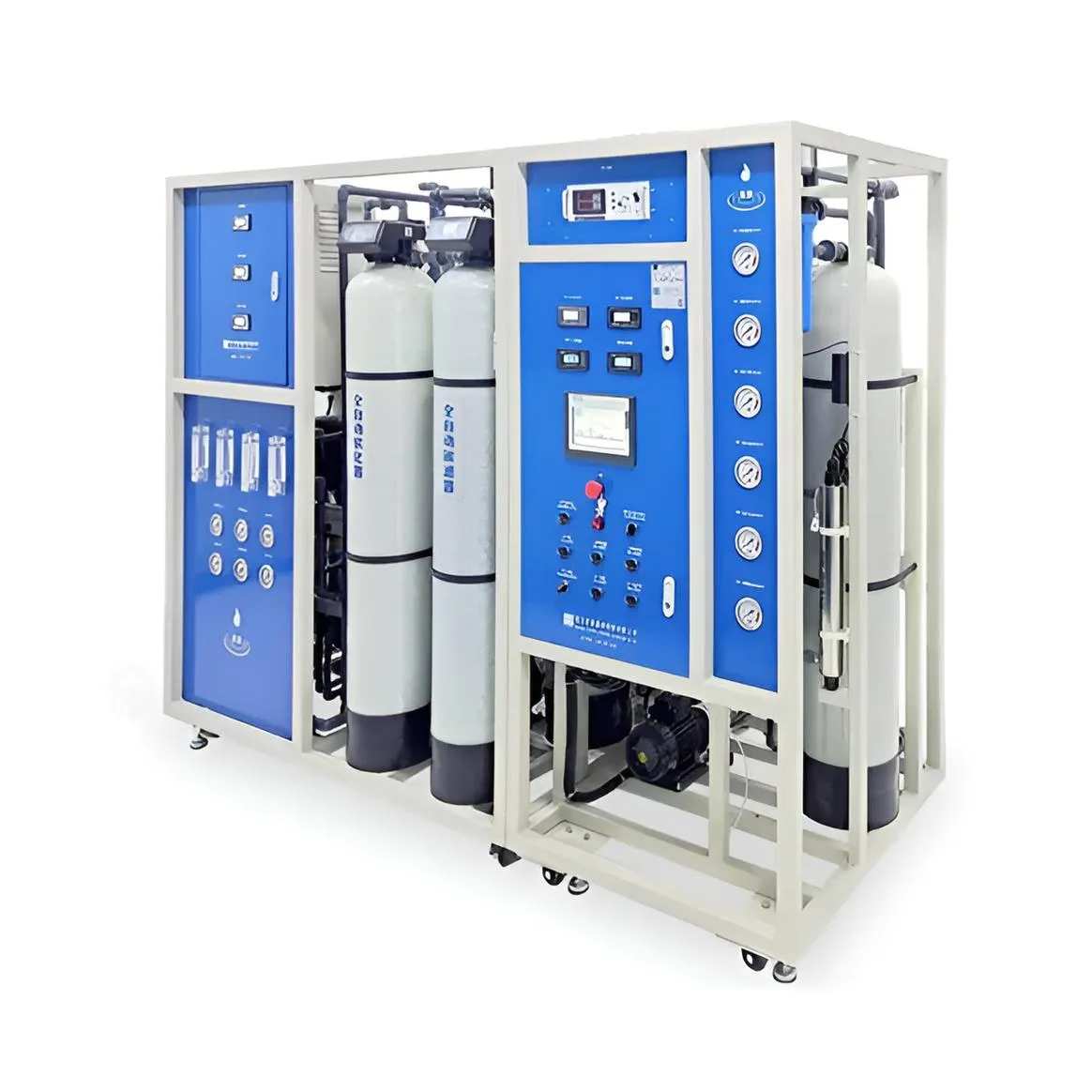
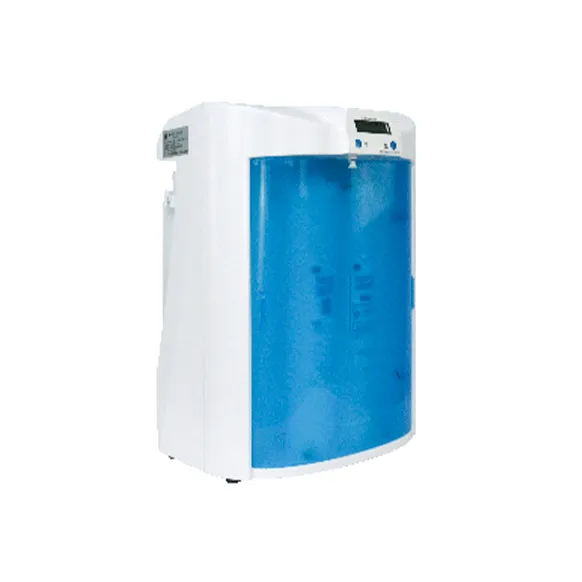
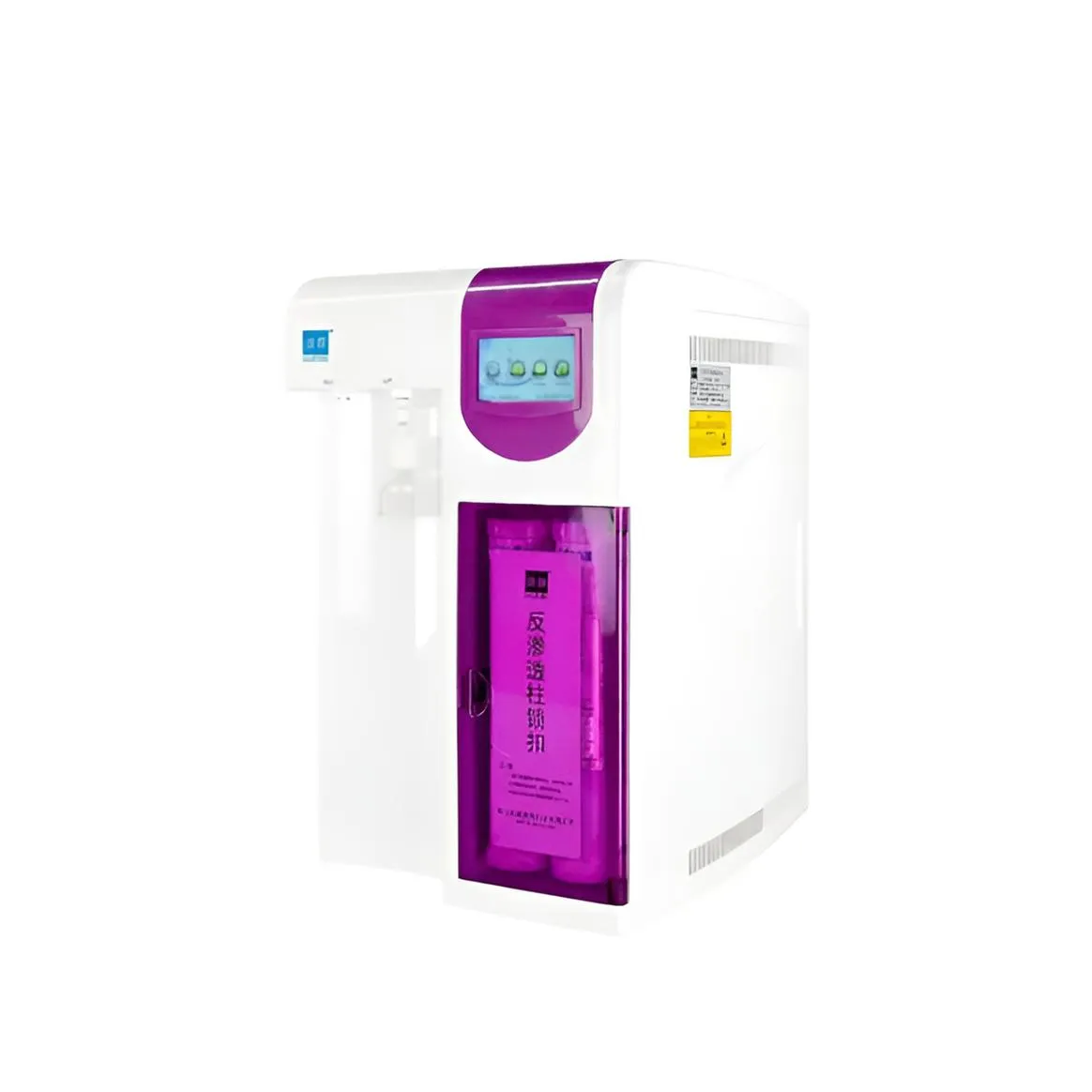
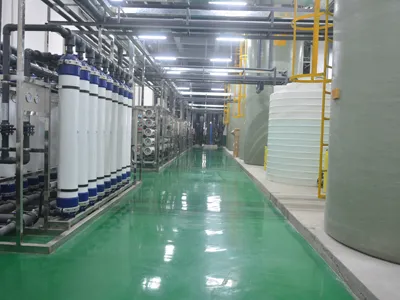
To ensure the quality of water used in culture media, a laboratory purification system is standard equipment. This includes multi-stage treatment devices such as reverse osmosis units, ion exchange resin columns, and ultrafiltration membranes. Through layer-by-layer filtration and purification, various impurities in the water are removed. Simultaneously, the purified water undergoes regular quality testing, including monitoring of resistivity, TOC, and microbial content. A strict water quality traceability system is established to ensure the safety and reliability of water used in culture media from the source. UPU laboratory pure water systems perfectly meet the needs of culture media water use and exceed national standards for such water.
In microbiological research and life science experiments, water used in culture media is like an invisible "gold standard," its quality directly affecting the success or failure of the experiment. Only by strictly controlling water quality and adhering to water standards can high-performance culture media be prepared.