


Phone:
0086 28 87573647
+86 19150187139

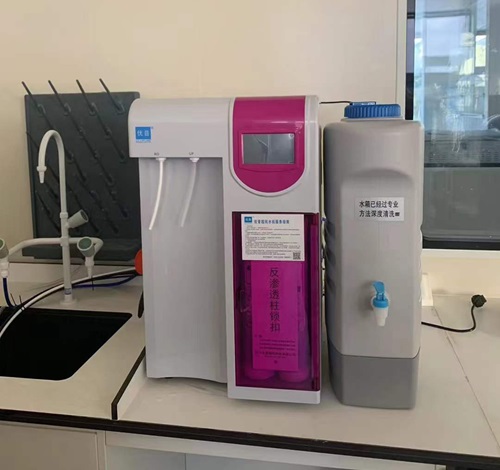
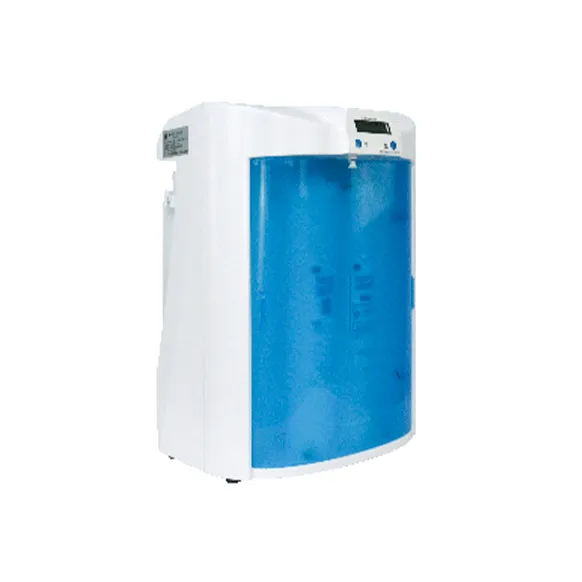
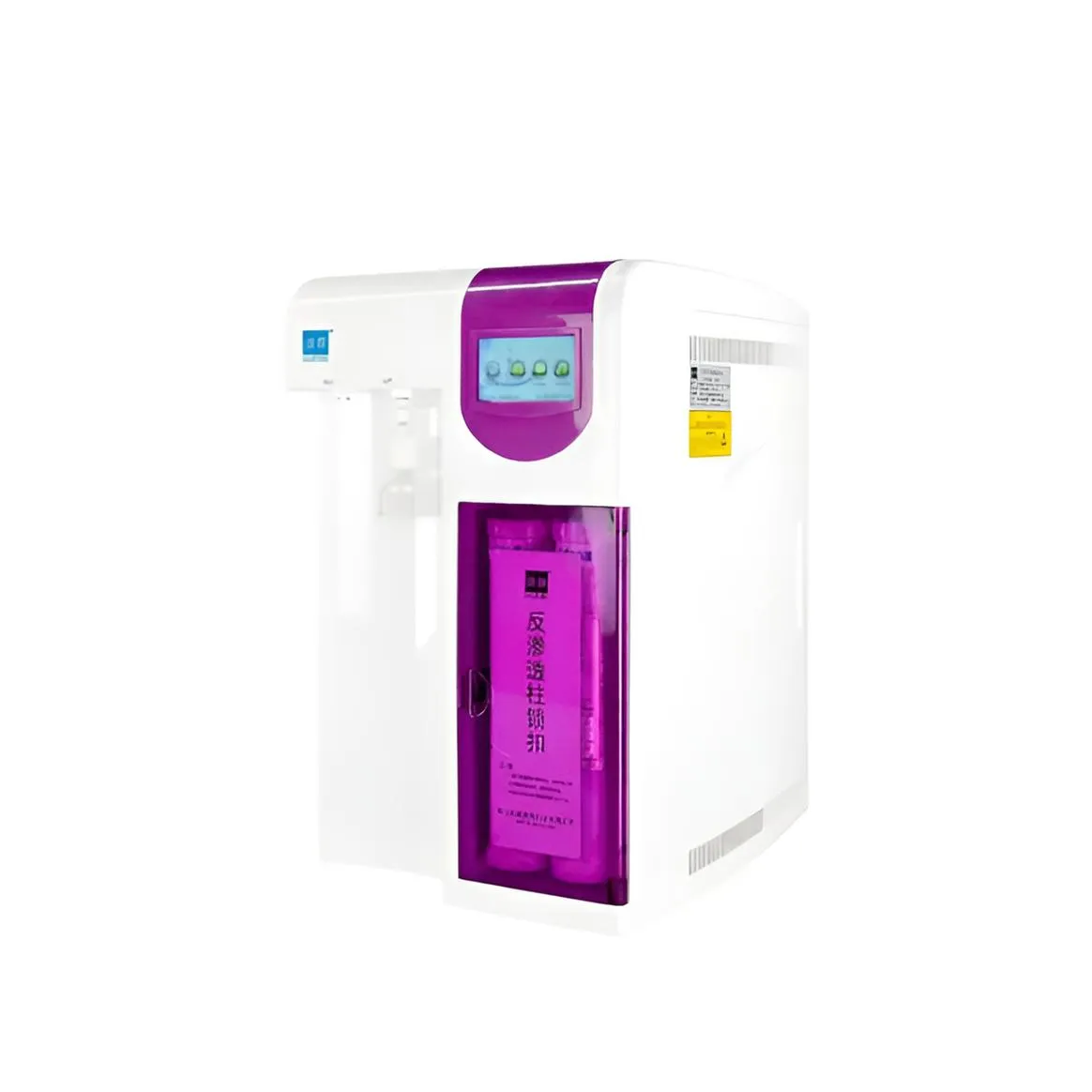
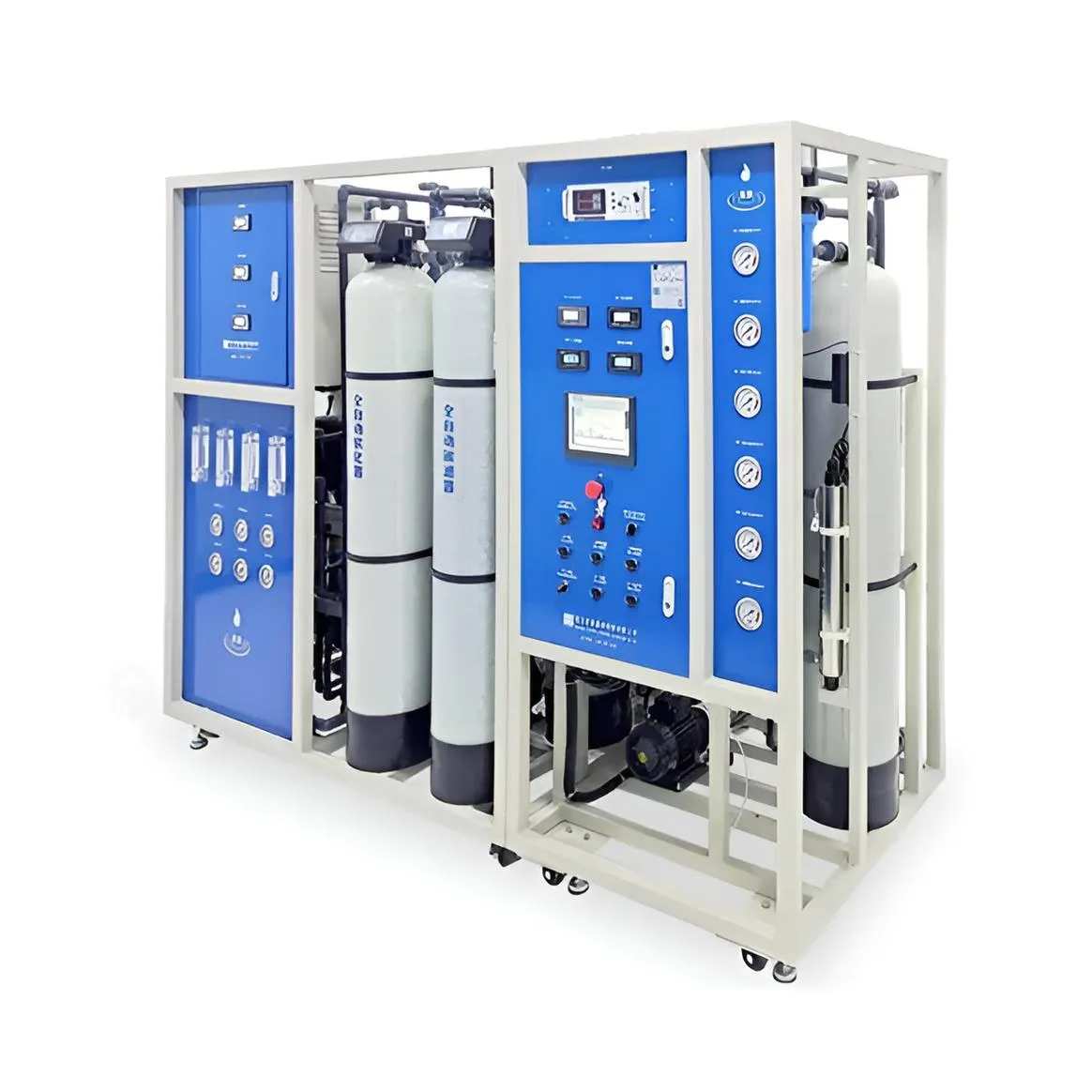
In laboratories, pure water systems are indispensable equipment, as the quality of the pure water they provide directly affects the accuracy and reliability of experimental results. Whether it's chemical analysis, biological experiments, or precision instrument testing, all require extremely high water quality, and calibration of laboratory pure water systems is a crucial means of ensuring that water quality meets standards.
The Necessity of Calibration
During long-term operation, the filter cartridges of laboratory pure water systems gradually wear out, and internal sensors may also malfunction, causing the produced pure water to deviate from standards in key indicators such as resistivity, microbial content, and particulate matter concentration. For example, a decrease in resistivity means an increase in ions in the water, which may interfere with the chemical reaction process; excessive microorganisms will affect the activity of samples in biological experiments. Therefore, regular calibration can promptly identify these potential problems, ensuring that the pure water system continuously and stably produces high-quality pure water that meets experimental requirements.
Preparation
Currently, there are two calibration methods: one is the calibration function built into the equipment, and the other is self-calibration. For self-calibration, a high-precision testing instrument must be prepared, and the instrument itself must be calibrated and in normal working condition. At the same time, detailed records of the pure water system's operating parameters, usage time, and other information should be kept to provide a reference for subsequent calibration. **Indicator Testing**
According to relevant standards, various indicators of the pure water are tested. When measuring resistivity, the probe is inserted into the pure water, and the data is read after the value stabilizes. Microbial content testing requires specific culture and counting methods. In addition, the operating parameters of the pure water machine, such as pressure and flow rate, must be checked to ensure they are within normal ranges.
Adjustment and Correction
If the tests find that the indicators do not meet the standards, the pure water machine needs to be adjusted. For example, if the resistivity does not meet the requirements, it may be necessary to replace the reverse osmosis membrane or ion exchange resin; if the microbial content exceeds the standard, the water tank and pipelines need to be disinfected. After adjustment, the tests are repeated until all indicators meet the standards.
Recording and Archiving
After calibration, all data during the calibration process should be recorded in detail, including the original test results, adjustment measures, and final compliant data, and these records should be archived. This information not only provides a reference for the next calibration but also serves as an important basis for equipment maintenance and quality traceability.
Common Problems and Solutions
During the calibration of a pure water machine in the laboratory, some common problems may be encountered. For example, unstable resistivity may be due to electrode contamination or poor connections, which can be resolved by cleaning the electrodes and checking the wiring connections. Abnormal microbial test results, in addition to disinfection, require checking whether the filter cartridge has expired for replacement. Furthermore, abnormal pressure and flow rates may indicate pipe blockage or pump malfunction, requiring timely troubleshooting and repair.
Laboratory water purifier calibration is a rigorous and crucial process that continues throughout the entire lifespan of the water purifier. Only through regular calibration can the laboratory water purifier be ensured to operate at its optimal condition, providing reliable water quality for various experiments and thus facilitating the smooth progress of scientific research.