






Phone:
0086 28 87573647
+86 19150187139

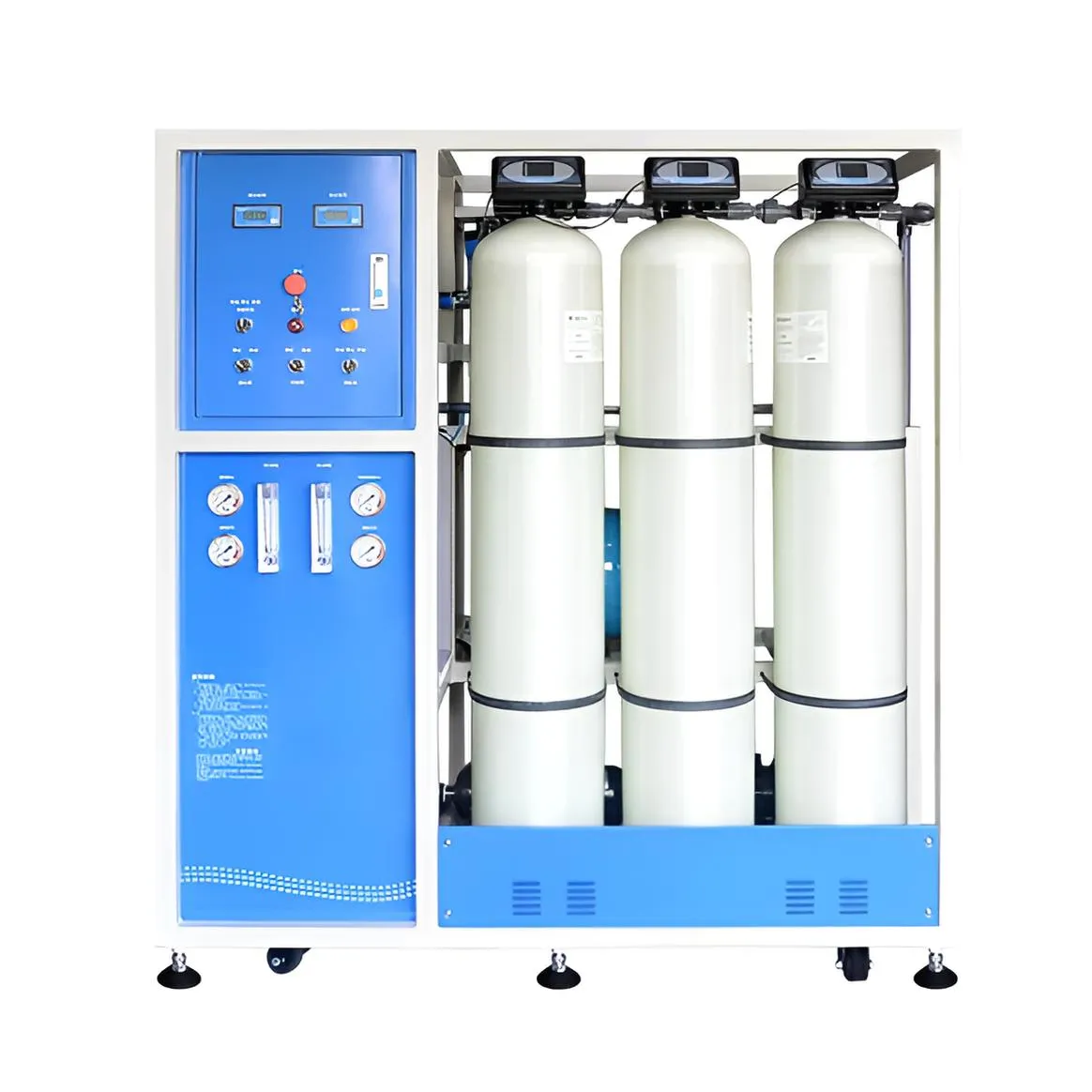
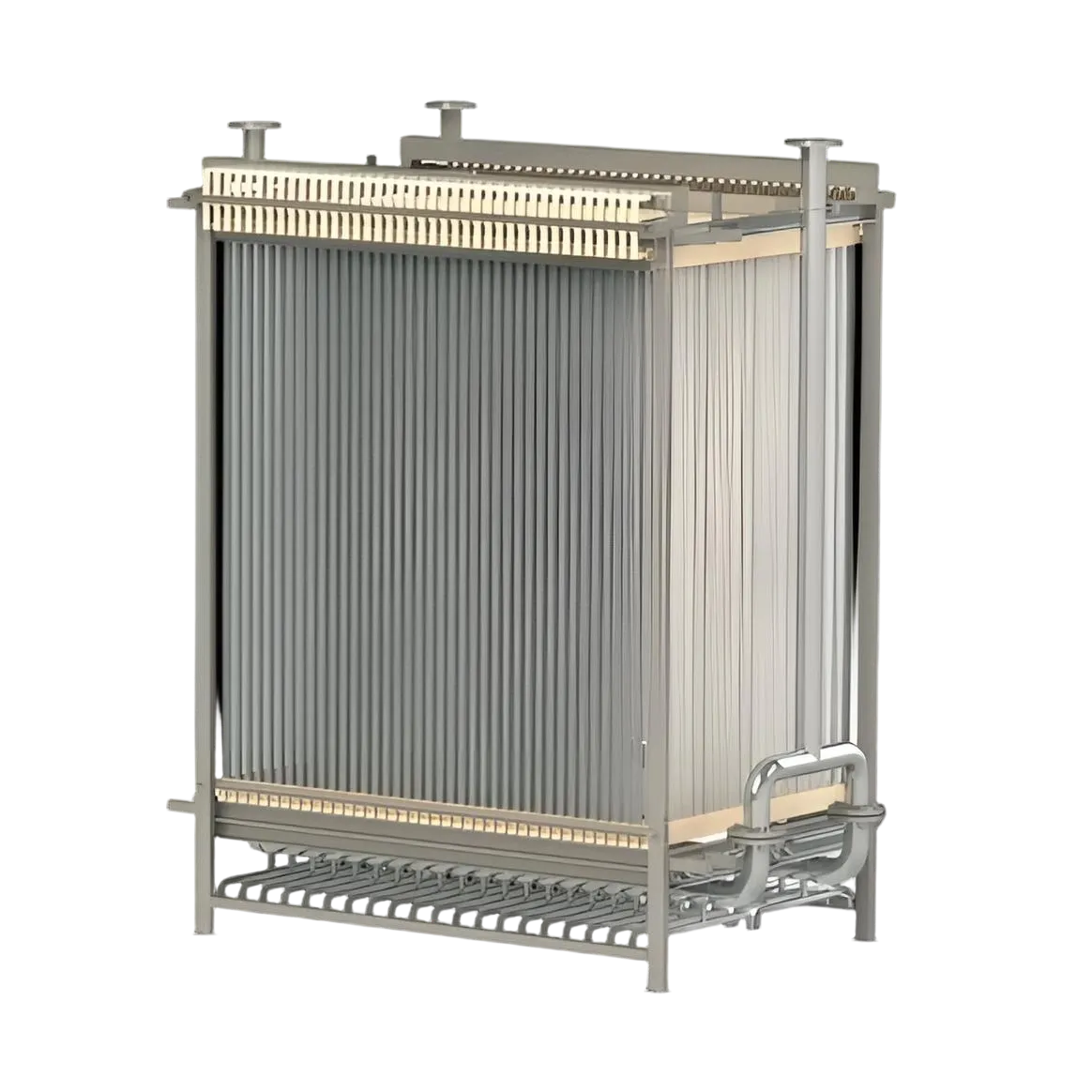
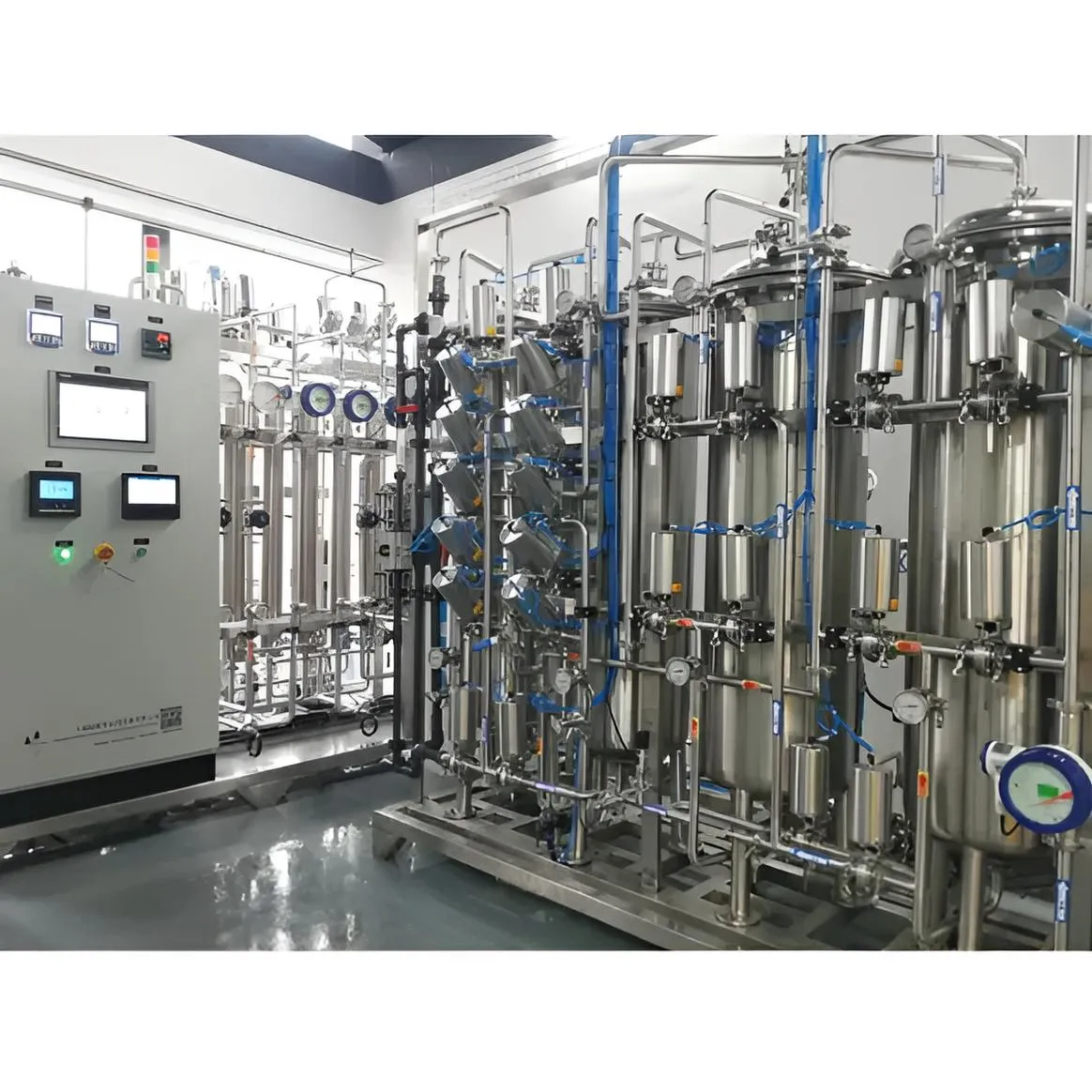
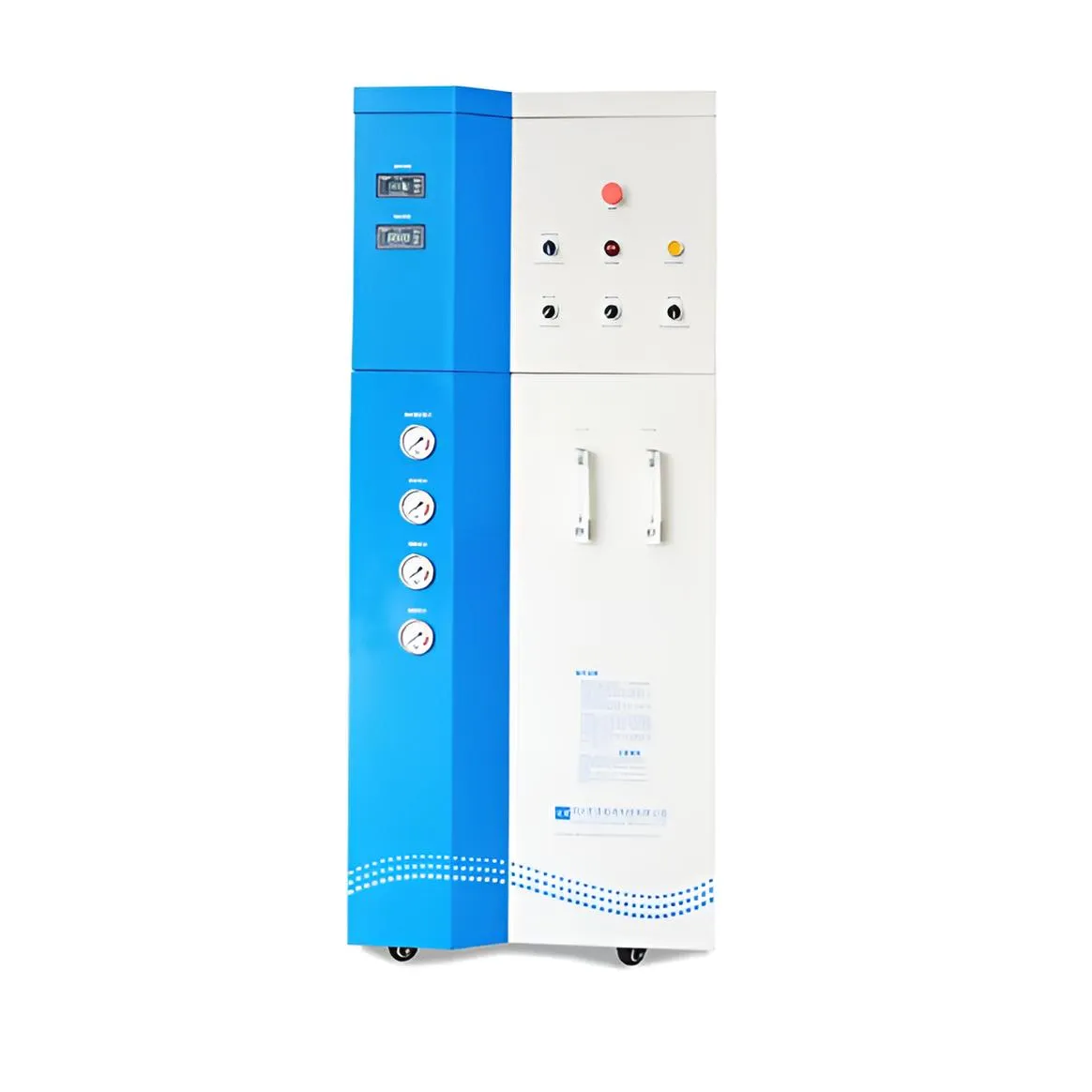
Besides nano-TiO2 and NF technologies, many other nanotechnologies can also be used in water treatment. For example, some wastewater contains precious metals such as gold, ruthenium, palladium, and platinum, which are extremely harmful to the human body. Their discharge not only pollutes the environment but also wastes resources. Nanotechnology can completely extract these precious metals from wastewater, turning a harmful substance into a valuable resource. A new type of nano-water purifier has strong adsorption and flocculation capabilities, 10 to 20 times that of AlCl3, and can completely adsorb and precipitate suspended solids in wastewater. Using nano-magnetic materials can effectively remove pollutants such as rust and silt, as well as odors, from water.
Nanotechnology is an emerging discipline, and its application in water treatment is still in its early stages, but its potential is already evident. It is foreseeable that with the continuous deepening of research and the improvement of practical application, nano-water treatment technology will develop in the 21st century and play a vital role in solving global water shortages and water pollution problems.





