

Phone:
0086 28 87573647
+86 19150187139
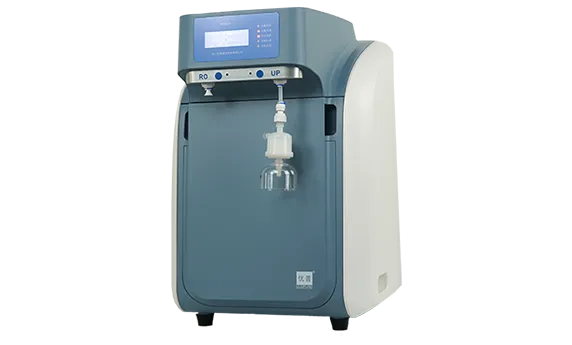
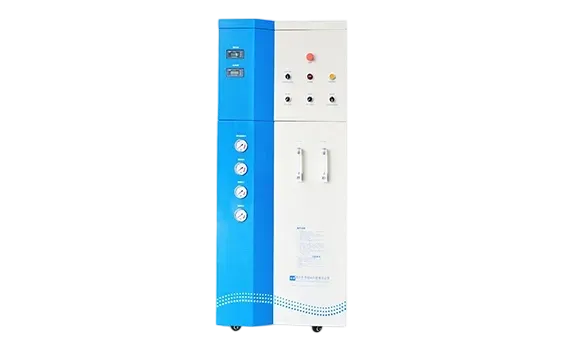
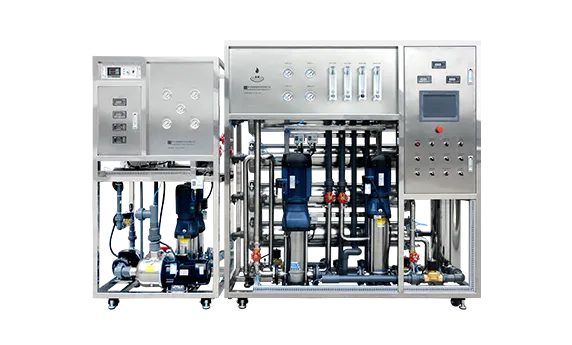
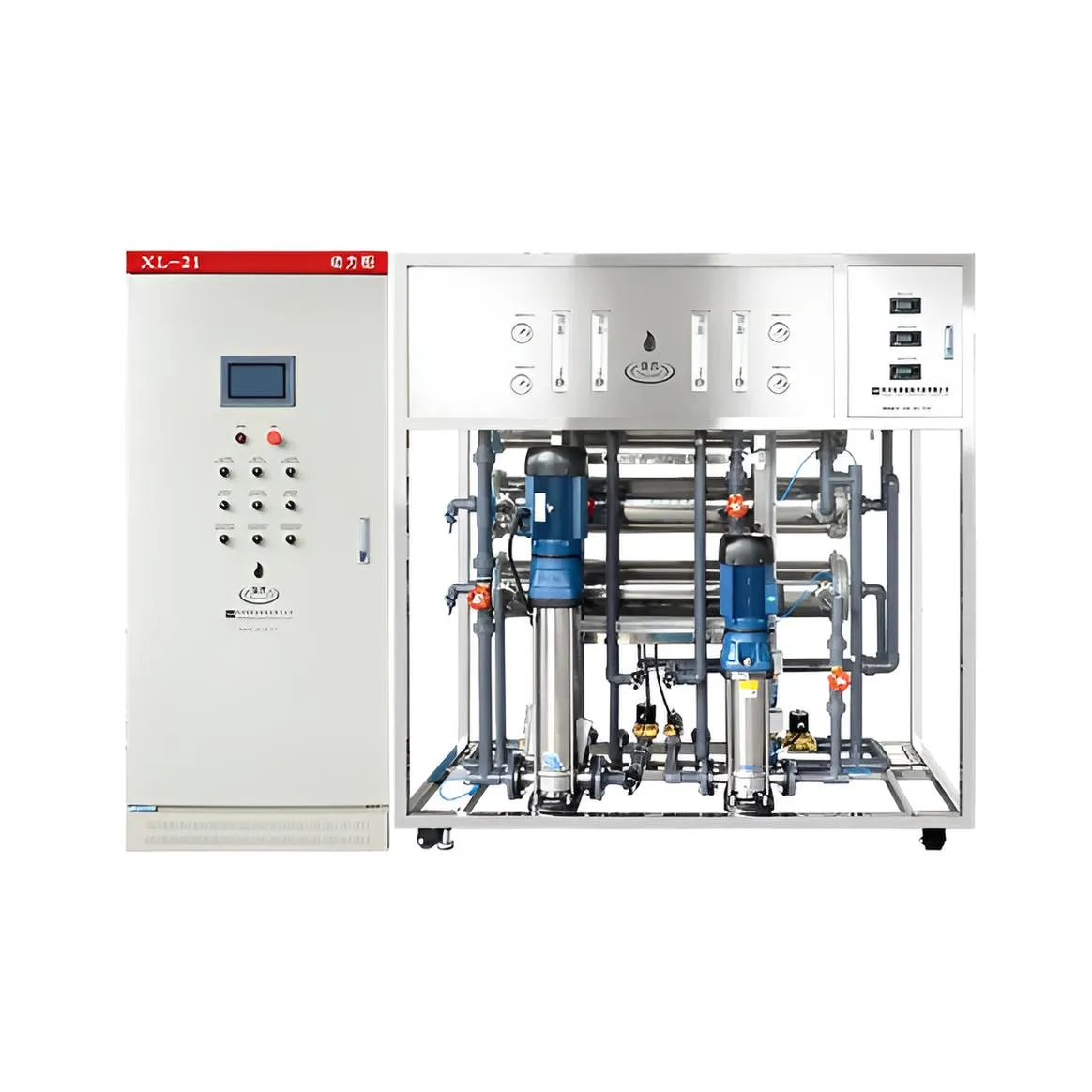
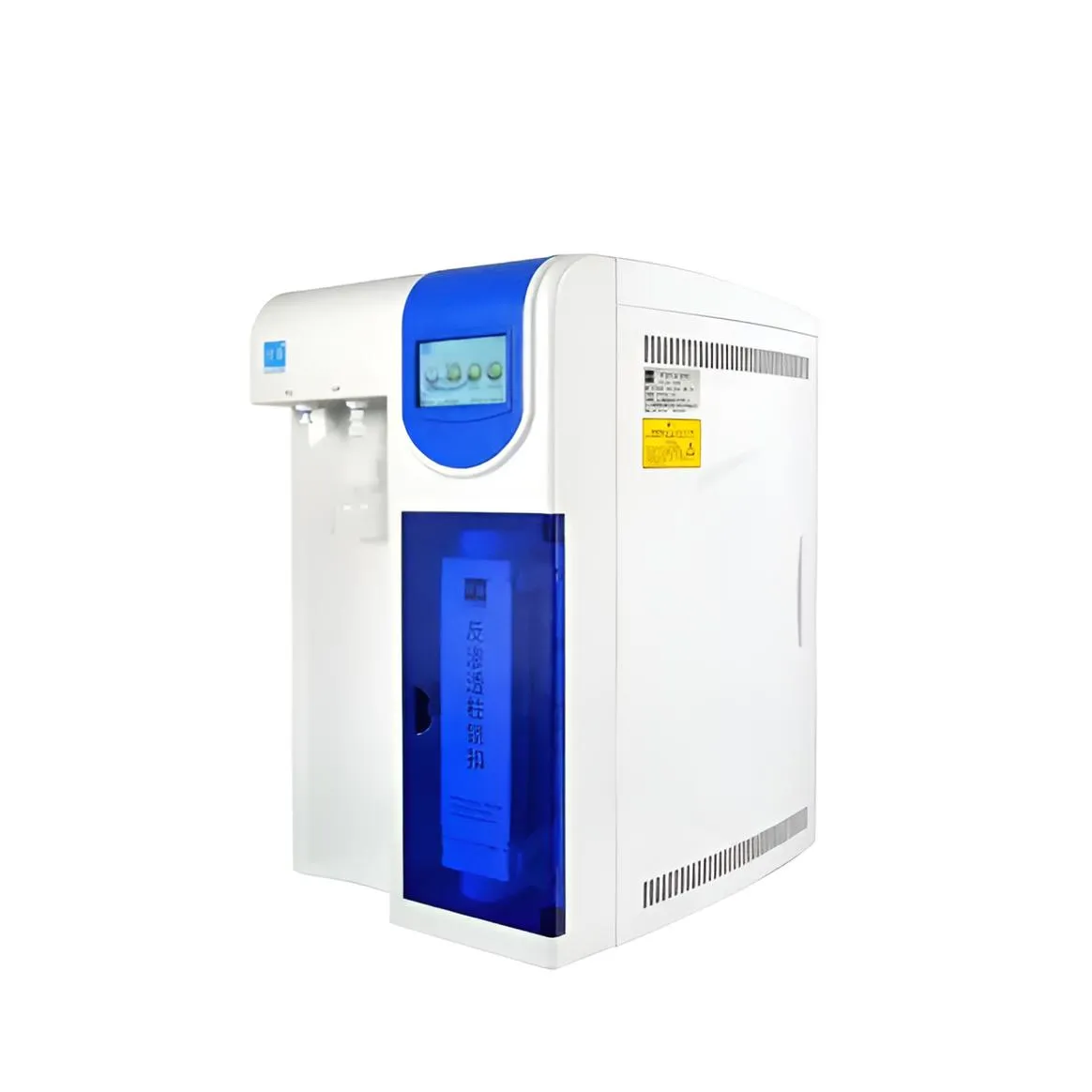
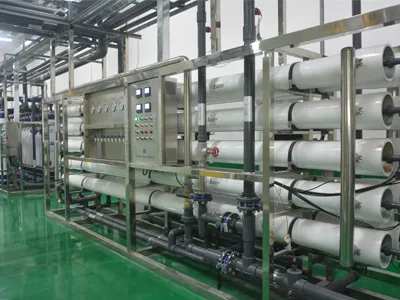
Reverse osmosis (RO) technology is a new technology that began to be applied worldwide in the late 1960s. Also known as reverse osmosis, RO mainly consists of a high-pressure pump and a reverse osmosis membrane. Under sufficiently high pressure, almost all minerals, organic matter, and various ions in the water, except for water molecules, are rejected by the membrane and flushed out by the high-pressure water flow. The water that permeates to the other side is safe, hygienic, and pure water. Its principle is similar to the semi-permeable membrane in the human body, allowing useful substances to pass through and be utilized, while useless substances are discharged. Because it is in the opposite direction to natural osmosis, it is called reverse osmosis. It has become an important technical equipment in modern pure water and ultrapure water preparation, seawater desalination, brackish water desalination, and other industrial separation projects.
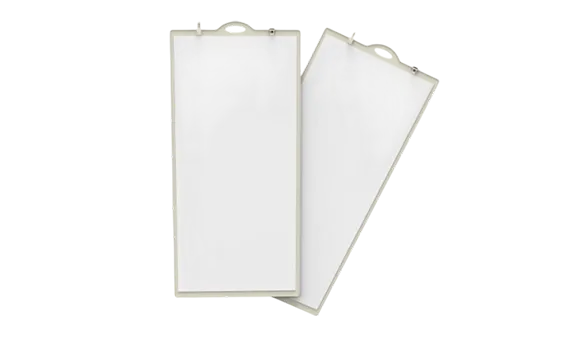
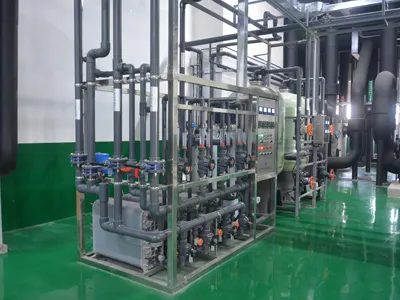
Electrodialysis technology, established in the 1950s, has rapidly risen in engineering applications, playing an increasingly important role in seawater desalination, brackish water desalination, seawater concentration and salt production, wastewater treatment, and in industries such as food, pharmaceuticals, electronics, and power. Numerous excellent application examples have demonstrated its technological advancement and several superior characteristics that cannot be replaced by other separation methods. The numerous and fascinating applications of electrodialysis currently under development or to be developed are truly remarkable. my country began research and development of electrodialysis engineering in 1958, making it one of the earliest countries in the world to do so.
It has at least the following four applications:
1. Separating some ions from electrolyte solutions, thus reducing the concentration of the electrolyte solution. Examples include seawater desalination, brackish water desalination, production of industrial or drinking water, and treatment of radioactive wastewater.
2. Transferring some electrolytes and ions from one solution to another, increasing their concentration. Examples include seawater concentration, chemical product refining, and recovery of useful components from industrial waste.
3. Removing electrolyte ions from organic solutions. Currently, it is mainly used in the food and pharmaceutical industries. Its application in whey desalination, sugar desalination, and amino acid refining has been very successful.
4. Separating ions of the same charge but different polarities from electrolyte solutions, and separating ions of the same charge. Ion exchange membranes that allow only monovalent ions to pass through for seawater concentration and salt production are examples of the former's industrial application.
It has the following five characteristics:
1. Low energy consumption and significant economic benefits. Practice has proven that desalinating brackish water with a concentration of 2000-5000 mg/L to 5000 mg/L drinking water is the most economical method.
2. Flexible system application and convenient operation and maintenance. Different system designs can be flexibly adopted according to different requirements. Parallel connection increases water production, series connection improves desalination rate, and circulation or partial circulation shortens the process flow. During operation, controlling the main parameters of voltage, current, concentration, flow rate, pressure, and temperature ensures stable operation.
3. No environmental pollution.
4. Long service life. The membrane can generally be used for 3-5 years, the electrodes for 7-8 years, and the separator for about 15 years.
5. High raw water recovery rate. The recovery rate of seawater and high-concentration brackish water can reach over 60%. The recovery rate of general brackish water can reach 65%-80%.