


Phone:
0086 28 87573647
+86 19150187139
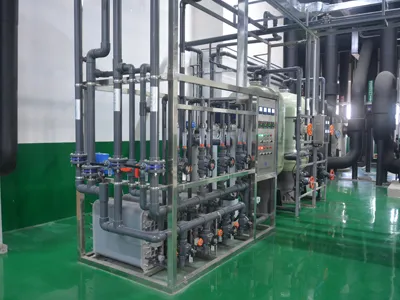
With summer vacation approaching, school laboratories will be idle for an extended period. Proper operation and maintenance of the ultrapure water system are crucial to extend its lifespan and ensure normal operation after the start of the new semester.
1. Consumables Inspection and Replacement: Thoroughly inspect all consumables of the ultrapure water system, including filters and reverse osmosis membranes. Replace consumables nearing or reaching the end of their lifespan to prevent them from failing and affecting equipment performance, and to avoid bacterial growth that could contaminate the water system.
2. Water Tank Cleaning: Drain the water from the ultrapure water system's tank and thoroughly clean the inside. Rinse thoroughly with plenty of clean water to prevent residual water from breeding microorganisms at high temperatures and contaminating the purified water produced later.
1. Turn Off Water and Power: Close the inlet valve of the ultrapure water system to cut off the external water supply; simultaneously turn off the power switch and unplug the power cord to prevent accidents caused by electrical problems during unattended operation.
2. Drain Pipelines: Open all outlets of the ultrapure water system to drain any remaining water from the pipelines, preventing pipe rupture due to freezing and expansion caused by temperature changes. For systems with circulation pipelines, operate according to the equipment manual to completely drain the water from the circulation pipelines.
1. Regular Inspection: After the start of the semester, conduct a comprehensive inspection of the ultrapure water system for any external damage or signs of leakage, ensuring the equipment is in a safe condition.
2. Environmental Control: Keep the laboratory environment dry and well-ventilated to prevent moisture from causing short circuits or component corrosion.
1. Reconnection and Flushing: Before the start of the semester, reconnect the water and power sources and open the inlet valve. Turn on the ultrapure water system and allow it to run for a period of time to flush the entire water system, removing impurities and microorganisms accumulated during prolonged inactivity.
2. Water Quality Testing: Test the produced ultrapure water to ensure it meets experimental requirements. If the water quality does not meet the standards, further maintenance and adjustments to the equipment are necessary, and consumables may need to be replaced again.