



Phone:
0086 28 87573647
+86 19150187139

In laboratory research and testing, pure water systems are crucial for ensuring the accuracy and reliability of experimental results. To ensure stable water quality, the following aspects should be considered:
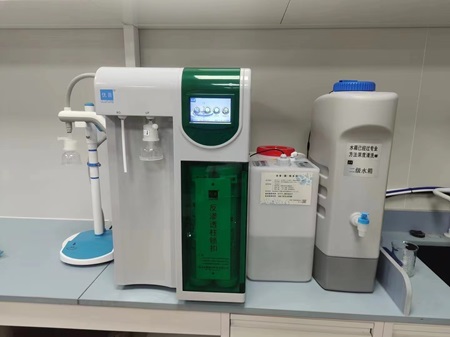
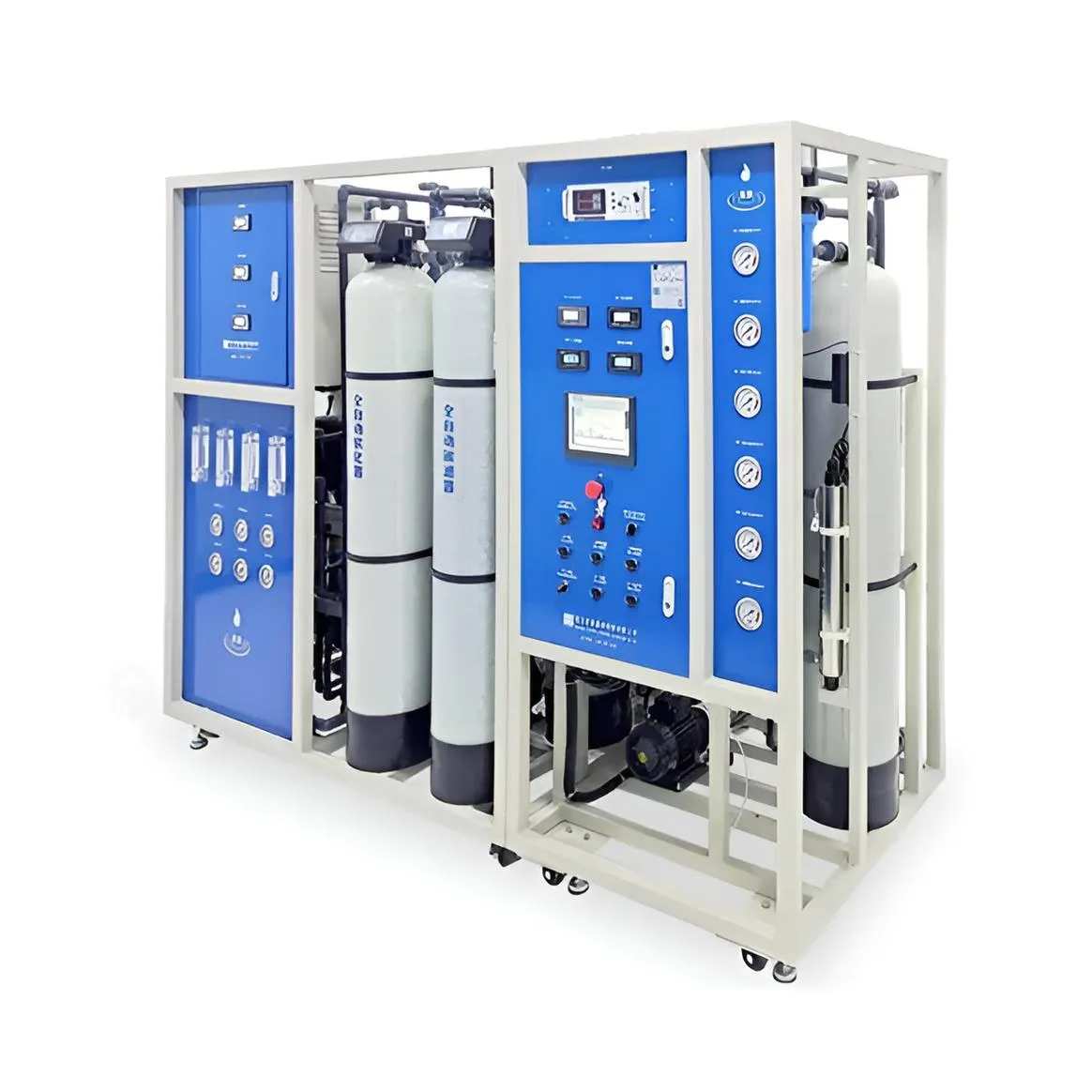
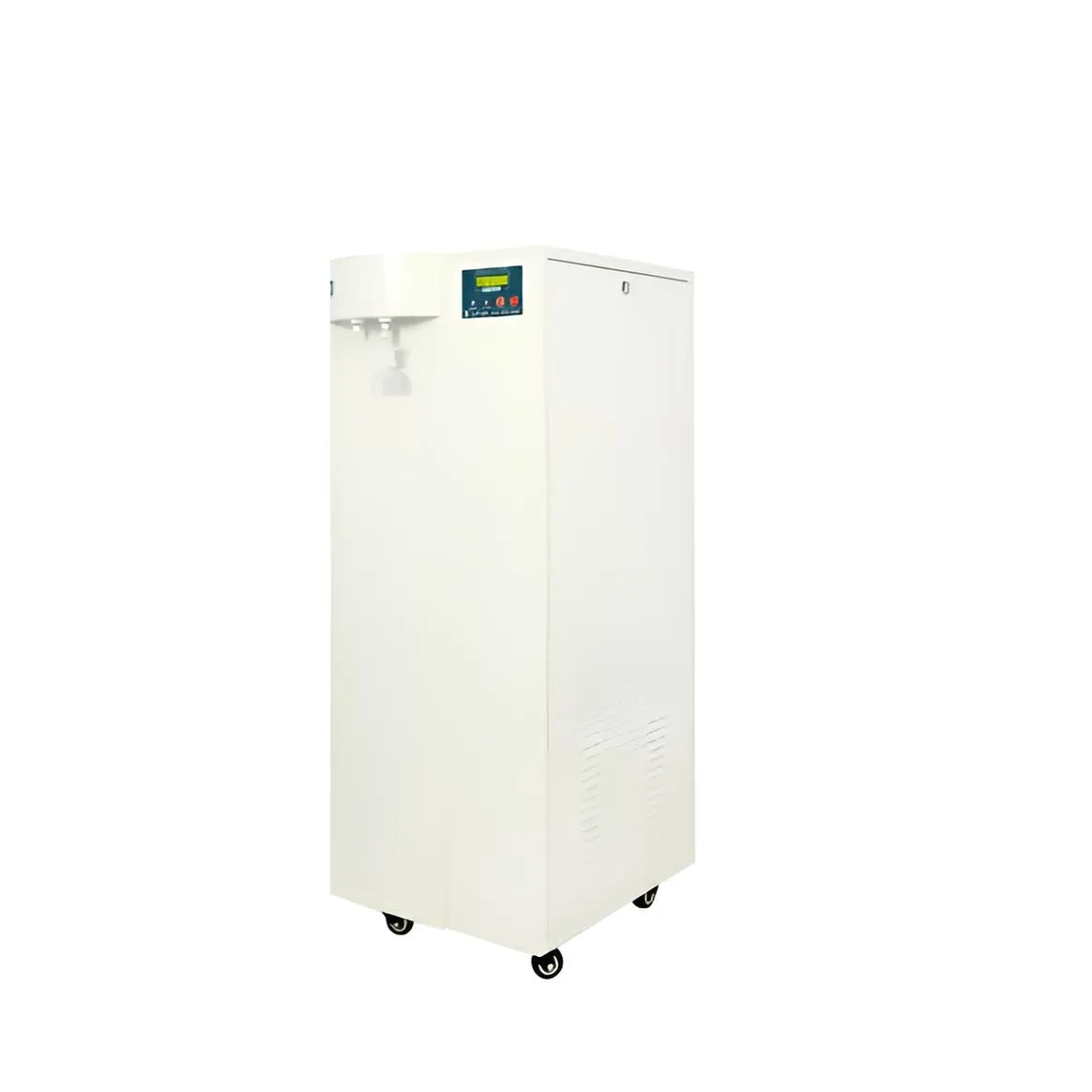
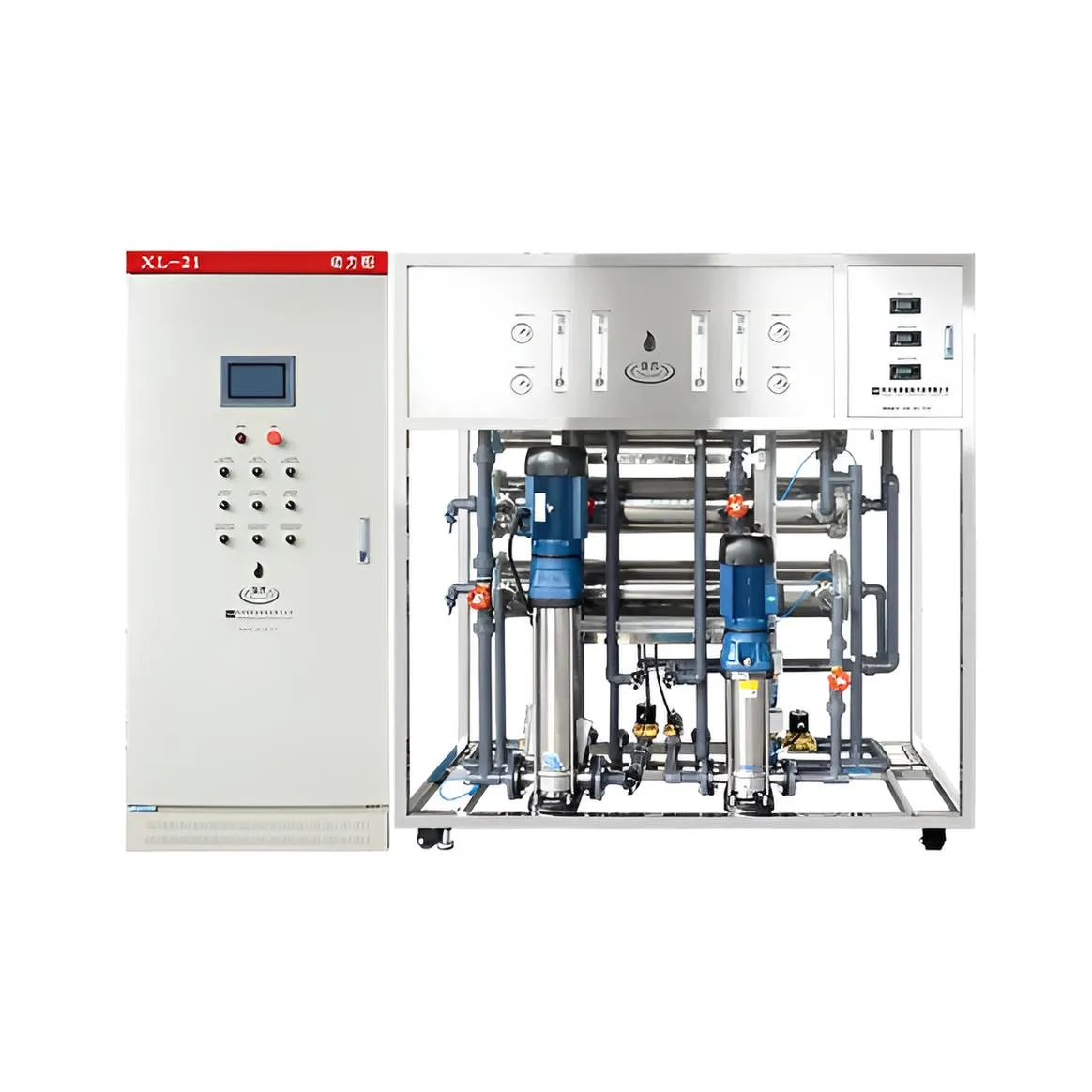
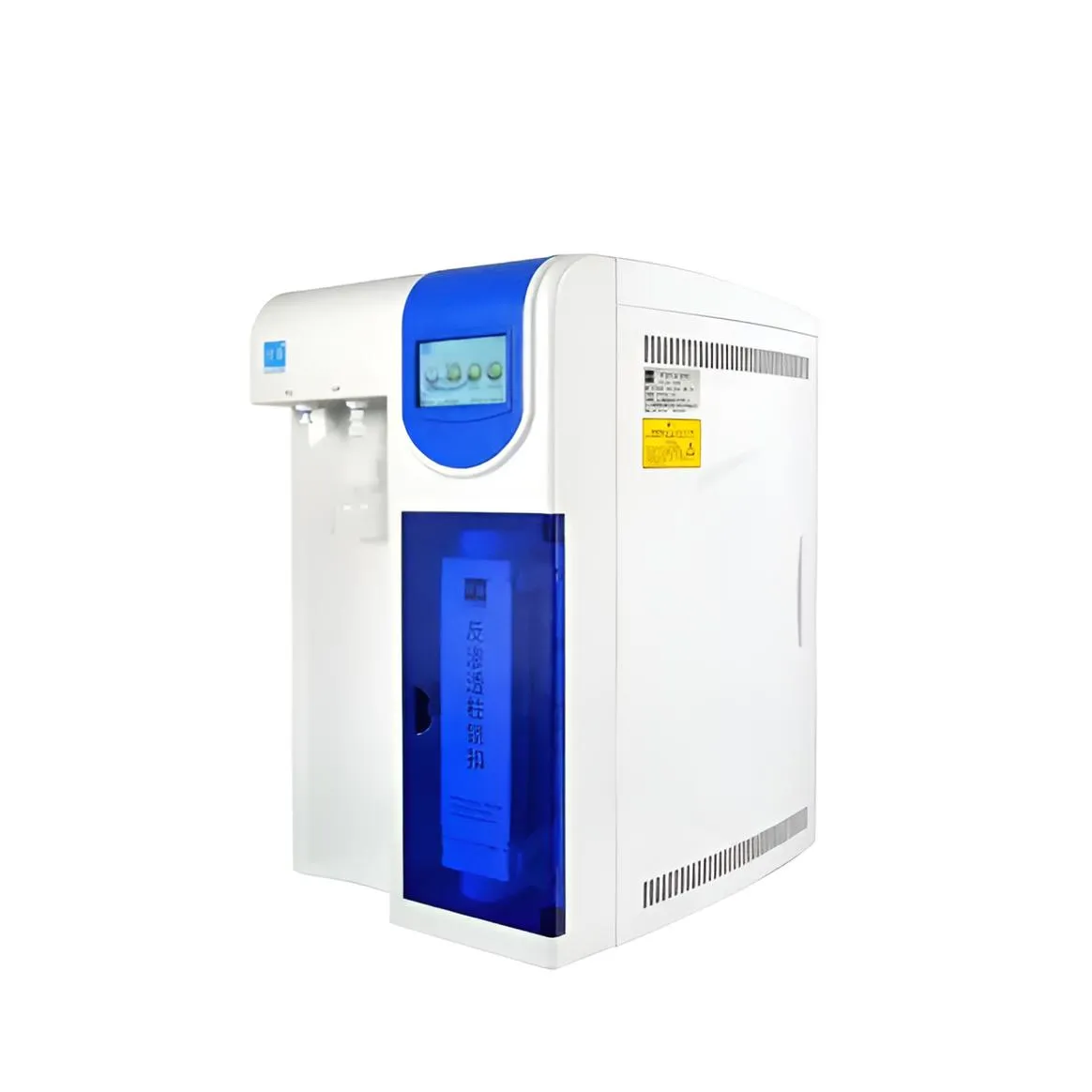
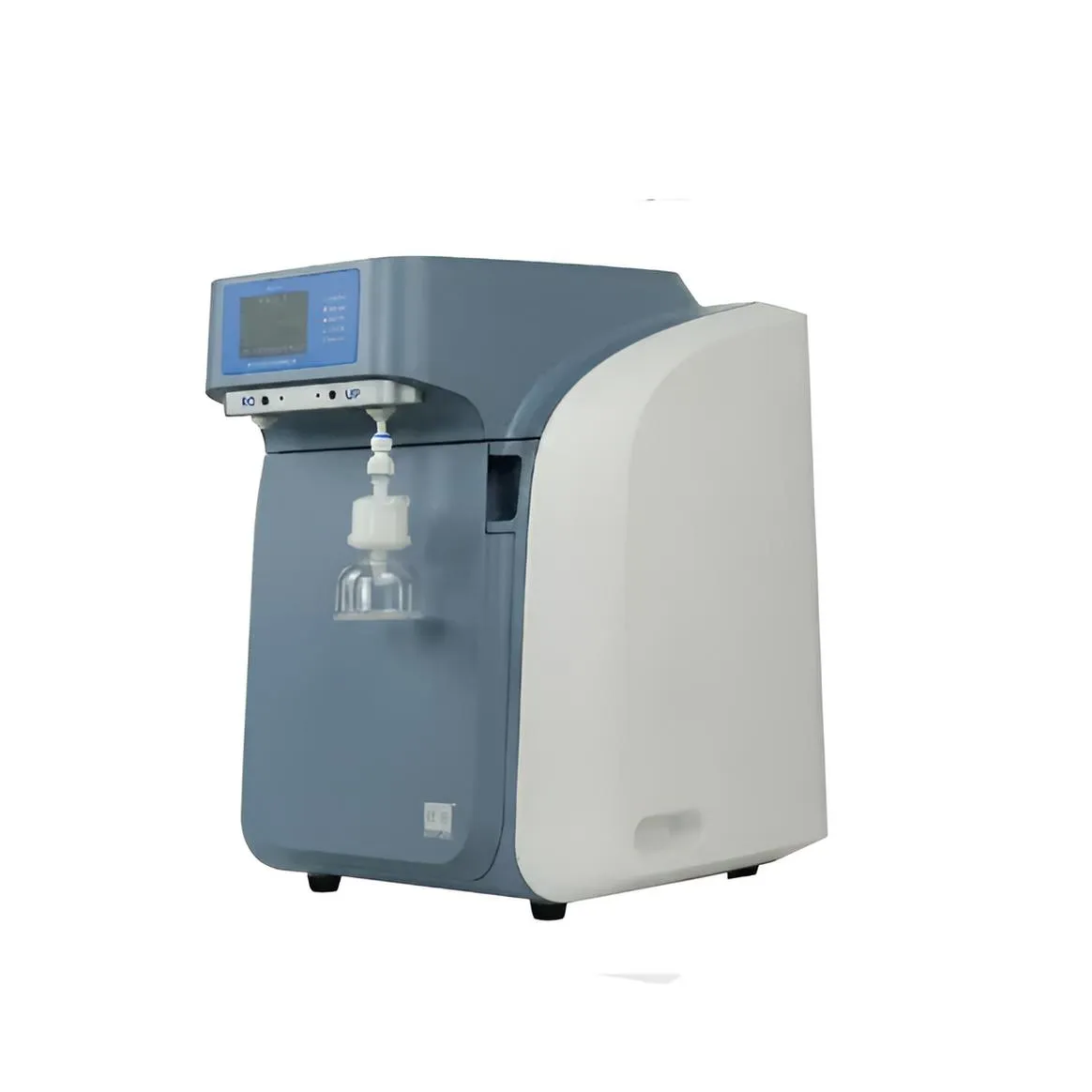
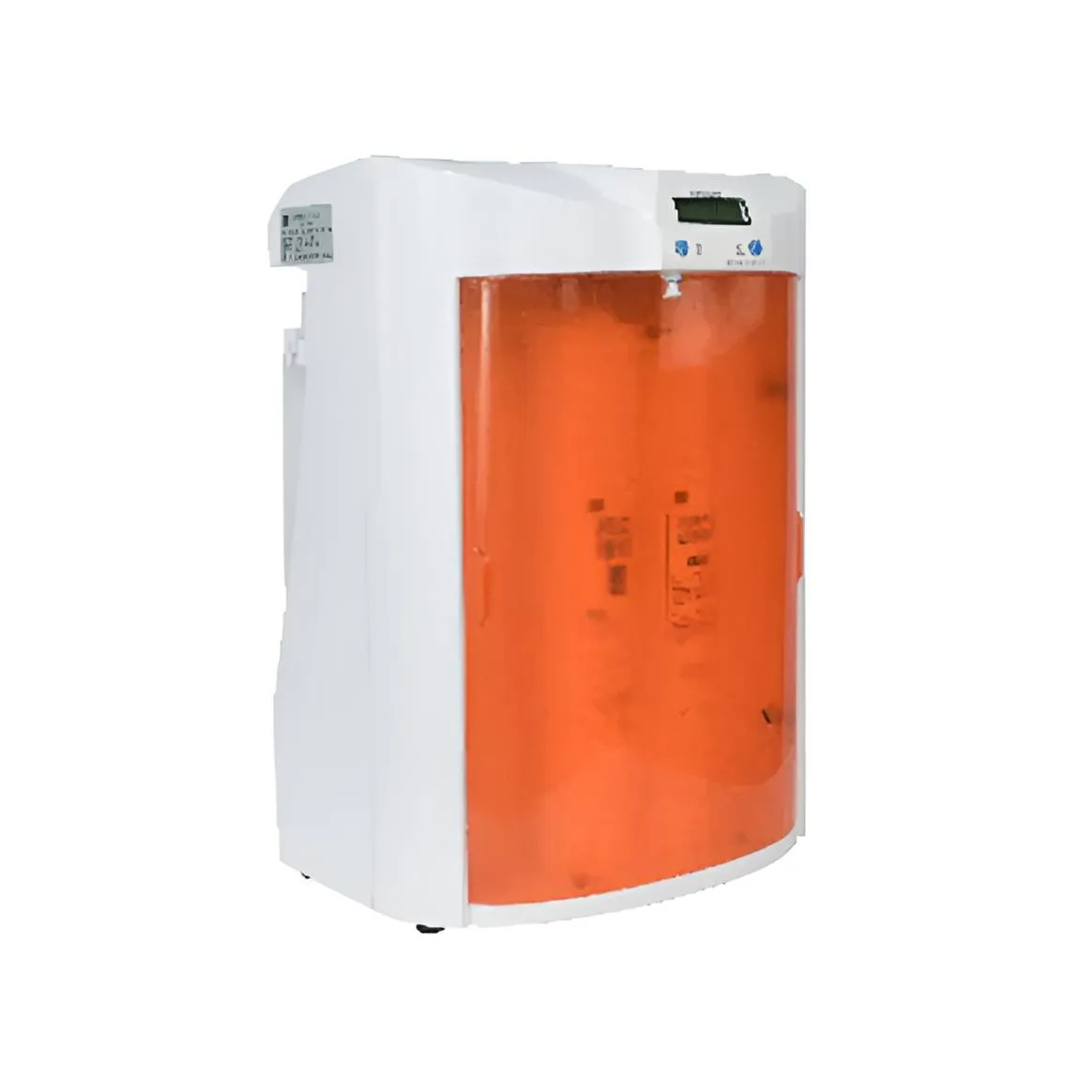
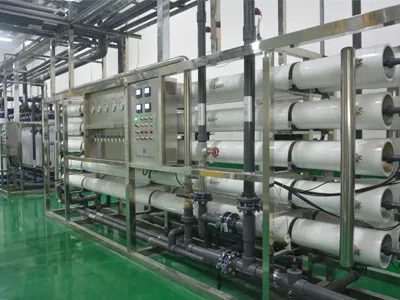
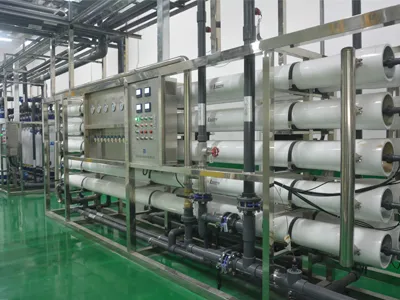
Laboratory pure water systems come in various types, such as reverse osmosis systems and ultrapure water systems. Different models are suitable for different experimental needs. High-efficiency ion exchange pure water systems should be selected for chemical analysis experiments; ultrapure water systems are suitable for biological experiments to remove microorganisms and endotoxins. When selecting equipment, parameters such as water production capacity, water quality standards, and filter configuration should be considered, prioritizing products with a good reputation and comprehensive after-sales service.
1. Filter Replacement: The filter cartridge is the core component of the pure water system and directly determines water quality. Pre-filtration cartridges should be replaced every 3-6 months, reverse osmosis membranes every 1-2 years, and the replacement cycle for ion exchange resin depends on usage. If filter cartridges are not replaced on their expiration date, the filtration effect will decrease, and the content of impurities and microorganisms in the water will increase.
2. Equipment Cleaning: After long-term operation, microorganisms and dirt can easily grow in the internal pipes and water tank of the water purifier. The water tank should be cleaned at least once a month and disinfected by soaking in a special disinfectant; the piping system should be flushed quarterly to prevent impurities from remaining.
3. Consumable Inspection: In addition to filter cartridges, consumables such as sealing rings and connectors should also be inspected regularly. Aging or damaged sealing rings are prone to leakage, and loose connectors can introduce air, bringing in microorganisms and impurities.
1. Correct Start-up and Shutdown: Before starting, check the water pressure and equipment component connections. Follow the steps in the manual to turn on the water and power in sequence, and wait for the self-check to complete before producing water. When shutting down, stop water production first, then turn off the power and water supply to prevent sudden pressure changes from damaging the equipment.
2. Rational Water Use: Avoid taking large amounts of water in a short period of time to prevent exceeding the equipment's water production capacity and causing water quality degradation. When not in use, pure water should be sealed and stored promptly to avoid prolonged exposure to air and contamination.
3. Record Keeping and Monitoring: Establish usage record files, documenting operating time, water production, filter replacement, maintenance, etc. Regularly monitor water quality indicators using professional equipment, and address any abnormalities promptly.
IV. Environmental Factors Cannot Be Ignored
The laboratory environment affects the water quality of the reverse osmosis system. Excessively high or low temperatures can affect the performance of the reverse osmosis membrane, and high humidity promotes microbial growth. The reverse osmosis system should be placed in a dry, well-ventilated environment between 5-40℃, avoiding direct sunlight and proximity to heat and water sources.
In conclusion, ensuring stable water quality from a laboratory reverse osmosis system requires comprehensive consideration of equipment selection, daily maintenance, standardized operation, and environmental control. This will ensure the continuous production of high-quality pure water, supporting laboratory research.