

Phone:
0086 28 87573647
+86 19150187139
In experiments, you often hear about Grade I, Grade II, and Grade III water, but do you know which type of water to use in your experiment?
| Parameters | Grade 1 | Grade 2 | Grade 3 |
| pH range (25℃) | --- | --- | 5.0~7.5 |
| Conductivity (25℃)/(mS/m) | ≤0.01 | ≤0.10 | ≤0.50 |
| Oxygenables/(mg/L) | --- | ≤0.08 | ≤0.4 |
| Absorbance (254nm, 1cm range) | ≤0.001 | ≤0.01 | --- |
| Evaporation residue (110℃)/(mg/L) | --- | ≤1.0 | ≤2.0 |
| Soluble silicon (SiO2)/(mg/L) | ≤0.01 | ≤0.02 | --- |
Grade I water has the highest purity, containing almost no ions, organic matter, or microorganisms; Grade III water has the lowest purity, meeting only basic experimental needs.
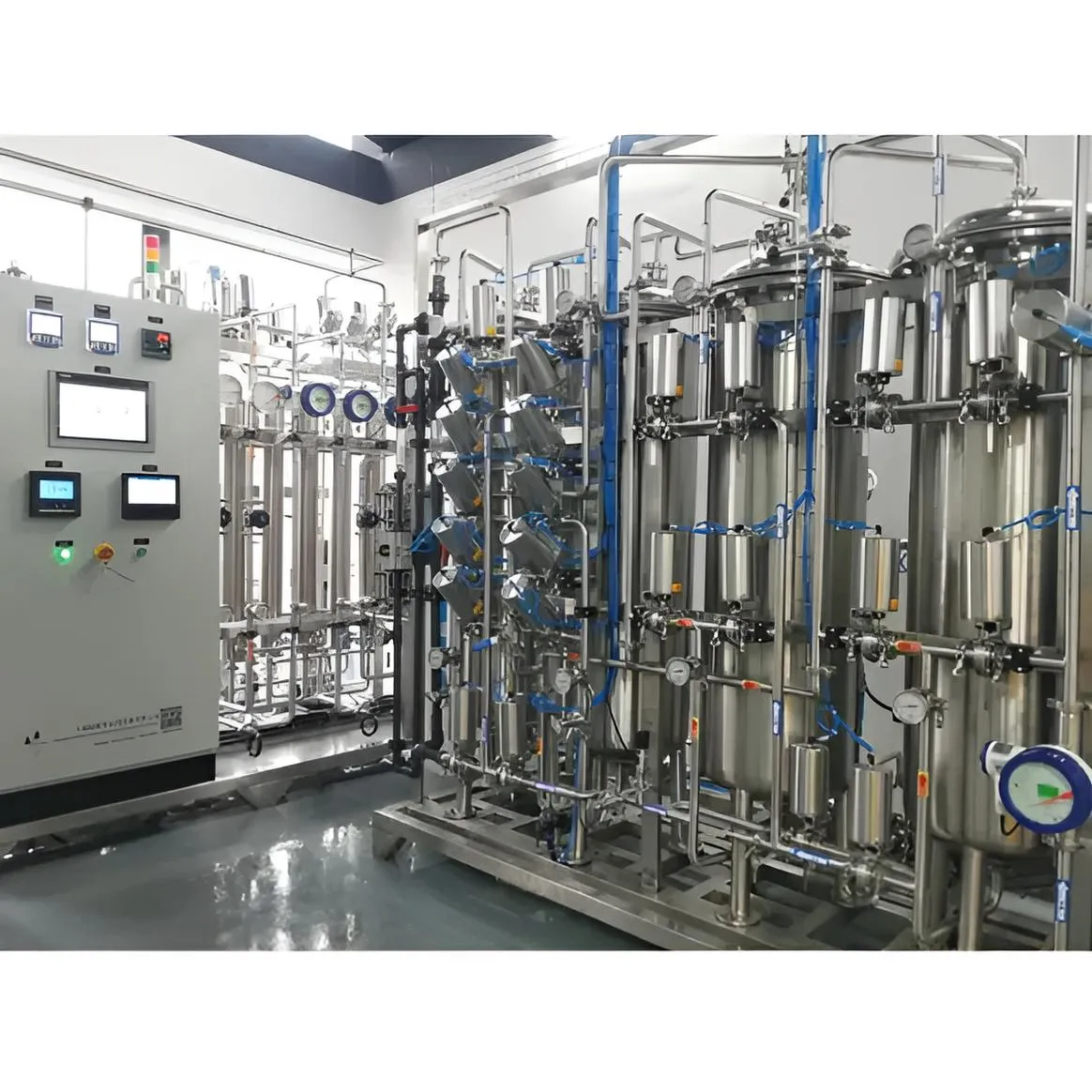
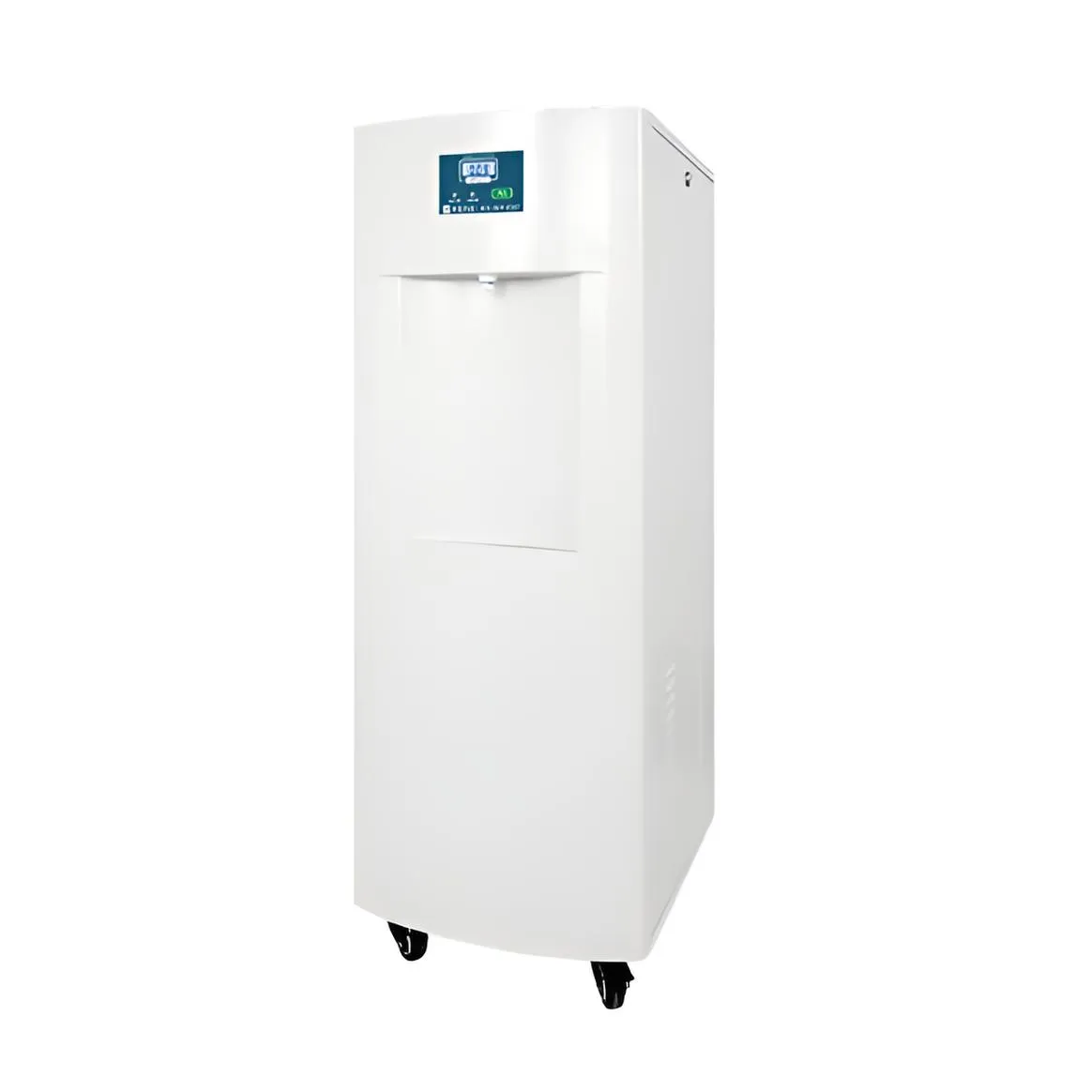
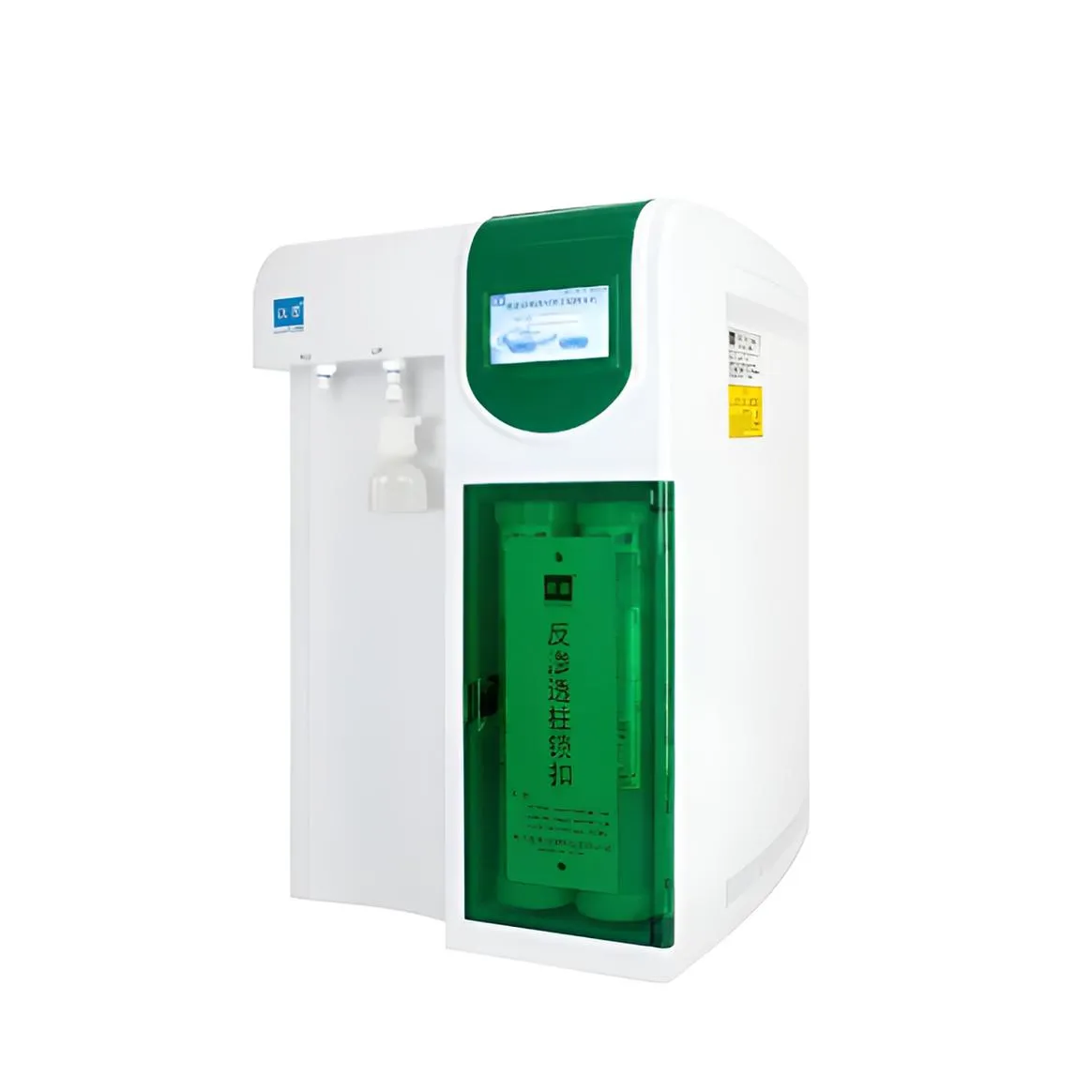
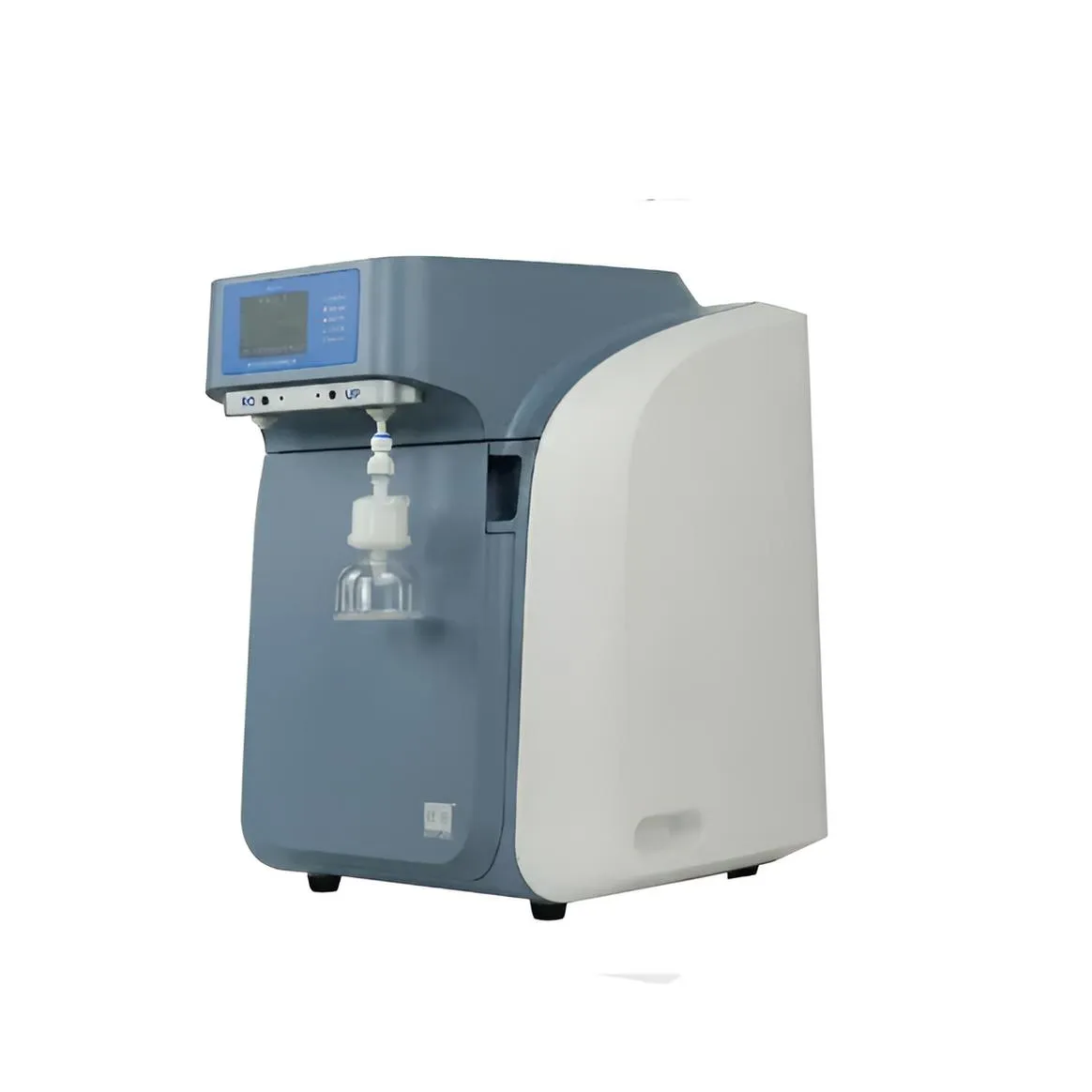
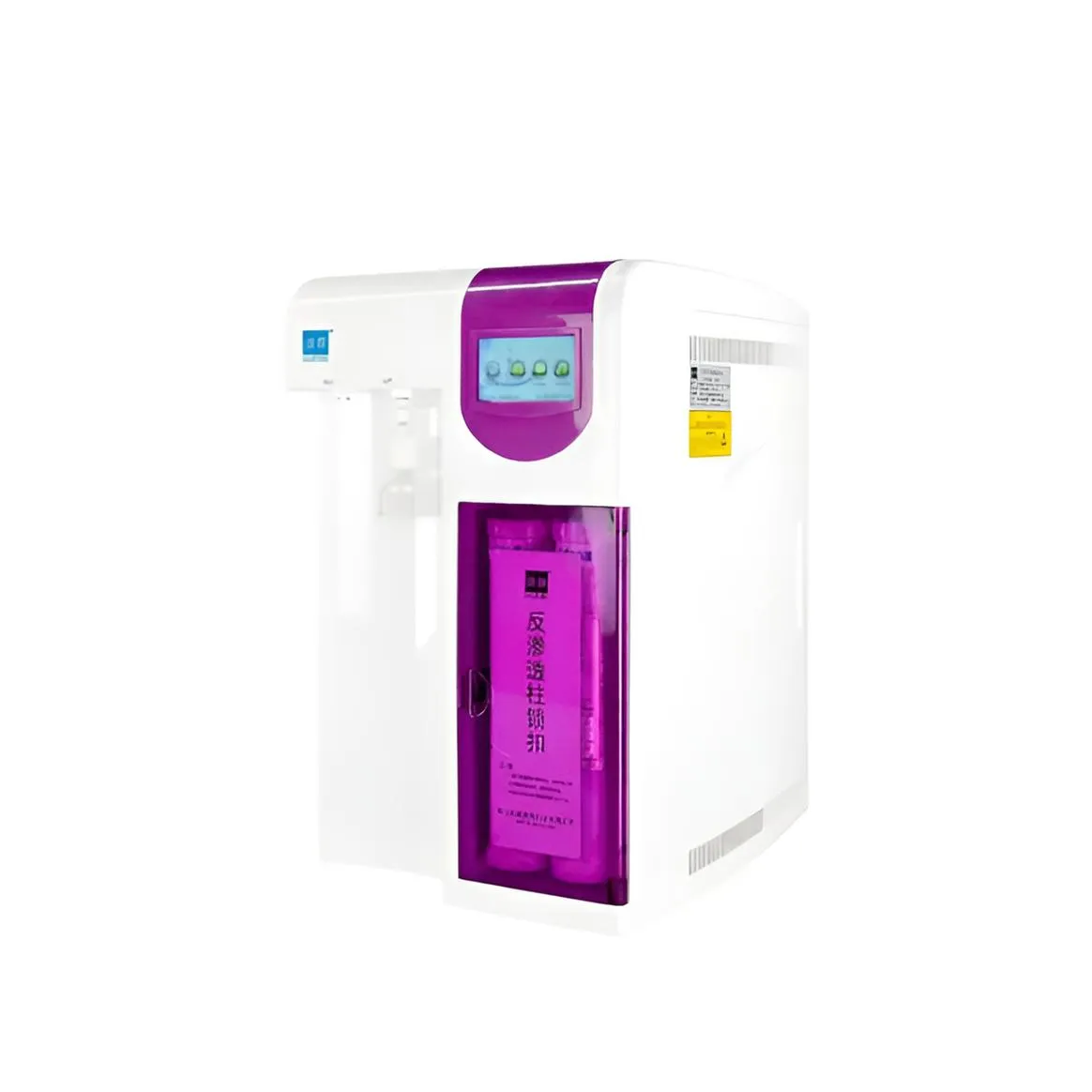
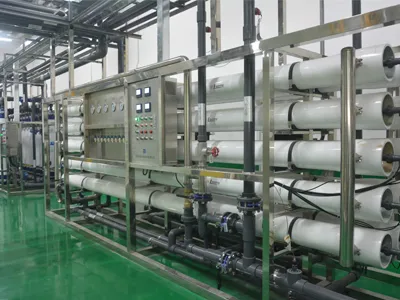
Grade I Water: Requires further treatment by Grade II water, commonly prepared using an ultrapure water system (reverse osmosis + ion exchange + UV oxidation). It is generally prepared and used immediately or stored in a dedicated sealed container to avoid contamination.
Grade II Water: Prepared through multiple reverse osmosis or multi-effect distillation processes. It can be stored for short periods in clean containers.
Grade III Water: Used as raw material from tap water, requiring simple treatment such as distillation, ion exchange, or reverse osmosis.
Grade I Water: Used for high-precision experiments, such as high-performance liquid chromatography (HPLC), atomic absorption spectrometry, cell culture, and molecular biology experiments (e.g., PCR), where absolutely no impurities are required.
Grade II Water: Suitable for general analytical experiments, such as spectrophotometric detection, titration analysis, reagent preparation (non-trace analysis), and cleaning of laboratory equipment. Grade III water: Primarily used for basic operations, such as preliminary cleaning of glassware, replenishing water baths, routine chemical reactions (without strict purity requirements), and preparing non-analytical solutions.
In summary, laboratory water selection should be based on the required experimental precision: Grade I water for high-precision experiments, Grade II water for routine analysis, and Grade III water for basic operations.