



Phone:
0086 28 87573647
+86 19150187139

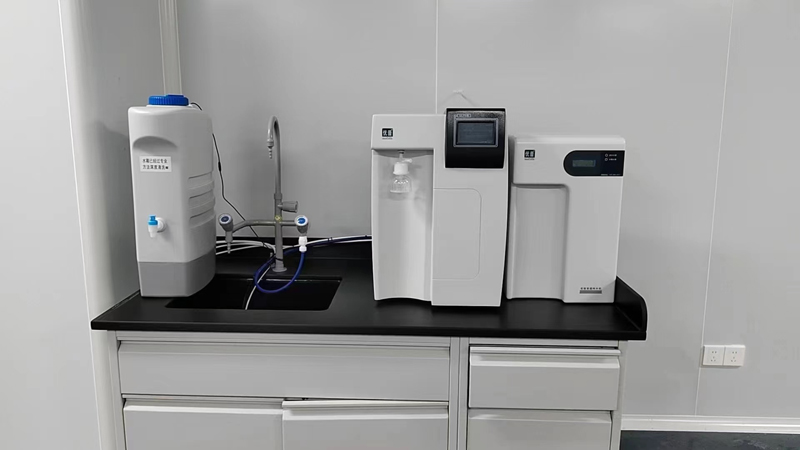
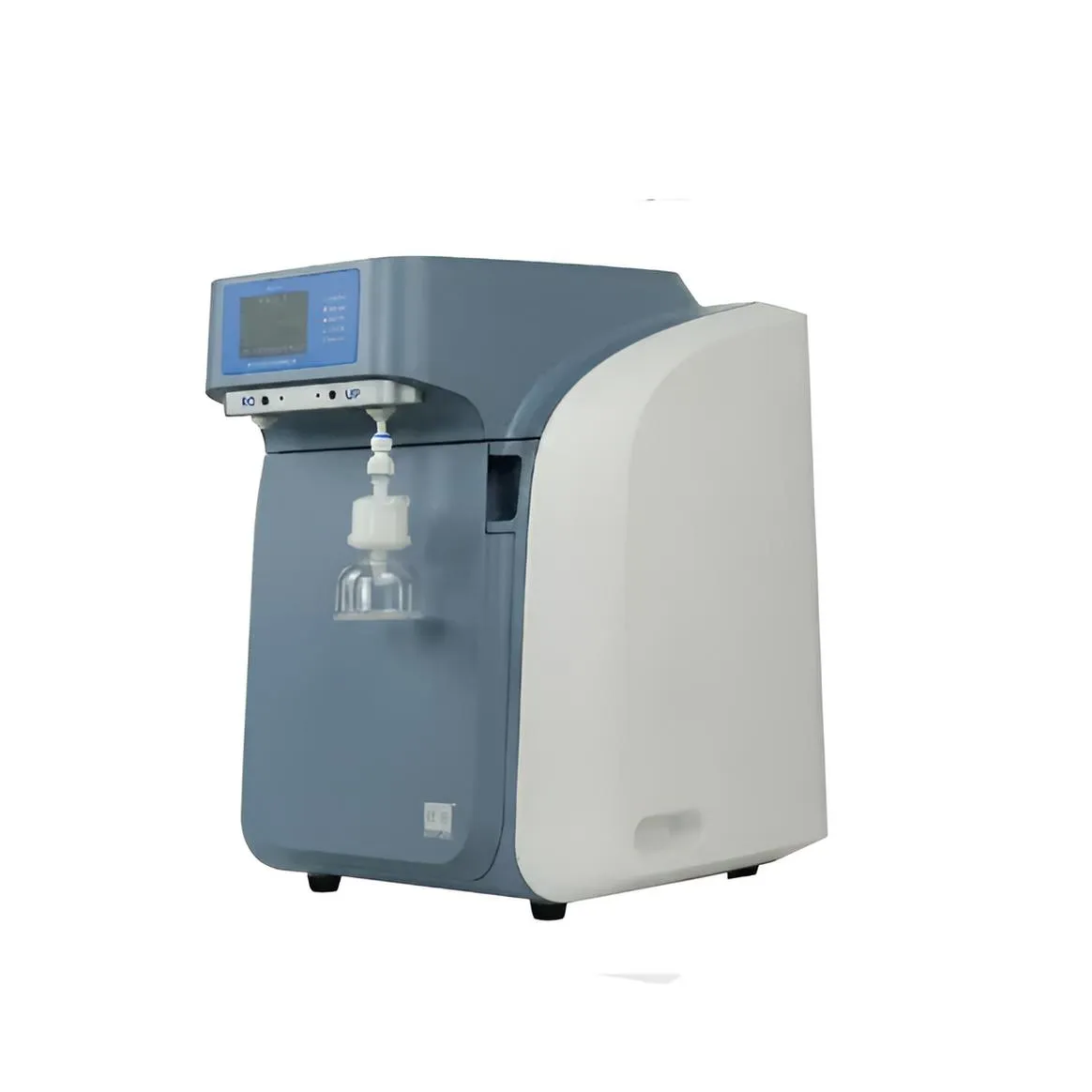
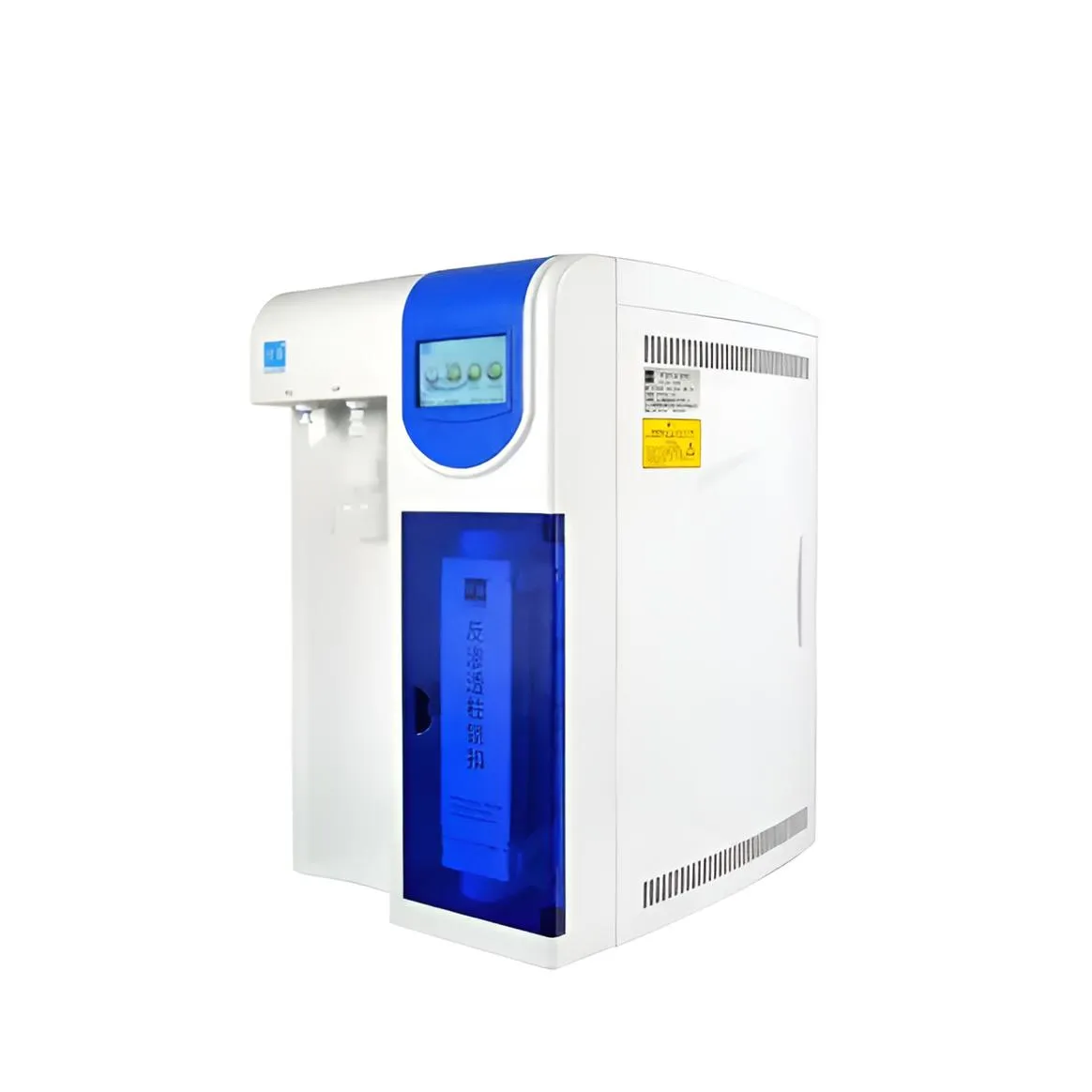
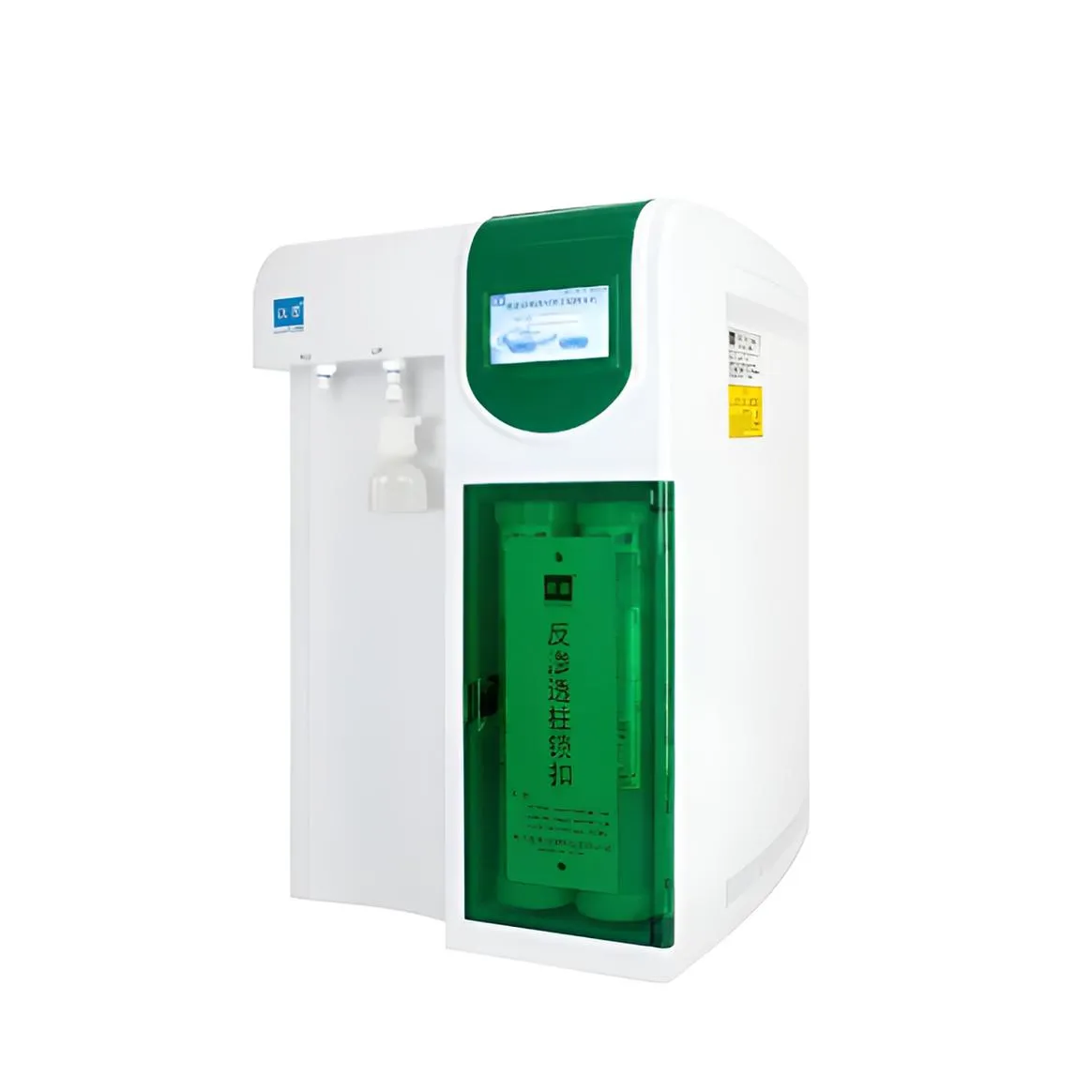
Ultrapure water systems are indispensable equipment in modern laboratories, providing high-quality, pure water for experiments. However, proper operation and maintenance are crucial to ensure the performance of the ultrapure water system and extend its lifespan. This article details the correct operating methods and precautions for ultrapure water systems to help users better use and maintain the equipment.
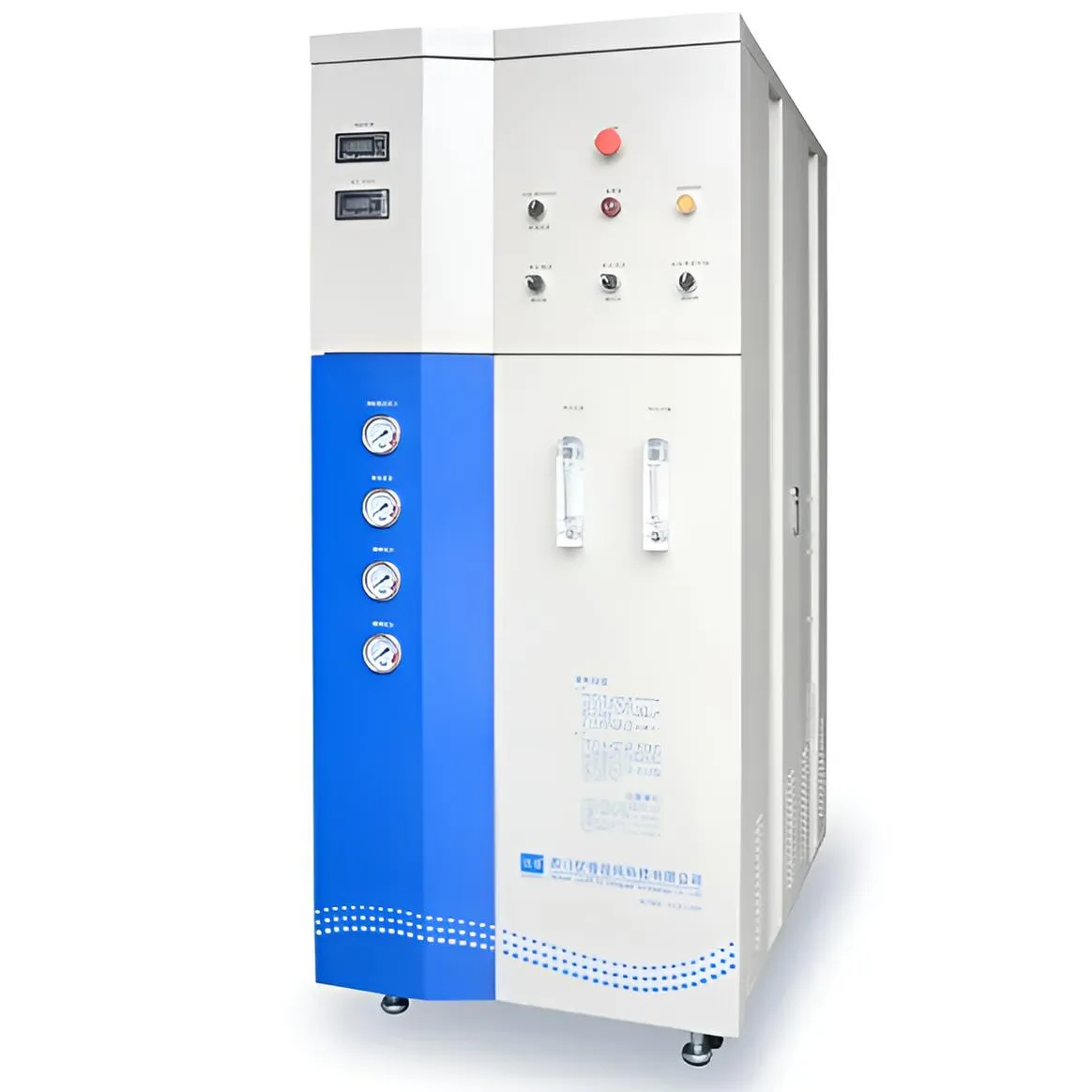
1. Pre-Start Preparation: Before using the ultrapure water system, ensure the water source is clean and uncontaminated, and the water pressure is stable and meets the equipment requirements. Also, check the equipment's appearance for damage, ensure all components are secure, and verify the power supply is normal. Only after confirming everything is in order can the system be turned on.
2. Start-up Operation: Press the power switch of the ultrapure water system. The equipment will automatically perform self-checks and initialization. After the equipment starts, observe the parameters displayed on the screen to ensure they are normal, such as conductivity and flow rate. If any abnormalities are found, check and troubleshoot promptly.
3. Water Dispensing Operation: After the equipment is running normally, ultrapure water can be obtained through the water outlet. When drawing water, ensure the flow rate does not exceed the equipment's maximum specified flow rate to avoid overloading the equipment. Also, avoid touching components around the water inlet during the drawing process to prevent water contamination.
1. Regularly Replace Filter Cartridges: Filter cartridges are the core components of the ultrapure water system and have a limited lifespan. To ensure water quality and production efficiency, filter cartridges should be replaced regularly.
2. Equipment Placement: The ultrapure water system should be placed in a dry, well-ventilated environment, avoiding direct sunlight and humidity.
3. Inspect Piping and Connectors: The ultrapure water system's piping and connectors should be inspected regularly to ensure they are intact and tightly connected. If aging pipes, loose connectors, or leaks are found, they should be replaced or tightened promptly. Avoid applying excessive force to the pipes and connectors to prevent damage to the equipment.
4. Regularly Check Water Quality: To ensure stable and reliable water quality from the ultrapure water system, the produced ultrapure water should be tested regularly. The testing indicators include conductivity, pH value, and total organic carbon (TOC). If any abnormal water quality is detected, the machine should be stopped immediately for inspection and troubleshooting. Proper operation and maintenance not only ensure the performance of the ultrapure water system and extend its service life, but also provide high-quality, pure water for experiments.