







Phone:
0086 28 87573647
+86 19150187139

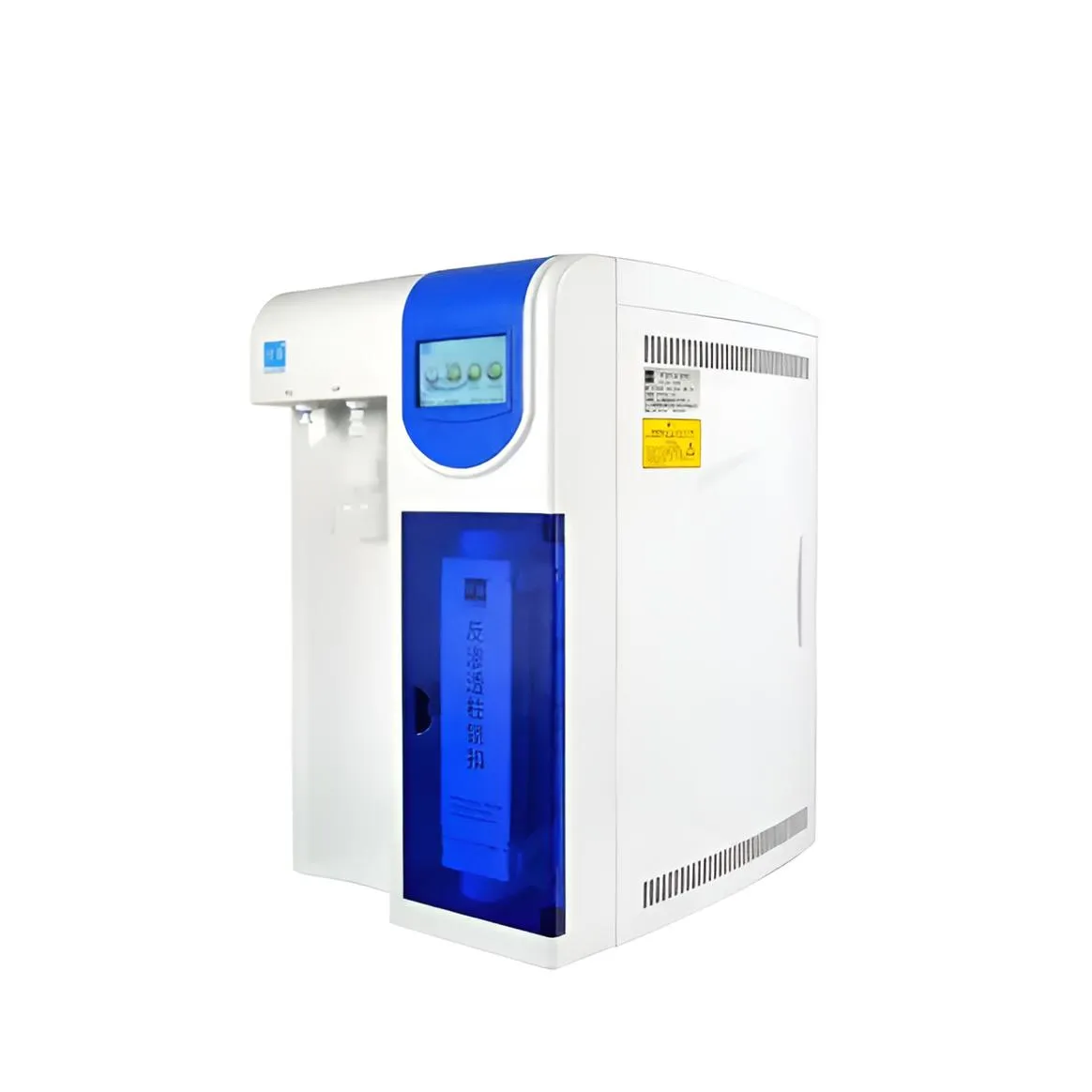
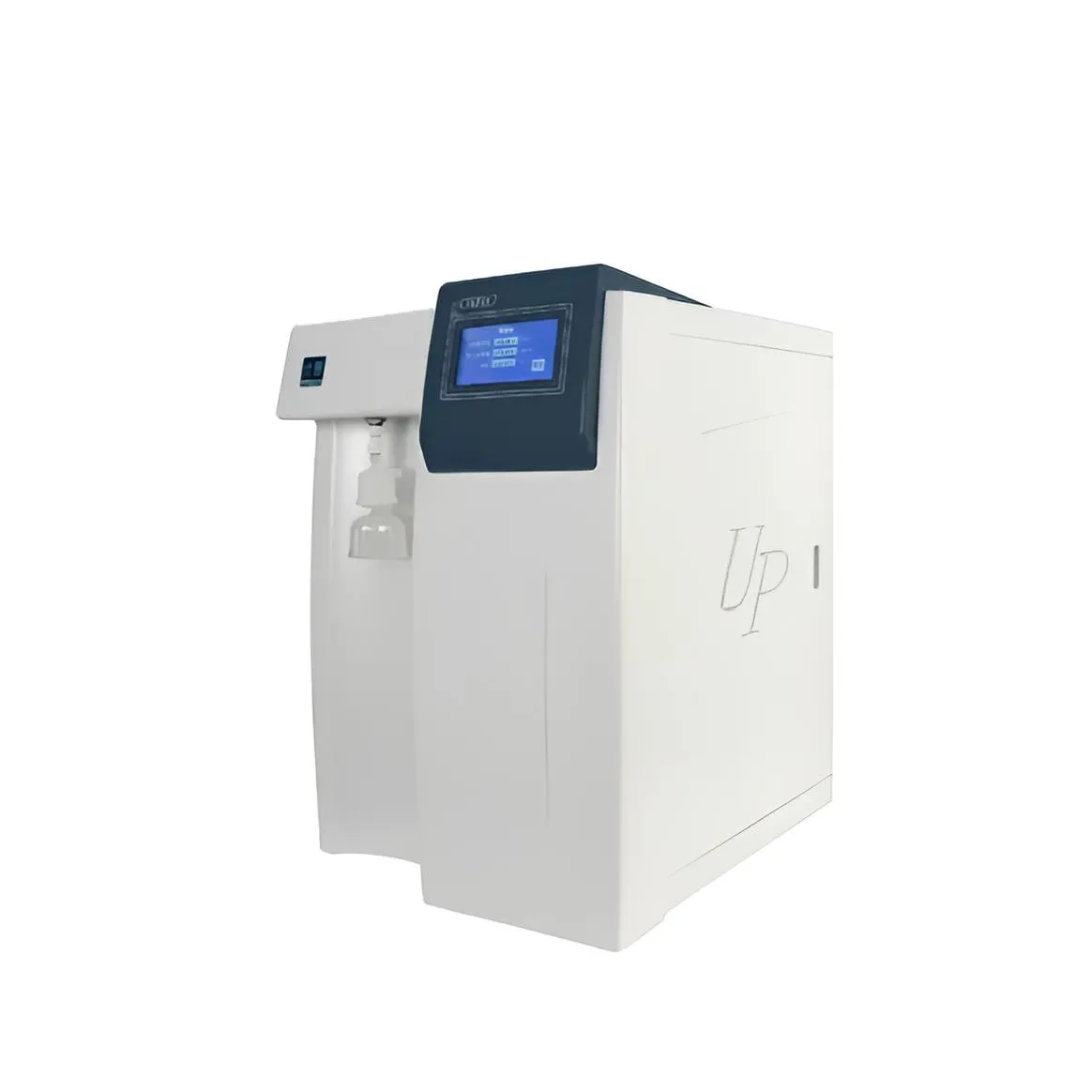
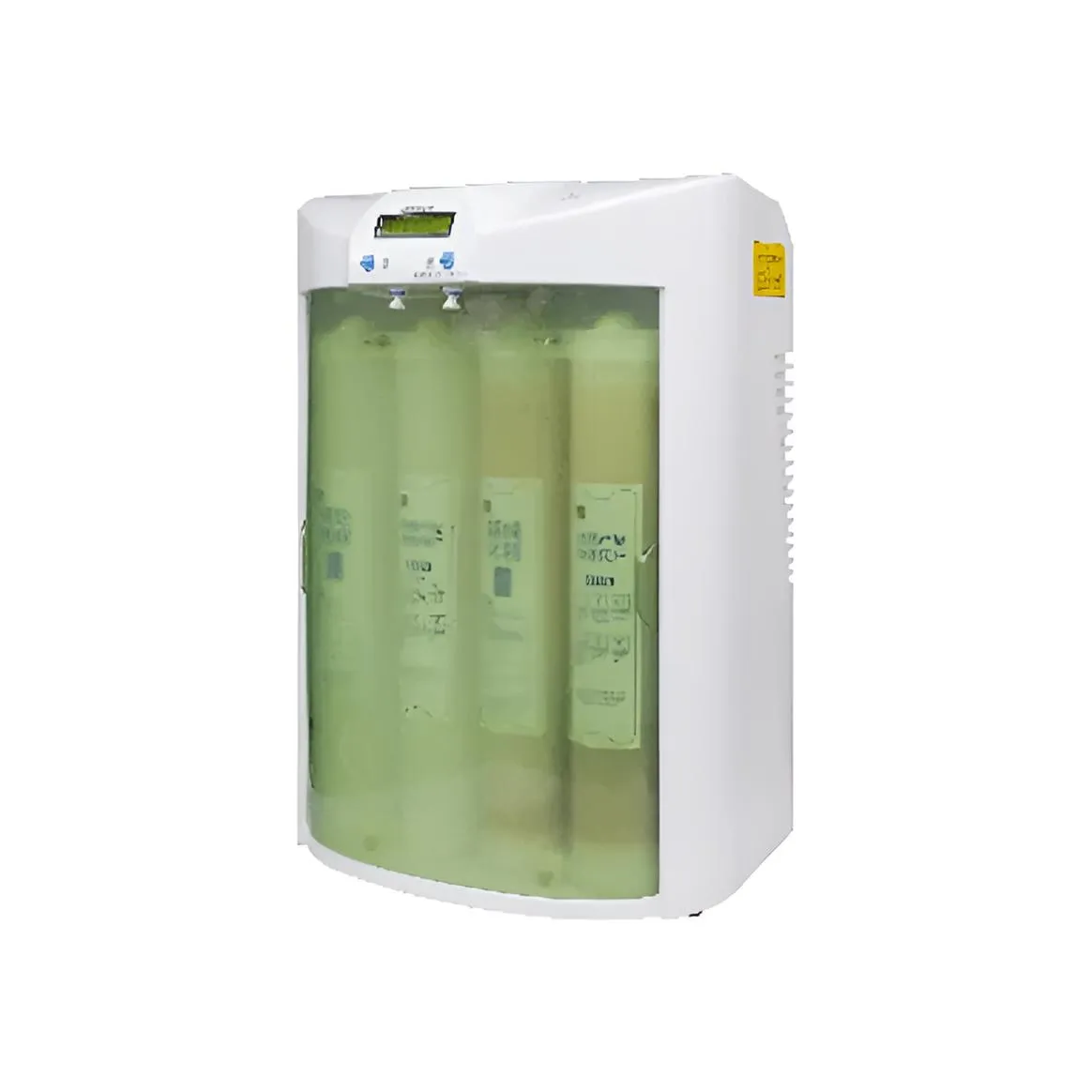
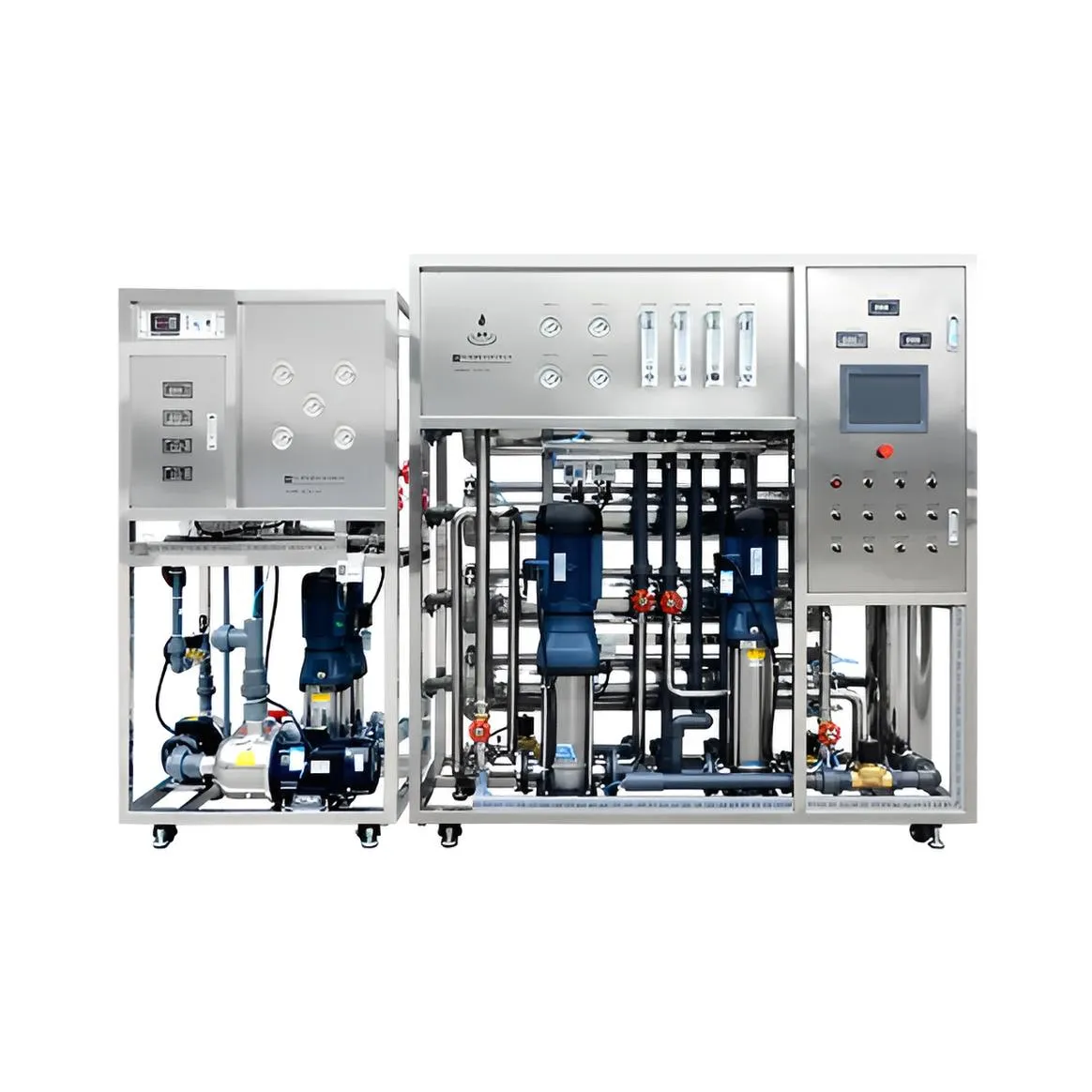
In the field of scientific instruments, besides numerous precision scientific instruments used for analysis and testing, such as chemical analysis instruments, physical property testing instruments, and life science instruments, there is another large category of instruments that, while not directly capable of quantitative or qualitative analysis of samples, are equally essential for the effective conduct of laboratory analysis and testing. These are also commonly used instruments in many laboratories, collectively referred to as commonly used laboratory equipment. Commonly used laboratory equipment encompasses a wide variety of instruments, primarily including sample processing/preparation equipment, such as solid-phase extraction instruments; sample storage equipment, such as refrigerators; ultrasonic cleaners, bottle washers, and autoclaves; and some commonly used laboratory cleaning/disinfection instruments, such as pure water systems and ultrapure water systems.
Unlike some precision analytical instruments in laboratories, ultrapure water systems have relatively simpler semiconductor device requirements. Therefore, although domestic companies started developing some commonly used laboratory equipment a decade or more later than foreign companies, the performance gap in their products is not significant. In recent years, with the continuous improvement of analytical testing technologies, the requirements for ultrapure water systems have become increasingly stringent, such as the level of automation and multi-functional integration.
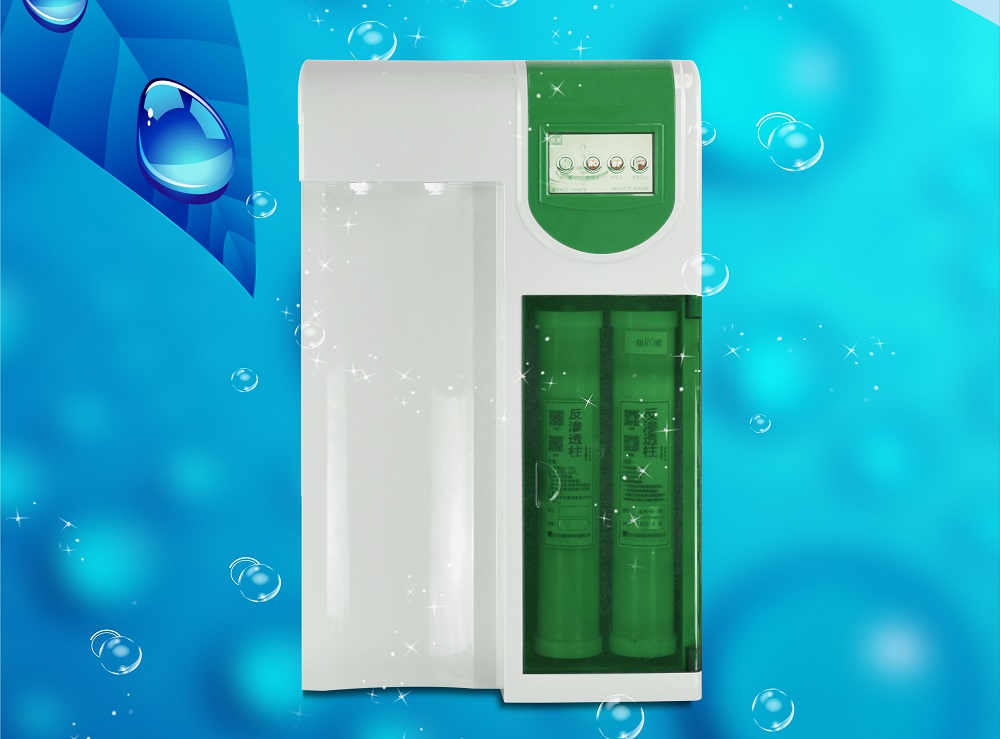
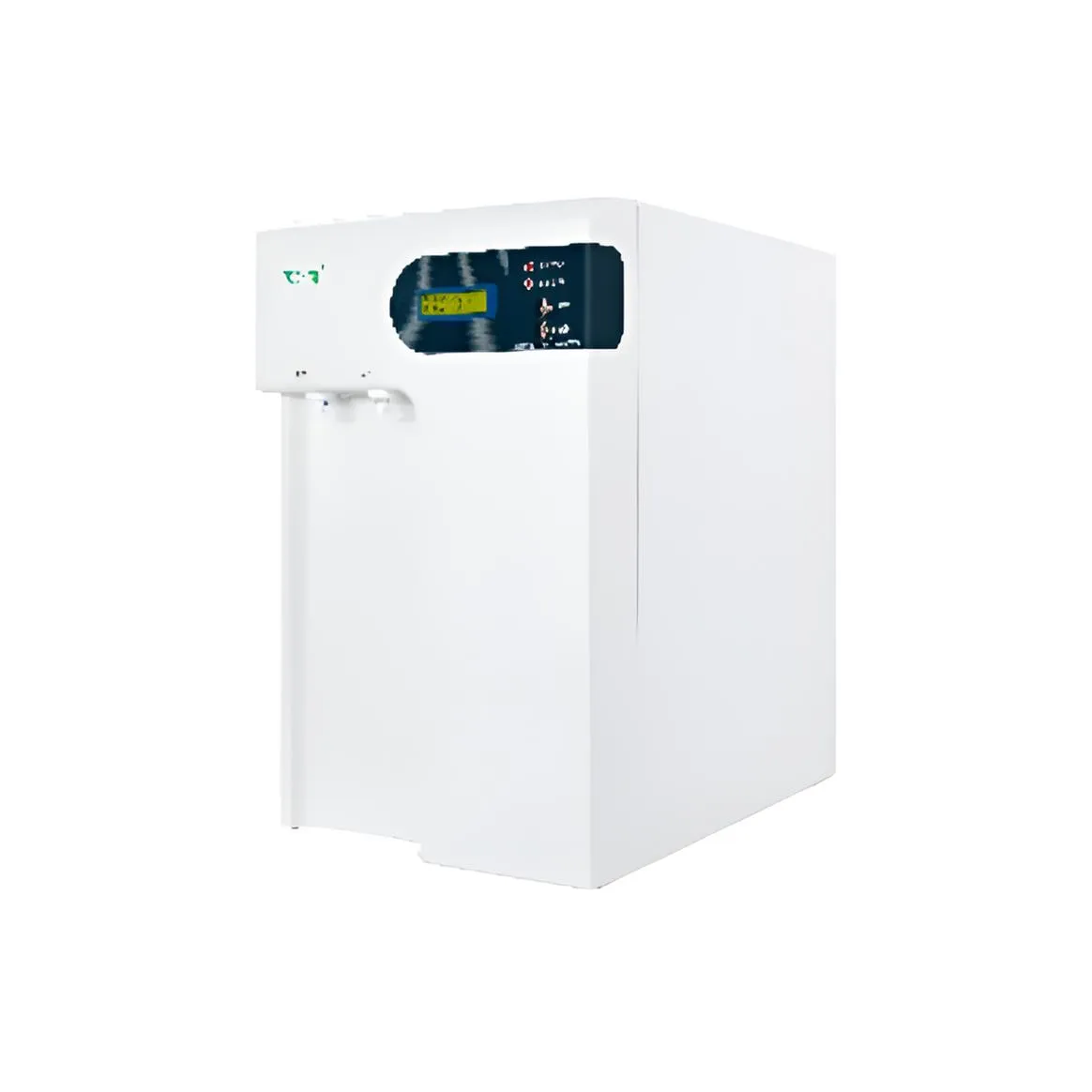
Automation and intelligence are the first trends reflected in new products currently on the market. For example, Ulupure's UPR laboratory ultrapure water system features a "black box" function, allowing historical data to be downloaded via USB. It also boasts intelligent instrument status diagnostics, quantitative water dispensing, and other automated and intelligent functions. These features are designed for more efficient and accurate practical applications, and in the case of ultrapure water systems, they ensure water safety.
In fact, we can see that a major aspect of the current trend towards intelligent laboratory equipment lies in intelligent control. Intelligent control equals simple operation, but accuracy must be guaranteed even with simple operation.
With the continuous advancement of modern technologies, various fully automated devices have replaced some single-function equipment, thereby improving work efficiency and reducing manual operation steps.
In conclusion, looking at the current market for pure water and ultrapure water systems, automation, integration, intelligence, and energy conservation and environmental protection will remain the main development directions.





