
Phone:
0086 28 87573647
+86 19150187139

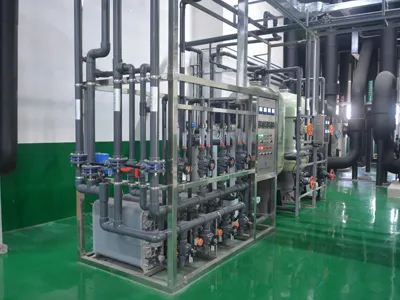
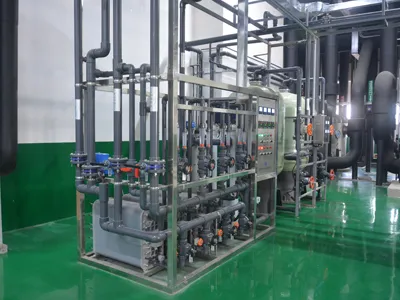
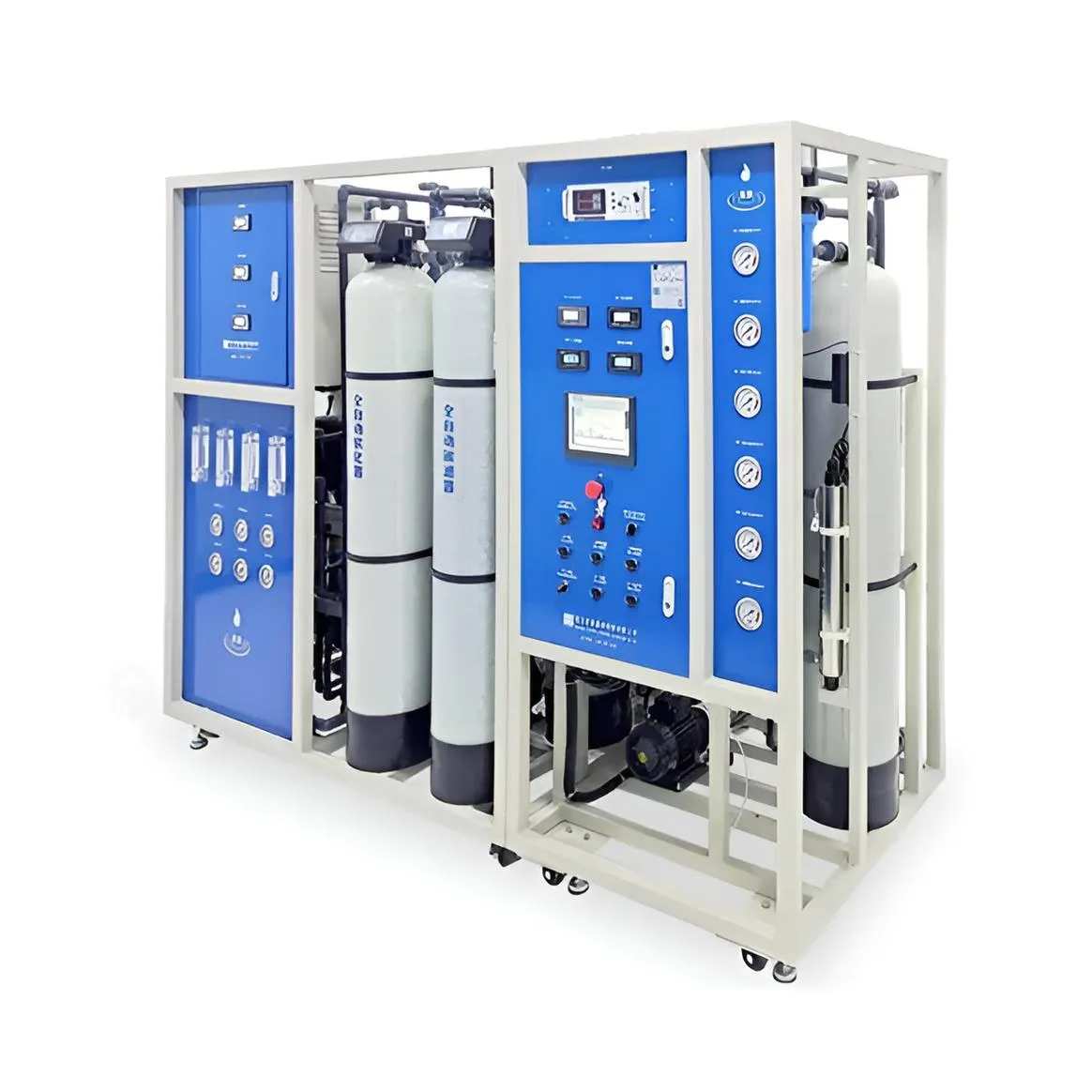
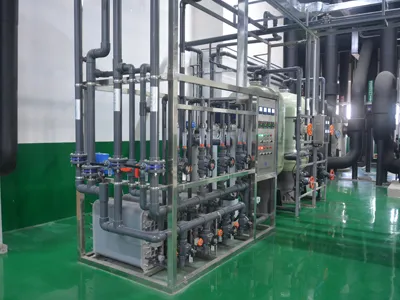
In the pharmaceutical industry, there are specific requirements for pharmaceutical equipment, production processes, and personnel operations. Even a small error can affect the stability and safety of the product. For example, pharmaceutical companies require pure water in their production processes, which must be produced using specialized laboratory pure water systems to remove impurities from natural water.
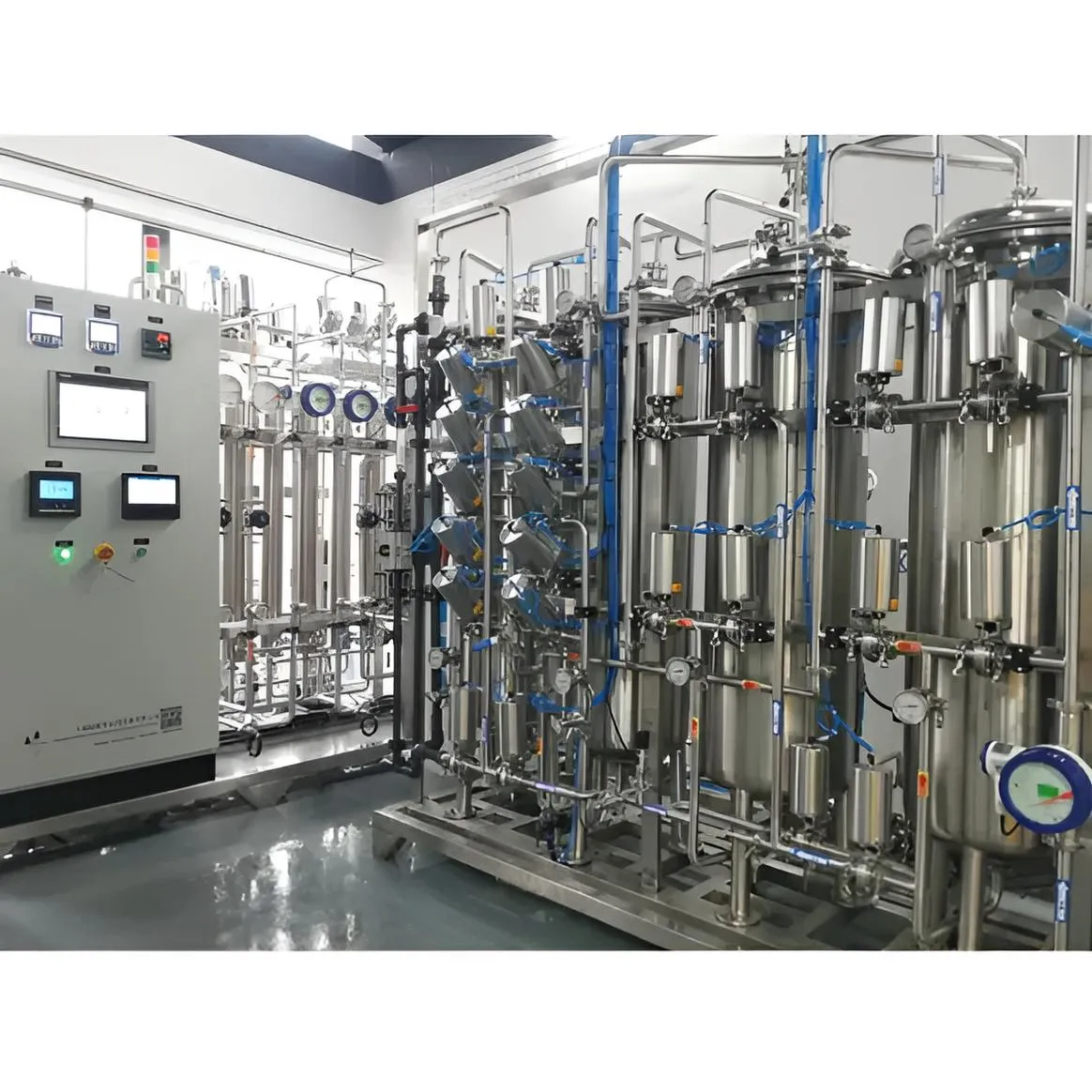
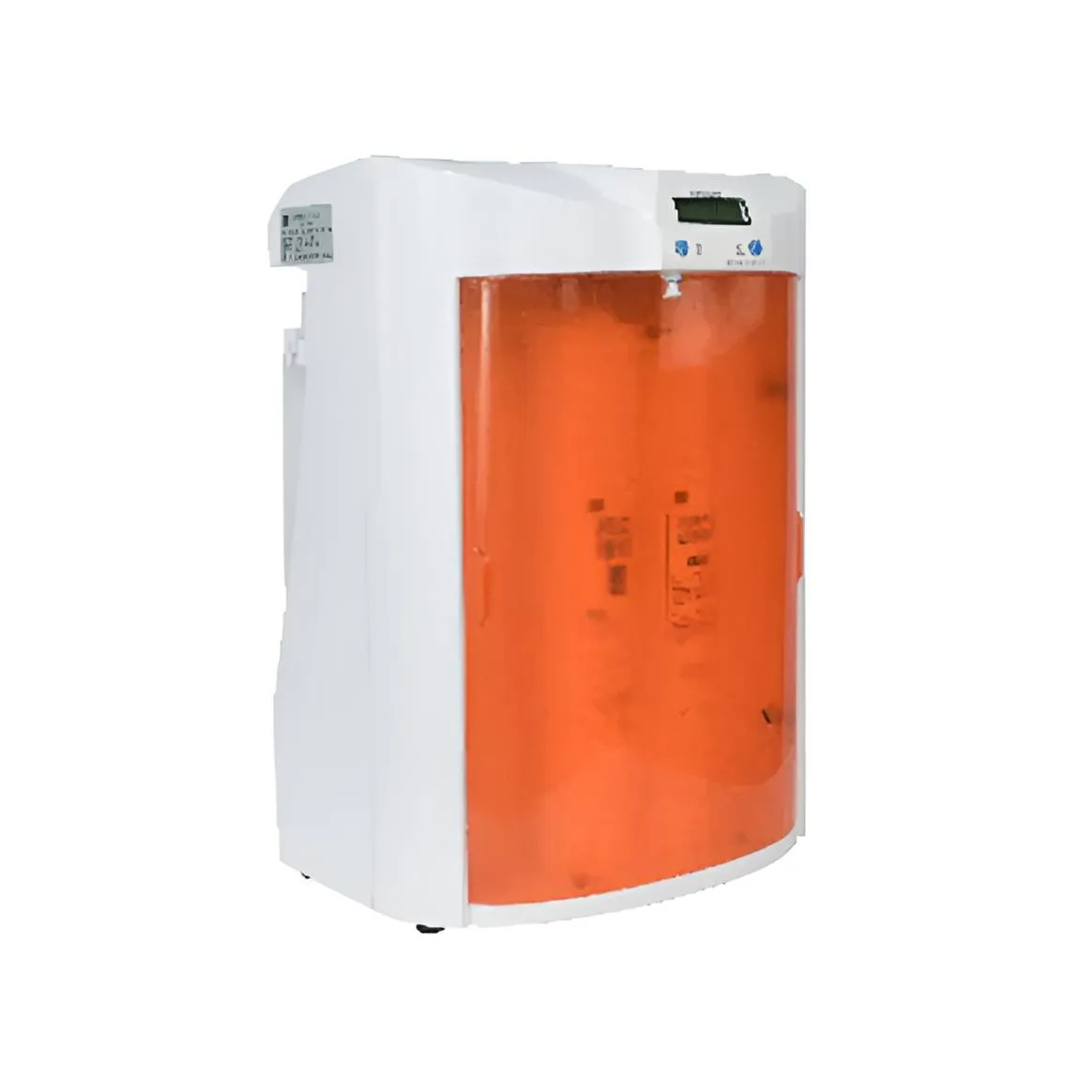
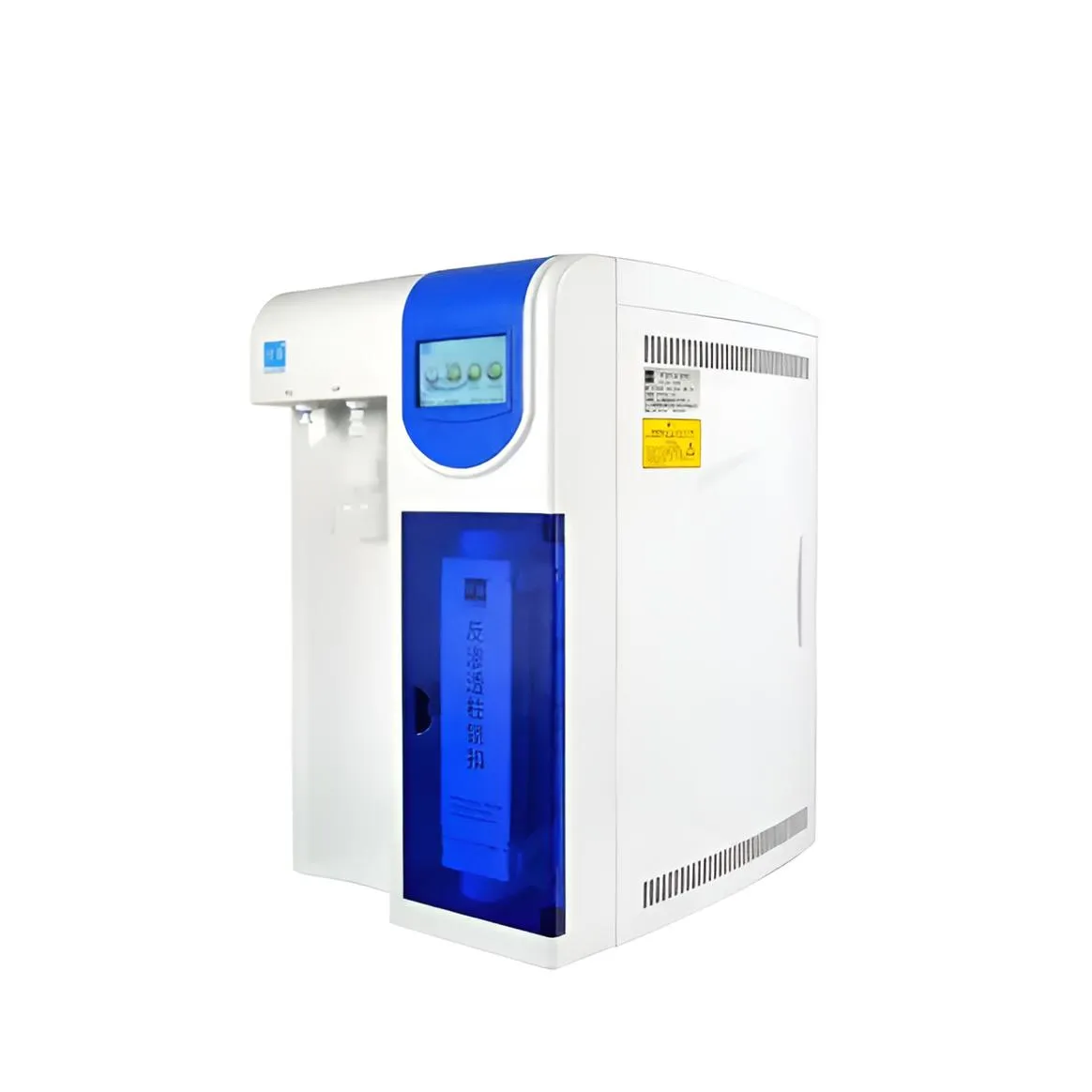
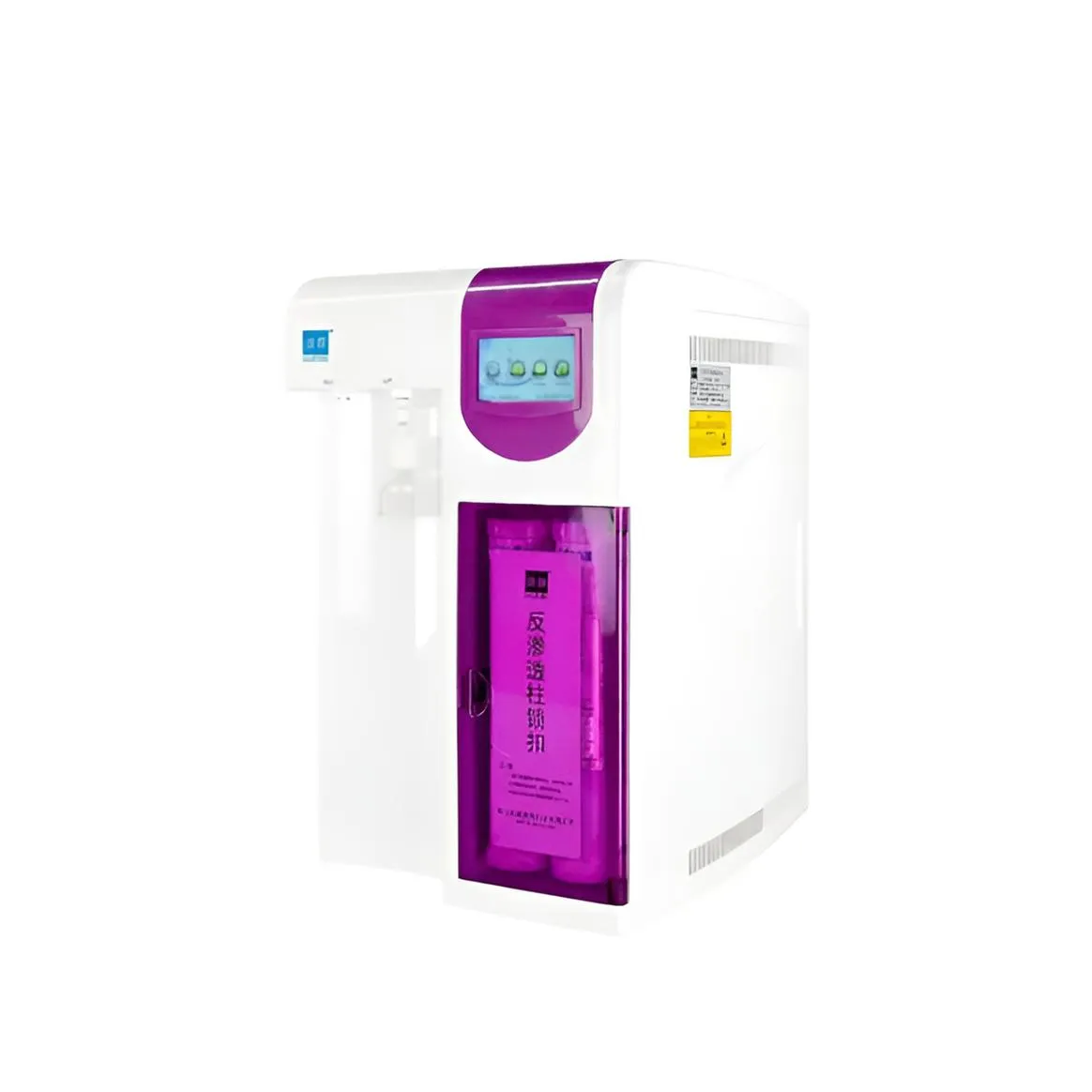
A laboratory pure water system is a water purification device used in laboratories. It removes all solid impurities, salt ions, bacteria, viruses, and other contaminants from water through methods such as filtration, reverse osmosis, electrodialysis, ion exchange, and ultraviolet sterilization. It has wide applications in pharmaceuticals, biotechnology, and hospitals.
Currently, the market offers a wide variety of laboratory pure water systems with varying functions and structures, causing confusion for buyers. Industry insiders indicate that hospitals and pharmaceutical companies have high requirements for laboratory pure water systems; therefore, it is crucial to choose high-quality, reliable equipment when purchasing.
"In the process of converting natural water into ultrapure water, some ultrapure water systems that use natural water as the feed water only include basic purification units. Of course, there are also ultrapure water systems that use pure water (reverse osmosis water, distilled water, etc.) as the feed water, and their purification units are relatively fewer," an industry insider stated.
Furthermore, when choosing a laboratory pure water system, it's crucial to compare key components. These key components include UV lamps, reverse osmosis membranes, DI resin, ultrapure water columns, solenoid valves, and pipe fittings. It can be said that the configuration of these key components leads to differences in the quality and price of pure water systems.
"Basically, domestically produced mid-range laboratory pure water systems use original imported reverse osmosis membranes, UV lamps, pipes, fittings, and terminal filters, while some low-end pure water systems mostly use domestically produced or imitation components," an industry insider pointed out. Regarding components, domestic equipment still mainly relies on imports to ensure quality stability.
Currently, with the advancement of science and technology, industries such as pharmaceuticals have increasingly higher requirements for equipment. It is understood that many experiments and tests now require impurities in reagents or culture environments to be at the ppb level, and some even at the ppt level. In life science research, researchers are particularly sensitive to contaminants in water, especially heavy metals and soluble organic matter.
These new changes have prompted manufacturers of laboratory pure water systems to innovate and improve their equipment to better meet user needs. Currently, some equipment companies are researching and exploring new models and performance aspects of their equipment to gain a greater competitive edge in the market.
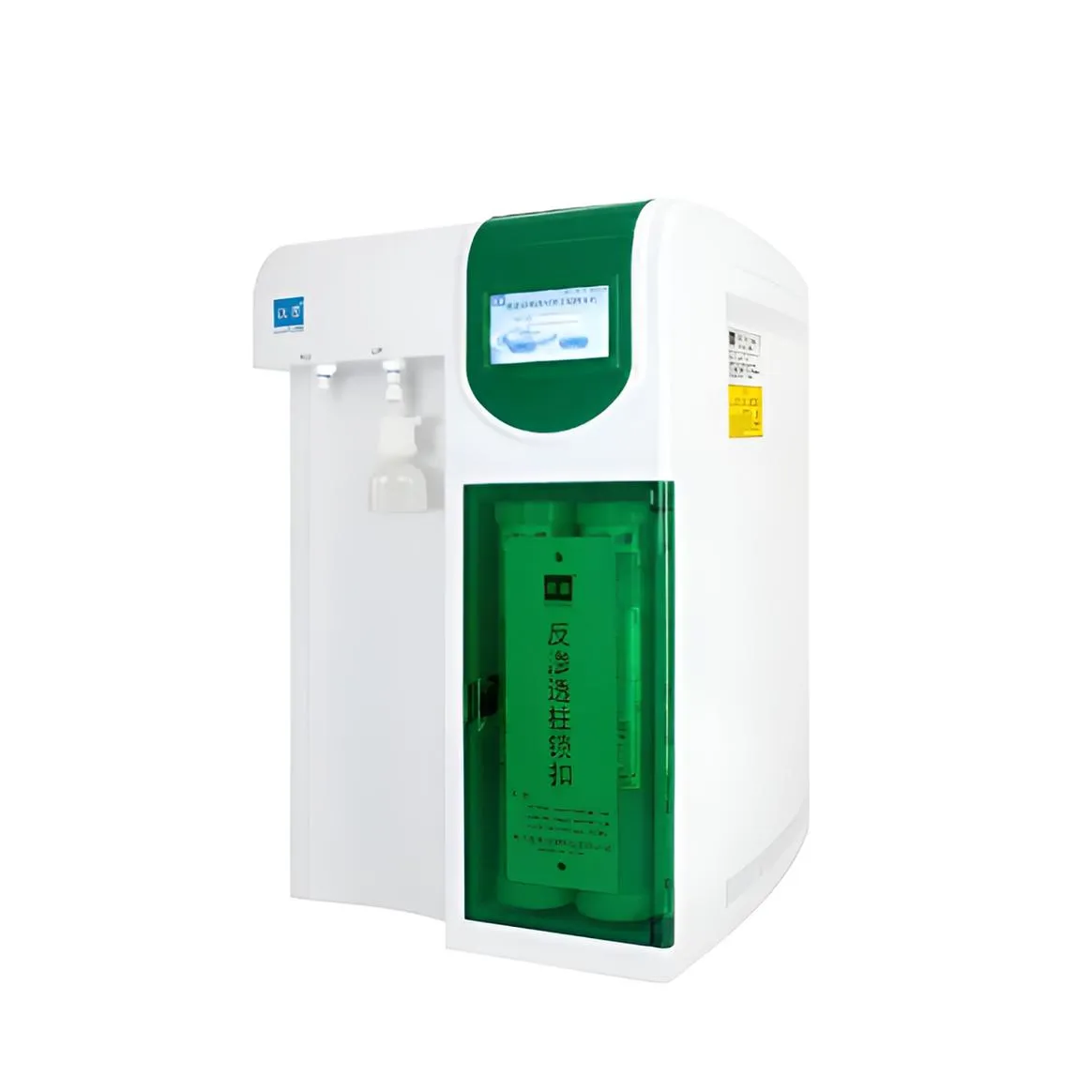
Sichuan Ulupure Ultrapure Technology Co., Ltd.'s new model development project has recently achieved a significant milestone. This floor-standing model development project, launched in 2017, has made good progress over the past year thanks to the tireless efforts of the R&D department. To bring this aesthetically pleasing and high-performance floor-standing model to market as soon as possible, the R&D team is working diligently on various tasks and eagerly anticipates its release!