


Phone:
0086 28 87573647
+86 19150187139

I. Accelerate the standardization of water treatment equipment. Relying on the Environmental Protection Product Standardization Committee and the Water Treatment Equipment Sub-Technical Committee, already approved by the National Standardization Administration, we should organize and standardize existing industry standards, and expedite the formulation of national standards for key water treatment equipment. This will improve the current situation of overlapping and parallel standards, providing a basis for enterprise production and government quality supervision.
II. With the deepening of energy conservation and emission reduction efforts, the water treatment equipment market has broad prospects and a large capacity. Moreover, most investments are funded by national debt or World Bank loans, which will attract various parties to join this industry. Therefore, to better ensure the effective use of national funds and ensure that pollution control projects achieve the goals of energy conservation and emission reduction, it is recommended that relevant national authorities establish and improve a market access system for water treatment equipment as soon as possible.
III. Based on the current state of quality management of water treatment equipment, it is recommended to clarify the regulatory body as soon as possible, establish an effective regulatory system, and stipulate that before key equipment in certain key projects is installed and put into trial operation, it must be inspected by a qualified inspection agency according to product standards, and only after passing the inspection can it be put into operation. It is also recommended to introduce an equipment supervision system as soon as possible.
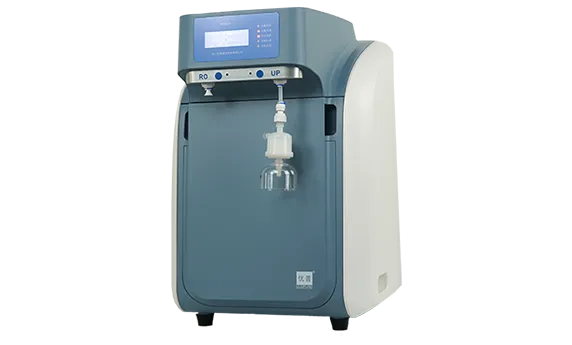
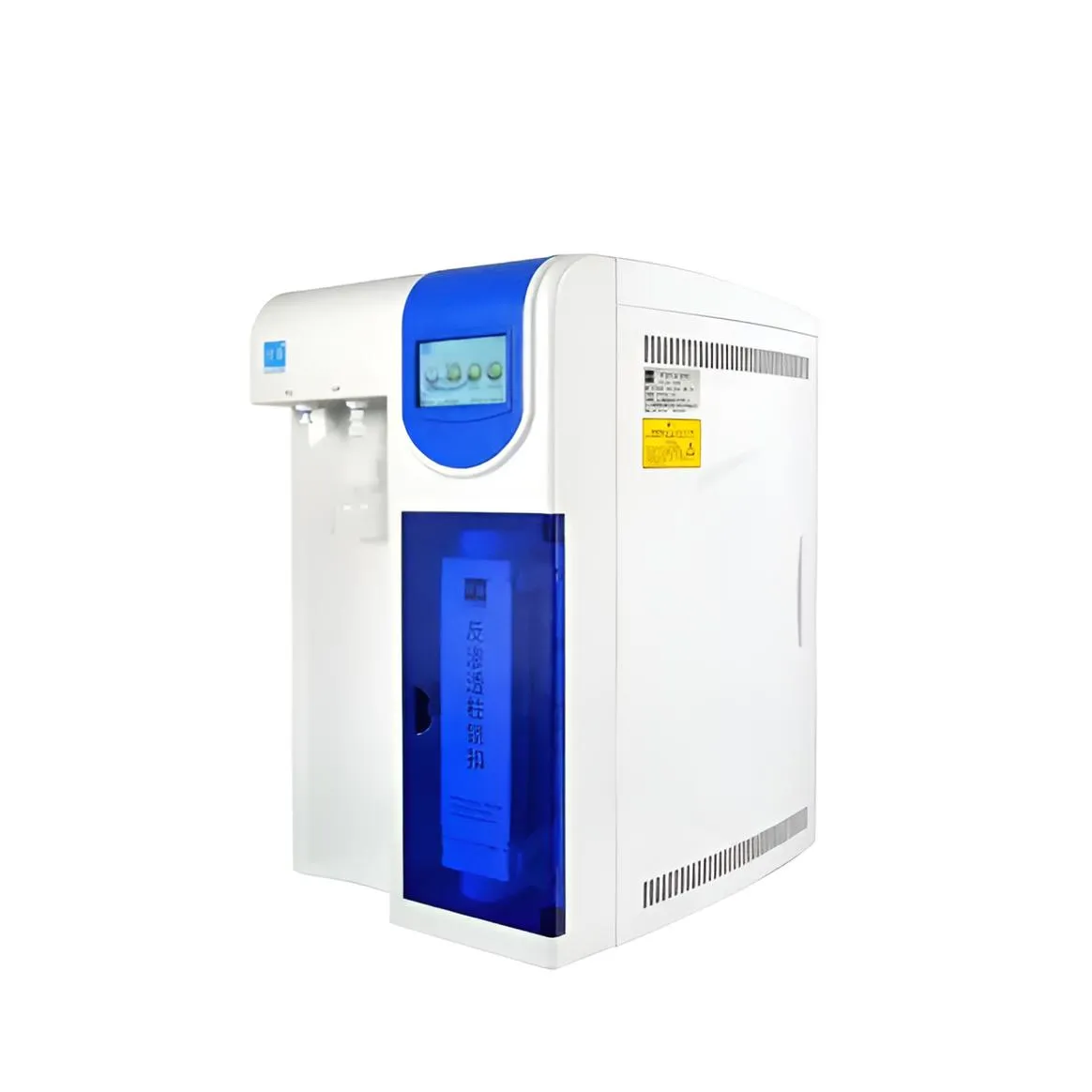
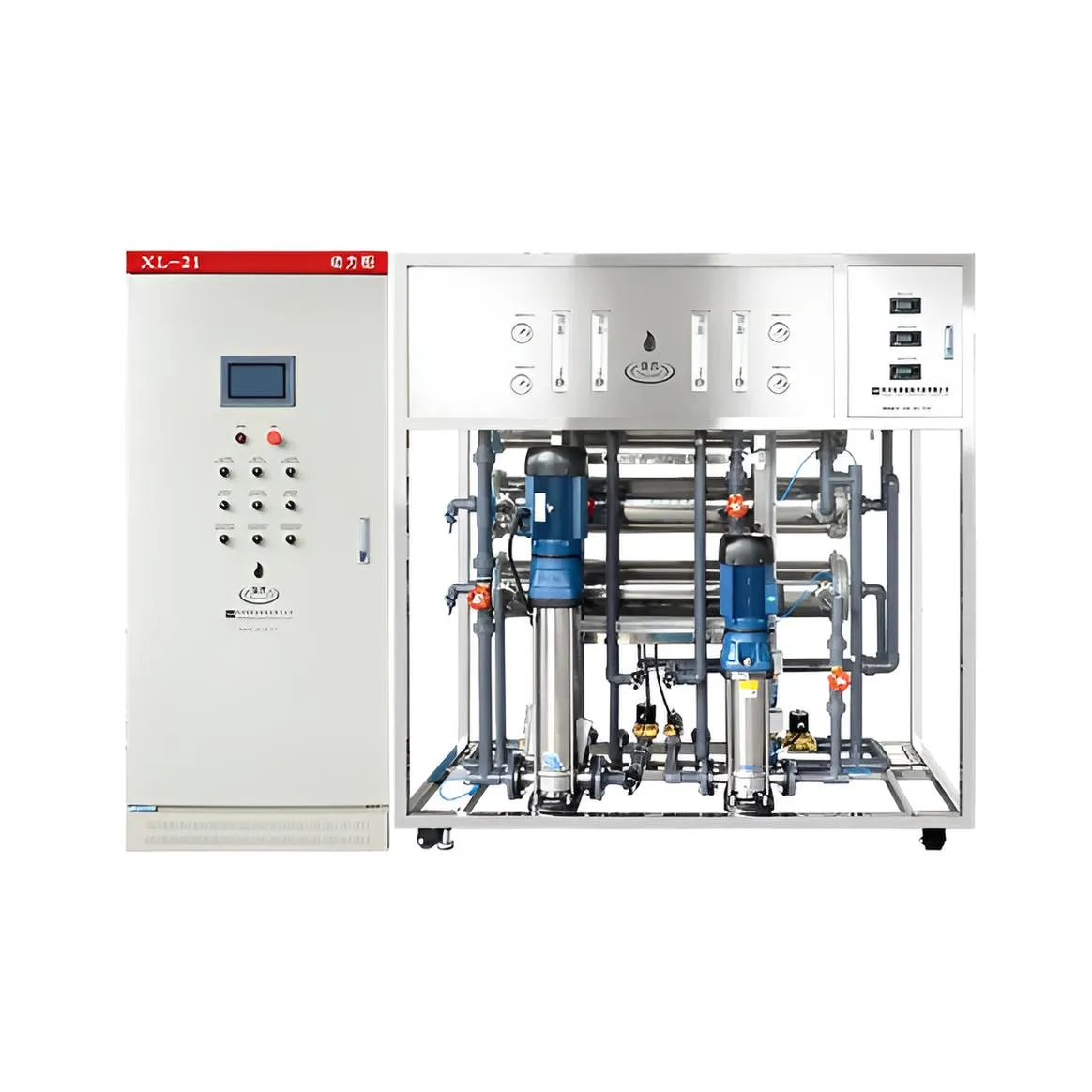
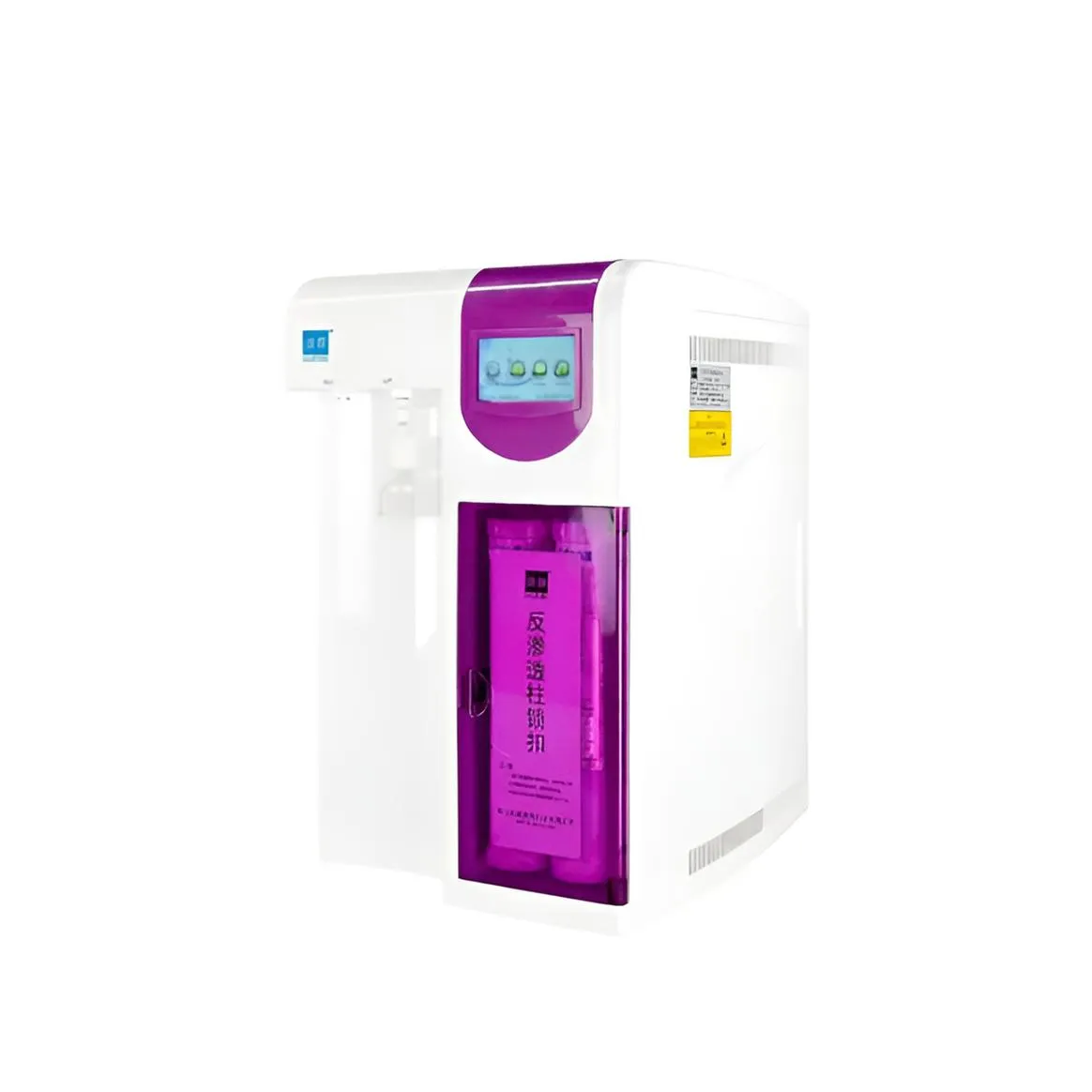
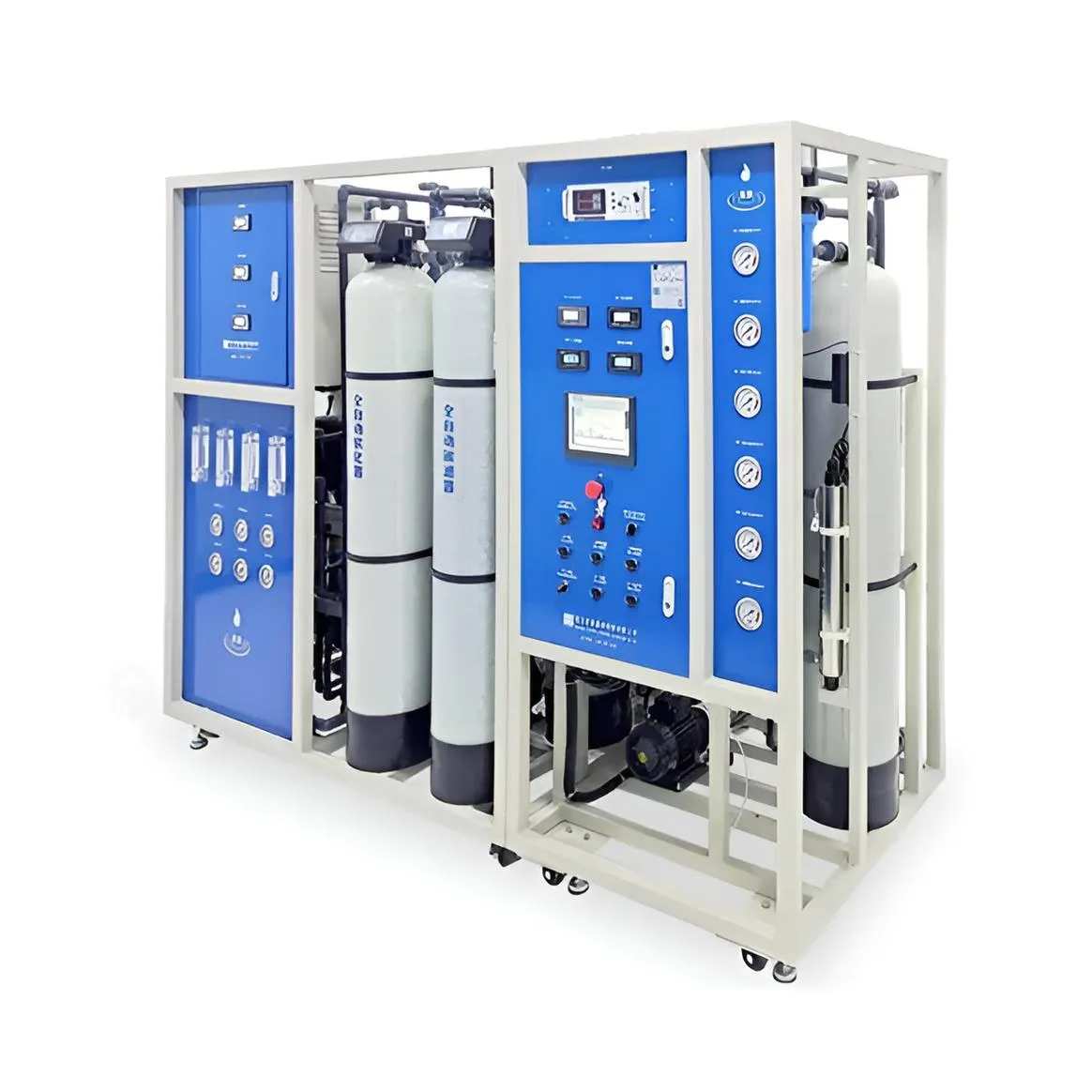
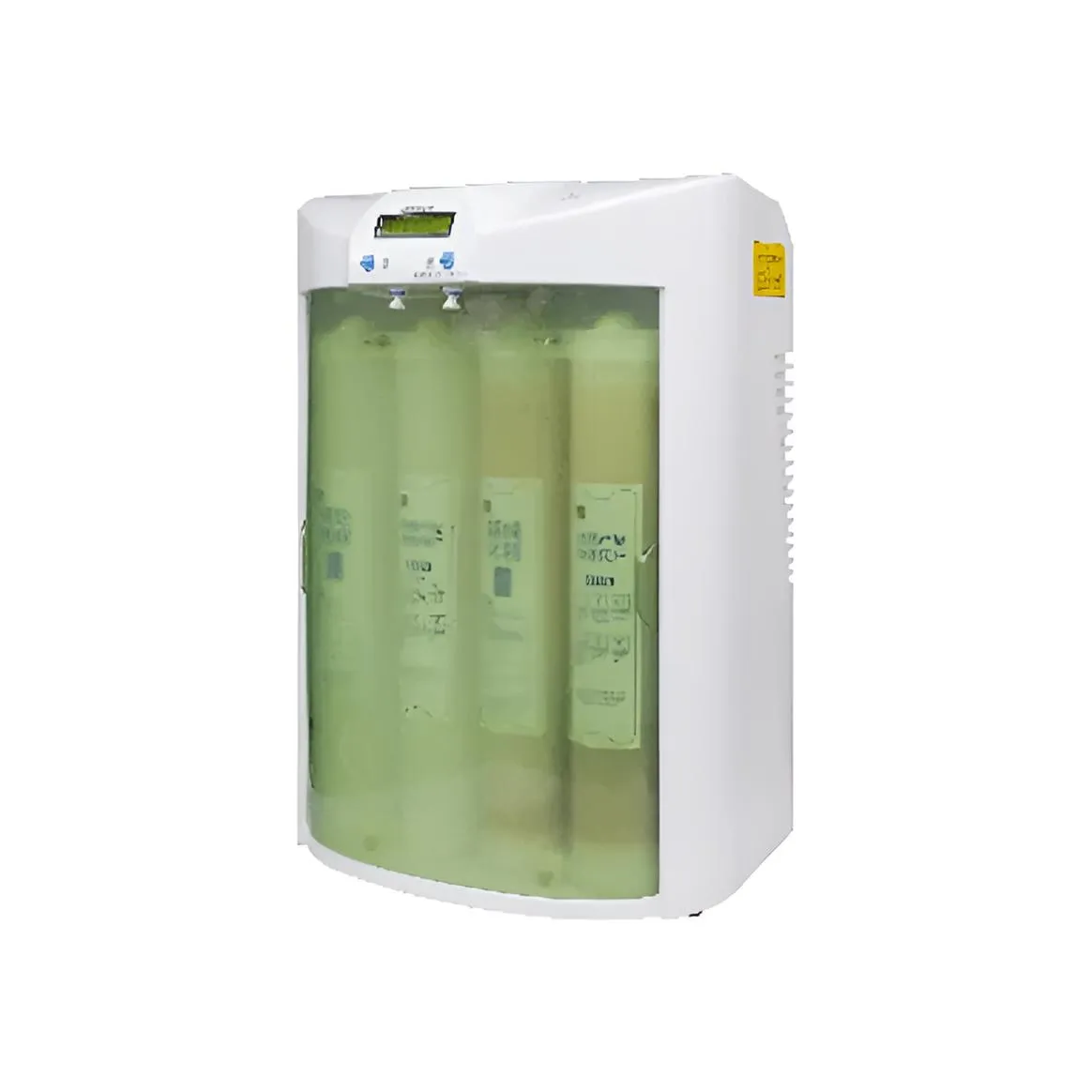
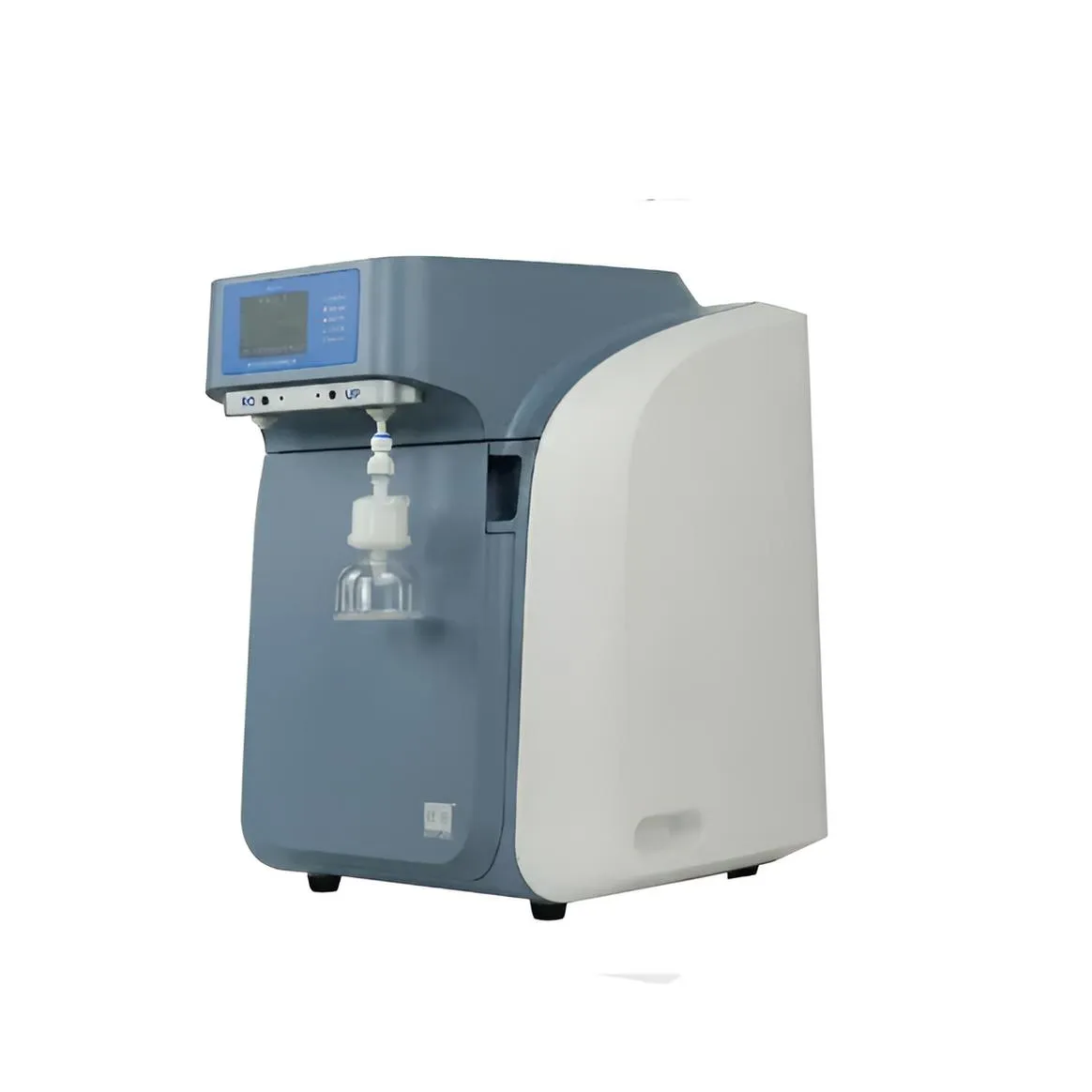
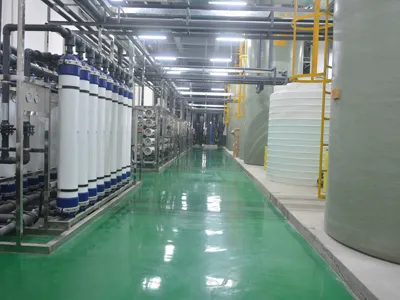
The Ulupure UPE continuous electrodialysis ultrapure water system employs the most advanced continuous electrodialysis technology, offering comprehensive functions, stable water quality, and using qualified reverse osmosis product water as raw water. Its conductivity is <30μS/cm>, and its product water resistivity can reach 10MΩ·cm. During electrodialysis desalination, a direct current is first connected to the electrodes at both ends of the electrodialyzer, causing the aqueous solution to conduct electricity. Under the influence of the electric field, the salt ions in the water move in specific directions: cations move towards the negative electrode, and anions move towards the positive electrode. Multiple sets of alternating anion and cation exchange membranes are arranged within the electrodialyzer. These membranes exhibit electrical properties under the influence of the electric field. The cation exchange membrane exhibits a negative electric field, repelling ions in the water while adsorbing cations. Under the influence of the external electric field, cations pass through the cation exchange membrane towards the negative electrode. The anion exchange membrane exhibits a positive electric field, repelling cations in the water while adsorbing anions. Under the influence of the external electric field, anions pass through the anion exchange membrane towards the positive electrode.
This creates a desalination chamber for removing ions from the water and a concentrate chamber for ion concentration. The concentrate is discharged, and the desalination water is demineralized water. This process is based on the principle of electrodialysis desalination. Raw water refers to untreated water. Broadly speaking, water before entering a water treatment process is also called raw water for that process. For example, water sent from a water source to a clarifier is called raw water. Softened water refers to water whose hardness (mainly calcium and magnesium ions) has been removed or reduced to a certain degree. During softening, only the hardness decreases, while the total content remains unchanged. Demineralized water refers to water in which salts (mainly strong electrolytes that dissolve in dihydrate) have been removed or reduced to a certain level. Its conductivity is generally 1.0-10.0 μS/cm, and its resistivity (25℃) is 0.1-1.0.